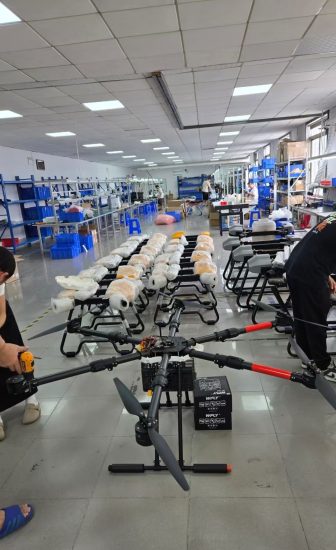


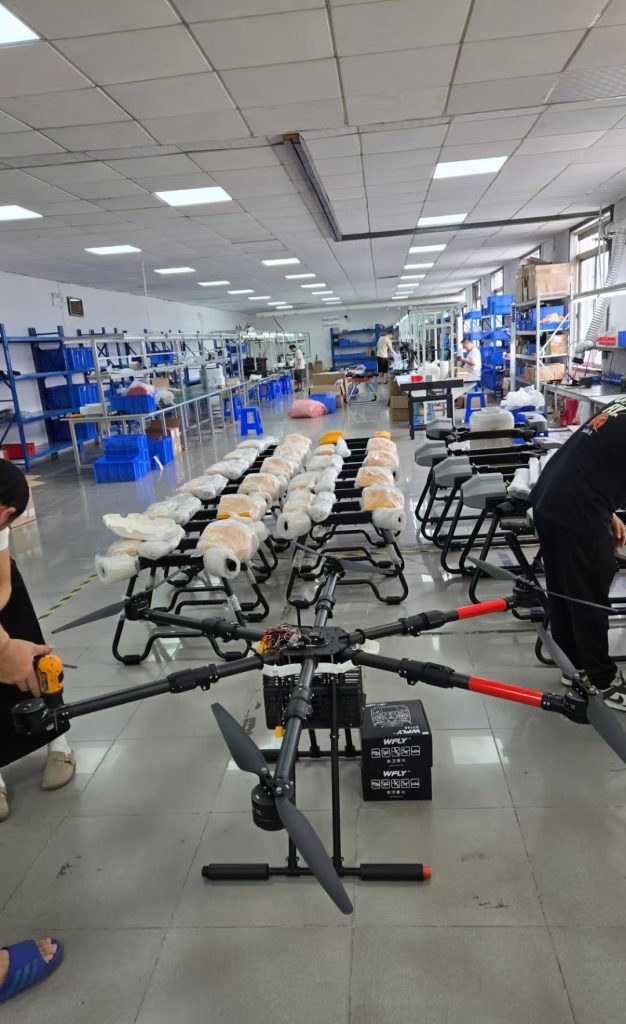
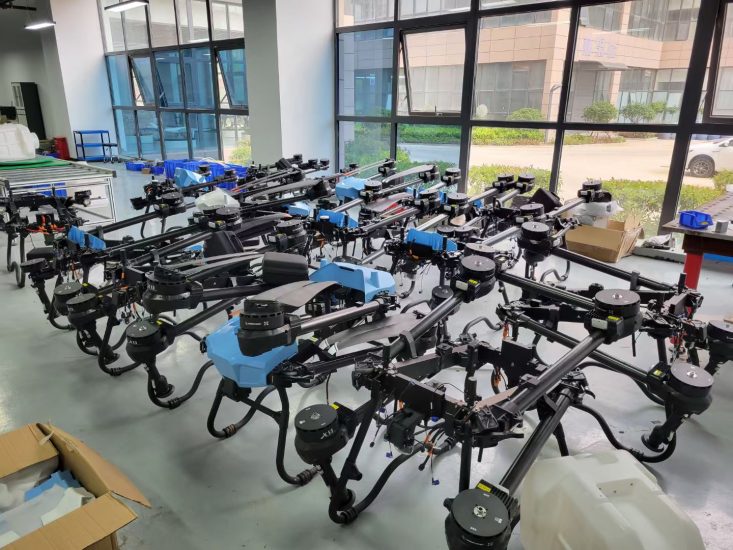
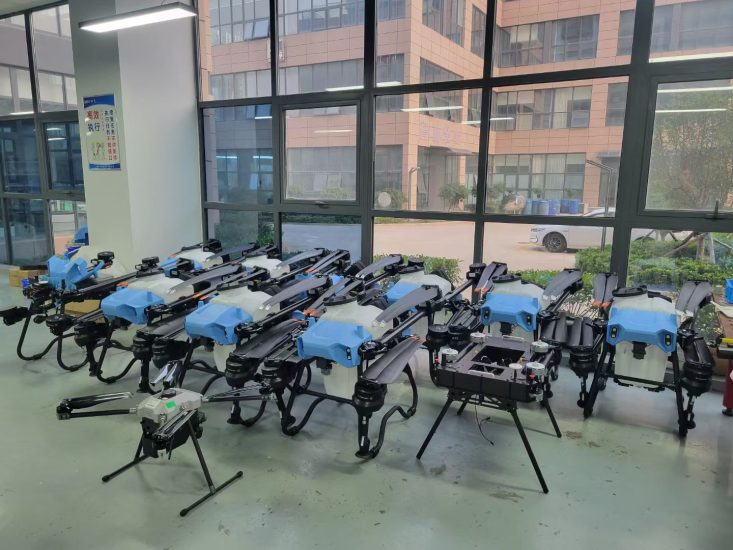
Large-scale farming requires equipment that can maximize efficiency, reduce labor costs, and ensure consistent crop protection. Agricultural spraying drones have become one of the most effective solutions for commercial farms, offering precision application, high productivity, and lower operating costs compared to traditional spraying methods.
In this guide, you’ll learn how to choose the best agricultural spraying drone for large-scale farming and which features matter most before making an investment.
Why Large Farms Are Using Agricultural Spraying Drones
As labor costs continue to rise and precision agriculture becomes more important, spraying drones provide several advantages over manual and tractor-based spraying.
Key benefits include:
-
Cover large areas in less time
-
Reduce pesticide and fertilizer waste
-
Lower labor costs
-
Minimize crop damage caused by tractors
-
Improve spraying accuracy
-
Reach difficult terrain such as hills, orchards, and rice fields
-
Reduce workers’ exposure to agricultural chemicals
For commercial farms, drones are no longer a luxury—they are an essential productivity tool.
What Makes a Drone Suitable for Large-Scale Farming?
1. Large Tank Capacity
Large farms benefit from drones with higher payload capacities because they require fewer refills.
Common options include:
-
20L
-
30L
-
40L
-
50L
A 30L or 50L model is often the preferred choice for commercial farming operations.
2. High Spraying Efficiency
A professional agricultural drone should be capable of spraying large areas quickly while maintaining even coverage.
Look for:
-
High-flow pumps
-
Adjustable spray rates
-
Uniform droplet size
-
Wide spray width
-
Stable flight performance
Efficient spraying reduces both time and chemical costs.
3. Intelligent Flight Planning
Modern agricultural drones use advanced autonomous technology.
Important features include:
-
RTK centimeter-level positioning
-
GPS navigation
-
Automatic route planning
-
Terrain following
-
Obstacle avoidance radar
-
Automatic return-to-home
These functions improve precision and reduce operator workload.
4. Long Battery Life
Large farms often require continuous operation.
Choose drones with:
-
Intelligent lithium batteries
-
Fast charging systems
-
Quick battery replacement
-
Battery health monitoring
Using multiple batteries allows operators to spray throughout the day with minimal downtime.
5. Reliable Frame and Waterproof Design
Agricultural drones operate in harsh environments.
Look for:
-
Carbon fiber frame
-
Corrosion-resistant materials
-
IP-rated waterproof protection
-
Dust-resistant electronics
-
Durable folding arms for transportation
A rugged design increases service life and reduces maintenance costs.
6. Precision Spraying System
An advanced spraying system ensures every plant receives the correct amount of chemical.
Features to consider:
-
Dual or quad nozzles
-
Adjustable droplet size
-
Pressure monitoring
-
Anti-drip system
-
Automatic flow control
Precision spraying improves crop health while reducing waste.
Which Crops Can Agricultural Spraying Drones Handle?
Spraying drones are suitable for a wide range of crops, including:
-
Rice
-
Wheat
-
Corn
-
Cotton
-
Soybeans
-
Sugarcane
-
Tea
-
Coffee
-
Bananas
-
Citrus
-
Apples
-
Grapes
-
Vegetables
Many drones also support orchard spraying with terrain-following and obstacle-avoidance technology.
How Many Hectares Can a Drone Spray Per Day?
Actual productivity depends on tank size, field conditions, and battery availability.
Typical daily coverage:
Drone Capacity |
Daily Coverage |
|---|---|
20L |
80–150 hectares |
30L |
120–200 hectares |
50L |
180–300 hectares |
Actual performance may vary depending on crop density, weather, and spraying rate.
What Should Buyers Consider Before Purchasing?
Before choosing a spraying drone, evaluate:
-
Farm size
-
Crop type
-
Payload capacity
-
Flight stability
-
Battery system
-
Spare parts availability
-
Software updates
-
Training support
-
Warranty service
-
OEM and customization options
Purchasing directly from an experienced manufacturer can provide better pricing and long-term technical support.
Advantages of Buying from a Chinese OEM Manufacturer
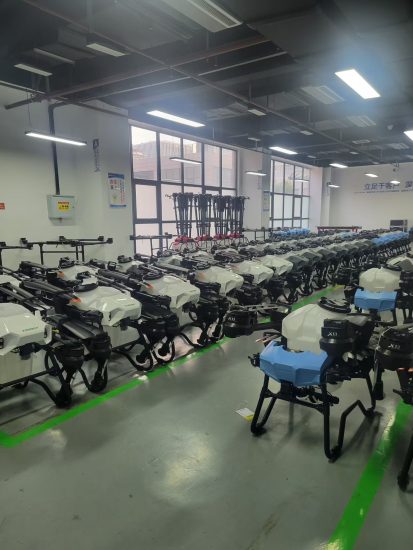
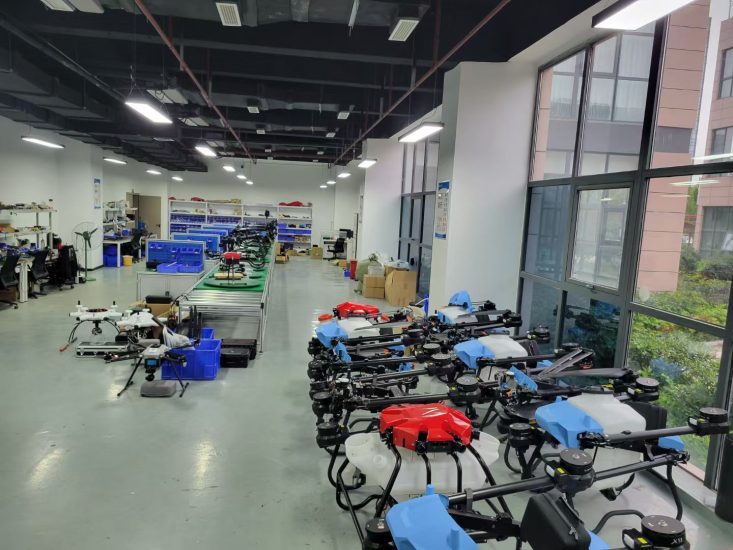
Many global distributors and agricultural businesses source drones from China because manufacturers can offer:
-
Competitive factory prices
-
OEM & ODM customization
-
CE and FCC certifications
-
Strict quality control
-
Fast production
-
Global export experience
-
Custom branding
-
Reliable spare parts supply
These advantages make China a leading supplier of agricultural spraying drones worldwide.
Frequently Asked Questions (FAQ)
1. What is the best tank size for large farms?
For medium to large commercial farms, 30L to 50L agricultural spraying drones typically offer the best balance between efficiency and operating time.
2. Can agricultural drones spray fertilizer as well as pesticides?
Yes. Most modern agricultural drones are designed to spray herbicides, pesticides, fungicides, foliar fertilizers, and other liquid crop treatments.
3. Are agricultural spraying drones easy to operate?
Yes. Most models feature autonomous flight planning, GPS navigation, one-button takeoff and landing, and intelligent route management, making them easier to operate after basic training.
4. How long does a drone battery last?
Depending on payload and operating conditions, a battery generally provides 15–30 minutes of flight time. Multiple batteries are recommended for continuous work.
5. Can I order OEM agricultural spraying drones?
Yes. Many Chinese manufacturers offer OEM and ODM services, including custom logos, colors, packaging, software, and branding for distributors worldwide.
The best agricultural spraying drone for large-scale farming combines a high-capacity tank, intelligent autonomous flight, precision spraying, reliable batteries, and durable construction. Whether you manage a commercial farm or distribute agricultural equipment, choosing a professional OEM manufacturer ensures high-quality products, competitive pricing, and dependable after-sales support. Investing in the right spraying drone can help increase productivity, reduce operating costs, and improve crop management for years to come.
THE END


No comments yet