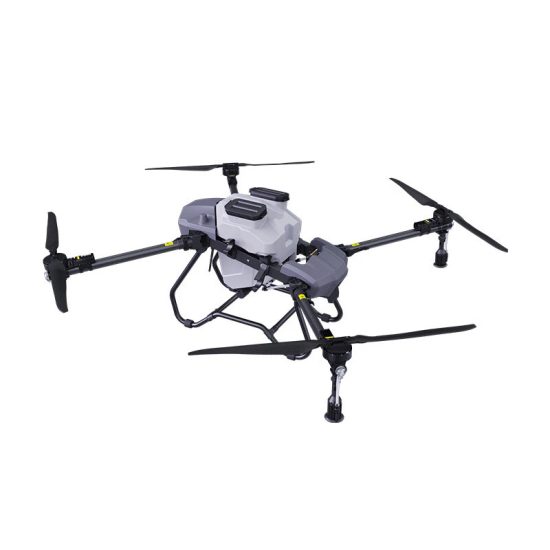


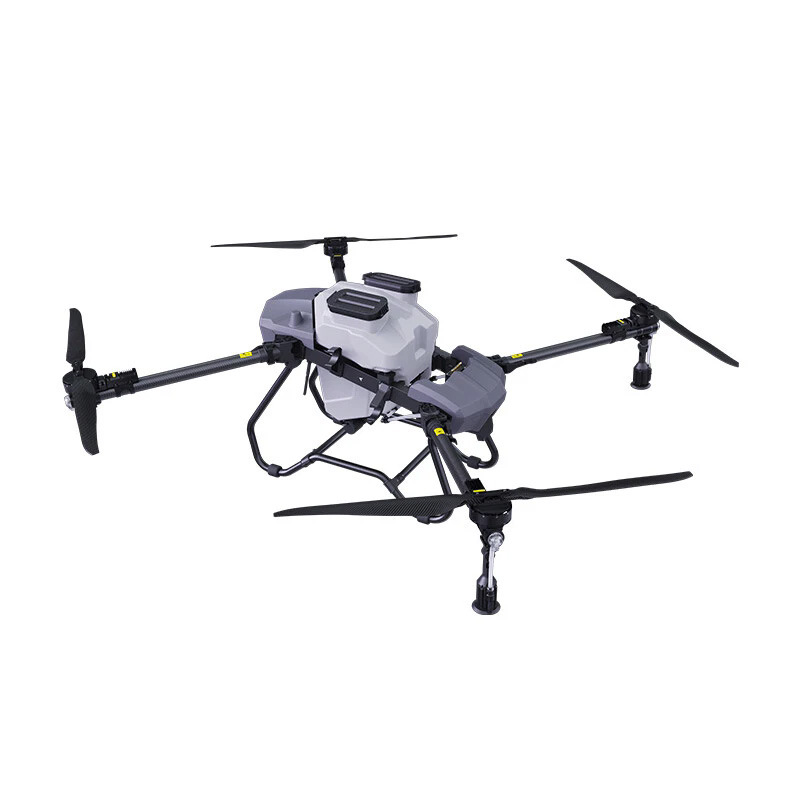


The agricultural drone market has grown rapidly in recent years, offering farmers, agricultural contractors, and distributors a wide range of options. However, not all crop spraying drones deliver the same level of performance, reliability, and return on investment.
Choosing the right professional crop spraying drone requires more than simply comparing prices. The best drone should improve spraying efficiency, reduce operating costs, and provide reliable performance under real farming conditions.
This guide explains the most important features to consider before making a purchase.
Why Choosing the Right Agricultural Drone Matters
A crop spraying drone is a long-term investment. Selecting the wrong model can result in:
- Lower spraying efficiency
- Higher maintenance costs
- Frequent downtime
- Reduced productivity
- Poor spraying quality
A professional agricultural drone should help your farm or business operate more efficiently while delivering consistent results season after season.
1. Payload Capacity
Payload capacity is one of the first specifications buyers evaluate.
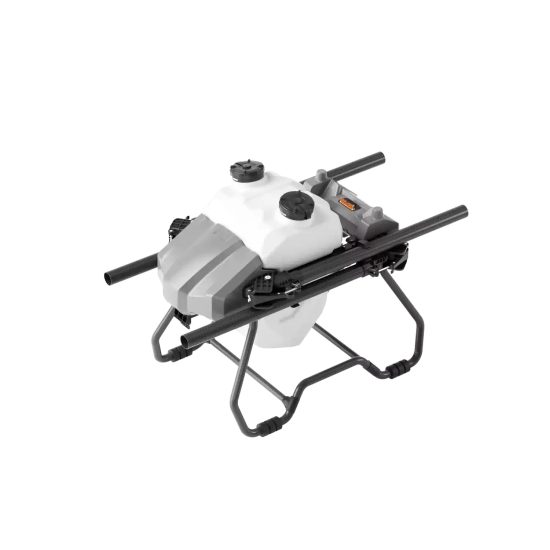
The spray tank determines how much liquid the drone can carry during each flight.
Common capacities include:
- 10L
- 20L
- 30L
- 40L
- 50L
- 70L
Which Capacity Is Best?
Small Farms:
- 10L–20L models
Medium Farms:
- 20L–40L models
Large Farms and Commercial Operations:
- 40L–70L models
Larger payloads reduce refill frequency and improve daily coverage efficiency.
2. Flight Control System
The flight controller serves as the drone’s brain.
A high-quality system provides:
- Stable flight performance
- Accurate navigation
- Reliable automatic operation
Look for features such as:
- Autonomous flight modes
- One-click takeoff and landing
- Route memory
- Automatic return-to-home
A reliable flight control system significantly reduces operator workload.
3. RTK Precision Positioning
RTK (Real-Time Kinematic) technology has become a standard feature in professional agricultural drones.
Benefits include:
- Centimeter-level accuracy
- Reduced overlap
- Fewer missed areas
- Better chemical utilization
For large-scale operations, RTK can substantially improve spraying efficiency.
4. Terrain Following Technology
Many agricultural fields are not perfectly flat.
Without terrain following, spray height may vary, causing uneven application.
Terrain-following systems use:
- Radar sensors
- Laser sensors
- Intelligent flight algorithms
Advantages include:
- Consistent spray coverage
- Better penetration
- Improved pesticide effectiveness
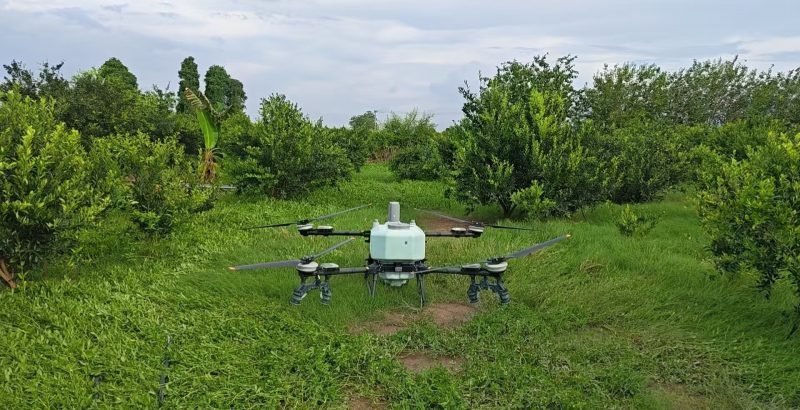
This feature is particularly valuable for orchards, hills, and uneven farmland.
5. Obstacle Avoidance System
Modern farms often contain:
- Trees
- Utility poles
- Buildings
- Irrigation equipment
Obstacle avoidance technology helps prevent collisions.
Professional drones should include:
- Forward obstacle detection
- Side obstacle sensing
- Automatic avoidance functions
This improves safety and protects equipment investment.
6. Spray System Quality
The spraying system directly affects treatment results.
Key components include:
Pumps
High-flow pumps provide:
- Stable pressure
- Consistent liquid delivery
- Better spraying performance
Nozzles
Quality nozzles improve:
- Droplet uniformity
- Spray penetration
- Chemical efficiency
Flow Control
Intelligent flow control automatically adjusts output according to flight speed.
This ensures consistent application rates across the field.
7. Battery Performance
Battery technology greatly influences productivity.
Important factors include:
- Flight time
- Charging speed
- Battery lifespan
- Power stability
Professional agricultural drones often use smart batteries with:
- Battery health monitoring
- Fast charging capability
- Safety protection systems
Efficient battery management reduces downtime during operations.
8. Frame Strength and Durability
Agricultural drones operate in demanding environments.
The frame should resist:
- Dust
- Moisture
- Corrosion
- Vibration
High-strength materials help ensure:
- Longer service life
- Lower maintenance costs
- Improved reliability
A durable frame is especially important for commercial operators who fly daily.
9. Ease of Maintenance
Maintenance requirements affect long-term ownership costs.
Look for drones with:
- Modular components
- Easy-access parts
- Quick replacement systems
This reduces repair time and keeps equipment operating efficiently.
10. Data Management and Smart Farming Functions
Advanced agricultural drones now support digital farming technologies.
Useful functions include:
- Flight records
- Field mapping
- Operation reports
- Application tracking
- Data export
These tools help farmers improve decision-making and operational management.
11. Manufacturer Support and Spare Parts Availability
A drone is only as reliable as the support behind it.
Before purchasing, consider:
- Technical support availability
- Spare parts supply
- Training services
- Warranty policies
Strong after-sales support can significantly reduce operational risks.
12. OEM and ODM Customization Options
For distributors and agricultural equipment brands, customization can be an important advantage.
OEM Services
OEM solutions may include:
- Custom logos
- Branded packaging
- Customized software interfaces
ODM Services
ODM services may include:
- New drone designs
- Specialized payload systems
- Custom hardware configurations
These options help businesses build their own agricultural drone brands.
Why Professionals Choose MSOEN Agricultural Drones
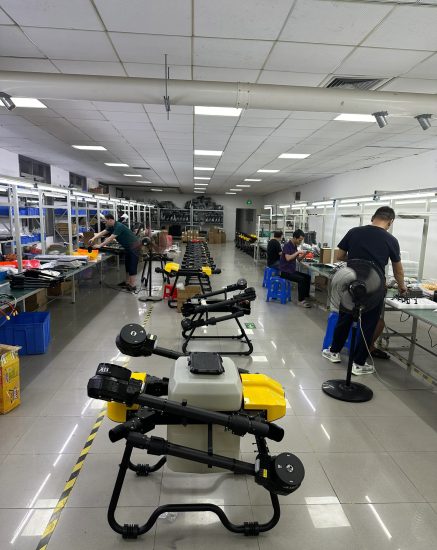
MSOEN specializes in the development and manufacturing of professional UAV solutions for global agricultural markets.
Our product range includes:
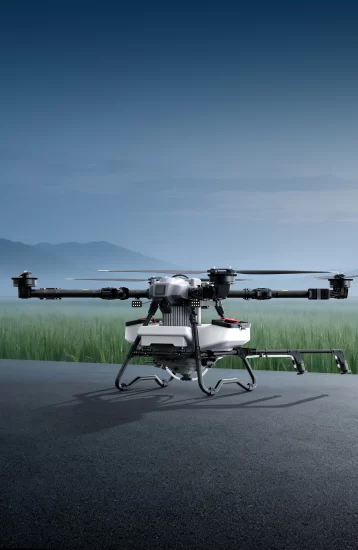
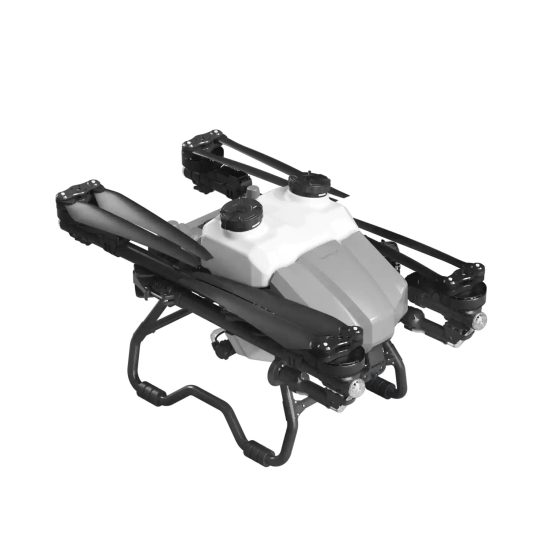
- Crop spraying drones
- Fertilizer spreading drones
- Mapping drones
- Inspection drones
- OEM drone manufacturing
- ODM drone development
Key benefits include:
- Advanced RTK technology
- Intelligent obstacle avoidance
- High-capacity payload options
- Reliable flight control systems
- Professional engineering support
- Global export experience
We work closely with farmers, distributors, agricultural cooperatives, and government projects to provide customized drone solutions that meet local operational requirements.
Common Mistakes Buyers Make
Avoid these common purchasing errors:
Buying Based Only on Price
A cheaper drone may result in higher maintenance costs and lower productivity.
Ignoring After-Sales Service
Lack of support can create costly downtime.
Choosing the Wrong Payload Capacity
Undersized drones reduce efficiency on larger farms.
Overlooking Future Expansion
Choose a platform that can support future growth and additional applications.
Conclusion
The best professional crop spraying drone is not necessarily the most expensive one. It is the drone that best matches your farm size, crop type, operational goals, and budget.
Features such as RTK positioning, terrain following, obstacle avoidance, reliable spraying systems, and strong manufacturer support should be considered essential when evaluating options.
By investing in the right agricultural drone, farmers and agricultural businesses can improve efficiency, reduce costs, and increase productivity for years to come.
FAQ
What payload size is best for commercial crop spraying?
Most commercial operators prefer 40L–70L agricultural drones because they reduce refill frequency and improve daily productivity.
Is RTK necessary for agricultural drones?
RTK is highly recommended because it improves navigation accuracy and reduces overlap during spraying operations.
Can agricultural drones be used for fertilizer spreading?
Yes. Many professional agricultural drones can be equipped with spreading systems for fertilizer, seeds, and granular materials.
How long does a professional agricultural drone last?
With proper maintenance, a high-quality agricultural drone can provide several years of reliable service.
Does MSOEN provide OEM and ODM drone manufacturing?
Yes. MSOEN offers complete OEM and ODM drone solutions, including branding, hardware customization, software development, and large-scale manufacturing support for global partners.


No comments yet