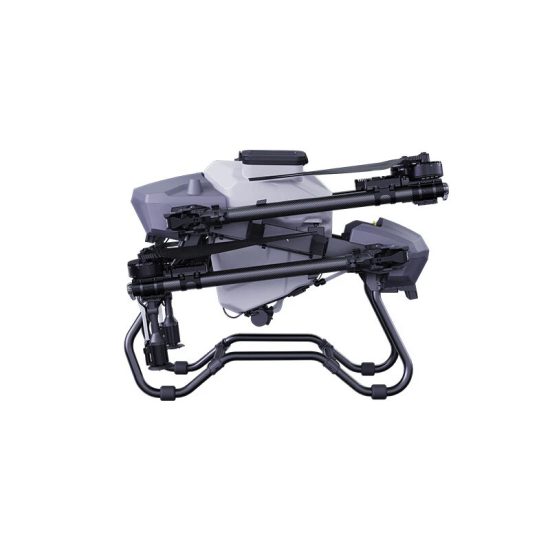


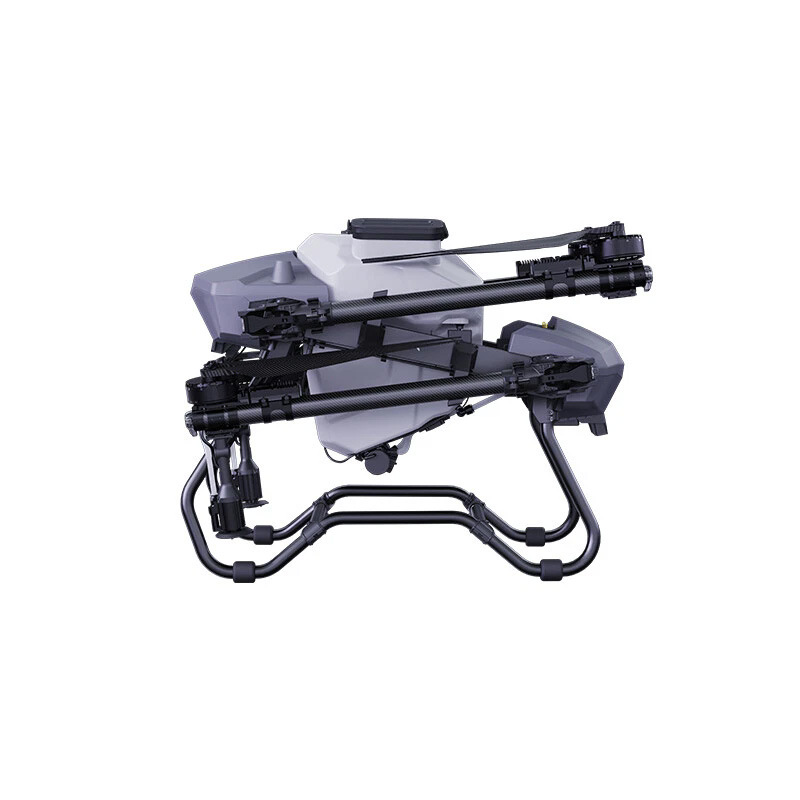
Importing drones can be a profitable business opportunity, whether you are a distributor, agricultural equipment supplier, government contractor, or drone brand owner. However, many buyers encounter delays, customs issues, or unexpected costs because they do not fully understand the certification requirements in their target market.
Before importing agricultural drones, inspection drones, mapping drones, or commercial UAVs, it is important to verify which certifications and documents are required by your country’s authorities.
This guide explains the most common drone certifications and how to prepare for a smooth import process.
Why Drone Certifications Matter
Drone certifications serve several important purposes:
- Ensure product safety
- Verify compliance with local regulations
- Facilitate customs clearance
- Reduce legal risks
- Increase customer confidence
- Support commercial operations
Without proper documentation, imported drones may face delays, additional inspections, fines, or even rejection at customs.
Common Certifications Required for Drone Imports
Certification requirements vary by country, but several standards are commonly requested worldwide.
CE Certification
CE certification is generally required for products entering many European markets.
It demonstrates compliance with applicable safety, health, and environmental requirements.
Commonly required for:
- Agricultural drones
- Inspection drones
- Mapping drones
- Commercial UAV systems
Benefits include:
- Easier customs clearance
- Improved buyer confidence
- Compliance with market regulations
FCC Certification
FCC certification is commonly required for products sold in the United States that use wireless communication technologies.
It applies to:
- Remote controllers
- Data transmission systems
- GPS modules
- Communication equipment
FCC compliance helps ensure that electronic devices do not cause harmful radio interference.
RoHS Compliance
RoHS regulations restrict the use of certain hazardous substances in electronic products.
Many markets require compliance for:
- Electronic components
- Flight controllers
- Battery systems
- Communication devices
RoHS compliance is often requested alongside CE certification.
UN38.3 Certification for Batteries
One of the most important certifications for drone shipments involves lithium batteries.
UN38.3 testing verifies the safety of lithium batteries during transportation.
It is frequently required for:
- Air freight shipments
- Sea freight shipments
- International courier services
Without proper battery certification, transportation can become difficult or impossible.
MSDS Documentation
MSDS (Material Safety Data Sheet) provides detailed information about battery materials and safe handling procedures.
Logistics companies often request MSDS documents before transporting lithium batteries internationally.
Battery Transportation Reports
Depending on the destination country and shipping method, additional battery transport documents may be required.
Examples include:
- UN38.3 reports
- Battery test reports
- Transport declarations
These documents help ensure compliance with international transportation regulations.
Import Requirements for Agricultural Drones
Agricultural drones often face additional scrutiny because they are used for commercial operations.
Some countries may require:
- Aviation authority registration
- Operator licensing
- Flight permission applications
- Agricultural spraying approvals
- Remote identification compliance
Requirements differ significantly between regions.
Import Requirements for Commercial Inspection Drones
Inspection drones used in industries such as:
- Power utilities
- Mining
- Oil and gas
- Construction
may require compliance with additional technical standards depending on the application.
Government projects may also request specific testing or certification documentation during procurement.
Documents Commonly Requested by Customs
Before importing drones, buyers should prepare the following:
Commercial Invoice
Includes:
- Product description
- Quantity
- Unit price
- Total value
Packing List
Provides shipping and packaging details.
Bill of Lading or Air Waybill
Issued by the carrier for transportation.
Certificate of Origin
Confirms the manufacturing country.
Product Certifications
May include:
- CE
- FCC
- RoHS
- UN38.3
- Other market-specific certificates
Battery Reports
Often required when shipping lithium batteries.
How to Avoid Customs Delays
Many import issues can be prevented with proper preparation.
Verify Requirements Before Ordering
Check local regulations before production begins.
Work with Experienced Manufacturers
Manufacturers with export experience can help prepare required documents.
Confirm Battery Shipping Requirements
Battery documentation is one of the most common causes of shipping delays.
Use Professional Logistics Partners
Experienced freight forwarders understand local customs requirements and can reduce clearance risks.
OEM and ODM Certification Considerations
If you are developing a private-label drone through OEM or ODM manufacturing, additional certification work may be necessary.
Changes involving:
- Wireless systems
- Flight controllers
- Battery systems
- Communication modules
can affect certification requirements.
Early planning helps avoid costly delays later in the project.
Why Choose MSOEN as Your Drone Manufacturing Partner
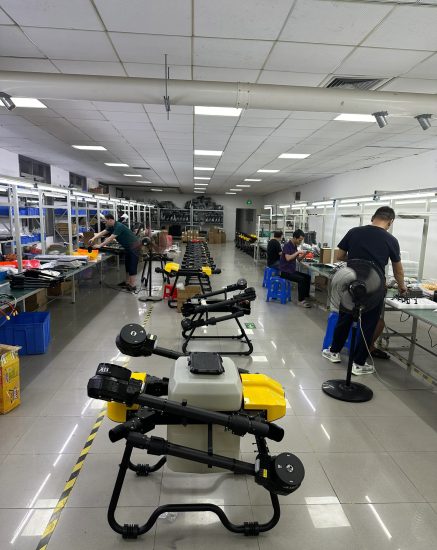
MSOEN specializes in manufacturing and exporting professional drone solutions worldwide.
Our products include:
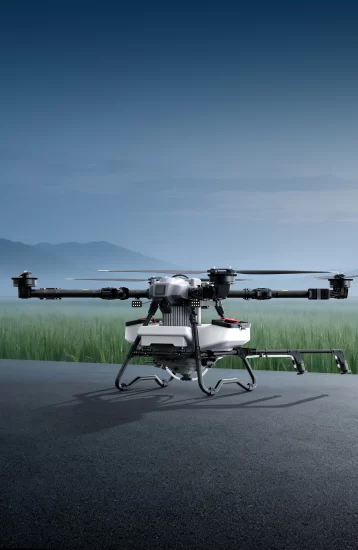
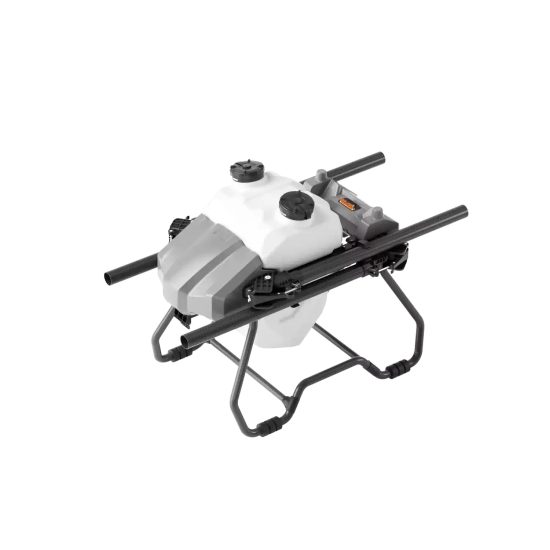
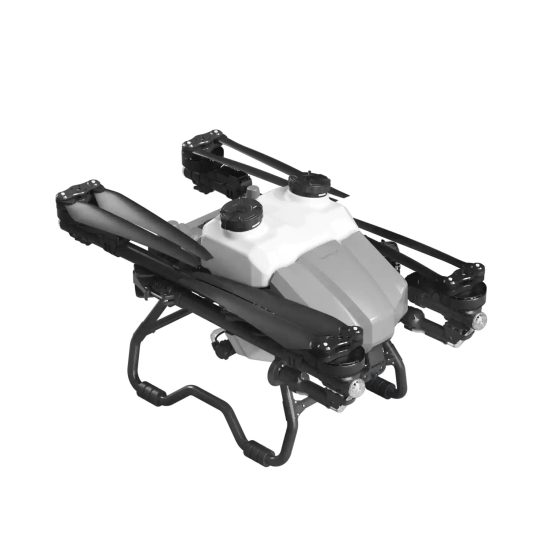
- Agricultural spraying drones
- Mapping drones
- Survey drones
- Industrial inspection drones
- Custom OEM and ODM drone solutions
Export support includes:
- Certification assistance
- Documentation preparation
- Battery transportation support
- Global logistics coordination
- Technical consultation
Our experienced team helps buyers navigate international drone import requirements more efficiently.
Request a Drone Import Consultation
Not sure what certifications are required in your market?
MSOEN can help you evaluate certification and documentation requirements based on your destination country and product type.
Contact our team today to receive:
- Product catalog
- Certification information
- OEM/ODM consultation
- Shipping recommendations
- Factory-direct quotation
FAQ
Do all countries require CE certification for drones?
No. Certification requirements vary by country. CE certification is commonly required in many European markets but may not apply elsewhere.
Why is UN38.3 important for drone batteries?
UN38.3 certification verifies lithium battery transportation safety and is frequently required for international shipping.
Can drones be shipped by air with lithium batteries?
Yes, but specific battery transportation regulations and documentation requirements must be followed.
Are agricultural drones subject to additional regulations?
In many countries, agricultural drones used for spraying operations may require registration, operator licensing, or operational approvals.
Does MSOEN provide certification support for drone imports?
Yes. MSOEN assists customers with export documentation, certification information, battery transportation paperwork, and international logistics support.


No comments yet