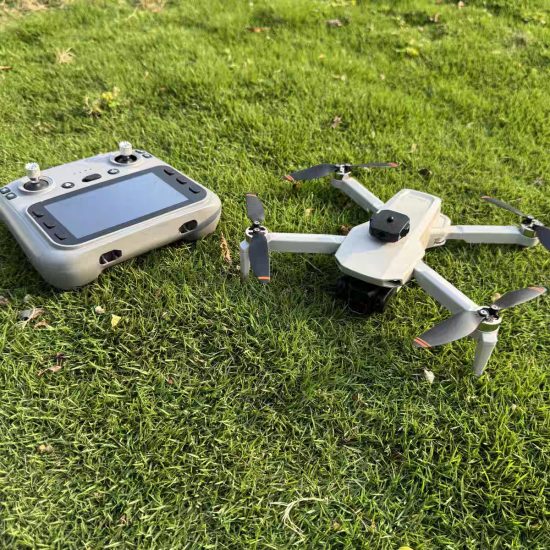


![Image [1]-Top Professional Camera Drones for Stunning Aerial Shots-msoen](https://www.msoen.com/wp-content/uploads/2026/01/07f826db4b194838-1024x1024.jpg)
![Image [2]-Top Professional Camera Drones for Stunning Aerial Shots-msoen](https://www.msoen.com/wp-content/uploads/2026/01/3c01e792fe194838-768x1024.jpg)
![Image [3]-Top Professional Camera Drones for Stunning Aerial Shots-msoen](https://www.msoen.com/wp-content/uploads/2026/01/5ced0788d4195152-768x1024.jpg)
![Image [4]-Top Professional Camera Drones for Stunning Aerial Shots-msoen](https://www.msoen.com/wp-content/uploads/2026/01/2eda0d55c5195152-768x1024.jpg)
![Image [5]-Top Professional Camera Drones for Stunning Aerial Shots-msoen](https://www.msoen.com/wp-content/uploads/2026/01/b0b3024095195152-768x1024.jpg)
If you’ve ever seen a breathtaking aerial photo and wondered how it was captured, the answer is almost always the same: a well-chosen professional camera drone.
Professional drones are not just about flying higher or faster. They are about image quality, stability, control, and consistency. Whether you are shooting landscapes, weddings, real estate, or commercial content, the right drone can completely change the way your work looks—and how clients perceive it.
In this guide, we’ll walk through what truly makes a drone “professional,” what features matter most, and how to choose the right one for your creative goals.
What Makes a Drone Truly Professional?
Many drones on the market are labeled “professional,” but only a few actually deserve that title.
A real professional camera drone should deliver:
- Consistent image quality in all lighting conditions
- Rock-solid flight stability
- Advanced camera control
- High-end stabilization
- Reliable transmission
- Intelligent safety systems
It’s not just about specs on a product page. It’s about how the drone performs when you’re on a real shoot, under real pressure.
Image Quality Comes First
The camera is the heart of any professional drone.
Sensor Size Matters
Resolution is important, but sensor size is even more critical. Larger sensors capture more light, produce less noise, and offer better dynamic range.
For professional use, look for:
- 1-inch sensors or larger
- Strong low-light performance
- Natural color reproduction
A larger sensor gives your photos depth, detail, and flexibility in post-processing.
RAW Photo Support
Professionals don’t shoot JPEGs. They shoot RAW.
RAW files preserve far more data, allowing you to adjust exposure, shadows, highlights, and colors without damaging image quality. If a drone doesn’t support RAW, it’s not truly professional.
Stability Is Everything
Even the best camera is useless if the footage is shaky.
That’s why professional drones rely on advanced stabilization systems.
3-Axis Gimbal
A 3-axis gimbal compensates for movement in all directions, keeping your footage smooth even in windy conditions. This is essential for cinematic shots and long-exposure photography.
Wind Resistance
Professional drones are heavier, more aerodynamic, and better balanced. This allows them to stay stable in moderate wind, which is crucial for outdoor shoots.
Flight Time and Reliability
When you’re working professionally, interruptions cost money.
You don’t want to land every 12 minutes to swap batteries.
Look for drones with:
- 30+ minutes of real-world flight time
- Stable hovering
- Accurate GPS positioning
- Smart return-to-home systems
Consistency matters more than peak performance.
Intelligent Features That Actually Help
Professional drones use intelligent systems not as gimmicks, but as tools.
Useful features include:
- Subject tracking
- Waypoint navigation
- Orbit mode
- Panorama stitching
- Precision landing
These tools save time and reduce the chance of mistakes.
Safety Is Not Optional
Crashes are expensive.
Professional drones include advanced safety systems such as:
- Multi-direction obstacle detection
- Automatic braking
- Return-to-home failsafes
- Low-battery landing protection
These features protect both your equipment and your reputation.
Choosing the Right Drone for Your Work
Not all professionals need the same type of drone.
Landscape & Travel Photographers
You need:
- Lightweight design
- Strong stabilization
- High dynamic range
- Foldable body
Portability matters when you’re moving often.
Real Estate Photographers
You need:
- Ultra-stable hovering
- Wide-angle lens
- Waypoint precision
- Consistent color output
Clients expect smooth, professional footage every time.
Wedding & Event Shooters
You need:
- Quiet flight
- Reliable subject tracking
- Fast setup
- Excellent low-light performance
Moments can’t be repeated.
Commercial & Cinematic Use
This is where premium brands like msoen professional camera drones are built to perform—offering advanced stabilization, large sensors, and extended flight endurance designed for demanding professional workflows.
How Much Should You Spend?
Here’s a realistic breakdown:
| Level | Price Range | Who It’s For |
|---|---|---|
| Entry | $300–$600 | Beginners |
| Mid-range | $600–$1,200 | Enthusiasts |
| Advanced | $1,200–$2,500 | Semi-pros |
| Professional | $2,500+ | Commercial use |
Buying cheap usually means replacing sooner.
Common Buying Mistakes
Many people regret their purchase because they focus on the wrong things.
Avoid these mistakes:
❌ Choosing based only on resolution
❌ Ignoring sensor size
❌ Underestimating stabilization
❌ Overlooking safety features
❌ Buying without considering your use case
A professional drone is a tool, not a toy.
How to Get the Best Results from Your Drone
Even the best drone needs the right technique.
- Shoot during golden hour
- Use manual exposure
- Always shoot RAW
- Plan your shots before flying
- Keep spare batteries warm
Preparation makes all the difference.
Final Thoughts
A professional camera drone is more than a flying camera—it’s a creative partner.
When chosen correctly, it allows you to capture scenes that were once impossible, giving your work a new dimension and a stronger emotional impact.
Whether you’re shooting for yourself or for clients, investing in the right drone is one of the smartest decisions you can make as a visual creator.



No comments yet