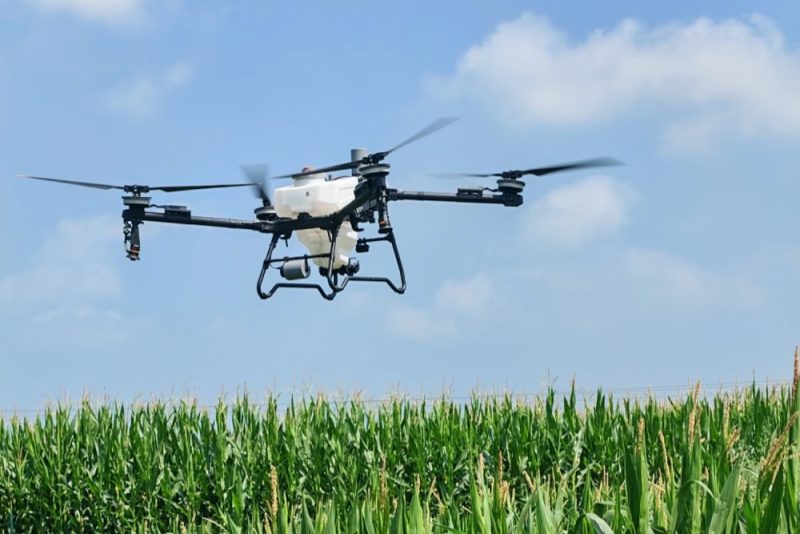




Modern agriculture is facing increasing challenges, including labor shortages, rising operating costs, stricter environmental regulations, and the need to improve crop yields. As a result, more farmers around the world are replacing traditional spraying methods with smart crop spraying drones.
Agricultural spraying drones have become an essential tool for precision farming. They enable faster, safer, and more accurate pesticide and fertilizer applications while reducing overall production costs. Whether you manage a small family farm or a large commercial operation, investing in smart spraying drone technology can significantly improve productivity.
What Is a Smart Crop Spraying Drone?
A smart crop spraying drone is an unmanned aerial vehicle (UAV) designed to apply pesticides, herbicides, fungicides, fertilizers, and other crop protection products with high precision. Equipped with GPS navigation, intelligent flight control, automatic route planning, and adjustable spraying systems, these drones help farmers achieve consistent and efficient field coverage.
Benefits of Smart Crop Spraying Drones
1. Increase Spraying Efficiency
Compared with manual spraying, drones can cover large agricultural fields much faster. Automated flight routes reduce overlap and missed areas, allowing operators to complete more work in less time.
2. Reduce Labor Costs
Finding experienced agricultural workers is becoming increasingly difficult in many countries. A single drone operator can complete spraying tasks that previously required multiple workers, helping farms reduce labor expenses.
3. Improve Spray Accuracy
Advanced flight control systems maintain stable altitude and speed, ensuring even droplet distribution across crops. This improves pest and disease control while reducing chemical waste.
4. Save Pesticides and Water
Precision spraying minimizes overspray and drift, reducing the amount of chemicals required. This lowers operating costs and supports more sustainable farming practices.
5. Protect Operator Safety
Traditional spraying exposes workers to pesticides for long periods. Drone spraying allows operators to remain at a safe distance, reducing direct contact with agricultural chemicals.
6. Work in Difficult Terrain
Smart agricultural drones can easily operate in:
-
Rice fields
-
Tea plantations
-
Vineyards
-
Orchards
-
Mountain farms
-
Vegetable fields
-
Wetlands
-
Terraced farmland
These areas are often difficult for tractors or ground sprayers to access.
Key Features to Look For
When selecting a smart crop spraying drone, consider these important features:
-
High-precision GPS positioning
-
Intelligent flight planning
-
Automatic obstacle avoidance
-
Terrain following technology
-
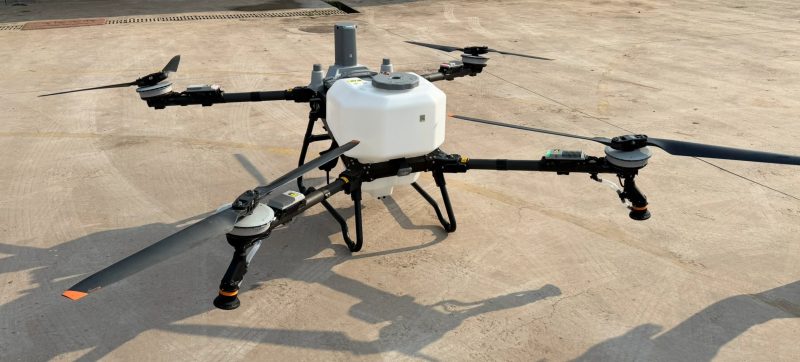
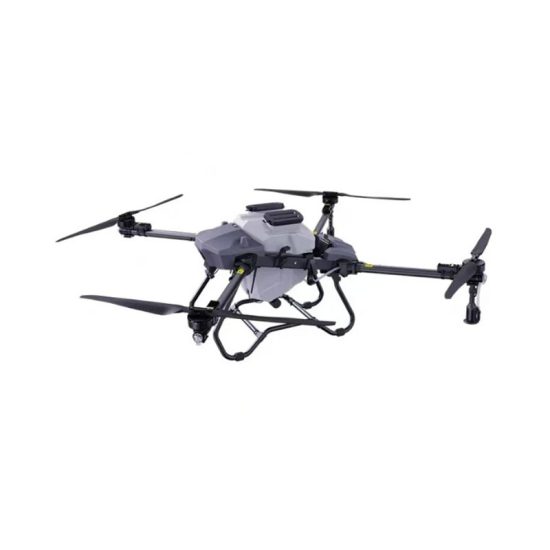
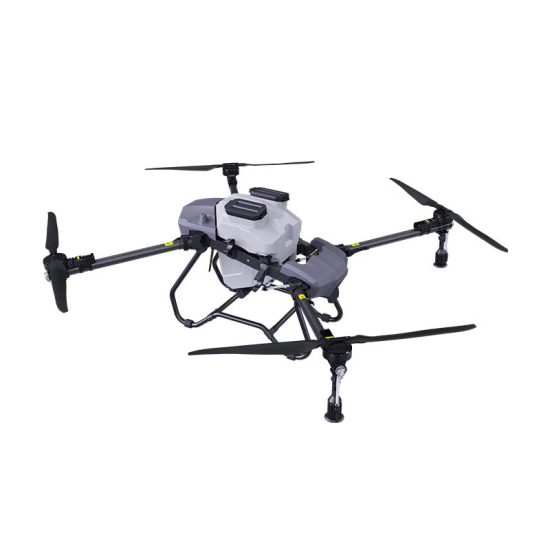
Foldable carbon fiber frame
-
High-capacity intelligent batteries
-
Adjustable spraying flow rate
-
Multi-nozzle spraying system
-
Real-time flight monitoring
-
Easy maintenance
These features improve productivity while reducing downtime.
Choosing the Right Agricultural Spraying Drone Manufacturer
Working directly with an experienced manufacturer provides several advantages:
-
Factory-direct pricing
-
OEM and ODM customization
-
Stable product quality
-
Professional technical support
-
Spare parts availability
-
Fast production and delivery
-
Software updates
-
Long-term after-sales service
Choosing the right manufacturer is just as important as selecting the right drone model.
Applications
Smart crop spraying drones are widely used for:
-
Wheat
-
Rice
-
Corn
-
Cotton
-
Soybeans
-
Coffee plantations
-
Tea gardens
-
Vineyards
-
Fruit orchards
-
Citrus farms
-
Sugarcane
-
Forestry pest control
Their versatility makes them suitable for a wide range of agricultural operations.
Future of Precision Agriculture
As artificial intelligence, GPS navigation, and automation continue to improve, smart spraying drones are becoming more intelligent and efficient. Features such as autonomous route planning, variable-rate spraying, and data collection are helping farmers make better management decisions while increasing crop productivity.
For distributors and agricultural service providers, offering advanced spraying drone solutions is also becoming an important business opportunity in the global agriculture market.
FAQ
What crops can crop spraying drones be used for?
Crop spraying drones are suitable for rice, wheat, corn, cotton, soybeans, vegetables, orchards, vineyards, tea plantations, coffee farms, sugarcane, and many other crops.
Are spraying drones difficult to operate?
No. Most modern agricultural drones feature automatic flight planning, one-button takeoff and landing, GPS navigation, and intelligent spraying systems, making them easy to learn with proper training.
How much farmland can a spraying drone cover in one day?
Coverage depends on the drone model, payload capacity, battery performance, and field conditions. Commercial agricultural drones can typically spray dozens to hundreds of hectares per day under suitable operating conditions.
Can agricultural spraying drones spray liquid fertilizer?
Yes. Many smart crop spraying drones support the application of pesticides, herbicides, fungicides, foliar fertilizers, liquid nutrients, and other crop protection products, depending on the spraying system and local regulations.
Why should I buy directly from a manufacturer?
Buying directly from an agricultural spraying drone manufacturer provides better pricing, OEM customization, reliable quality control, technical support, spare parts supply, and long-term after-sales service.
How do I choose the right spraying drone for my farm?
Consider your farm size, crop type, terrain, daily spraying requirements, payload capacity, battery system, and after-sales support. An experienced manufacturer can recommend the most suitable solution based on your specific needs.
THE END



No comments yet