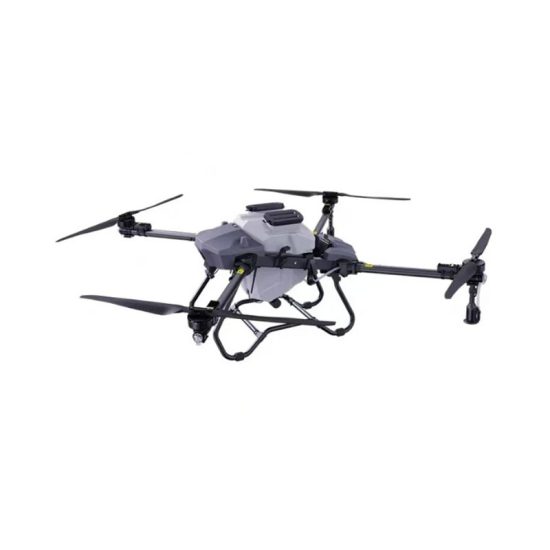


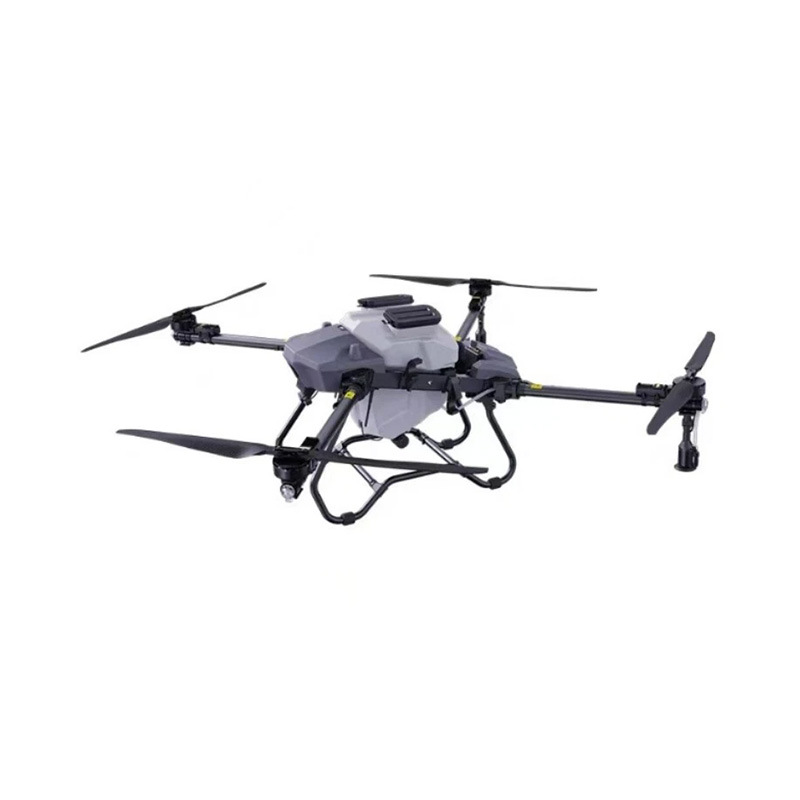
Uneven spraying is one of the most common challenges faced by farmers and agricultural drone operators. Poor spray coverage can lead to ineffective pest control, wasted chemicals, increased operating costs, and lower crop yields. Understanding the reasons behind uneven spraying can help maximize efficiency and ensure better field performance.
What Causes Uneven Spraying in Agricultural Drones?
Several factors can affect spray uniformity. Identifying the source of the problem is the first step toward improving spraying results.
1. Blocked or Worn Nozzles
Nozzles are critical components that determine droplet size and spray distribution. Over time, chemical residue or impurities in the liquid can block the nozzles.
Solutions:
- Inspect nozzles before each flight.
- Clean filters regularly.
- Replace worn or damaged nozzles.
- Use clean water when mixing chemicals.
2. Incorrect Flight Height
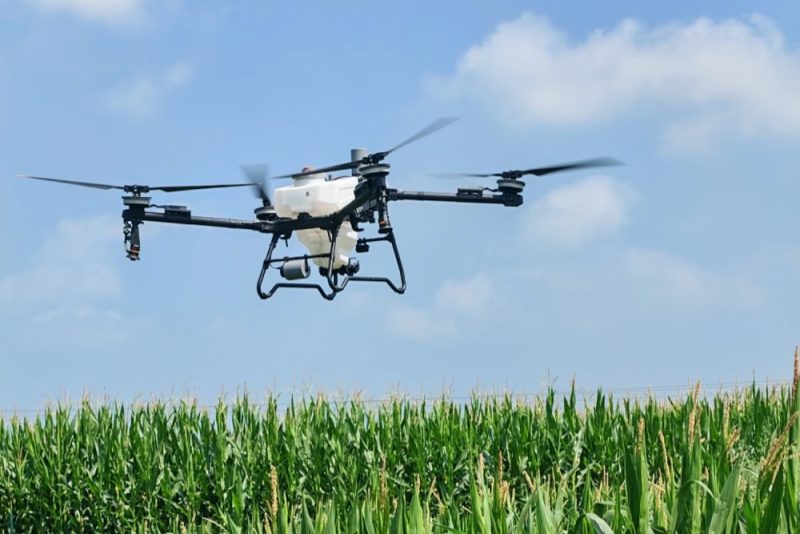
Flying too high may cause drift, while flying too low can result in uneven overlap between spray paths.
Recommended flight height:
- 2–4 meters above the crop canopy for most applications.
- Adjust height according to crop type and terrain conditions.
Maintaining a consistent altitude helps achieve better coverage and reduces chemical waste.
3. Excessive Flight Speed
If the drone flies too fast, the spray system may not deliver enough liquid per unit area.
Solutions:
- Reduce flight speed according to application requirements.
- Match speed with flow rate settings.
- Use automatic terrain-following functions when available.
Proper speed ensures each plant receives the required amount of pesticide or fertilizer.
4. Inconsistent Pump Pressure
A malfunctioning pump or unstable pressure can cause some nozzles to spray more liquid than others.
Check the following:
- Pump condition.
- Pressure sensors.
- Hoses and liquid pipelines.
- Electrical connections.
Regular maintenance helps maintain consistent spray output.
5. Strong Wind Conditions
Wind is one of the biggest enemies of spraying accuracy. Crosswinds can carry droplets away from the target area.
Best practices:
- Operate during early morning or late afternoon.
- Avoid spraying when wind speed exceeds 5 m/s.
- Select appropriate droplet sizes to reduce drift.
6. Improper Calibration
Incorrect flow settings can lead to over-application or under-application.
Before operation:
- Calibrate the spray system.
- Verify flow rates.
- Test spray patterns.
- Adjust settings according to crop requirements.
Regular calibration improves accuracy and saves chemical costs.
How to Improve Spray Uniformity
Modern agricultural drones equipped with advanced technologies can significantly improve spraying quality.
Important features include:
- Centrifugal atomization systems.
- Automatic flow control.
- Terrain-following radar.
- RTK positioning.
- Intelligent route planning.
- Adjustable droplet size.
- Multi-nozzle spraying systems.
These features help ensure precise and efficient crop protection.
Why Choose a Multi-Function Agricultural Drone?
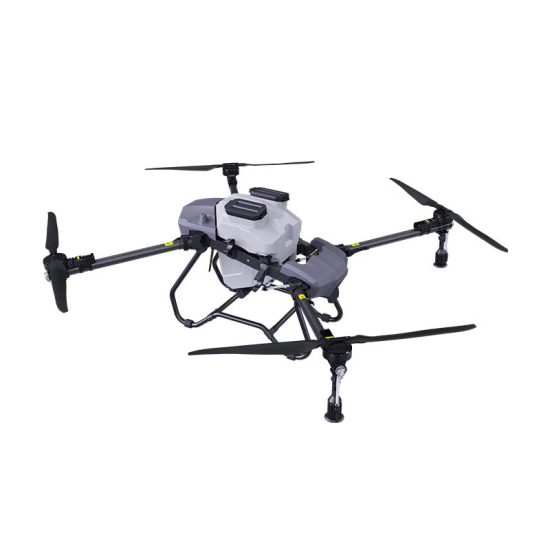
Today’s agricultural drones are capable of:
- Pesticide spraying.
- Fertilizer spreading.
- Seed broadcasting.
- Field mapping and monitoring.
With high efficiency and reduced labor requirements, agricultural drones can help farmers increase productivity and lower operational costs.
Looking for Reliable Agricultural Drone Solutions?
Whether you are a farm owner, distributor, or agricultural service provider, choosing the right drone can greatly improve spraying performance and crop management efficiency.
We provide:
- High-capacity agricultural drones.
- Spraying and spreading functions.
- OEM and ODM customization.
- Technical support and spare parts.
- Training and after-sales service.
Contact us today to discuss your farm requirements and receive professional recommendations for your agricultural drone projects.
FAQ
Why is my agricultural drone spraying unevenly?
Common causes include blocked nozzles, incorrect flight height, excessive speed, unstable pressure, strong winds, and poor calibration.
What is the ideal flight height for spraying?
Most crops achieve good coverage when the drone flies 2–4 meters above the crop canopy.
How can I prevent nozzle blockage?
Clean the spray system regularly, use filtered chemicals, and replace worn nozzles when necessary.
Does wind affect spray performance?
Yes. Strong winds can cause drift and reduce coverage. Spraying during calm weather provides better results.
Can agricultural drones be used for spreading fertilizer?
Yes. Many modern agricultural drones support both spraying and fertilizer spreading, allowing one machine to perform multiple tasks.
Do you support OEM and custom agricultural drones?
Yes. OEM and ODM services are available for distributors, dealers, and agricultural projects worldwide.



No comments yet