

![Image [1]-The Ultimate Guide to Aerial Photography Drones: Capturing Stunning Views from Above-msoen](https://www.msoen.com/wp-content/uploads/2026/01/205cf97c91195220-838x1024.jpg)
![Image [2]-The Ultimate Guide to Aerial Photography Drones: Capturing Stunning Views from Above-msoen](https://www.msoen.com/wp-content/uploads/2026/01/76933d8539195152-768x1024.jpg)
![Image [3]-The Ultimate Guide to Aerial Photography Drones: Capturing Stunning Views from Above-msoen](https://www.msoen.com/wp-content/uploads/2026/01/32d0b8fbf8195220-768x1024.jpg)
![Image [4]-The Ultimate Guide to Aerial Photography Drones: Capturing Stunning Views from Above-msoen](https://www.msoen.com/wp-content/uploads/2026/01/2eda0d55c5195152-768x1024.jpg)
![Image [5]-The Ultimate Guide to Aerial Photography Drones: Capturing Stunning Views from Above-msoen](https://www.msoen.com/wp-content/uploads/2026/01/cf212fb489195220-768x1024.jpg)
![Image [6]-The Ultimate Guide to Aerial Photography Drones: Capturing Stunning Views from Above-msoen](https://www.msoen.com/wp-content/uploads/2026/01/b0b3024095195152-768x1024.jpg)
Short Description (for snippet / text box):
⭐ Discover the best aerial photography drones in 2026. Capture breathtaking landscapes, cinematic videos, and professional photos with advanced drones. Check prices and ratings here.
Introduction
In recent years, aerial photography drones have become essential tools for photographers, filmmakers, and content creators around the world. With high-resolution cameras, intelligent flight modes, and advanced stabilization systems, drones allow users to capture unique perspectives from the sky that were once only possible with helicopters or cranes.
From travel vloggers documenting landscapes to real estate agents marketing properties, aerial drones provide unparalleled versatility. Investing in the right drone can significantly enhance your photography, making it more efficient, professional, and creative.
Why Aerial Drones Are Essential for Photography
- High-Resolution Imaging
Modern drones are equipped with cameras capable of capturing 4K, 6K, or even 8K video. Many support RAW image format, HDR photography, and panoramic shooting, giving photographers professional-grade quality. - Advanced Stabilization
Camera shake is a major challenge in aerial photography. Most drones now feature 3-axis or 5-axis gimbals that keep the camera stable even during windy conditions or complex maneuvers, ensuring smooth and sharp footage. - Intelligent Flight Modes
Features like Follow Me, Orbit, Waypoint Navigation, and ActiveTrack make it easy to capture dynamic shots without advanced piloting skills. These automated modes allow even beginners to produce cinematic videos. - Long Flight Time and Extended Range
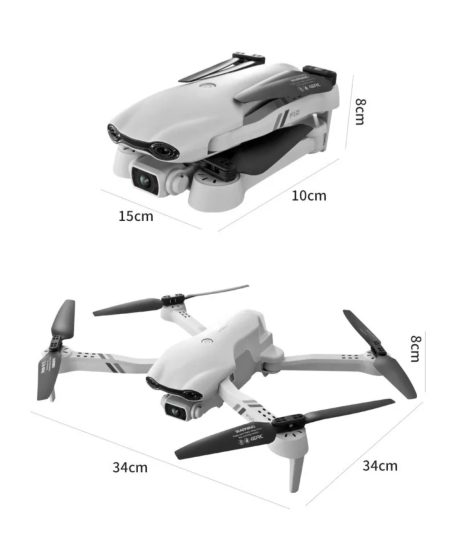
High-end drones can fly 35–50 minutes on a single battery, covering large areas efficiently. Long-range transmission systems provide real-time HD video feed up to 10 km or more, making them ideal for professional shoots. - Portability and Ease of Use
Foldable and lightweight drone models make transportation convenient for travel photographers and outdoor enthusiasts. Many drones also offer automated takeoff, landing, and return-to-home features, simplifying operation.
Top Aerial Photography Drones in 2026
| Drone Model | Features | Price | ⭐ Rating |
|---|---|---|---|
| MSOEN SkyCapture Pro | 4K camera, 3-axis gimbal, 35 min flight | $1,800 | ⭐⭐⭐⭐⭐ |
| MSOEN AirVision X2 | 6K camera, obstacle avoidance, intelligent modes | $2,500 | ⭐⭐⭐⭐ |
| MSOEN PhantomEye 3000 | 4K HDR, long battery life, foldable design | $1,300 | ⭐⭐⭐⭐ |
| MSOEN AeroMaster 500 | 8K cinematic video, obstacle sensing, GPS tracking | $3,200 | ⭐⭐⭐⭐⭐ |
Note: Prices are indicative and may vary by region.
Choosing the Right Aerial Drone
- Camera Quality – Choose drones with at least 4K resolution and RAW support for professional work.
- Stability – A 3-axis gimbal is standard; 5-axis gimbals are better for cinematic projects.
- Flight Duration & Range – Consider drones with longer battery life and extended transmission for large-scale shoots.
- Intelligent Features – Follow Me, Orbit, and Waypoint modes make complex shots easier.
- Portability – Foldable drones are convenient for travel photography.
Applications of Aerial Drones
- Film and Media Production
Professional filmmakers rely on drones for sweeping aerial shots, dynamic tracking, and panoramic sequences, achieving cinematic visuals without helicopters. - Real Estate Photography
Drones capture properties from above, offering buyers a comprehensive view of the estate and surrounding landscapes. - Travel and Adventure Content
Vloggers and photographers use drones to document mountains, beaches, forests, and urban skylines, creating content with unique perspectives. - Event Coverage
Drones provide a bird’s-eye view for weddings, sports events, concerts, and festivals, capturing moments traditional cameras cannot. - Surveying and Mapping
High-resolution drones help survey land, map terrains, and monitor construction sites efficiently and safely.
Tips for Beginners in Aerial Photography
- Learn Local Drone Laws – Understand restrictions, no-fly zones, and registration requirements.
- Practice in Open Areas – Start flying in open spaces to master controls safely.
- Plan Shots in Advance – Predefine flight paths and camera angles for efficient shoots.
- Use Filters – ND filters help control light exposure for cinematic video.
- Check Weather and Battery – Avoid flying in strong winds or rain; always have spare batteries.
User Testimonials
- ⭐⭐⭐⭐⭐ “SkyCapture Pro gave me flawless aerial shots for my travel vlog. Highly recommended!” – Emily R., USA
- ⭐⭐⭐⭐ “AirVision X2’s intelligent flight modes made filming landscapes incredibly easy.” – Hiroshi K., Japan
- ⭐⭐⭐⭐⭐ “PhantomEye 3000 is compact yet powerful. Perfect for adventure trips.” – Li Wei, China
- ⭐⭐⭐⭐ “AeroMaster 500 delivers amazing 8K video quality. Worth every dollar.” – Ahmed M., Egypt
- ⭐⭐⭐⭐⭐ “Using drones transformed the way I shoot real estate properties.” – Sophie L., France
Conclusion
Aerial photography drones have transformed modern photography. With features like high-resolution cameras, intelligent flight modes, and stable gimbals, they provide unique perspectives that were once impossible. Choosing the right drone depends on your purpose, budget, and desired image quality.
Investing in drones like the MSOEN SkyCapture Pro or AeroMaster 500 can elevate your photography skills, streamline workflow, and unlock new creative possibilities. Whether for film, travel, real estate, or personal projects, drones are now indispensable tools for capturing the world from above.



No comments yet