



Agriculture is experiencing a major technological transformation. Farmers around the world are looking for smarter ways to improve crop protection, reduce operating costs, and increase productivity. Traditional pesticide application methods often require large amounts of labor and may lead to uneven spraying results.
Spraying drones have become an innovative solution for modern farming. With intelligent flight systems, precision spraying technology, and automated operation capabilities, agricultural drones help farmers manage crops more efficiently.
This complete guide explains how spraying drones work, their benefits, applications, and how they can improve modern farm management.
What Is a Spraying Drone?
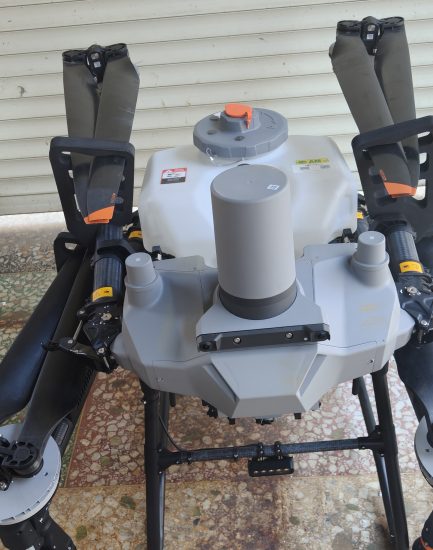
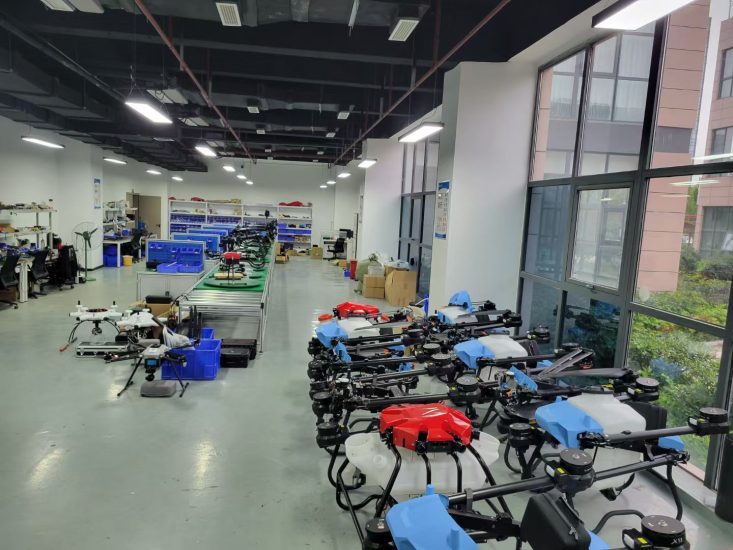
A spraying drone is an agricultural unmanned aerial vehicle designed to spray pesticides, fertilizers, herbicides, and other liquid agricultural products over farmland.
Unlike traditional spraying equipment, drones can fly above crops and apply liquids with high accuracy. They can operate in areas that are difficult for traditional machinery to reach, making them suitable for various farming environments.
A modern spraying drone usually includes:
-
Intelligent flight controller
-
GPS positioning system
-
Precision spray nozzles
-
Large-capacity liquid tank
-
High-performance battery system
-
Remote control system
-
Automatic route planning
These technologies allow farmers to perform crop protection operations faster and more efficiently.
How Do Agricultural Spraying Drones Work?
1. Field Planning
Before spraying, operators create a flight route based on:
-
Field size
-
Crop type
-
Spraying requirements
-
Environmental conditions
The drone system can automatically plan efficient flight paths to cover the entire farming area.
2. Precision Liquid Spraying
During operation, the drone flies at a controlled height while spraying pesticides or fertilizers through specialized nozzles.
The system can adjust:
-
Spray volume
-
Flight speed
-
Coverage area
-
Liquid flow rate
This helps achieve more uniform application.
3. Data-Based Farm Management
Advanced agricultural drones can collect operation data, helping farmers analyze:
-
Spraying records
-
Field conditions
-
Crop management results
-
Future agricultural plans
This supports smarter decision-making.
Benefits of Using Spraying Drones for Crop Protection
1. Improve Spraying Efficiency
Large farms often require quick crop protection solutions. Spraying drones can cover large areas in a short time, helping farmers complete operations during important agricultural periods.
Advantages include:
-
Faster spraying speed
-
Reduced preparation time
-
Better field accessibility
-
Higher daily operation capacity
2. Reduce Labor Costs
Agricultural labor shortages are becoming a challenge in many countries.
Spraying drones reduce the need for manual spraying work and allow fewer operators to manage larger farming areas.
This helps farmers lower labor expenses and improve operational efficiency.
3. Increase Spraying Accuracy
Traditional spraying methods may cause uneven pesticide distribution.
Precision spraying drones provide:
-
Accurate liquid control
-
Uniform coverage
-
Reduced chemical waste
-
Better crop protection performance
Farmers can apply the right amount of agricultural products according to crop requirements.
4. Protect the Environment
Efficient spraying technology helps reduce excessive pesticide usage.
By controlling spray volume and coverage, drones can help:
-
Reduce chemical consumption
-
Minimize environmental impact
-
Support sustainable farming practices
Applications of Spraying Drones in Agriculture
Rice Crop Protection
Rice farming often requires regular pest and disease management. Spraying drones can operate efficiently in wet fields without damaging crops.
Fruit Orchard Management
Fruit trees can be challenging to spray using traditional equipment. Drones can fly above orchards and provide better coverage for tall plants.
Grain Farming
Large wheat, corn, and soybean farms benefit from drones because they can quickly complete crop protection tasks across extensive areas.
Vegetable Production
Vegetable growers can use drones for precise pesticide and fertilizer applications to maintain crop quality.
Using Spraying Drones for Smart Farm Management
Modern farming is moving from traditional methods toward data-driven agriculture.
Spraying drones support smart farm management by providing:
Automated Operations
Farmers can create flight plans and allow drones to complete spraying tasks automatically.
Better Resource Management
Accurate spraying helps farmers use:
-
Less pesticide
-
Less water
-
Less labor
while maintaining crop health.
Improved Farming Decisions
Operation data helps farmers understand field conditions and optimize future crop management strategies.
How to Choose the Right Spraying Drone?
Selecting the right agricultural drone depends on several factors.
Consider Farm Size
Large farms usually require:
-
Larger spray tanks
-
Longer flight time
-
Higher operating efficiency
Small farms may choose compact models with flexible operation features.
Evaluate Spraying Performance
Important factors include:
-
Spray coverage
-
Nozzle quality
-
Flow control accuracy
-
Flight stability
Check Battery and Operation Time
Reliable battery performance is important for continuous agricultural operations.
Consider:
-
Battery capacity
-
Charging speed
-
Battery lifespan
-
Replacement availability
Choose a Reliable Manufacturer
A professional agricultural drone supplier should provide:
-
Quality products
-
Technical support
-
Spare parts
-
Training services
-
Customization options
Future Trends of Agricultural Spraying Drones
The future of agricultural drones will be closely connected with smart farming technologies.
Future developments may include:
-
Artificial intelligence crop recognition
-
Automatic disease detection
-
More accurate spraying algorithms
-
Autonomous farm operations
-
Cloud-based agricultural management
These innovations will continue improving farming efficiency worldwide.
Frequently Asked Questions (FAQ)
1. What can spraying drones be used for?
Spraying drones can apply pesticides, fertilizers, herbicides, and other agricultural liquids for crop management.
2. Are spraying drones suitable for large farms?
Yes. Spraying drones are especially useful for large farms because they can quickly cover wide agricultural areas.
3. Do farmers need special training to operate spraying drones?
Operators need basic training to understand flight controls, safety procedures, and maintenance requirements.
4. Can spraying drones reduce pesticide usage?
Yes. Precision spraying technology helps farmers apply agricultural products more accurately and reduce unnecessary usage.
5. Can agricultural drones be customized?
Yes. Many manufacturers provide customized solutions including different tank sizes, spraying systems, branding, and technical configurations.
Spraying drones are changing the way farmers manage crops and protect agricultural production. Through precision spraying, intelligent control, and efficient operation, drones provide a smarter solution for modern agriculture.
As global farming continues to adopt digital technologies, agricultural spraying drones will become an essential tool for improving productivity, reducing costs, and supporting sustainable farming development.
THE END


No comments yet