

The global manufacturing landscape is undergoing a seismic shift. Labor shortages in aging economies, coupled with the increasing complexity of supply chains, have pushed traditional automation to its limits. As a foreign trade sales specialist in advanced robotics, I speak with factory managers and logistics directors weekly. Their message is consistent: “We need more than just speed; we need strength and adaptability.”
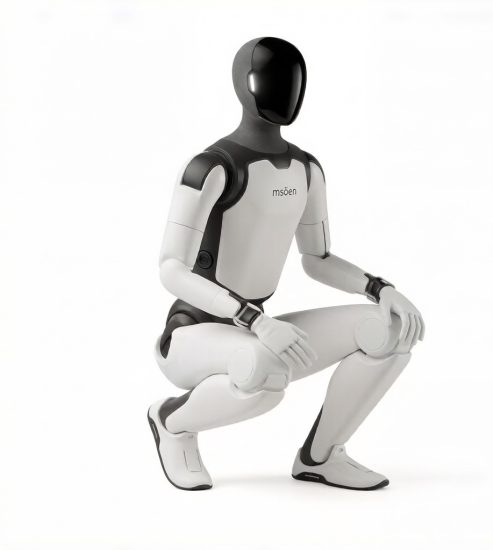
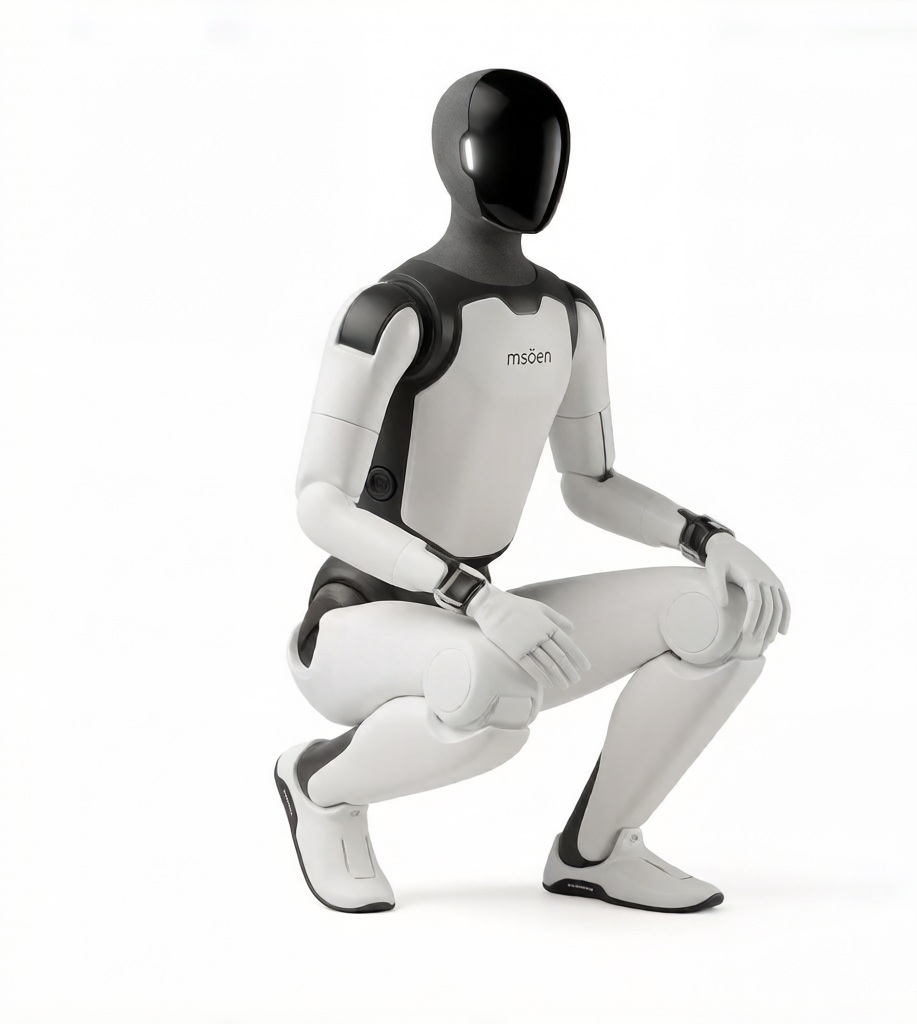
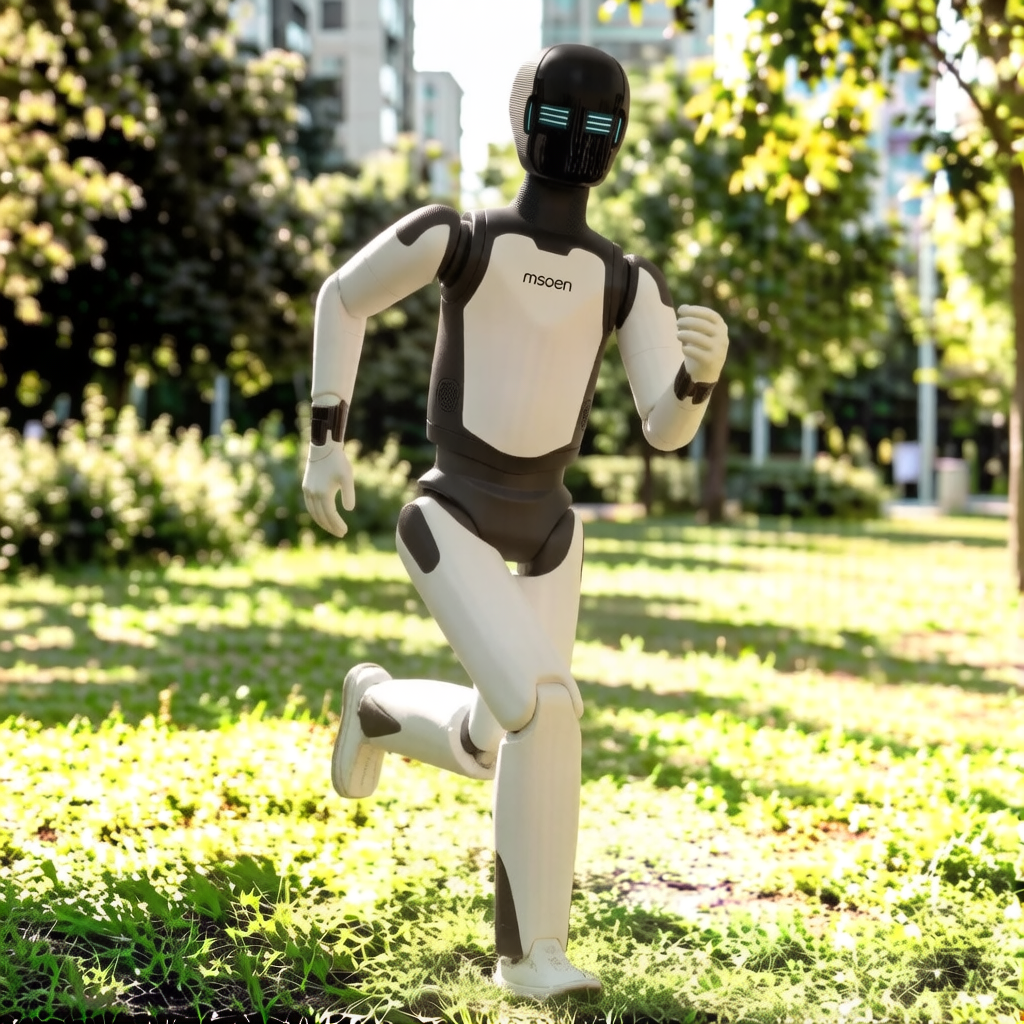
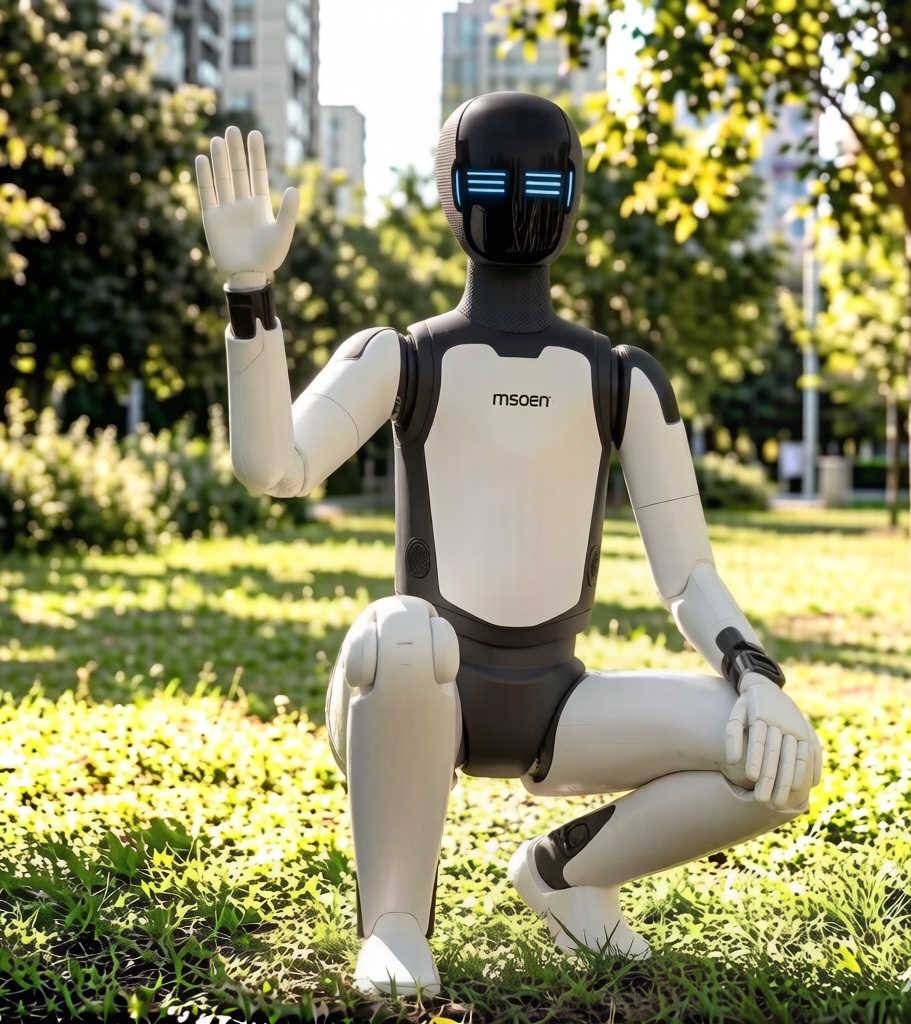
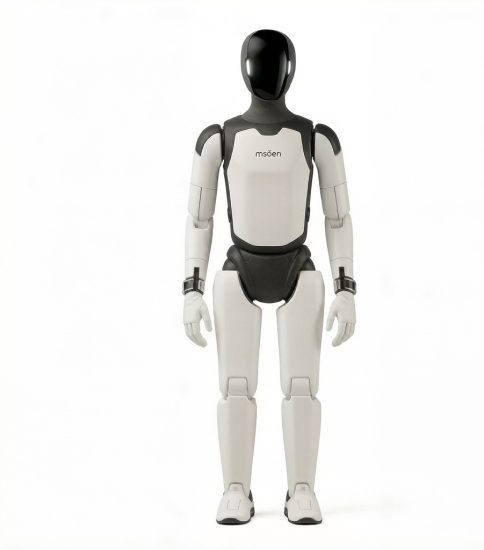
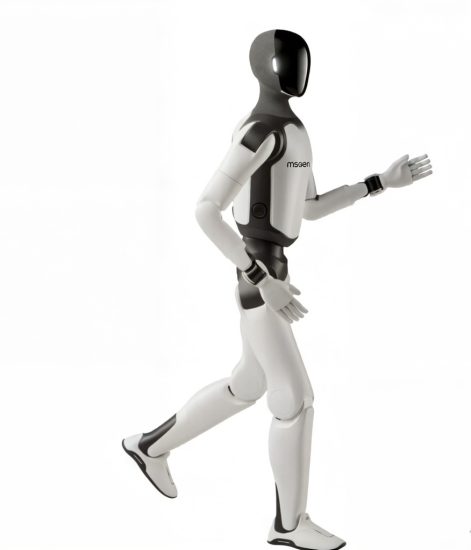
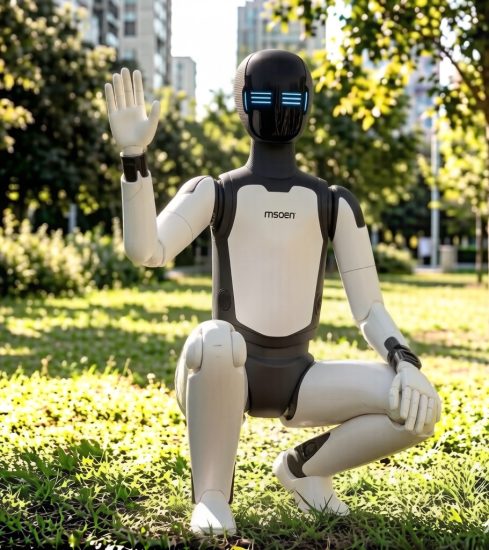
Enter our Heavy-Duty Humanoid Robot, a 55kg industrial powerhouse designed specifically for complex industrial tasks that were previously impossible to automate. This is not a delicate laboratory prototype; it is a rugged, field-ready machine built to operate alongside humans in the harshest production environments.
Engineering for the Extreme: The Spec Sheet That Matters
When dealing with heavy industry, specifications are not just numbers—they are promises of performance. Our humanoid platform is engineered from the ground up for durability and power.
1. Unmatched Physical Capabilities:
-
Payload Capacity: Each arm boasts a 50kg (110 lbs) payload, with a combined dual-arm lift capacity of 80kg. This allows the robot to handle heavy engine blocks, large castings, and industrial batteries.
-
Degrees of Freedom (DOF): With 40+ DOF across the body, including dexterous five-fingered hands, the robot replicates human-like manipulation while maintaining structural integrity.
-
Battery Endurance: Equipped with a swappable 4kWh LiFePO4 battery pack, the robot delivers 10 hours of continuous heavy-duty operation. Hot-swapping capability ensures zero downtime.
2. Perception in Chaos:
Industrial floors are unstructured. To navigate this chaos, the robot integrates:
-
Multi-Modal Sensor Fusion: Combining 360° LiDAR, stereo depth cameras, and force-torque sensors in every joint.
-
Vibration Resistance: Unlike standard robots, our design incorporates dampening systems to maintain sensor accuracy even near heavy stamping presses or CNC machines.
-
Thermal Management: An active liquid cooling system prevents overheating during high-torque tasks, ensuring consistent performance in ambient temperatures up to 45°C.
Solving Real-World Bottlenecks
Our heavy-duty humanoids are currently deployed in three key areas where traditional automation fails:
-
End-of-Line Palletizing & Depalletizing: Moving heavy boxes and irregularly shaped items that standard delta robots cannot grasp.
-
Machine Tending for Large Formats: Loading and unloading large sheet metal or composite materials into CNC routers and hydraulic presses.
-
Maintenance & Inspection: Performing visual and thermal inspections in hazardous areas, such as near high-voltage transformers or chemical reactors, carrying heavy diagnostic equipment.
Frequently Asked Questions (FAQ)
Selling heavy-duty robotics requires addressing deep technical and operational concerns. Here are the most challenging questions I receive from potential buyers, answered with field-tested honesty.
1. How does the robot handle the “last millimeter” problem during heavy insertion tasks?
This is a classic challenge in heavy assembly. Our robot uses Active Compliance Control. While the position is commanded by the main controller, the force-torque sensors at the wrist detect resistance. If the sensor detects a misalignment force exceeding 5N, the robot automatically adjusts its pose in real-time to slide the part into place smoothly, preventing jamming or equipment damage.
2. What is the MTBF (Mean Time Between Failures) for the joints under heavy loads?
Based on accelerated life testing in our lab and 12 months of field data, the planetary gearboxes in the shoulder and elbow joints have an MTBF of approximately 20,000 hours under a 70% rated load. We recommend scheduled lubrication every 3,000 operating hours for optimal longevity.
3. Can the robot operate safely in a shared space with humans?
Yes, but with strict adherence to ISO 10218 and ISO/TS 15066 standards. We implement Speed and Separation Monitoring (SSM). Using the 360° LiDAR, the robot calculates the distance to the nearest human. If the distance is less than 1.5 meters, it slows down proportionally. If the distance drops below 0.5 meters, it performs an emergency stop. We also provide physical e-stops on the torso for manual override.
4. How do you protect the robot from electromagnetic interference (EMI) in factories?
Industrial EMI is a real threat. Our chassis is constructed from aircraft-grade aluminum with conductive coatings, acting as a Faraday cage. All external cables are double-shielded and grounded at multiple points. We have successfully tested the robot within 2 meters of 100kW induction heaters without data corruption.
5. What is the total cost of ownership (TCO) compared to hiring human labor?
While the upfront CAPEX is significant, the ROI is compelling. Assuming a 5-year depreciation and factoring in energy, maintenance, and zero benefits, the annual TCO is roughly equivalent to the salary of 1.5 senior technicians in Western markets. However, the robot works 24/7 without overtime pay, sick leave, or turnover costs. Most clients see a break-even point within 18-24 months.
6. How difficult is it to repair a damaged joint or actuator?
We designed the robot for field serviceability. The actuators are modular. If a joint fails, a certified technician can remove four bolts, unplug the harness, and replace the entire actuator in under 30 minutes. We provide a detailed repair manual and offer a “Hot-Swap” service where we ship a refurbished module immediately while you return the faulty one.
7. Does the robot require special flooring or mounting?
No. The robot is designed to walk on standard industrial epoxy flooring. However, for high-precision tasks, we recommend using the optional Fixed Base Adapter, which locks the robot’s feet to the floor, eliminating any micro-vibrations from walking and increasing positional accuracy to ±0.05mm.
8. How do you handle software updates for mission-critical operations?
We use a dual-partition storage system. Updates are downloaded and installed on a dormant partition. The robot reboots into the new system only after a successful integrity check. If the new software causes a fault, the robot automatically rolls back to the previous stable version upon restart, ensuring the factory floor never goes dark due to a bad update.
Deployment Strategy: From Purchase to Production
Implementing a heavy-duty humanoid is a project, not just a purchase. We follow a structured path:
-
Site Survey & Risk Assessment: Our engineers visit your site (physically or via detailed 3D scans) to identify hazards and optimize robot paths.
-
Task Simulation: We create a digital twin of your workflow in our simulation lab to program the robot’s movements before it arrives on-site.
-
On-Site Commissioning: Installation and fine-tuning, including force calibration and safety perimeter setup.
-
Operator Certification: Training your team to monitor and maintain the robot, empowering them to become robot supervisors rather than just machine minders.
Conclusion
The era of fragile, cage-bound robots is ending. Our Heavy-Duty Humanoid Robot represents a new class of industrial worker—one that combines brute strength with artificial intelligence. It is built to fill the gaps in your production line that humans struggle to cover and traditional robots cannot reach.
Are you ready to revolutionize your workforce? Contact me to discuss how this technology can be tailored to your specific operational challenges. Let’s build a stronger, smarter factory together.
THE END


No comments yet