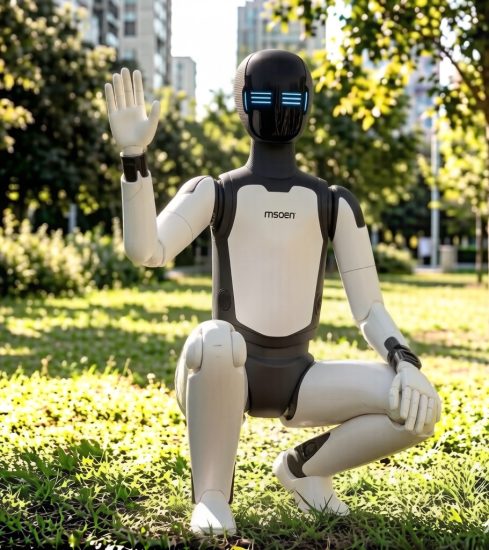


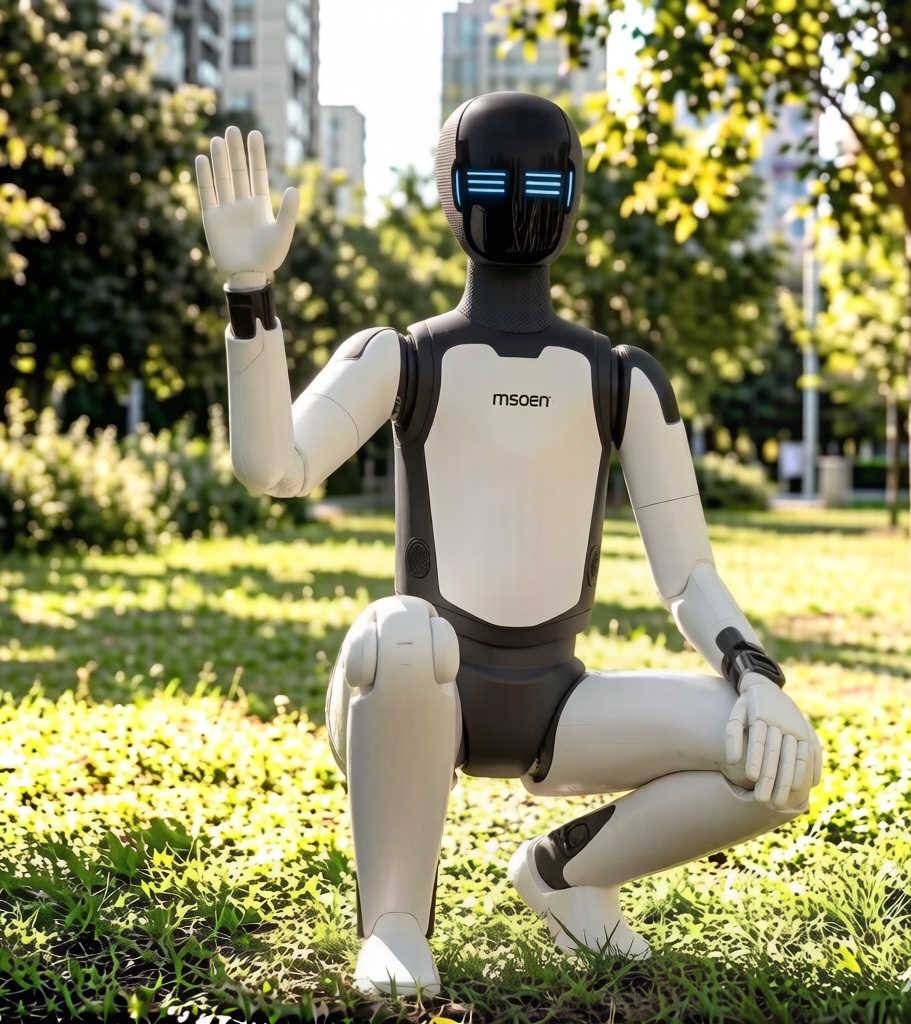
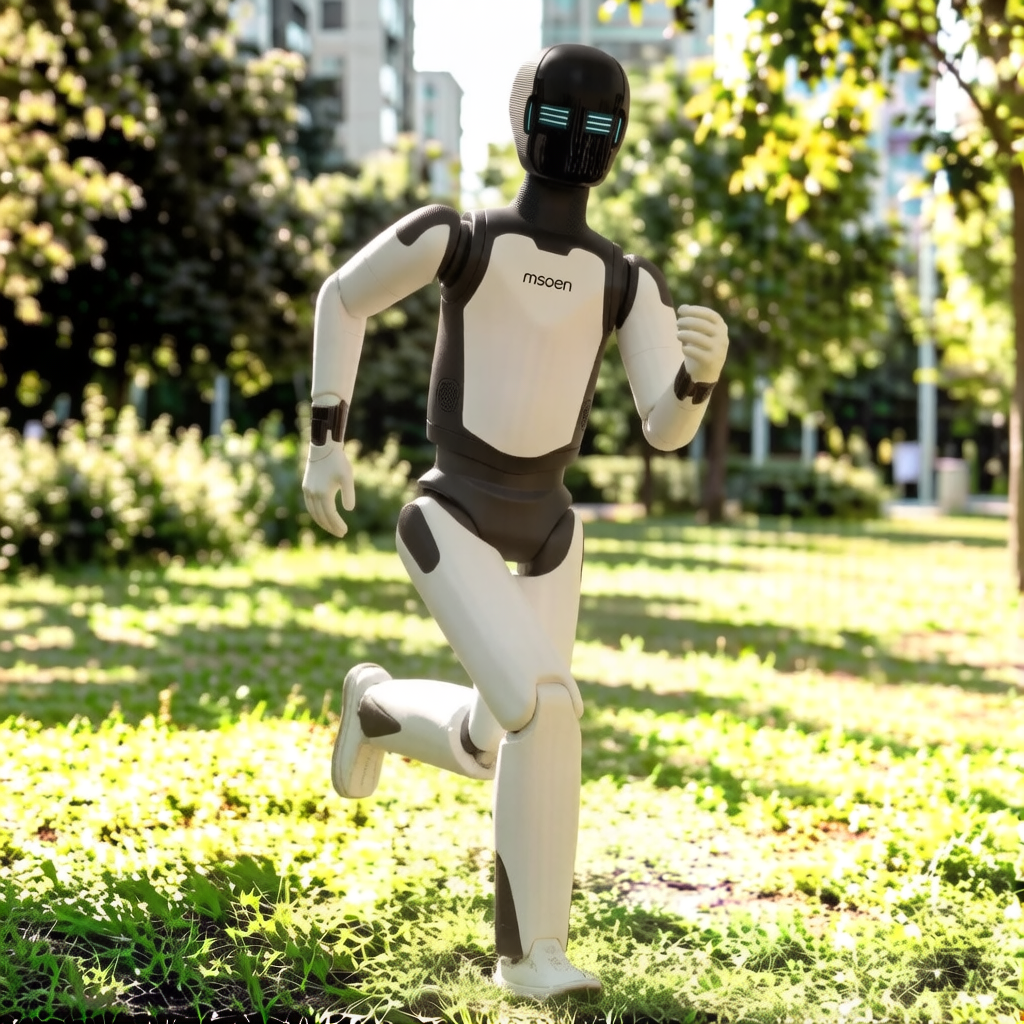
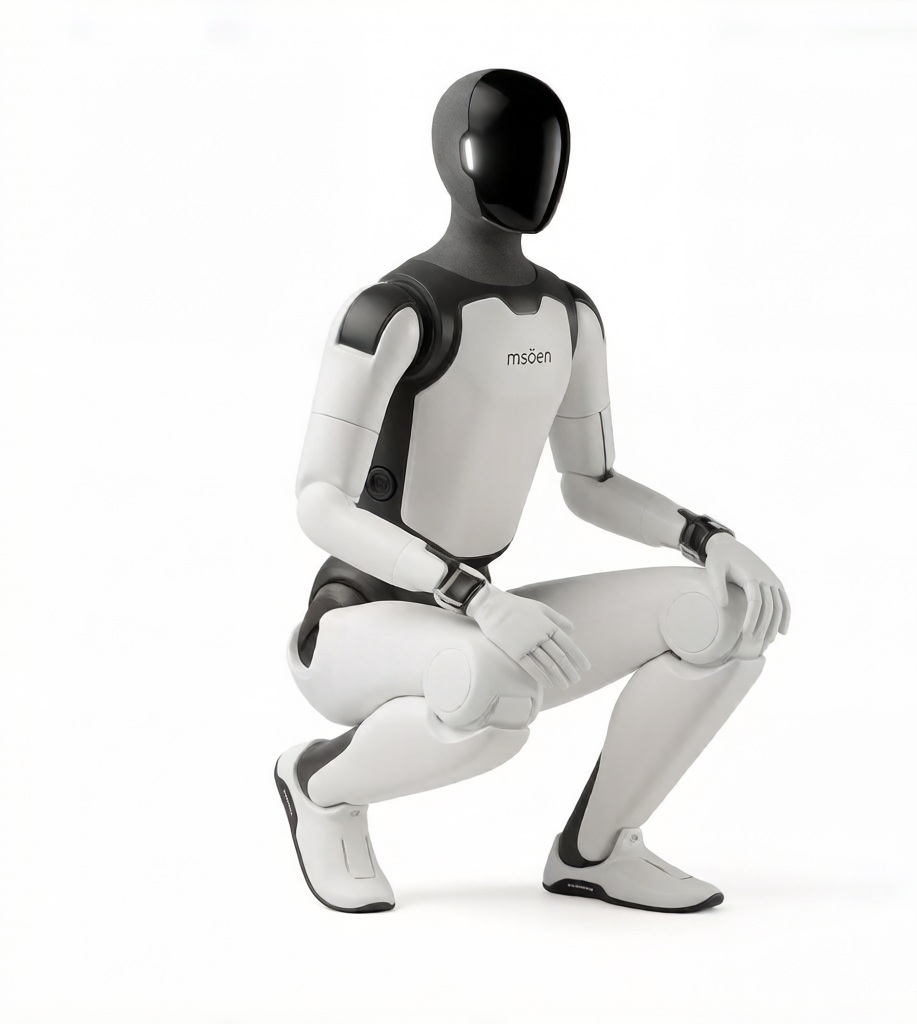
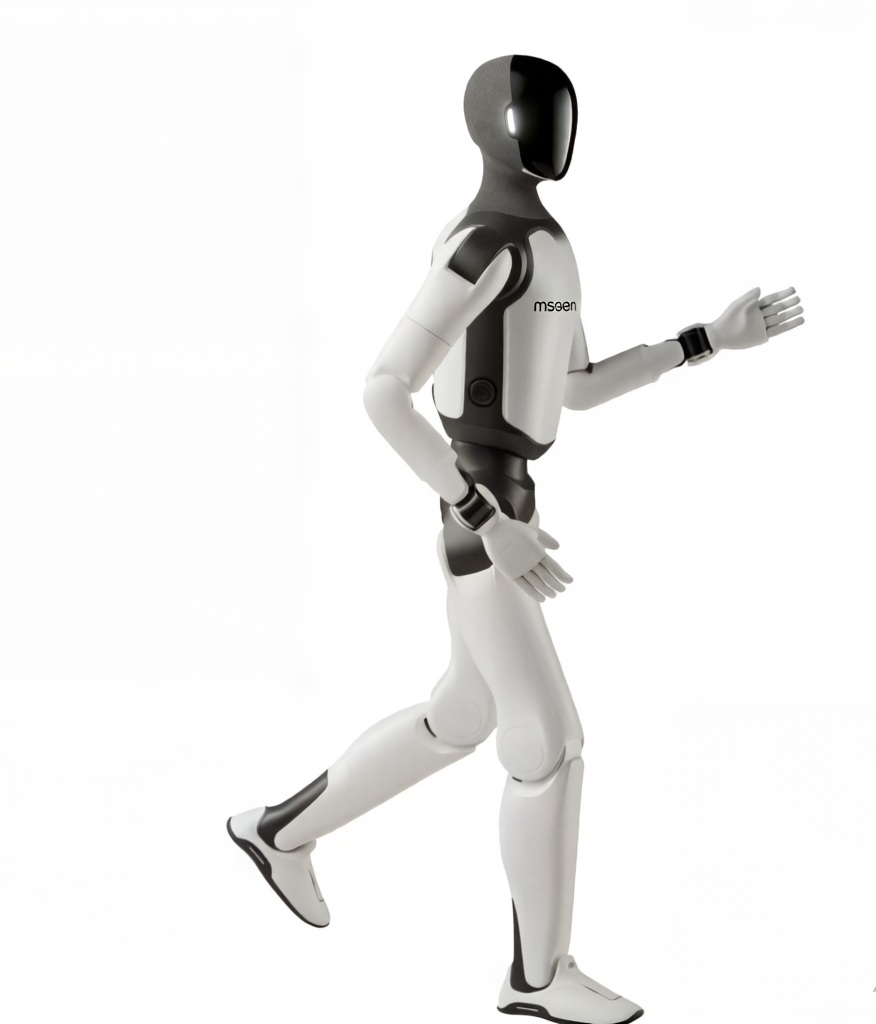
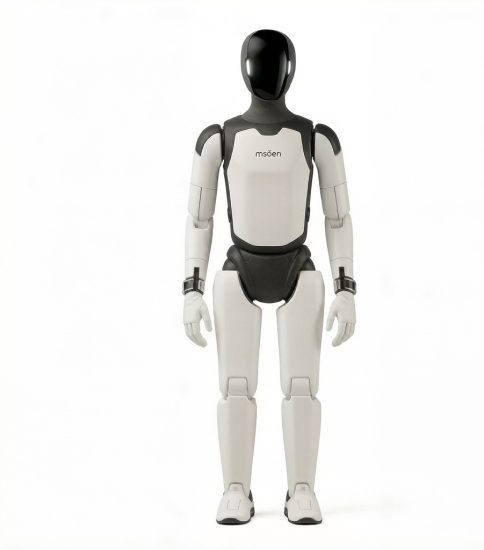
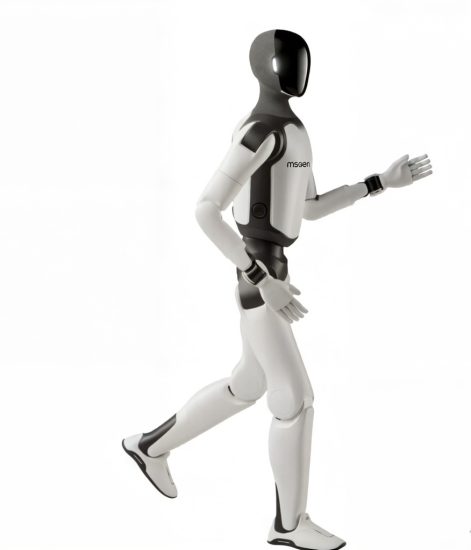
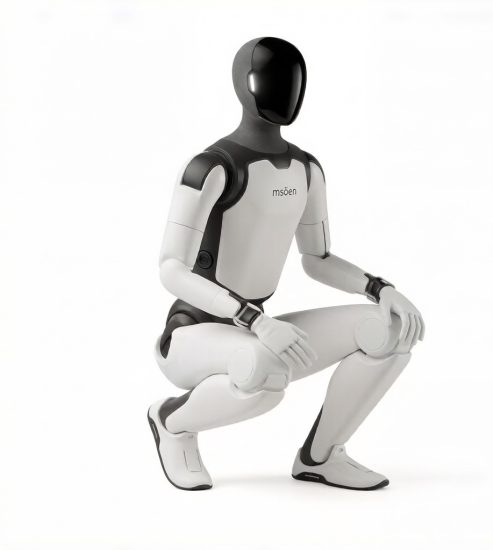
In the service economy, the battle for customer loyalty is won or lost in the first 30 seconds of interaction. As a foreign trade sales specialist in humanoid robotics, I have witnessed a fundamental shift in how businesses approach guest engagement. The question is no longer “Can we afford to automate?” but rather “Can we afford not to?” Labor shortages, rising wage expectations, and the demand for 24/7 consistency have created a perfect storm. Our Intelligent Service Humanoid Robot is designed to be the anchor of your customer experience strategy, providing a blend of technological sophistication and reliable service.
This robot is not just a kiosk on wheels; it is a socially aware, expressive, and highly capable assistant engineered to elevate the customer journey in hospitality, retail, and healthcare environments.
The Architecture of Hospitality: More Than Just a Greeting
The core of our service robot lies in its ability to manage complex social dynamics. Unlike static displays, the humanoid form factor triggers a natural human response, making interactions feel intuitive.
Key Features for Service Excellence:
-
Expressive HRI (Human-Robot Interaction): The robot features a 13-degree-of-freedom (DOF) animated face or display, allowing for nuanced expressions—raised eyebrows for surprise, smiles for greetings, and nods for agreement. This non-verbal communication builds rapport instantly.
-
Autonomous Navigation in Crowds: Utilizing a V-SLAM (Visual Simultaneous Localization and Mapping) system paired with 360° LiDAR, the robot predicts pedestrian movement. It doesn’t just avoid obstacles; it anticipates them, slowing down in crowded lobbies and speeding up in open corridors.
-
Integrated POS & CRM Connectivity: The robot seamlessly connects to your existing Point of Sale (POS) and Customer Relationship Management (CRM) systems. It can look up guest reservations, process retail transactions via NFC/QR code, and update patient records in real-time.
Industry-Specific Solutions
The versatility of the platform allows for deep customization based on sector needs:
-
Hospitality (Hotels & Venues): From automated check-in/check-out to concierge services. Imagine a robot that greets guests by name, escorts them to their room, and explains the Wi-Fi password—all in a warm, professional tone.
-
Retail: Acting as a personal shopping assistant. The robot guides customers to specific aisles, provides detailed product comparisons, and even runs flash sales promotions directly on its interactive screen.
-
Healthcare (Clinics & Hospitals): Serving as a Patient Liaison. It manages intake paperwork, verifies insurance details, directs patients to the correct department, and provides post-operative care instructions, freeing up nurses for critical clinical tasks.
Frequently Asked Questions (FAQ)
Selling service robots involves addressing concerns about reliability, integration, and the “human touch.” Here are the most insightful questions I receive from procurement managers and operations directors.
1. How does the robot handle aggressive or disruptive behavior from guests?
We have programmed a “De-escalation Protocol.” If the robot’s microphones detect raised voices or aggressive keywords, it will stop moving, lower its head slightly, and respond in a calm, neutral tone: “I understand you are frustrated. Let me connect you with a human manager.” Simultaneously, it sends an alert to the front desk staff with a live camera feed. It is programmed never to argue or escalate a situation.
2. What happens if the robot’s battery runs low during a shift?
The robot operates on a “Smart Power Management” system. It knows its cleaning station location and the facility layout. When the battery drops below 20%, it will politely excuse itself from the current interaction (“Please excuse me, I need to recharge. A staff member will be with you shortly.”) and autonomously navigate to its dock. It will not accept new tasks until sufficiently charged.
3. Can the robot be integrated with our existing hotel PMS (Property Management System)?
Yes, integration is a core strength. We support standard APIs used by major PMS providers like Opera, Protel, and Cloudbeds. Our engineering team typically completes the integration mapping within 5-7 business days. We use a middleware layer that translates your PMS data into commands the robot can understand, ensuring real-time room status updates.
4. How do you clean and sanitize the robot, especially in a hospital setting?
We designed the exterior with serviceability in mind. The outer shell is made of antimicrobial, UV-resistant ABS plastic. It is IP54 rated, meaning you can wipe it down with alcohol-based disinfectants or hospital-grade wipes without damaging the electronics. The touchscreen is coated with an oleophobic and antimicrobial film for easy cleaning.
5. What is the robot’s policy on tipping or gratuities?
In hospitality scenarios, the robot does not expect tips. However, we have seen hotels use this as a fun engagement tool. The robot can be programmed to respond humorously: “Thank you for the thought! My circuits are already charged, but your smile is the best tip!” Alternatively, we can enable a “Donation Mode” linked to a charity of your choice.
6. How does the robot deal with “ad-hoc” requests that aren’t in its database?
If the robot encounters a question it cannot answer, it does not hallucinate. It will say: “That’s a great question. Let me find a human colleague who can help you with that.” It then uses its internal directory to page the appropriate staff member (e.g., “Housekeeping to the lobby, please”).
7. Is the robot suitable for outdoor use, like hotel driveways or outdoor malls?
The standard model is designed for indoor use. However, we offer an All-Weather Package upgrade. This includes sealed joints, enhanced water resistance (IP65), and heated/cooled compartments for components. It also upgrades the navigation sensors to handle direct sunlight and rain, making it viable for semi-outdoor environments like covered walkways or open-air retail spaces.
8. How do you ensure the robot doesn’t block fire exits or emergency routes?
Safety is paramount. The robot’s map includes “No-Go Zones” and “Emergency Routes.” During a fire alarm or emergency drill, the robot receives a signal (via building management systems) to immediately move to a designated safe zone away from exits and elevators. It will also broadcast evacuation instructions if programmed to do so.
Implementation Roadmap
Deploying a service robot is a partnership. We follow a proven 4-step process:
-
Experience Design Workshop: We sit with your team to define the robot’s persona, script, and key touchpoints.
-
Digital Twin Mapping: We create a virtual replica of your facility to pre-program navigation paths and “social hotspots.”
-
Shadow Mode Testing: The robot is placed in your environment but remains inactive, learning the flow of foot traffic and ambient noise levels for 48 hours.
-
Soft Launch & Optimization: We launch the robot during off-peak hours, gathering data on interaction success rates to refine its performance.
Conclusion
The Intelligent Service Humanoid Robot is more than a piece of hardware; it is a brand ambassador. It delivers consistency, reduces staff burnout on repetitive tasks, and adds a futuristic flair that guests love to share on social media.
Are you ready to transform your customer experience? Contact me today to discuss a pilot program tailored to your unique environment. Let’s set a new standard for service excellence together.
THE END


No comments yet