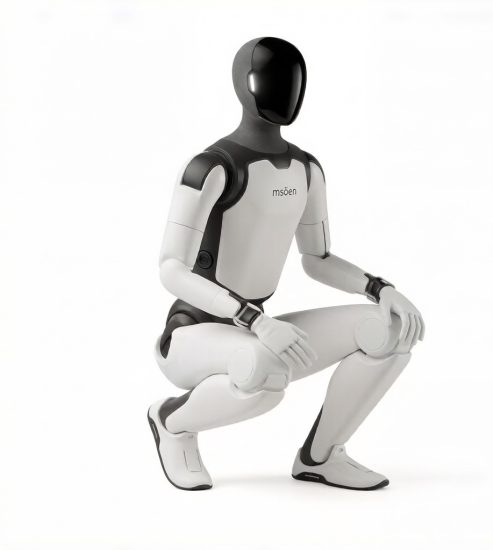


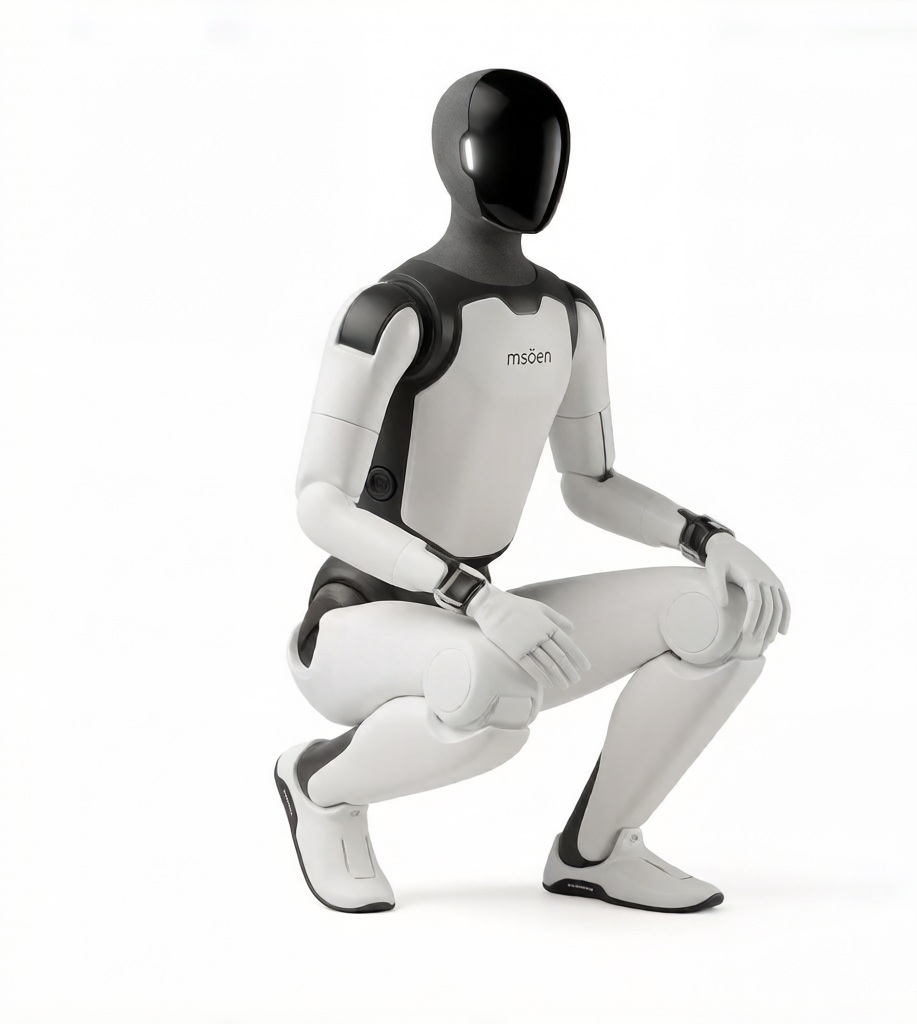
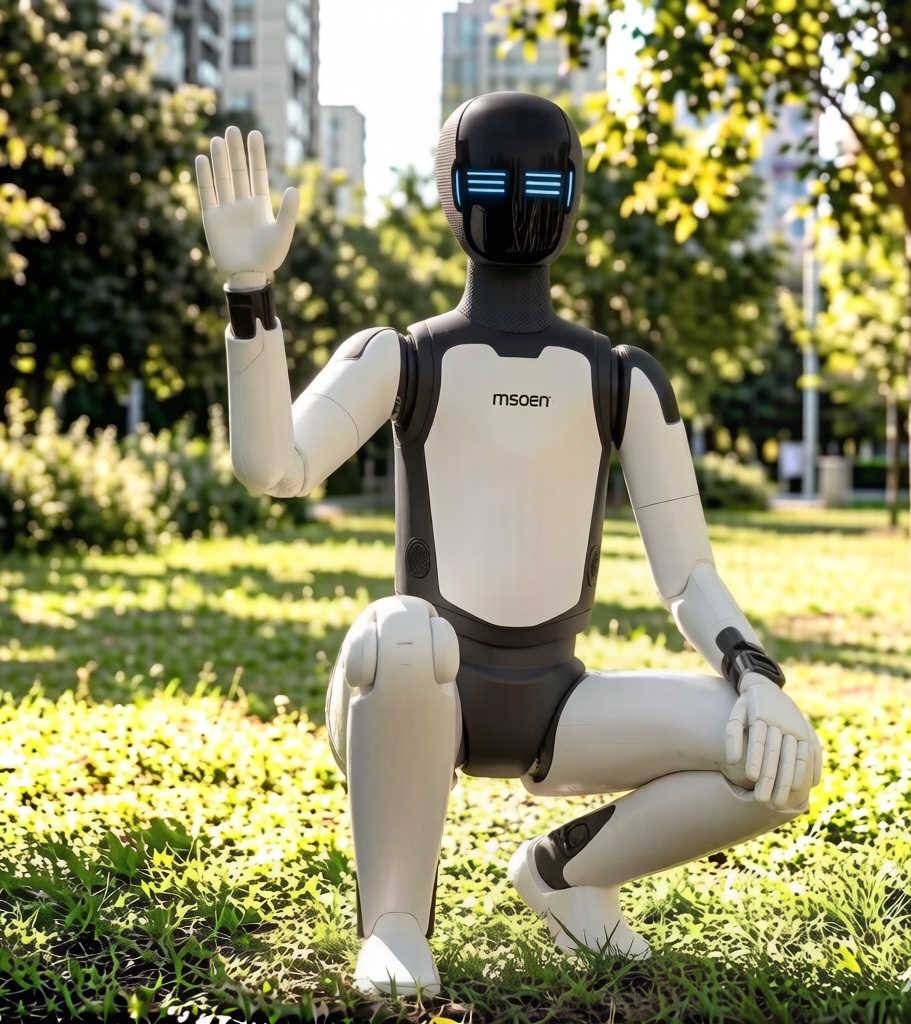
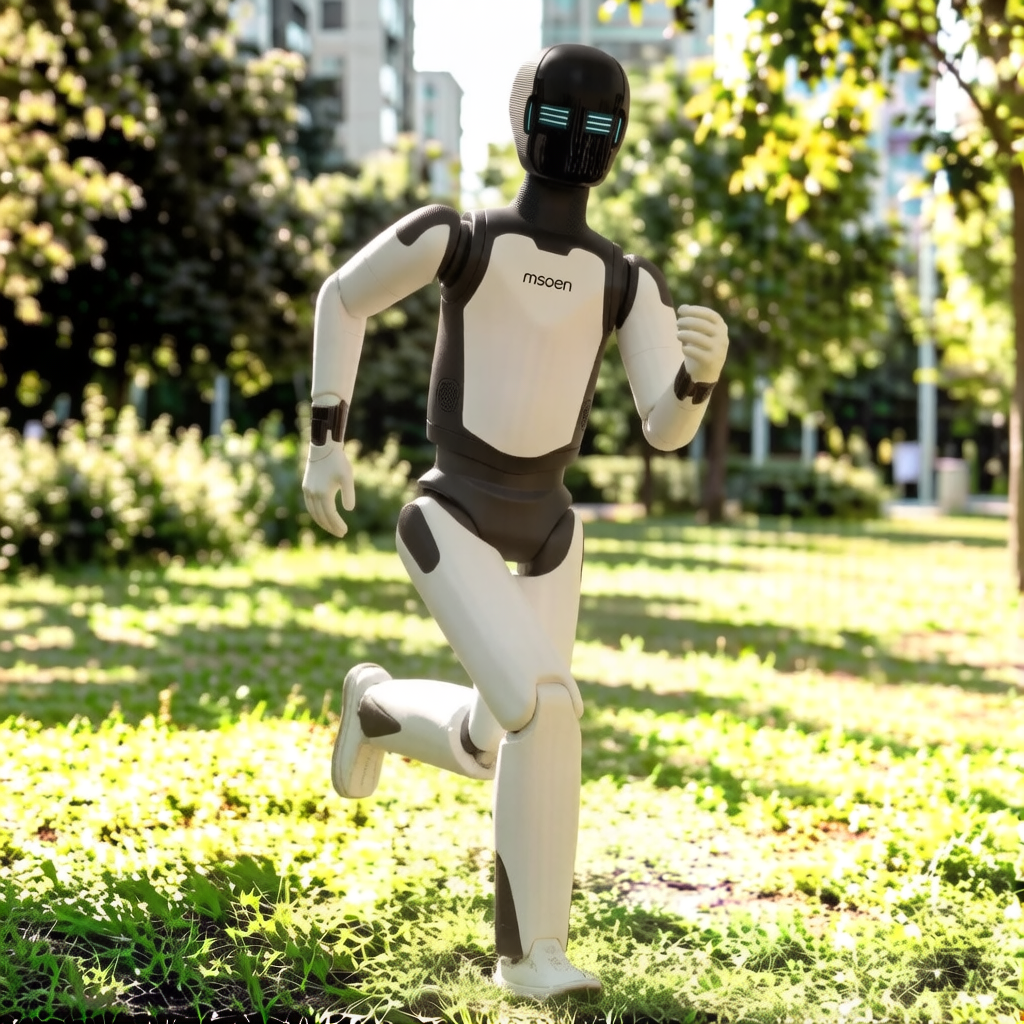
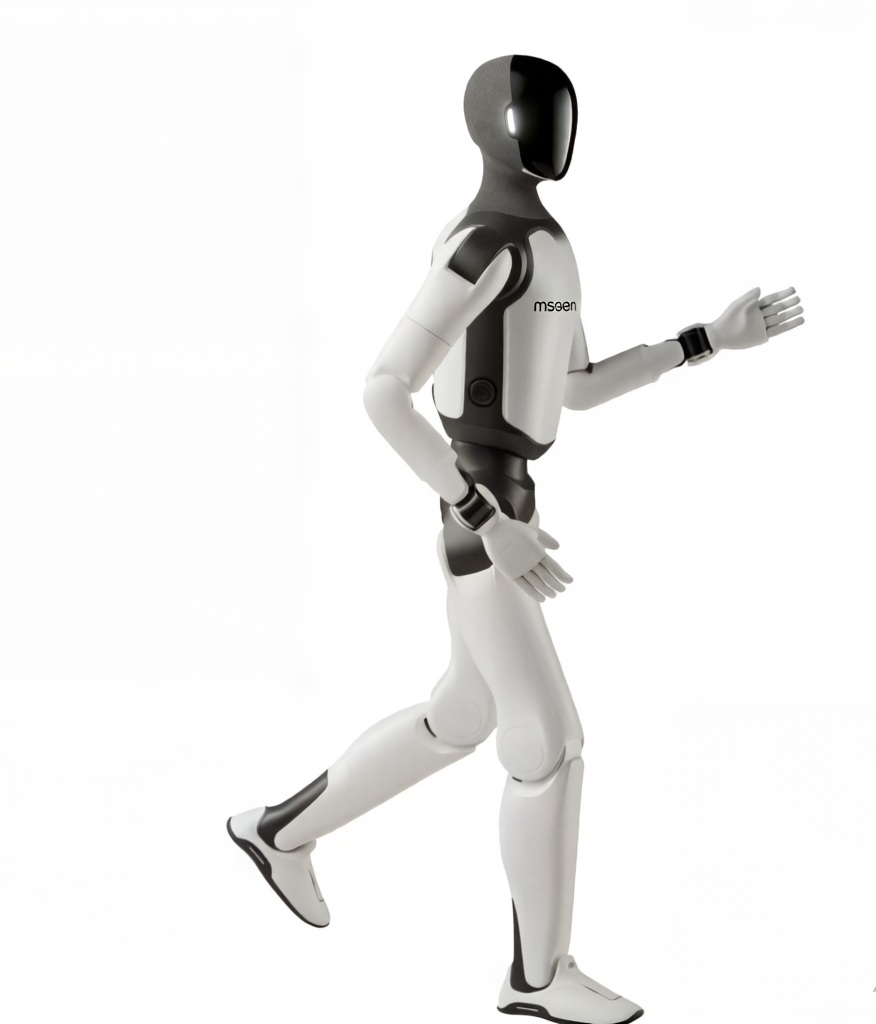
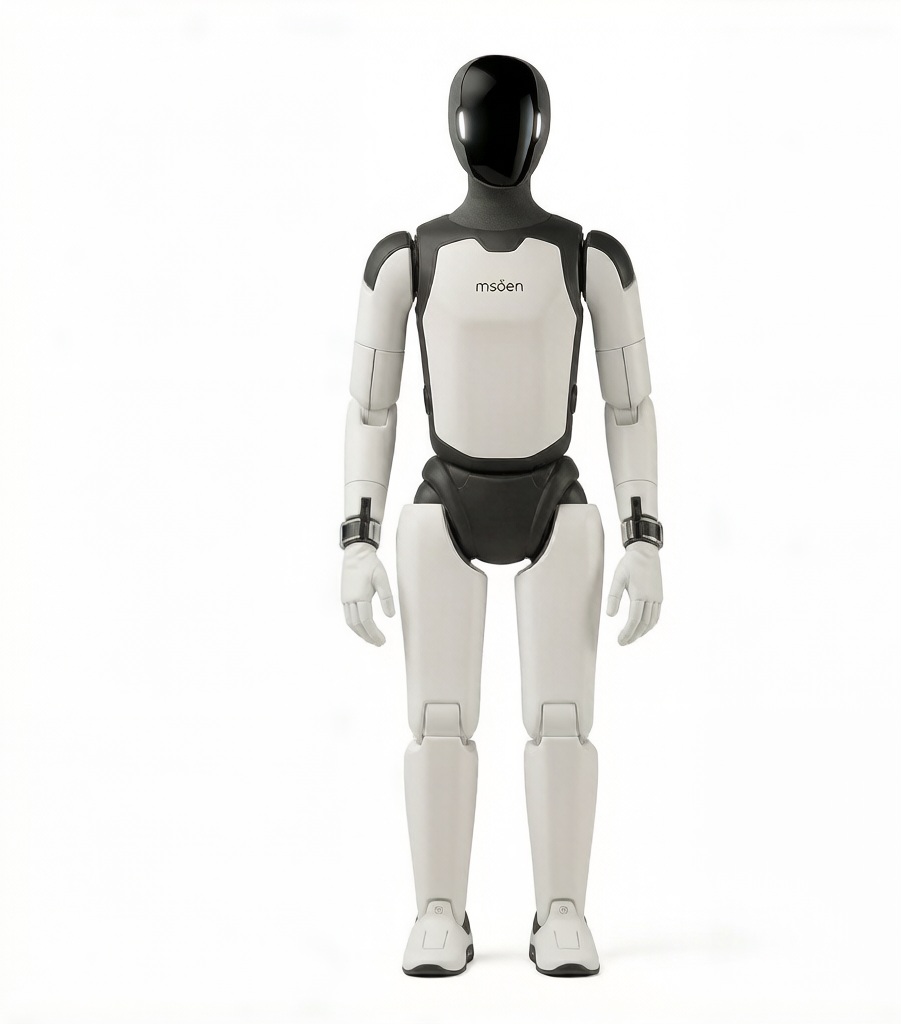
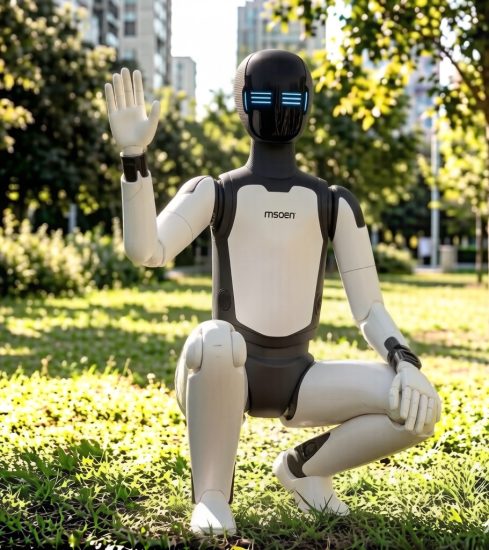
In today’s fast-evolving global market, businesses face two constant challenges: rising labor costs and the increasing complexity of operational tasks. Traditional automation—fixed robotic arms or single-function machines—often lacks the flexibility to adapt to dynamic environments. This is where our Next-Gen General Purpose Humanoid Robot steps in, bridging the gap between specialized machinery and human adaptability.
Designed with a biomimetic structure and powered by cutting-edge AI, this robot is engineered to be the ultimate “all-in-one” solution. Unlike conventional robots that require custom programming for every new task, our humanoid platform can learn, adapt, and execute a wide range of functions across both industrial floors and commercial spaces.
Why Choose a General Purpose Humanoid?
The core advantage lies in its versatility. Instead of purchasing multiple machines for different tasks, you invest in one platform that can be deployed wherever needed:
-
Industrial Versatility: From material handling and quality inspection to equipment monitoring.
-
Commercial Adaptability: Perfect for reception duties, customer guidance, security patrols, and even complex cleaning tasks.
With a full suite of sensors and advanced computer vision, it navigates human-centric environments safely. Its dexterous hands allow it to interact with tools and objects designed for humans, eliminating the need for costly infrastructure modifications.
Frequently Asked Questions (FAQ)
As a sales representative working closely with international clients, I often receive the following questions. Here are my honest, practical answers:
1. What is the typical lead time for bulk orders?
For standard configurations, our lead time is typically 45 to 60 days after deposit confirmation. For customized software integration or specific hardware modifications, we usually require an additional 15-20 days for testing and calibration. We recommend planning orders around major holidays in our manufacturing region to avoid delays.
2. How difficult is it to integrate your robot into our existing MES or ERP systems?
Integration is straightforward. Our robots come with open API documentation and support standard industrial protocols like MQTT and OPC UA. Most of our clients complete basic integration within 1-2 weeks. We also provide a dedicated technical account manager to assist with the initial handshake between your systems and our robot’s control center.
3. What kind of after-sales support do you offer internationally?
We provide remote diagnostics and support 24/7 via our cloud platform. For critical issues, we have regional partners in Europe, North America, and Southeast Asia who can provide on-site service. Additionally, we offer comprehensive training modules for your local engineers to handle Level 1 maintenance independently.
4. How does the robot handle unexpected obstacles in a busy factory?
Our navigation system uses a combination of LiDAR, depth cameras, and ultrasonic sensors. If an unexpected obstacle appears, the robot will stop at a safe distance, send an alert to the operator, and wait for clearance. You can pre-program “safe zones” or alternative routes to minimize downtime during such events.
5. Is the robot’s battery hot-swappable? What is the runtime?
Yes, the battery pack is designed for quick swapping without tools. A fully charged unit provides approximately 8 hours of continuous operation under standard load. For 24/7 operations, we recommend purchasing a second battery pack as a backup.
THE END


No comments yet