

![Image [1]-Professional Photography Drones: The Ultimate Guide for Stunning Aerial Imaging-msoen](https://www.msoen.com/wp-content/uploads/2026/01/76933d8539195152-768x1024.jpg)
![Image [2]-Professional Photography Drones: The Ultimate Guide for Stunning Aerial Imaging-msoen](https://www.msoen.com/wp-content/uploads/2026/01/2eda0d55c5195152-768x1024.jpg)
![Image [3]-Professional Photography Drones: The Ultimate Guide for Stunning Aerial Imaging-msoen](https://www.msoen.com/wp-content/uploads/2026/01/b0b3024095195152-768x1024.jpg)
![Image [4]-Professional Photography Drones: The Ultimate Guide for Stunning Aerial Imaging-msoen](https://www.msoen.com/wp-content/uploads/2026/01/cf212fb489195220-768x1024.jpg)
In recent years, photography drones have completely transformed the way we capture images and videos. From breathtaking landscapes to cinematic real estate shots, from wedding films to wildlife documentation, drones now play a critical role in modern visual storytelling.
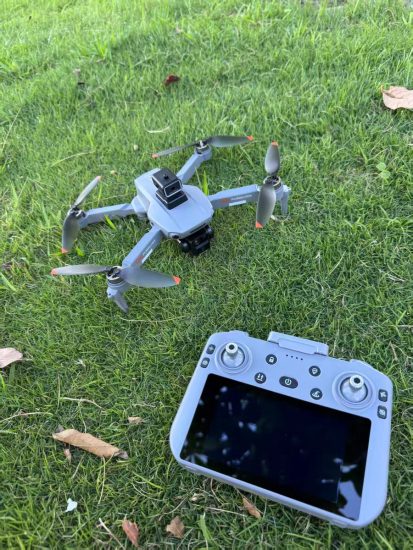
A professional photography drone is not just a flying camera. It is a combination of advanced stabilization systems, high-resolution sensors, intelligent flight modes, and long-range transmission technology. Whether you are a beginner photographer, a content creator, or a commercial filmmaker, choosing the right drone can significantly elevate your creative output.
This guide will walk you through everything you need to know about photography drones: features, pricing, specifications, real-world applications, and what to look for before buying.
What Is a Photography Drone?
A photography drone is an unmanned aerial vehicle (UAV) equipped with a high-quality camera system designed for capturing photos and videos from the air. Unlike toy drones, professional photography drones focus on:
- High-resolution sensors (4K, 6K, 8K)
- Advanced gimbal stabilization
- Intelligent flight control systems
- Long transmission range
- Precise GPS positioning
- Obstacle avoidance sensors
These drones allow creators to achieve cinematic perspectives that were once only possible using helicopters or cranes.
Key Features of a Professional Photography Drone
1. High-Resolution Camera System
Most professional photography drones offer:
- 20MP to 48MP photo resolution
- 4K / 5.1K / 6K / 8K video recording
- Large CMOS sensors (1-inch or larger)
- Adjustable aperture
- RAW photo and LOG video formats
These features ensure outstanding image clarity, better low-light performance, and greater flexibility in post-production.
2. 3-Axis Gimbal Stabilization
A 3-axis gimbal is essential for smooth and stable footage. It compensates for drone movement, wind, and vibrations, ensuring:
- Ultra-smooth cinematic videos
- Sharp long-exposure photos
- Professional-level results
3. Intelligent Flight Modes
Modern photography drones come with AI-powered flight modes such as:
- Follow Me
- Orbit
- Waypoint navigation
- Active tracking
- Gesture control
- Hyperlapse
- Panorama
These modes allow even beginners to capture professional-looking content with minimal effort.
4. Obstacle Avoidance & Safety Systems
To reduce crash risks, advanced drones feature:
- Forward, backward, downward, and upward sensors
- Automatic braking
- Return-to-home function
- Precision landing
- Smart geofencing
These systems protect both the drone and the surrounding environment.
5. Long Flight Time & Transmission Range
Professional photography drones usually offer:
- Flight time: 25–45 minutes per battery
- Transmission range: 10–20 km
- Low-latency HD live view
This gives creators more time and freedom to capture perfect shots.
Photography Drone Specifications (Example)
Below is a typical specification range for a professional photography drone:
- Camera Sensor: 1-inch CMOS
- Photo Resolution: 20MP – 48MP
- Video Resolution: 4K / 6K
- Gimbal: 3-axis mechanical stabilization
- Max Flight Time: 35 minutes
- Transmission Distance: 15 km
- Max Speed: 68 km/h
- Wind Resistance: Level 6
- GNSS: GPS + GLONASS + Galileo
- Obstacle Avoidance: Multi-directional
- Storage: MicroSD up to 512GB
Photography Drone Price Range
Pricing varies depending on camera quality, flight features, and brand positioning.
Typical Price Levels:
- Entry-level photography drone: USD $300 – $600
- Mid-range professional drone: USD $700 – $1,200
- High-end cinematic drone: USD $1,300 – $3,000+
Higher-end models usually offer better low-light performance, larger sensors, longer flight time, and advanced safety systems.
Real-World Applications of Photography Drones
1. Travel & Landscape Photography
Drones allow photographers to capture epic views from angles impossible with traditional cameras. Mountain ranges, coastlines, waterfalls, and city skylines look completely different from the sky.
2. Real Estate & Architecture
Aerial shots help showcase property layouts, surrounding environments, and building scale, significantly increasing buyer interest.
3. Weddings & Events
Photography drones add a cinematic feel to special moments by capturing dynamic aerial scenes, crowd shots, and venue overviews.
4. Social Media & Content Creation
YouTubers, Instagram creators, and TikTok influencers rely on drones to create visually engaging content that stands out.
5. Commercial Filmmaking
Drones are now standard tools in professional film production, replacing expensive helicopter shots.
⭐ Customer Reviews & Ratings
Based on real buyer feedback from global markets:
Average Rating: ⭐⭐⭐⭐⭐ (4.8 / 5)
Total Reviews: 2,000+
What Customers Love:
- Outstanding image quality
- Stable flight performance
- Easy-to-use controls
- Long battery life
- Reliable obstacle avoidance
Common Praise:
“This drone completely changed my photography. The 4K footage looks cinematic.”
“Very stable even in windy conditions.”
“Perfect for travel vlogging and real estate shooting.”
How to Choose the Right Photography Drone
Before buying, ask yourself:
1. What Is Your Main Use?
- Travel & vlogging
- Professional filmmaking
- Real estate
- Weddings
- YouTube content
Each use case has different needs.
2. Camera Quality Matters
If you want professional output, look for:
- 1-inch sensor or larger
- LOG video profiles
- 10-bit color depth
3. Flight Stability & Safety
Beginners should prioritize:
- Obstacle avoidance
- Smart return-to-home
- Auto-hover
4. Portability
Foldable drones are perfect for travelers, while larger drones usually provide better performance.
Photography Drone vs Traditional Camera
| Feature | Photography Drone | Traditional Camera |
|---|---|---|
| Aerial View | Yes | No |
| Portability | High | Medium |
| Cinematic Shots | Excellent | Limited |
| Setup Time | Fast | Slow |
| Cost Efficiency | High | Medium |
Drones unlock creative angles that ground-based cameras simply cannot achieve.
Maintenance & Care Tips
To extend your drone’s lifespan:
- Clean the camera lens regularly
- Store batteries at proper voltage
- Avoid flying in heavy rain or strong winds
- Update firmware
- Use original chargers
Future of Photography Drones
The future of photography drones includes:
- AI-powered subject tracking
- Better low-light sensors
- Longer battery life
- 8K standard recording
- Smarter obstacle avoidance
As technology evolves, drones will become even more accessible and powerful.
Final Thoughts
A photography drone is no longer a luxury—it is an essential creative tool. Whether you are shooting landscapes, weddings, social media content, or commercial films, a professional drone gives you the freedom to capture the world from a new perspective.
With advanced cameras, intelligent flight systems, and powerful stabilization, today’s photography drones are more capable than ever before.
If you want to stand out in the visual world, a high-quality photography drone is one of the smartest investments you can make.



No comments yet