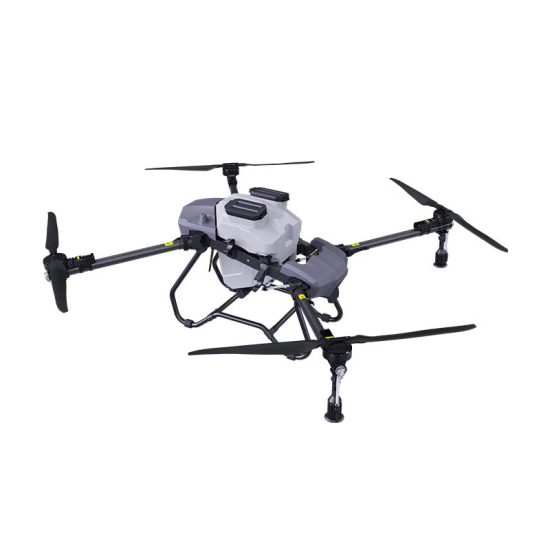


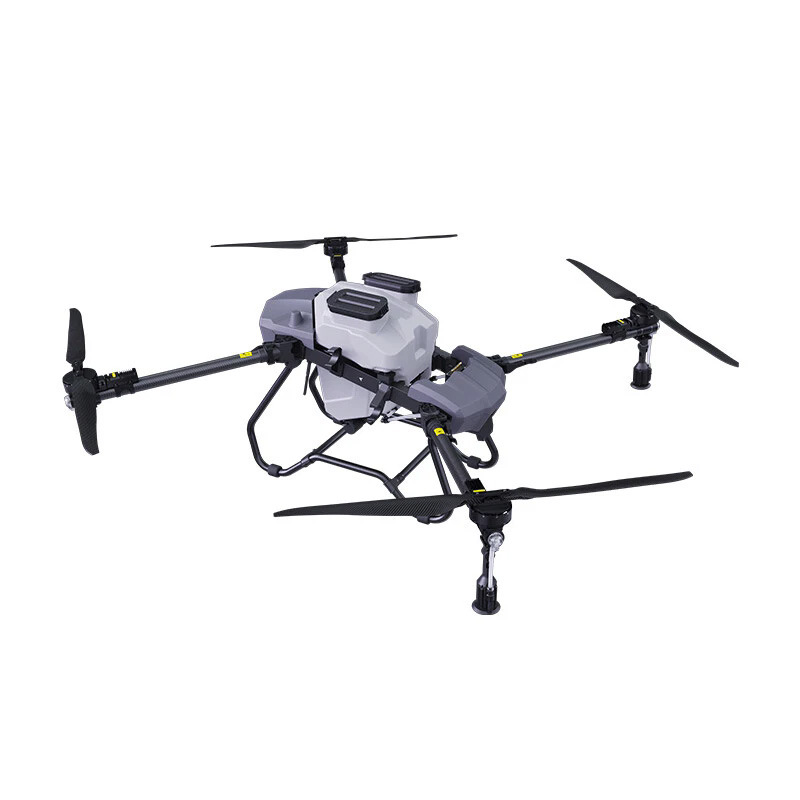
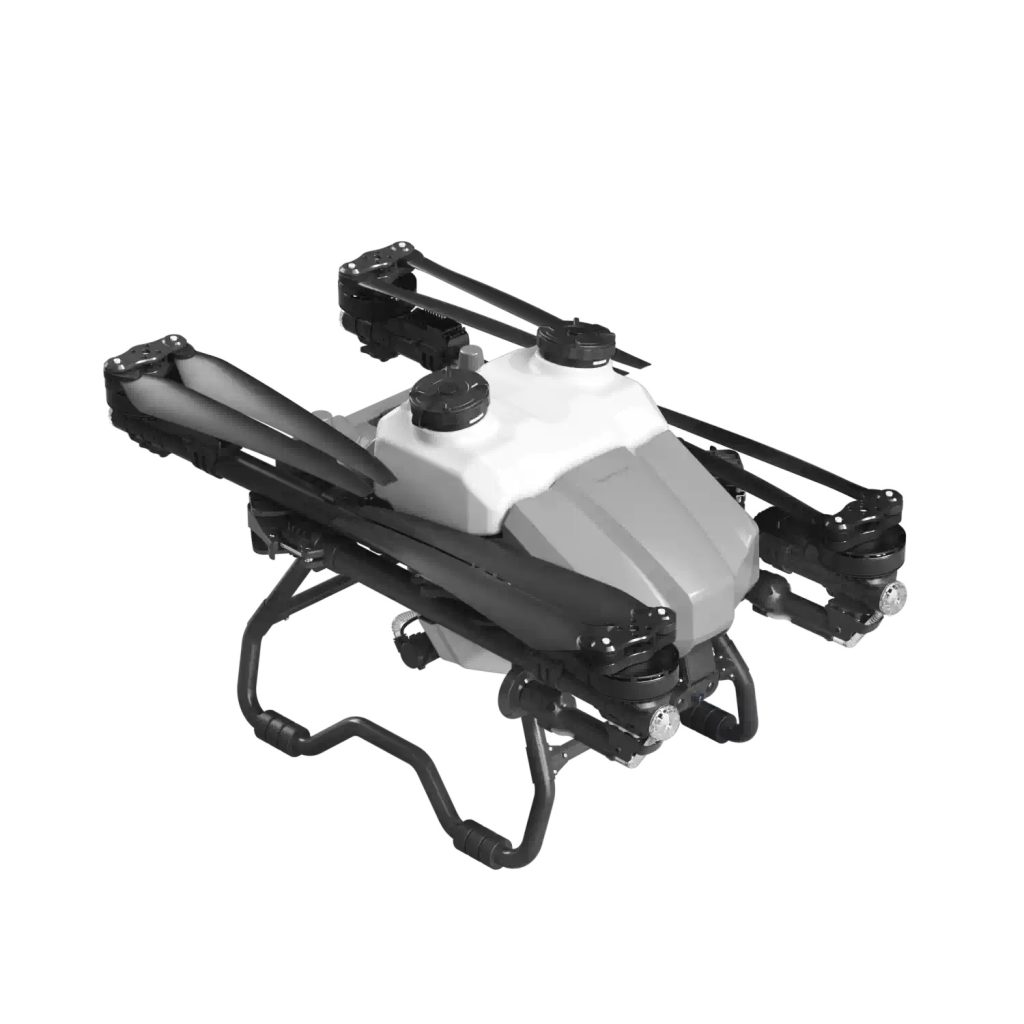
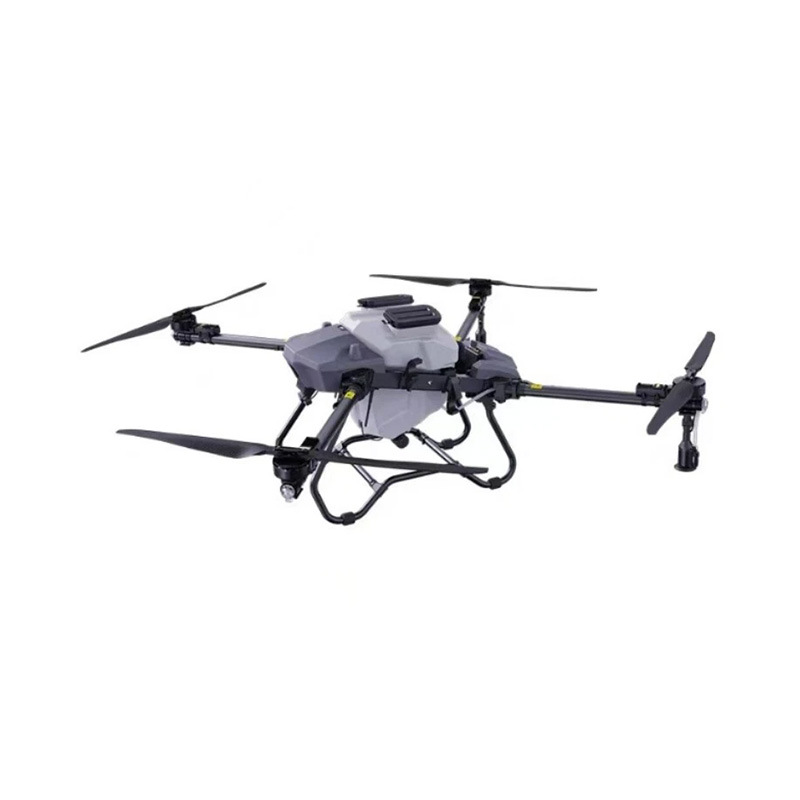
Before operating an agricultural drone, completing a proper pre-flight inspection is essential. A simple checklist can help reduce accidents, improve spraying accuracy, and protect equipment from unexpected damage. Whether performing crop spraying, fertilizer spreading, or field monitoring, safe preparation should always come first.
This guide explains a complete pre-flight safety checklist for agricultural drone operations.
Why a Pre-Flight Checklist Matters
A pre-flight inspection helps operators:
-
Improve flight safety
-
Reduce equipment failure risks
-
Prevent unstable flight conditions
-
Improve spraying efficiency
-
Protect batteries, motors, and flight systems
Skipping safety checks may result in signal loss, spraying errors, unstable flight, or interrupted operations.
1. Inspect the Drone Structure
Before powering on the drone, inspect the physical structure carefully.
Check the following:
-
Drone arms securely locked
-
No loose screws or damaged components
-
Landing gear stable
-
Frame free from cracks or visible damage
-
Wiring connections properly secured
Even small structural issues may affect flight stability.
2. Check Propellers Carefully
Propellers directly affect flight performance and balance.
Before every flight:
-
Confirm correct installation
-
Inspect for cracks or damage
-
Ensure blades are firmly attached
-
Check for unusual looseness
Damaged propellers may cause vibration or unstable flight.
3. Inspect Battery Condition
Battery safety should never be ignored.
Battery checklist:
-
Fully charged before operation
-
Installed securely
-
No swelling or damage
-
Connectors clean and stable
-
Battery temperature normal
Low or damaged batteries may interrupt agricultural operations.
4. Verify Remote Controller Connection
Stable communication is important for safe flight.
Confirm:
-
Controller battery level sufficient
-
Drone connected correctly
-
Signal status normal
-
Control response functioning properly
Poor communication may affect navigation accuracy.
5. Confirm GPS Signal Strength
GPS stability is especially important for agricultural drones.
Before takeoff:
-
Wait for stable satellite connection
-
Confirm positioning accuracy
-
Avoid areas with signal interference
-
Ensure no system warning messages appear
Do not begin spraying operations without stable positioning.
6. Calibrate Sensors if Necessary
Calibration helps improve flight precision.
Important systems to check:
-
Compass calibration
-
Motion sensors
-
Flight stabilization system
-
Positioning sensors
If the drone reports abnormal status, calibration may be required.
7. Inspect the Spraying or Spreading System
For agricultural tasks, payload systems must be checked before operation.
Inspect:
-
Spray nozzles clean and unobstructed
-
Pump system functioning normally
-
Hose connections secure
-
Liquid tank sealed properly
-
Spreading system moving smoothly
A short system test can help prevent field failures.
8. Review Weather Conditions
Weather directly affects drone performance.
Avoid flying during:
-
Strong wind
-
Heavy rain
-
Low visibility conditions
-
Electrical storms
Stable weather improves spraying accuracy and operational safety.
9. Check the Operating Area
Inspect the work environment before takeoff.
Look for:
-
Power lines
-
Trees or buildings
-
Animals or people nearby
-
Uneven terrain
-
Obstacles that may affect navigation
Choose an open and safe takeoff area whenever possible.
10. Perform a Short Test Flight
Before beginning full agricultural work:
-
Hover at low altitude
-
Check drone balance
-
Test movement response
-
Observe spraying system performance
-
Monitor warning indicators
A short test flight may reveal hidden problems early.
Daily Agricultural Drone Safety Checklist
Before every mission, confirm:
✓ Drone frame inspected
✓ Propellers secure
✓ Battery fully charged
✓ Controller connected
✓ GPS stable
✓ Sensors checked
✓ Spraying system tested
✓ Weather suitable
✓ Work area safe
Following a routine checklist helps improve reliability and reduce downtime.
Common Pre-Flight Mistakes
Many operators make avoidable mistakes such as:
-
Skipping battery inspection
-
Flying without GPS confirmation
-
Ignoring weather conditions
-
Forgetting calibration
-
Overloading the liquid tank
Avoiding these mistakes improves both safety and productivity.
FAQ
Why is a pre-flight inspection important?
It helps identify technical problems before takeoff and improves operational safety.
How long should a drone pre-flight check take?
Most inspections take around 5–15 minutes depending on equipment and task complexity.
Can I fly without GPS?
Agricultural drones generally perform better and safer with stable GPS positioning.
What weather conditions should be avoided?
Strong wind, rain, storms, and poor visibility can negatively affect flight performance.
Should I inspect the drone every time before flying?
Yes. A quick inspection before every flight helps reduce accidents and equipment failure.
Article Link:
Pre-Flight Safety Checklist for Agricultural Drones
THE END


No comments yet