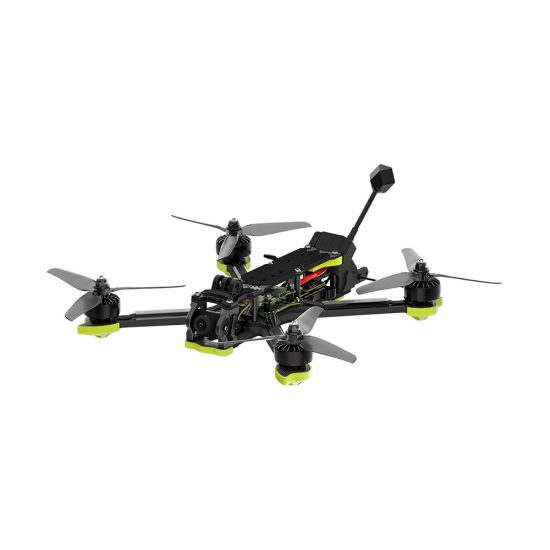


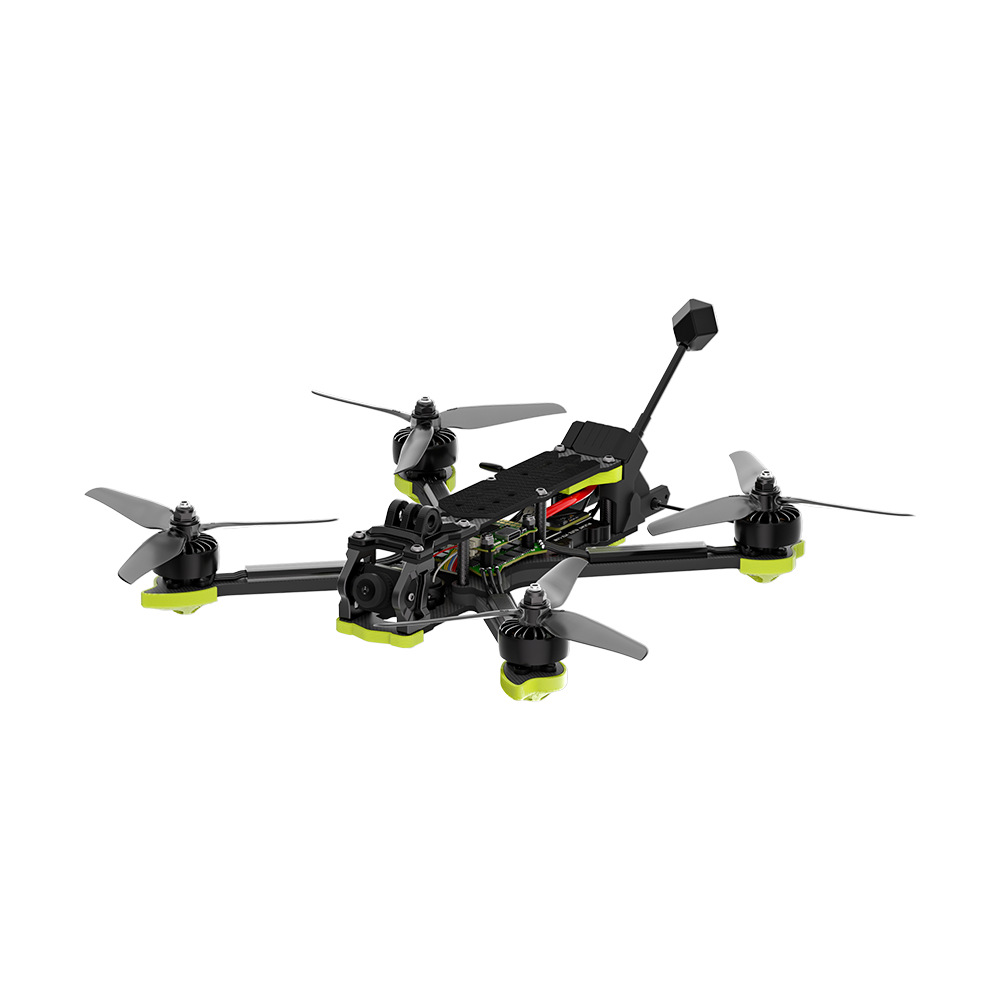


The battery is the heart of your drone. Modern unmanned aerial vehicles (UAVs) rely on advanced High-Density Lithium-Polymer (LiPo) or Intelligent Flight Batteries to deliver massive power in a lightweight package. However, these batteries are highly sensitive chemical components.
Improper handling, extreme temperatures, and poor storage habits can quickly lead to degraded flight times, permanent capacity loss, dangerous swelling (“bloating”), or even sudden power failure mid-air.
Whether you are operating under a scorching summer sun or in freezing winter conditions, this guide will show you how to protect your investment and extend your battery’s operational lifespan.
1. Winter Warfare: Cold Weather Protocols
Lithium ions move sluggishly in cold environments, causing internal resistance to spike. This results in a sharp, sudden drop in voltage during flight.
- Pre-Heat Before Takeoff: Never fly a cold battery. Keep your batteries in an inside pocket, a heated vehicle, or a specialized battery warming bag until the moment of takeoff. The core temperature of the battery should be at least 20^\circ\text{C} (68^\circ\text{F}) before deployment.
- The First-Minute Hover: After taking off in freezing temperatures, let the drone hover in place for 1 minute. This allows the internal electrical current to naturally warm the cells.
- Conservative Voltage Limits: In winter, land your drone much earlier than usual. Instead of landing at 20%, plan your landing at 30% to 35% battery capacity, as the voltage can plunge rapidly under high motor loads in cold air.
2. Summer Survival: Heat Mitigation Strategies
Extreme heat accelerates chemical degradation and can cause thermal runaway, permanently destroying the battery cells.
- Avoid Immediate Recharging: After a flight, a drone battery is naturally hot. Never plug a hot battery directly into a fast charger. Let it cool down completely to ambient temperature for 20–30 minutes first.
- Beware of Direct Sunlight: Never leave batteries in the trunk of a parked car or sitting in direct sunlight on a landing pad. Store them in a shaded, well-ventilated area.
- Monitor App Temperatures: Most enterprise and consumer flight apps display live battery temperature readouts. If your battery temperature climbs past 60^\circ\text{C} (140^\circ\text{F}), land the drone immediately to prevent permanent swelling.
3. The Golden Rules of Battery Storage
- Never Store 100% Full or 0% Empty: Storing a LiPo battery at 100% capacity for more than a few days causes chemical stress and swelling. Storing it completely dead (0%) can cause the cells to slip into a “deep discharge” state, rendering them permanently unchargeable.
- The Sweet Spot: If you aren’t planning to fly within the next 3 days, discharge or charge your batteries to a stable 50% to 60% capacity (approximately 3.8\text{V} to 3.85\text{V} per cell).
Frequently Asked Questions (FAQ)
Q1: My drone battery is slightly swollen or bloated. Can I still fly with it?
A: Absolutely not. A swollen battery is a clear indicator that the internal chemical layers have degraded and generated gas. Flying with a bloated battery drastically increases the risk of a sudden voltage drop mid-flight (causing the drone to drop from the sky) or, worse, catching fire. Dispose of it safely at a recycling center immediately.
Q2: How often should I calibrate my smart drone batteries?
A: If you are using intelligent flight batteries, it is highly recommended to fully deep-cycle them every 20 to 30 charge cycles. To do this, fly the drone until the battery reaches roughly 10% to 15%, let it cool down, and then charge it uninterrupted back to 100%. This resets the digital internal chip so your app reads flight times accurately.
Q3: Can I bring my drone batteries on a commercial flight for an overseas project?
A: Yes, but only in your carry-on luggage. International aviation safety regulations strictly prohibit loose lithium batteries in checked baggage due to fire risks. You must carry them with you in the cabin, and it is highly advised to place them in individual, fireproof LiPo safety bags with the connection terminals taped over.
Q4: Why does my drone battery discharge by itself after a few days?
A: This is actually a built-in safety feature of modern smart batteries. To prevent chemical stress, the battery’s intelligent firmware is programmed to automatically discharge excess power down to a safe storage level (around 60%) if it sits idle for more than a few days. You can usually customize this time frame (e.g., 1 to 10 days) within your drone’s app settings.


No comments yet