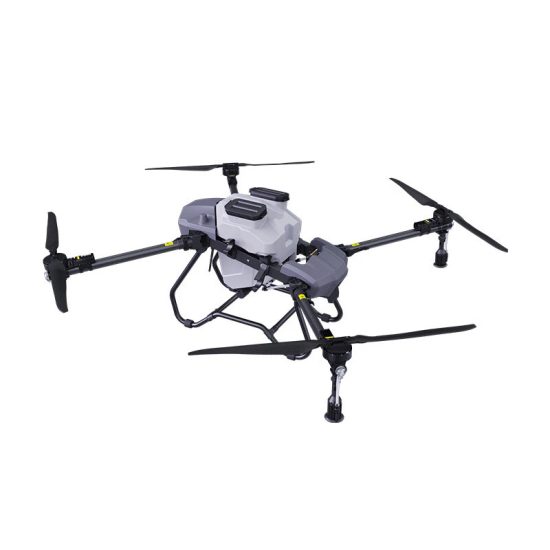


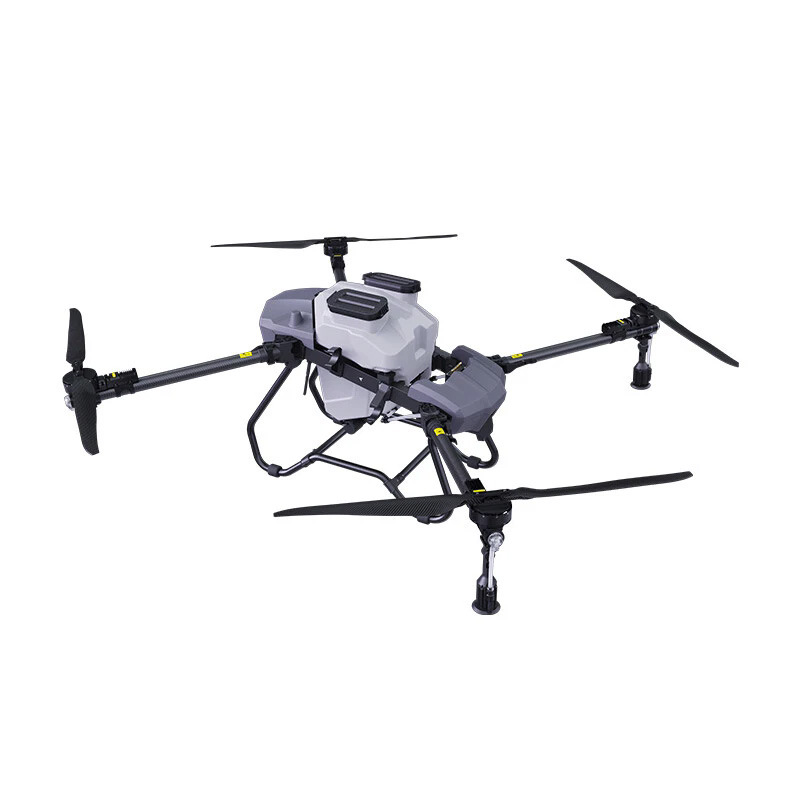
Industrial drones are widely used in agriculture, surveying, construction, energy inspection, and other professional fields. Compared with consumer drones, industrial drones are designed for longer operation time, higher accuracy, stronger durability, and specialized applications.
Choosing the right industrial drone requires understanding your application needs, technical requirements, and supplier capabilities.
1. Identify Your Industrial Drone Application
Before purchasing an industrial drone, determine the main purpose:
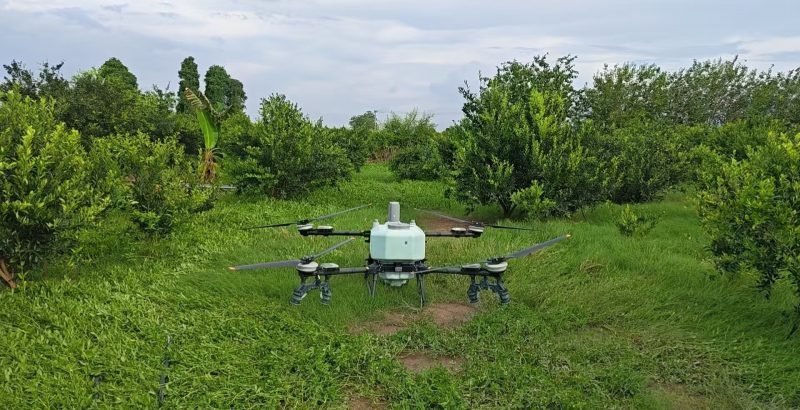
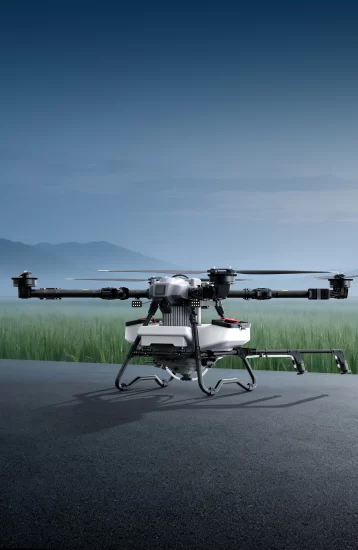
- Agricultural spraying: Crop protection, fertilizer spreading, and farm management
- Mapping and surveying: Land measurement, 3D modeling, and geographic data collection
- Infrastructure inspection: Power lines, bridges, pipelines, and buildings
- Security and monitoring: Large-area surveillance and emergency response
Different applications require different drone configurations and payload systems.
2. Consider Flight Performance and Stability
A professional industrial drone should provide:
- Stable flight control
- Accurate GPS positioning
- Long flight endurance
- Strong wind resistance
- Reliable communication distance
Stable performance ensures safe operation in complex working environments.
3. Choose the Right Payload System
Payload selection depends on your industry requirements.
Common payload options include:
- High-resolution cameras for mapping
- Thermal imaging cameras for inspection
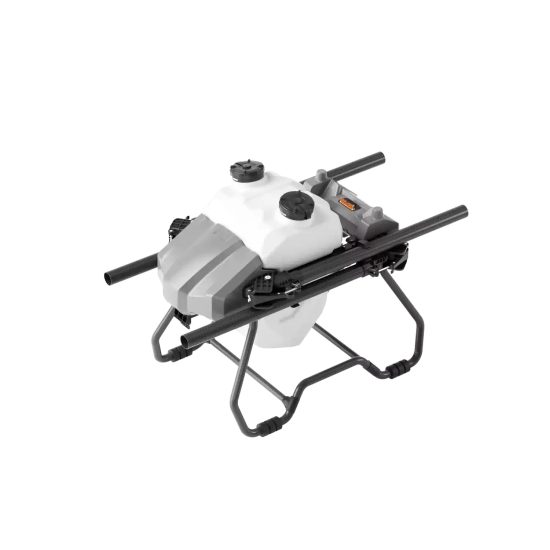
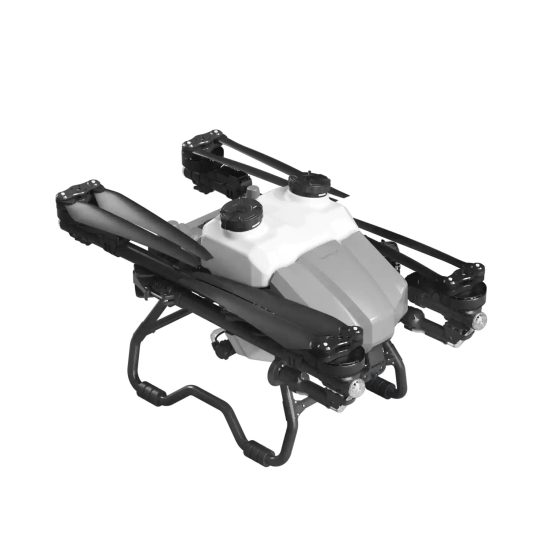
- Spraying tanks for agriculture
- LiDAR sensors for surveying
A flexible payload system allows one drone platform to support multiple applications.
4. Check Battery Life and Operating Efficiency
Battery performance directly affects productivity.
Important factors include:
- Battery capacity
- Flight duration
- Charging speed
- Battery replacement cost
- Intelligent battery management system
For commercial operations, longer flight time means higher efficiency and lower operating costs.
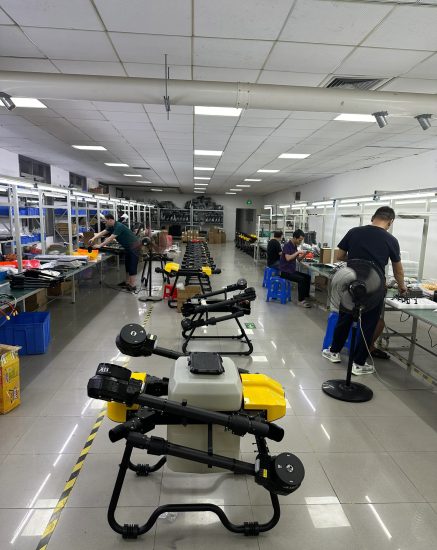
5. Evaluate Drone Manufacturer Capability
When choosing an industrial drone supplier, consider:
- Manufacturing experience
- Product testing standards
- Technical support
- Spare parts availability
- OEM/ODM customization service
A reliable manufacturer can provide better solutions for different industries.
6. Industrial Drone FAQ
Q1: What industries use industrial drones?
Industrial drones are used in agriculture, construction, surveying, mining, energy, logistics, and emergency services.
Q2: What is the difference between industrial drones and consumer drones?
Industrial drones usually have stronger durability, longer flight time, professional sensors, higher payload capacity, and industry-specific functions.
Q3: Can industrial drones be customized?
Yes. Many manufacturers provide customized solutions, including hardware upgrades, software development, camera systems, and application-specific designs.
Q4: How do I import industrial drones from China?
Buyers should confirm drone specifications, certifications, shipping requirements, customs regulations, and local operation rules before importing.
Conclusion
Selecting the right industrial drone depends on your application, payload requirements, flight performance, and supplier reliability. Working with an experienced drone manufacturer helps businesses improve efficiency and achieve better results.
Looking for a professional industrial drone supplier? Contact us for customized drone solutions, OEM services, and global delivery support.


No comments yet