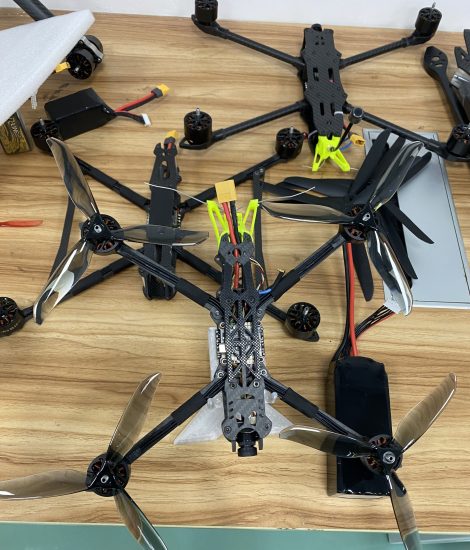



The global drone market continues to expand across agriculture, industrial inspection, mapping, aerial photography, security, and commercial services. For distributors, agricultural suppliers, wholesalers, and technology companies, building a private drone brand is becoming an increasingly attractive business opportunity.
However, developing a drone from zero is expensive and technically demanding. Research and development, hardware testing, software systems, manufacturing, certification, and after-sales support require significant investment.
This is why many companies choose OEM drone manufacturing to launch products faster while building their own brand identity.
What Is OEM Drone Manufacturing?
OEM (Original Equipment Manufacturing) means working with a manufacturer that designs and produces drones which can be customized under your own brand.
Instead of building a factory or engineering team from scratch, companies cooperate with an experienced drone manufacturer to produce drones with:
- Custom logo and branding
- Product specification adjustments
- Packaging customization
- Firmware or software configuration
- Local market adaptation
- Private label business opportunities
OEM manufacturing allows businesses to focus more on sales, market development, and customer relationships.
Why Businesses Choose OEM Drone Manufacturing
Building a drone brand independently requires major investment.
For many companies, OEM reduces business risk and shortens product launch time.
Common reasons companies choose OEM include:
- Faster market entry
- Lower development cost
- Reduced production risk
- Existing manufacturing expertise
- Easier product scaling
- Private branding opportunities
Instead of spending years on development, businesses can enter markets more quickly with a ready manufacturing system.
This is especially valuable in competitive agricultural drone markets where speed matters.
Define Your Target Market First
Before selecting an OEM manufacturer, businesses should first define their target customers.
Questions to ask include:
- Who will buy the drone?
- What industries will be targeted?
- What problems does the drone solve?
- Which regions or countries are priorities?
- Will the focus be agriculture, industrial inspection, or aerial imaging?
For example:
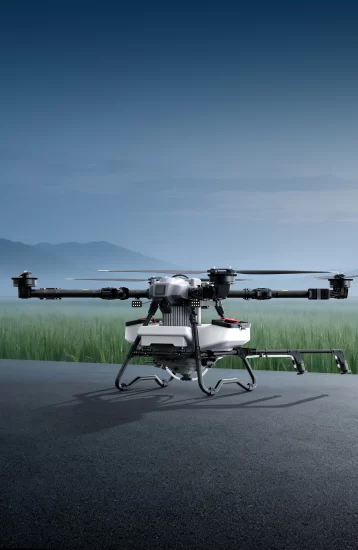
Agricultural drone buyers may prioritize payload capacity, spraying precision, and battery workflow.
Photography drone buyers may care more about image quality and flight stability.
Different industries require different product positioning.
Choose the Right Drone Category
Not every drone serves the same market.
A successful OEM strategy begins with selecting the correct product direction.
Common categories include:
- Agricultural spraying drones
- Fertilizer spreading drones
- Mapping and surveying drones
- Industrial inspection drones
- Aerial photography drones
- Multi-purpose commercial drones
Product-market fit matters more than offering too many options.
Many successful distributors start with a focused niche rather than trying to serve every industry immediately.
Evaluate Manufacturing Capability Carefully
Choosing the right OEM manufacturer is one of the most important decisions.
Before cooperation, businesses should evaluate:
- Manufacturing experience
- Product stability
- Quality control process
- Technical support capability
- Spare parts supply
- Production scalability
- Engineering support availability
Professional suppliers usually provide technical communication, production updates, and after-sales assistance.
Reliability matters because poor product consistency can damage brand reputation.
Custom Branding Is More Than Adding a Logo
Many buyers assume OEM simply means putting a logo on existing equipment.
Professional OEM projects often go further.
Possible customization may include:
- Brand identity and packaging
- Product appearance adjustments
- Local language software support
- Battery configuration choices
- Market-specific feature changes
- Customized manuals and documentation
A stronger brand experience improves market trust and differentiation.
Understand Certification and Market Requirements
Drone regulations vary between countries.
Before launching products, businesses should understand local requirements such as:
- Product certification
- Import regulations
- Safety standards
- Flight compliance requirements
Ignoring compliance issues may create delays or market entry problems.
Working with experienced OEM suppliers often helps simplify this process.
Build an After-Sales Service Strategy
A successful drone brand depends on customer support.
Professional buyers often ask:
“What happens after the sale?”
Important service areas include:
- Spare parts availability
- Technical troubleshooting
- Maintenance guidance
- Operator training
- Warranty process
Good after-sales support helps increase customer trust and repeat business.
For distributors, service quality often becomes a competitive advantage.
Think Beyond the First Order
Starting a drone brand is not only about purchasing inventory.
Long-term planning matters.
Successful businesses usually think about:
- Product roadmap development
- Market expansion
- Customer feedback systems
- Brand reputation
- Distribution partnerships
OEM manufacturing works best when treated as a long-term business partnership instead of a one-time purchase.
Is OEM Right for Your Business?
OEM drone manufacturing can be a practical path for businesses that want to enter drone markets without investing heavily in product development.
For agricultural suppliers, distributors, and commercial technology companies, OEM provides an opportunity to build a recognizable brand while leveraging existing manufacturing expertise.
The key is choosing the right market, selecting the right manufacturing partner, and building a sustainable business strategy.
FAQ
What is OEM drone manufacturing?
OEM drone manufacturing allows businesses to sell drones under their own brand while production is handled by an experienced manufacturer.
Do I need a factory to start my own drone brand?
No. OEM partnerships allow companies to launch branded drones without owning manufacturing facilities.
Can OEM drones be customized?
Yes. Many manufacturers support branding, packaging, specifications, software settings, and market-specific customization.
Is OEM suitable for agricultural drone distributors?
Yes. Agricultural suppliers and distributors often use OEM manufacturing to create branded drone solutions for local markets.
What should I look for in an OEM drone supplier?
Focus on product quality, manufacturing experience, technical support, spare parts availability, scalability, and long-term cooperation potential.


No comments yet