



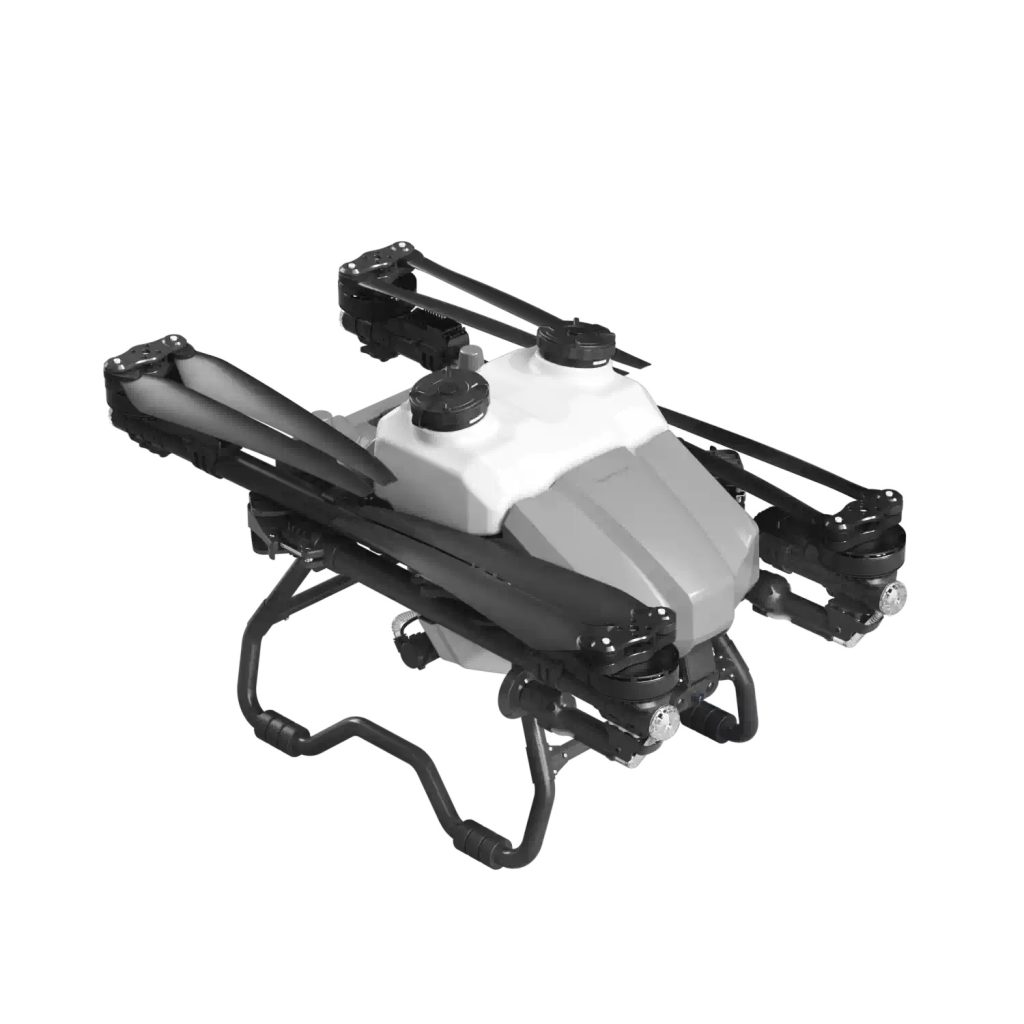
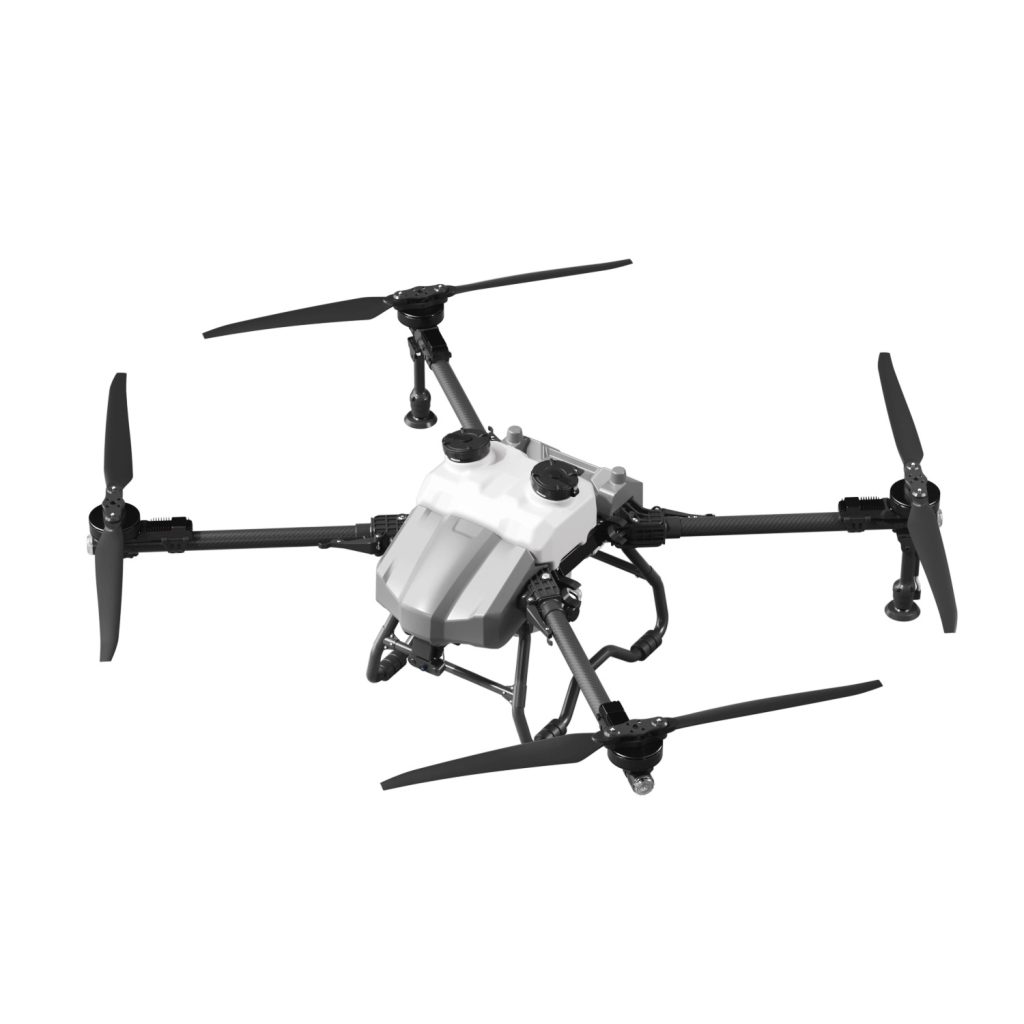
Reducing pesticide waste has become an important goal for modern agriculture. Excessive chemical use increases farming costs, harms crop quality, creates environmental pressure, and lowers spraying efficiency. Agricultural drones are increasingly used because they help farmers apply pesticides more accurately while improving operational efficiency.
However, simply using a drone does not automatically reduce pesticide waste. Proper equipment selection, spraying settings, route planning, nozzle performance, and operational techniques all affect spraying results.
This guide explains how precision agricultural drone spraying can help reduce pesticide waste and improve farm efficiency.
Why Pesticide Waste Happens in Traditional Farming
Many farms lose pesticides because of inefficient spraying methods.
Common causes include:
-
Uneven chemical coverage
-
Overspraying certain areas
-
Wind drift during operation
-
Poor spraying equipment performance
-
Incorrect pesticide mixing ratios
-
Inconsistent manual operation
These problems often increase production costs while reducing crop protection effectiveness.
Precision agricultural drone spraying helps solve many of these issues.
How Agricultural Drones Improve Spraying Precision
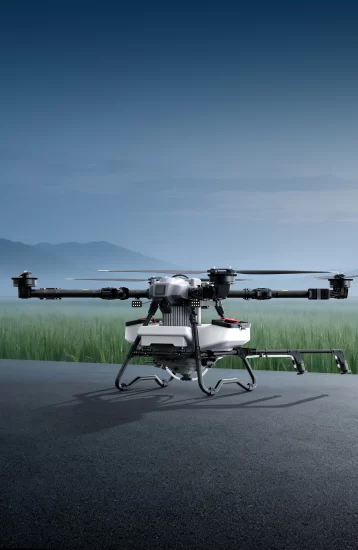
Agricultural drones are designed to deliver more controlled and consistent spraying compared with traditional methods.
Benefits include:
-
Better spray accuracy
-
More uniform pesticide distribution
-
Reduced labor requirements
-
Lower chemical waste
-
Improved operational efficiency
Precision spraying allows chemicals to be distributed where they are needed rather than wasted across unnecessary areas.
1. Maintain Correct Flight Height
Flight height has a major impact on pesticide distribution.
If a drone flies too high:
-
Spray drift increases
-
Wind interference becomes stronger
-
Pesticides may miss crop targets
If a drone flies too low:
-
Excessive concentration may occur
-
Crop damage risks increase
-
Coverage becomes inconsistent
How to improve spraying efficiency:
Maintain stable flight height according to crop type and field conditions.
Examples:
Rice and Wheat Fields
Low and stable spraying altitude generally improves coverage consistency.
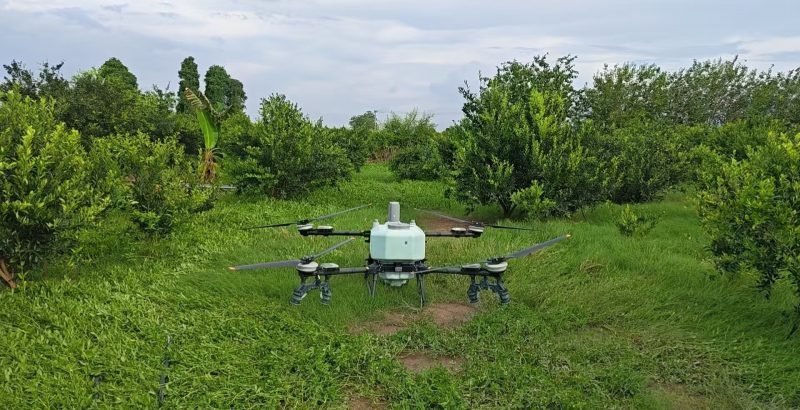
Orchards and Fruit Trees
Tree height differences require more flexible flight control to improve penetration.
Maintaining correct height reduces chemical waste and improves spray effectiveness.
2. Adjust Flight Speed Properly
Speed directly affects pesticide distribution.
When drones fly too fast:
-
Crops receive insufficient coverage
-
Spray becomes inconsistent
-
Pesticide effectiveness decreases
When drones fly too slowly:
-
Excessive pesticide use may occur
-
Operating cost increases
How to reduce waste:
Maintain a balanced and stable spraying speed suitable for crop density and nozzle system performance.
Consistent operation improves spraying precision.
3. Use High-Quality Nozzles
Nozzle quality strongly affects pesticide efficiency.
Poor nozzles may cause:
-
Uneven droplet size
-
Blocked spray flow
-
Excessive chemical consumption
High-quality nozzles help:
-
Improve spray uniformity
-
Increase penetration performance
-
Reduce chemical waste
Routine cleaning and inspection are equally important.
Blocked or damaged nozzles often lead to poor spraying results.
4. Spray Under Suitable Weather Conditions
Weather conditions influence spraying effectiveness more than many operators realize.
Strong wind may cause:
-
Spray drift
-
Chemical loss
-
Uneven crop coverage
High temperature may increase:
-
Evaporation speed
-
Reduced spraying effectiveness
Best practices:
Many operators prefer spraying during:
-
Early morning
-
Late afternoon
-
Low wind conditions
Stable weather improves pesticide utilization.
5. Improve Route Planning and Field Coverage
Poor route planning wastes chemicals.
Common mistakes include:
-
Overlapping spray zones
-
Missed areas
-
Inconsistent flight paths
How to reduce waste:
Use intelligent route planning systems and maintain proper spacing between spray paths.
Automated flight routes improve consistency and reduce unnecessary overlap.
6. Use Correct Pesticide Mixing Ratios
Improper pesticide concentration increases waste.
Common problems include:
-
Excessive chemical concentration
-
Poor liquid atomization
-
Increased nozzle blockage
Solutions:
-
Follow recommended chemical mixing instructions
-
Mix liquids carefully
-
Filter liquids before spraying
Correct preparation improves spraying quality and reduces waste.
7. Maintain Your Agricultural Drone Regularly
Equipment maintenance affects spraying efficiency.
Important maintenance areas include:
-
Spray nozzles
-
Pumps
-
Battery system
-
Flight sensors
-
Propellers
Poor maintenance often results in unstable spraying performance.
Routine inspection helps maintain precision.
How Precision Spraying Helps Farms Save Money
Reducing pesticide waste creates several financial benefits.
Potential advantages include:
-
Lower chemical cost
-
Reduced labor requirement
-
Better crop protection
-
Improved spraying efficiency
-
More predictable operational results
For medium and large farms, small improvements in pesticide efficiency can significantly reduce annual operating expenses.
OEM Agricultural Drone Solutions for Precision Farming
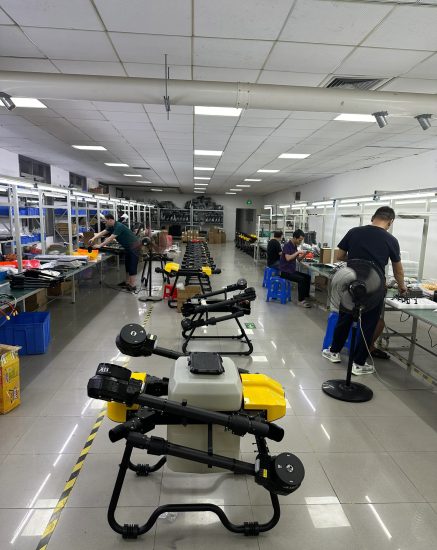
Some farms and distributors require customized drone solutions for local agricultural conditions.
Possible OEM and ODM customization includes:
-
Crop-specific spraying systems
-
Customized tank size
-
Precision nozzle upgrades
-
Smart route planning systems
-
Local farming environment optimization
Professional suppliers can help improve spraying performance based on regional needs.
Final Thoughts
Precision agricultural drone spraying helps reduce pesticide waste through stable flight control, accurate route planning, efficient nozzle systems, and better operational consistency. However, technology alone is not enough. Proper maintenance, correct spraying techniques, and suitable environmental conditions are equally important.
By improving spraying accuracy, farms can lower costs, reduce chemical waste, and achieve more consistent crop protection results.
FAQ
How do agricultural drones reduce pesticide waste?
Agricultural drones improve spraying precision through stable flight control, accurate coverage, and intelligent route planning, helping reduce overspraying and chemical loss.
Does flight speed affect pesticide efficiency?
Yes. Flying too fast or too slow may reduce spraying consistency and increase pesticide waste.
Why are nozzles important in agricultural drone spraying?
Nozzles control droplet size and spray consistency. Poor nozzle performance may cause uneven pesticide distribution.
Can weather affect pesticide waste?
Yes. Strong wind and high temperatures may reduce spraying accuracy and increase chemical loss.
Is route planning important for precision spraying?
Yes. Good route planning helps avoid overlapping and missed spray zones, reducing unnecessary chemical use.
Can agricultural drones be customized for different crops?
Yes. OEM and ODM agricultural drones can be customized for local crops, spraying requirements, and farming environments.
Related Articles
-
How to Choose the Right Agricultural Drone for Your Farm Size and Crops?
-
Why Is My Agricultural Drone Spraying Unevenly and How Can I Fix It?
-
How to Extend Agricultural Drone Battery Life and Reduce Downtime?
-
What Should I Check Before Buying an Agricultural Drone from China?
Want to improve spraying precision and reduce pesticide waste? Contact Msoen for professional agricultural drone solutions, OEM/ODM customization, and technical support.
THE END


No comments yet