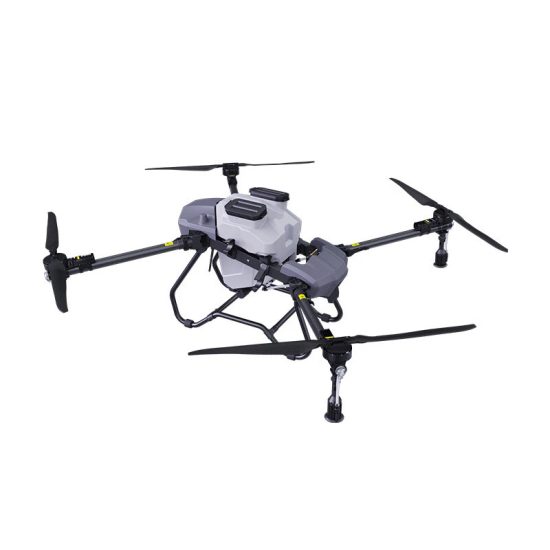


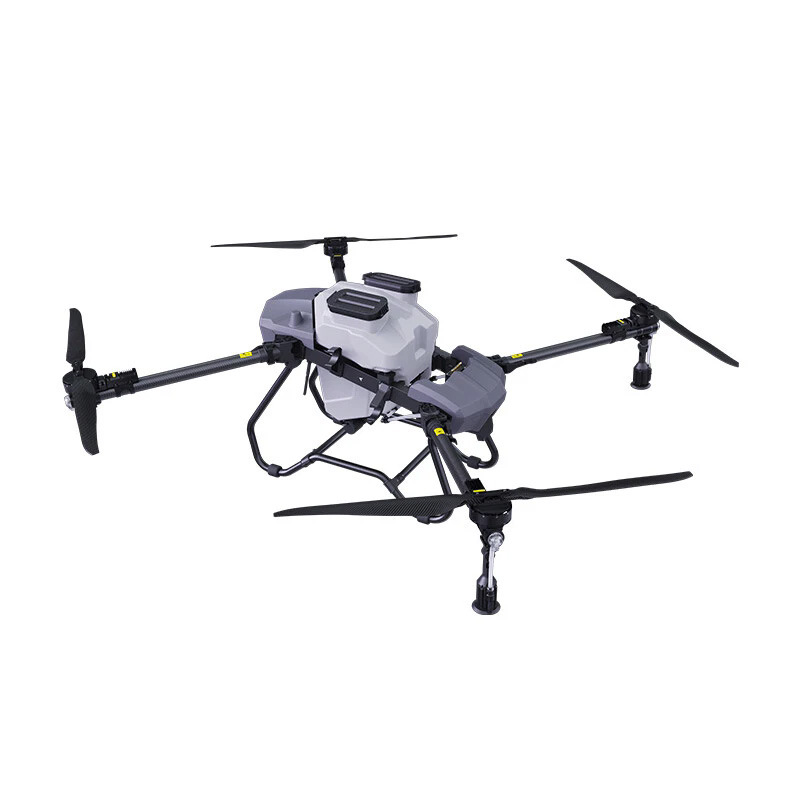
Regular maintenance is essential for keeping an agricultural drone operating safely, efficiently, and reliably. Proper care not only extends the lifespan of the drone but also reduces repair costs, minimizes downtime, and ensures accurate spraying performance throughout the farming season.
This guide covers the most important maintenance practices every agricultural drone owner should follow.
Why Is Regular Maintenance Important?
Agricultural drones operate in demanding environments where they are exposed to dust, moisture, pesticides, fertilizers, and varying weather conditions. Without routine maintenance, these factors can reduce performance and shorten the life of key components.
Benefits of regular maintenance include:
- Longer equipment lifespan
- Improved flight stability
- Better spraying accuracy
- Lower repair costs
- Increased operational safety
- Reduced downtime during peak farming seasons
1. Clean the Drone After Every Flight
Chemical residue, dust, and dirt can accumulate on the drone after spraying operations.
Maintenance Tips:
- Wipe the drone with a soft cloth.
- Clean the spray tank thoroughly.
- Flush the pump and pipelines with clean water.
- Remove pesticide residue from nozzles.
- Keep cooling vents free of dirt.
Never store the drone with chemicals remaining inside the spraying system.
2. Inspect the Propellers
Propellers experience continuous stress during flight.
Check for:
- Cracks
- Chips
- Warping
- Loose mounting
Replace damaged propellers immediately to avoid vibration and unstable flight.
3. Maintain the Battery Properly
The battery is one of the most valuable components of an agricultural drone.
Best practices include:
- Use only approved chargers.
- Allow batteries to cool before charging.
- Store batteries in a cool, dry place.
- Avoid overcharging or deep discharging.
- Monitor battery health and charging cycles.
Proper battery care helps maximize flight time and extends battery lifespan.
4. Check Motors Regularly
Motors should rotate smoothly without unusual sounds.
Inspect for:
- Dirt buildup
- Loose screws
- Bearing wear
- Excessive heat after flight
Clean motors carefully and replace damaged parts when necessary.
5. Inspect the Spraying System
An efficient spraying system is critical for precise pesticide application.
Check regularly:
- Spray nozzles
- Water pump
- Hoses
- Filters
- Flow sensors
Replace blocked or worn nozzles to maintain even spray coverage.
6. Tighten Screws and Frame Components
Continuous vibration may loosen fasteners over time.
Inspect:
- Frame connections
- Landing gear
- Motor mounts
- Battery holders
Tighten loose hardware according to the manufacturer’s specifications.
7. Update Firmware
Manufacturers frequently release firmware updates that improve safety, stability, and flight performance.
Always:
- Back up important settings.
- Follow official update procedures.
- Test the drone after updating.
- Recalibrate sensors if required.
8. Store the Drone Correctly
Proper storage prevents unnecessary wear.
Store your drone:
- In a dry environment
- Away from direct sunlight
- At moderate temperatures
- Inside a protective carrying case
- Away from corrosive chemicals
For long-term storage, partially charge the batteries according to the manufacturer’s recommendations.
Recommended Maintenance Schedule
| Maintenance Item | Frequency |
|---|---|
| Clean drone | After every flight |
| Check propellers | Before every flight |
| Inspect battery | Before and after every flight |
| Clean spray system | After every spraying operation |
| Check motors | Weekly or every 20–30 flight hours |
| Tighten screws | Monthly |
| Update firmware | When official updates are released |
| Full inspection | At the beginning of each farming season |
Frequently Asked Questions (FAQ)
How often should I clean my agricultural drone?
The drone should be cleaned after every spraying operation to remove chemical residue and dirt.
How long can an agricultural drone last?
With proper maintenance and responsible operation, a high-quality agricultural drone can provide reliable service for many years.
When should I replace the propellers?
Replace propellers immediately if they show cracks, chips, deformation, or excessive wear.
Does regular maintenance improve spraying accuracy?
Yes. A clean spraying system, healthy motors, and properly maintained propellers all contribute to more accurate and consistent spray performance.
Final Thoughts
Routine maintenance is the key to maximizing the performance and lifespan of your agricultural drone. By cleaning the drone after every operation, inspecting critical components, maintaining the battery, updating firmware, and following a regular maintenance schedule, you can reduce unexpected failures and keep your drone operating efficiently season after season. A well-maintained agricultural drone is a valuable investment that delivers reliable performance and better productivity in modern farming.


No comments yet