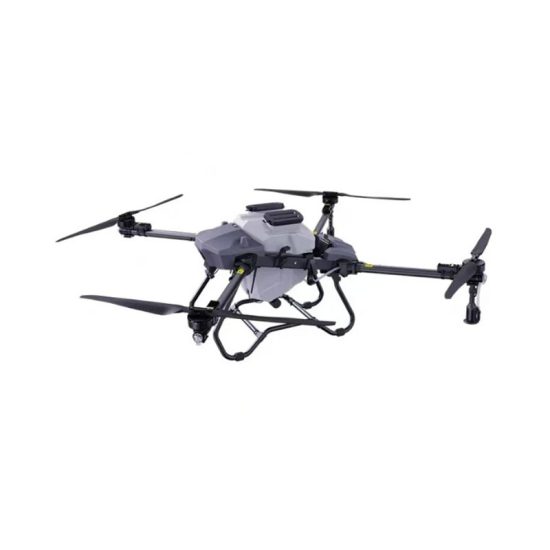


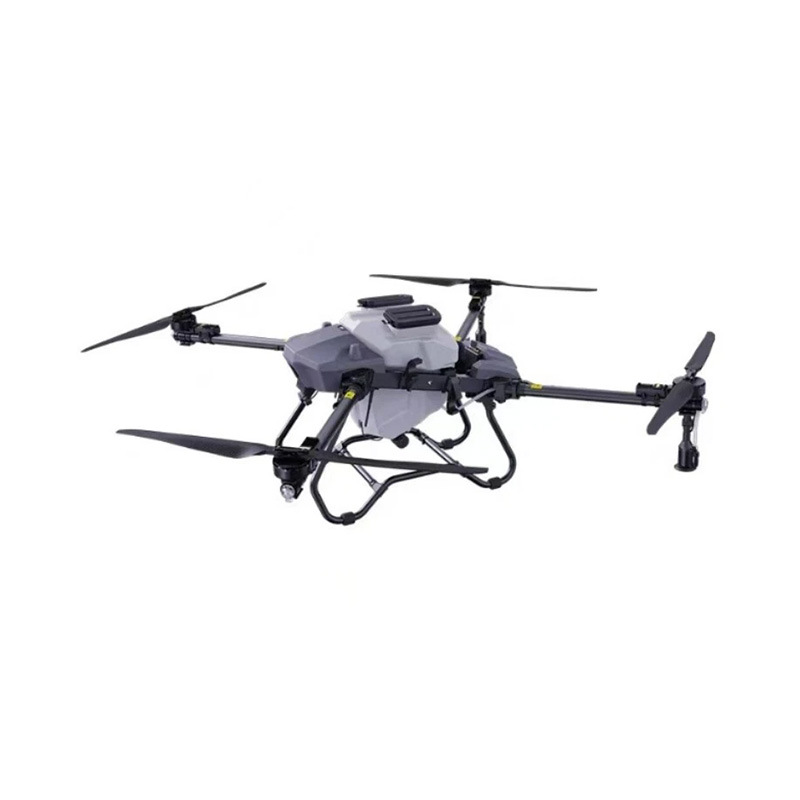
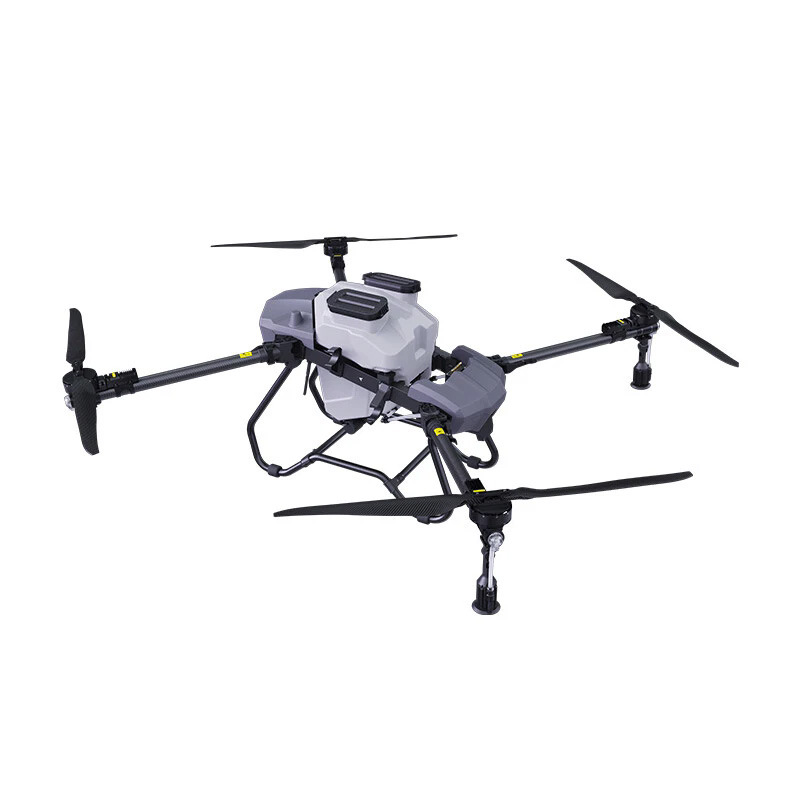

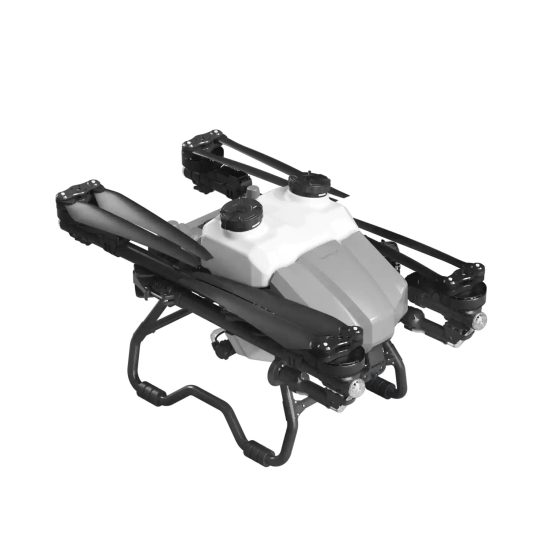
A spraying system is one of the most important parts of an agricultural drone. Stable spraying performance helps improve pesticide application accuracy, reduce waste, and increase farming efficiency. However, problems such as blocked nozzles, weak spray pressure, uneven spraying, or pump failure may occasionally interrupt operations.
This guide explains common drone spraying system problems and practical troubleshooting methods to help operators keep agricultural drones working efficiently.
Why Spraying System Maintenance Matters
A properly functioning spraying system helps:
-
Improve spraying accuracy
-
Reduce chemical waste
-
Increase field coverage efficiency
-
Prevent downtime during operations
-
Improve crop treatment consistency
Ignoring spraying system problems may reduce spraying effectiveness and affect agricultural productivity.
1. Spray Nozzles Are Blocked
Blocked nozzles are one of the most common spraying problems.
Possible Causes
-
Dirt or debris inside the nozzle
-
Chemical residue buildup
-
Poor cleaning after operation
-
Contaminated liquid in the tank
How to Fix It
-
Turn off the drone safely.
-
Remove the nozzle carefully.
-
Clean with water or approved cleaning solution.
-
Inspect for blockage or damage.
-
Reinstall and test spray flow.
Regular cleaning helps prevent future blockage.
2. Weak Spray Pressure
Low spray pressure may reduce spraying coverage and accuracy.
Possible Causes
-
Pump performance issues
-
Hose leakage
-
Low battery performance
-
Partial nozzle blockage
-
Incorrect system settings
How to Fix It
-
Check the liquid pump condition
-
Inspect hoses for leaks or loose connections
-
Verify battery status
-
Clean nozzles if necessary
-
Test system performance before field operation
Stable pressure improves spray consistency.
3. Uneven Spraying Pattern
Uneven spraying may lead to inconsistent crop treatment.
Possible Causes
-
Blocked spray nozzles
-
Different nozzle wear levels
-
Incorrect flight altitude
-
Uneven liquid flow
How to Fix It
-
Clean or inspect all nozzles
-
Replace damaged spray components if needed
-
Maintain consistent flight height
-
Test spray distribution before operation
Uniform spraying improves application efficiency.
4. Pump System Not Working
If the spray pump stops working, liquid may not be delivered properly.
Possible Causes
-
Electrical connection issue
-
Pump blockage
-
Internal wear
-
Empty liquid tank
How to Fix It
-
Check liquid level in the tank.
-
Inspect electrical connections.
-
Test pump response.
-
Check for hose blockage.
-
Restart the spraying system.
Routine inspections help reduce unexpected interruptions.
5. Liquid Leakage During Operation
Liquid leaks may waste chemicals and affect system performance.
Possible Causes
-
Loose hose connection
-
Damaged seals
-
Cracked liquid tank
-
Worn fittings
How to Fix It
-
Tighten hose connections
-
Inspect sealing components
-
Replace damaged parts if necessary
-
Check tank condition carefully
Fix leaks immediately before flight.
6. Spraying Stops Suddenly
Sudden spraying interruption may affect productivity.
Possible Causes
-
Low battery power
-
Empty tank
-
Pump failure
-
Blocked hose
-
Software interruption
How to Fix It
-
Check battery level
-
Inspect liquid amount
-
Restart spraying system
-
Inspect pump and hose condition
-
Test system before resuming work
Early troubleshooting reduces downtime.
Daily Spraying System Inspection Checklist
Before every agricultural mission, check:
✓ Nozzles clean and unobstructed
✓ Pump functioning correctly
✓ Tank sealed securely
✓ Hoses connected properly
✓ No leakage present
✓ Battery sufficient for operation
A short inspection may prevent expensive repairs later.
Tips to Prevent Spraying Problems
Good maintenance habits improve reliability.
Recommended practices:
-
Clean nozzles after every use
-
Flush the spraying system regularly
-
Inspect hoses and seals often
-
Store equipment in a dry environment
-
Test spray flow before field work
Preventive maintenance keeps operations smooth and efficient.
Common Operator Mistakes
Avoid these mistakes:
-
Ignoring small nozzle blockage
-
Flying with leaking hoses
-
Skipping system testing
-
Using contaminated liquid mixtures
-
Forgetting post-operation cleaning
Small issues can become larger repair problems if ignored.
FAQ
Why is my drone spraying unevenly?
Blocked nozzles, poor liquid flow, or inconsistent flight height are common reasons.
What should I do if spray pressure becomes weak?
Inspect the pump, hose connections, battery condition, and nozzle cleanliness.
How often should nozzles be cleaned?
Cleaning after every spraying operation is recommended.
Why does the spraying system stop suddenly?
Battery issues, liquid shortage, blockage, or pump problems may interrupt spraying.
How can I improve spraying performance?
Routine inspections, regular cleaning, and pre-flight testing help maintain stable spraying results.
Article Link:
How to Fix Drone Spraying System Problems
THE END


No comments yet