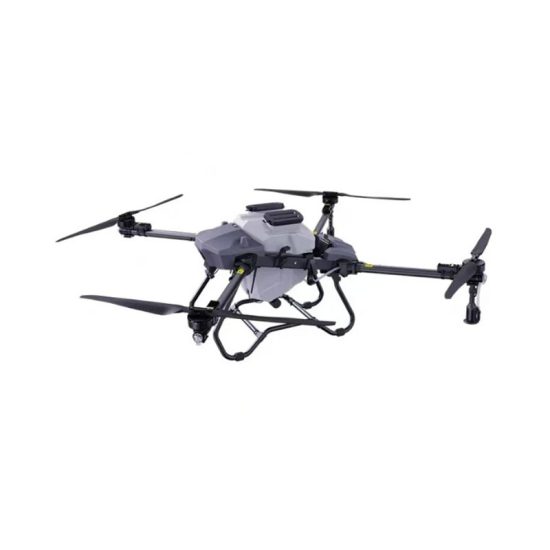


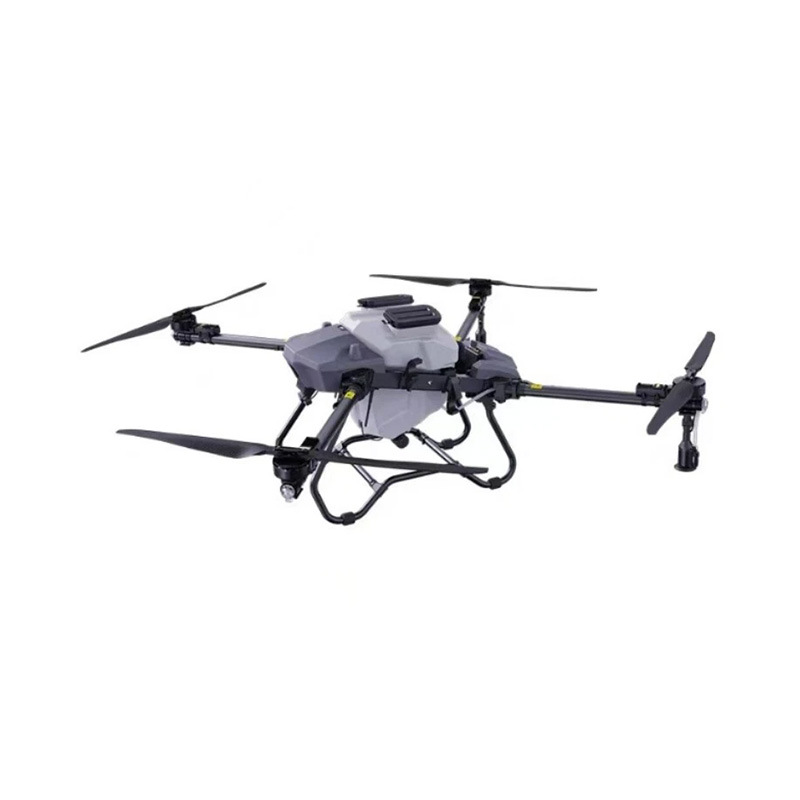
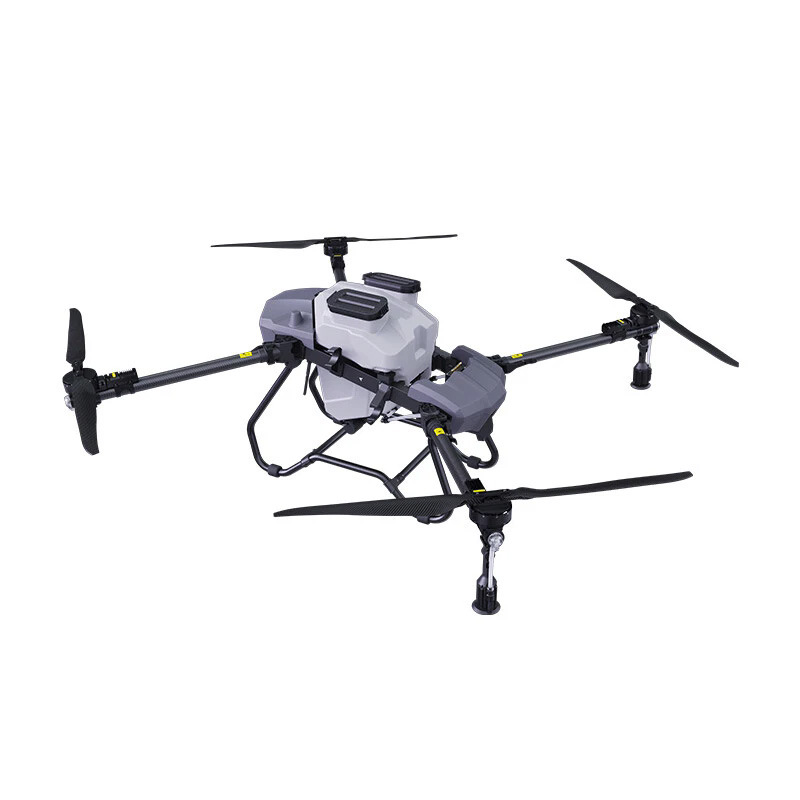

Choosing the right agricultural drone is not simply about buying the biggest tank or the most expensive model. Different farm sizes, crop types, spraying requirements, and working environments all influence which drone is suitable. For farm owners, agricultural cooperatives, and distributors, selecting the right spraying drone can improve efficiency, reduce chemical waste, and lower operating costs over time.
This guide explains how to choose the right agricultural drone according to farm size, crops, terrain, spraying needs, and battery performance.
Why Choosing the Right Agricultural Drone Matters
Many buyers focus only on price or payload size when selecting a drone. However, the wrong model may result in:
- Lower spraying efficiency
- Uneven pesticide coverage
- Higher battery consumption
- Increased maintenance costs
- More labor and downtime
A properly selected agricultural drone helps farmers improve spraying accuracy, save labor, and increase field productivity.
Step 1: Consider Your Farm Size
Farm size is one of the most important factors when choosing an agricultural drone.
Small Farms (Less Than 20 Hectares)
For small farms, orchards, vegetable fields, or family-owned operations, compact spraying drones are usually more practical.
Recommended features:
- Lightweight design
- Easy transportation
- Lower operating costs
- Faster setup time
- Suitable for narrow farming areas
Smaller drones are often easier to operate and maintain, especially for new drone users.
Medium Farms (20–100 Hectares)
Medium-scale farms often require drones with balanced spraying capacity and flight efficiency.
Recommended features:
- Moderate tank capacity
- Stable spraying system
- High spraying precision
- Efficient battery replacement system
- Suitable for daily spraying operations
These drones are commonly used for rice fields, wheat farms, fruit plantations, and mixed agricultural operations.
Large Farms (100+ Hectares)
Large-scale agricultural operations usually prioritize productivity and efficiency.
Recommended features:
- Large payload capacity
- High spraying speed
- Long endurance batteries
- Fast charging systems
- Precision route planning
For commercial farming and agricultural service providers, larger agricultural drones can significantly reduce labor costs while improving spraying consistency.
Step 2: Match the Drone to Crop Type
Different crops require different spraying methods.
Rice and Wheat Fields
Large open fields generally benefit from high-efficiency spraying drones with wide coverage and stable flight performance.
Important considerations:
- Wide spraying width
- Efficient liquid distribution
- Stable low-altitude flight
- High work efficiency
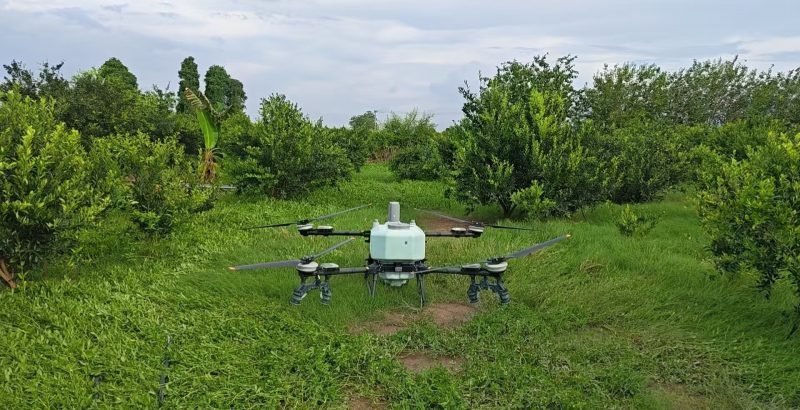
Orchards and Fruit Trees
Orchards require more precise spraying because trees vary in height and density.
Important considerations:
- Adjustable spraying angle
- Strong airflow penetration
- Precision flight control
- Flexible obstacle avoidance
Vegetables and Greenhouse Farms
Vegetable farms often require accurate low-volume spraying.
Important considerations:
- Precision nozzle systems
- Gentle spraying performance
- Compact size for smaller areas
Selecting a drone according to crop characteristics improves pesticide efficiency and reduces chemical waste.
Step 3: Evaluate Battery Performance
Battery performance directly affects daily productivity.
Many buyers underestimate how important battery systems are.
When selecting an agricultural drone, consider:
- Battery charging speed
- Battery lifespan
- Capacity for long working hours
- Quick replacement system
- Intelligent battery monitoring
For large farms, multiple batteries and dual-channel charging systems help reduce downtime and improve productivity.
Step 4: Understand Local Farming Conditions
Environmental conditions also matter.
Before purchasing, consider:
- Wind conditions
- Terrain complexity
- Farm accessibility
- Climate and temperature
- Crop density
For example, farms located in windy areas may require drones with stronger flight stability and precise spray control.
Step 5: Think About Maintenance and Spare Parts
Agricultural drones work in demanding environments. Reliable after-sales support is important.
Before buying, ask suppliers:
- Are spare parts easy to replace?
- Is technical support available?
- Can batteries and accessories be supplied quickly?
- Is operator training available?
Reliable maintenance support helps reduce downtime during spraying seasons.
OEM and Custom Agricultural Drone Solutions
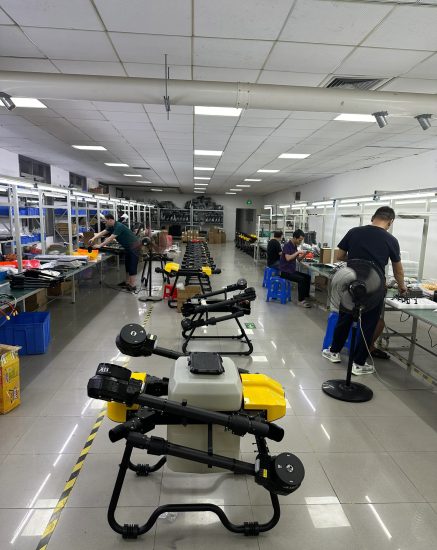
For distributors, agricultural projects, and large-scale farming companies, OEM and ODM customization may be important.
Custom options may include:
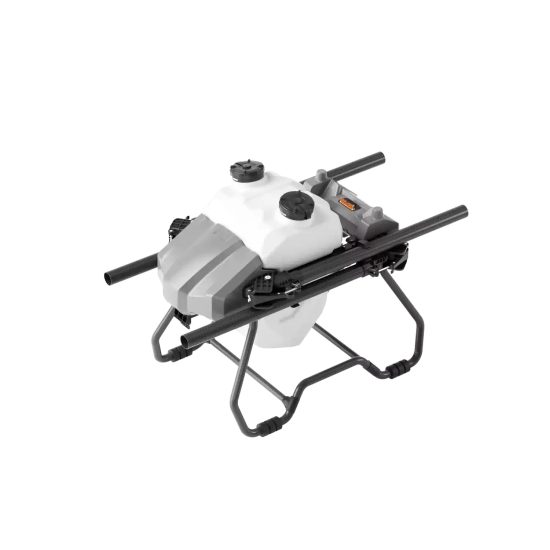
- Tank size adjustment
- Branding and logo customization
- Battery configuration
- Spraying system upgrades
- Crop-specific spraying solutions
Choosing a supplier with customization capability can help local agricultural businesses better meet regional farming needs.
Final Thoughts
The best agricultural drone depends on your farm size, crop type, working environment, and operational requirements. Instead of selecting the cheapest or largest drone, farmers should focus on efficiency, spraying accuracy, battery performance, and long-term operating cost.
A suitable agricultural drone can improve productivity, reduce labor pressure, and deliver more consistent spraying results over time.
FAQ
What size agricultural drone is best for small farms?
Small farms generally benefit from compact agricultural drones that are easier to transport, operate, and maintain while still providing effective spraying performance.
How do I choose an agricultural drone for rice fields?
Rice fields often require drones with efficient spraying coverage, stable flight control, and sufficient battery endurance for large-area operations.
Does farm size affect agricultural drone selection?
Yes. Larger farms usually require higher payload capacity and faster spraying efficiency, while smaller farms may benefit from lightweight and flexible models.
Why is battery performance important in agricultural drones?
Battery performance affects flight time, productivity, and operational efficiency. Faster charging and quick battery replacement help reduce downtime.
Can agricultural drones be customized?
Yes. Many agricultural drone manufacturers offer OEM and ODM services, including branding, tank size options, battery systems, and spraying upgrades.
How can I choose the right agricultural drone supplier?
Choose suppliers with reliable technical support, spare part availability, product customization, and experience in agricultural applications.
Related Articles
- Why Is My Agricultural Drone Spraying Unevenly and How Can I Fix It?
- How to Extend Agricultural Drone Battery Life and Reduce Downtime?
- What Maintenance Does an Agricultural Drone Need for Long-Term Use?
- Can OEM/ODM Agricultural Drones Be Customized for Local Farming Needs?
Need help choosing the right agricultural drone? Contact Msoen for professional agricultural drone solutions, OEM/ODM customization, and technical support.


No comments yet