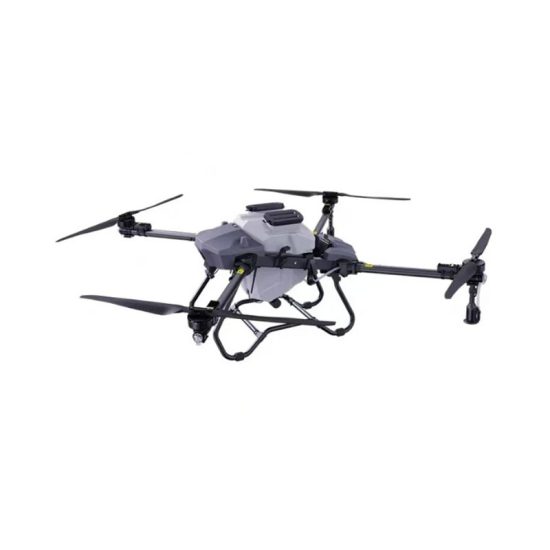


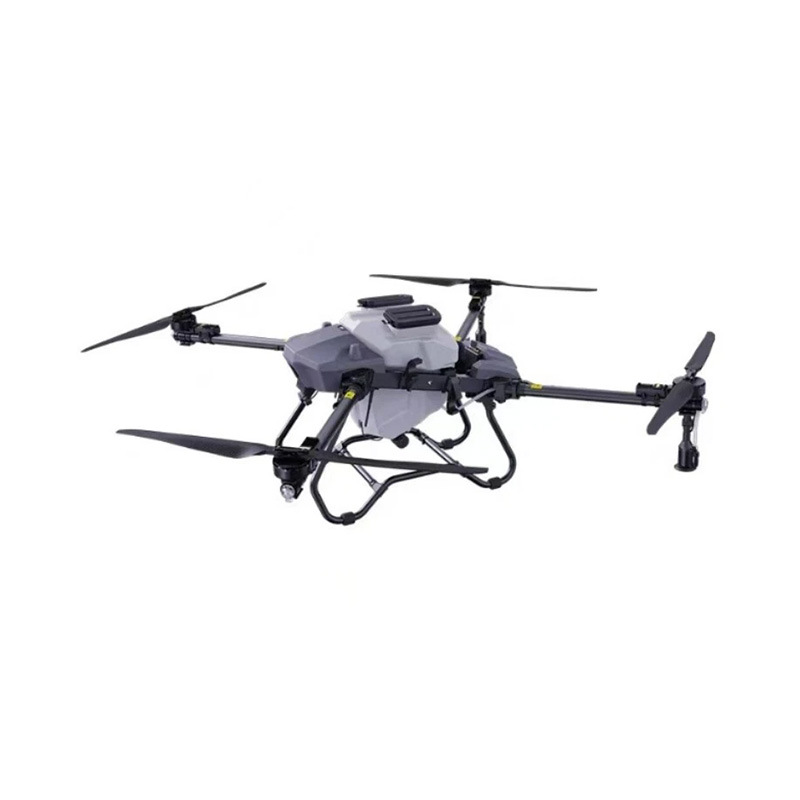
Agricultural drones have become an essential tool for modern farming. They help farmers reduce labor costs, improve spraying accuracy, save water and chemicals, and increase crop yields. However, choosing the right agricultural drone is not always easy. Many farmers invest in a drone that is either too small for their operation or too large for their actual needs.
This guide explains how to select the right agricultural drone based on your farm size, crop type, terrain conditions, and operational requirements.
Why Choosing the Right Agricultural Drone Matters
An agricultural drone is a long-term investment. Selecting the wrong model can result in:
-
Reduced spraying efficiency
-
Increased operating costs
-
More battery replacement expenses
-
Poor chemical coverage
-
Lower return on investment
The right drone helps maximize productivity while minimizing operating costs.
Step 1: Evaluate Your Farm Size
The first factor to consider is the total area you need to manage.
Small Farms (Less Than 50 Hectares)
For small farms, a compact spraying drone is usually sufficient.
Advantages:
-
Lower initial investment
-
Easy transportation
-
Simple operation
-
Faster deployment
Suitable for:
-
Family farms
-
Greenhouses
-
Vegetable farms
-
Orchards
Recommended tank capacity:
-
10L to 20L
Medium Farms (50–300 Hectares)
Medium-sized farms require higher efficiency and larger payloads.
Advantages:
-
Better daily coverage
-
Reduced refill frequency
-
Higher productivity
Recommended tank capacity:
-
20L to 40L
Suitable for:
-
Rice farms
-
Corn fields
-
Wheat farms
-
Cotton farms
Large Farms (300+ Hectares)
Large commercial farms need maximum efficiency and operational capacity.
Recommended features:
-
Large payload systems
-
RTK precision navigation
-
Automatic route planning
-
High-capacity batteries
-
Fast charging systems
Recommended tank capacity:
-
40L to 70L+
Step 2: Consider Your Crop Type
Different crops require different spraying methods.
Rice
Rice fields often contain standing water and muddy terrain.
Recommended features:
-
Strong obstacle avoidance
-
High spraying efficiency
-
Waterproof design
Wheat
Wheat farms usually cover large open areas.
Recommended features:
-
Wide spray width
-
Large payload
-
Long flight endurance
Corn
Corn plants can grow tall and dense.
Recommended features:
-
High-pressure spraying system
-
Adjustable spray nozzles
-
Precise altitude control
Fruit Trees and Orchards
Orchards require highly accurate spraying.
Recommended features:
-
Terrain-following radar
-
Centrifugal nozzles
-
Obstacle detection
-
Flexible flight planning
Vineyards
Vineyards often have narrow rows and uneven terrain.
Recommended features:
-
Compact drone structure
-
Precision navigation
-
Low-altitude flight control
Step 3: Analyze Terrain Conditions
Terrain significantly affects drone performance.
Flat Farmland
Flat terrain allows higher operational efficiency.
Recommended:
-
Large-capacity spraying drones
-
Automatic route planning systems
Mountainous Areas
Mountain farms require advanced navigation systems.
Recommended features:
-
Terrain-following radar
-
Intelligent obstacle avoidance
-
RTK positioning
Hills and Slopes
For uneven landscapes, drones must maintain a consistent spraying height.
Recommended features:
-
Radar terrain following
-
AI-assisted flight control
Step 4: Check Battery Performance
Battery performance directly impacts productivity.
When evaluating batteries, consider:
-
Flight duration
-
Charging time
-
Battery lifespan
-
Number of batteries included
Professional agricultural operations often use multiple intelligent batteries to maintain continuous work throughout the day.
Step 5: Evaluate Spraying System Quality
The spraying system determines application effectiveness.
Key factors include:
Spray Width
Wider spray widths improve efficiency.
Droplet Size
Different crops require different droplet sizes.
Flow Rate Control
Automatic flow adjustment improves chemical distribution consistency.
Nozzle Technology
Advanced centrifugal nozzles provide:
-
Uniform droplet distribution
-
Reduced drift
-
Better crop penetration
Step 6: Look for Smart Farming Features
Modern agricultural drones offer more than spraying.
Important smart features include:
-
GPS navigation
-
RTK centimeter-level positioning
-
Automatic route planning
-
One-click takeoff and landing
-
Terrain following
-
Obstacle avoidance
-
Real-time operation monitoring
-
Data recording and reporting
These features improve efficiency and reduce operator workload.
Step 7: Choose a Reliable Manufacturer
A drone is only as good as the support behind it.
Before purchasing, verify:
-
Manufacturing experience
-
Quality control procedures
-
Spare parts availability
-
Technical support
-
Training services
-
Warranty policy
-
OEM and ODM capabilities
Working directly with a professional manufacturer can reduce costs and ensure long-term support.
Why Farmers Choose MSOEN Agricultural Drones
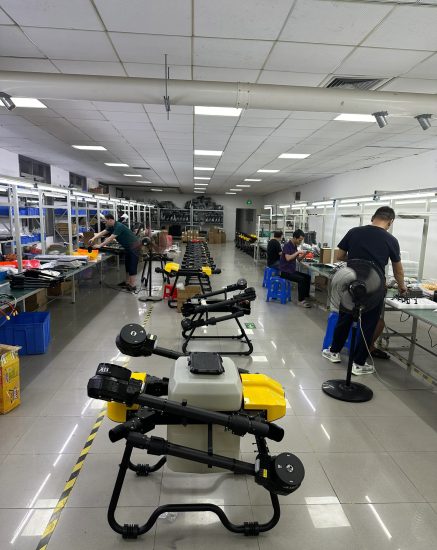
MSOEN provides professional agricultural drone solutions for global distributors, farming companies, and agricultural service providers.
Key advantages include:
-
High-efficiency spraying systems
-
Large-capacity payload options
-
Intelligent flight control
-
RTK precision positioning
-
Custom OEM and ODM services
-
Global export experience
-
Technical support and training
Whether you operate a small orchard or a large commercial farm, MSOEN can provide a customized drone solution tailored to your farming requirements.
Request a Free Consultation
Not sure which agricultural drone is right for your farm?
Contact the MSOEN team today for a free consultation. Our experts can recommend the most suitable drone based on your crop type, farm size, and local operating conditions.
Get a customized quotation, product catalog, and OEM/ODM solution today.
FAQ
What size agricultural drone do I need for a 100-hectare farm?
A 20L–40L spraying drone is generally suitable for farms around 100 hectares, depending on crop type and daily workload requirements.
Are agricultural drones suitable for orchards?
Yes. Modern agricultural drones equipped with terrain-following radar and obstacle avoidance systems are highly effective for orchards and fruit tree spraying.
How much pesticide can agricultural drones save?
Compared with traditional spraying methods, agricultural drones can significantly reduce pesticide waste through precise application and automated flow control.
Can agricultural drones operate in mountainous regions?
Yes. Drones equipped with terrain-following radar, RTK positioning, and obstacle avoidance systems can safely operate in many mountainous farming environments.
Does MSOEN provide OEM and ODM agricultural drone services?
Yes. MSOEN offers professional OEM and ODM drone manufacturing services, allowing distributors and brands to customize drones according to their market requirements.
THE END


No comments yet