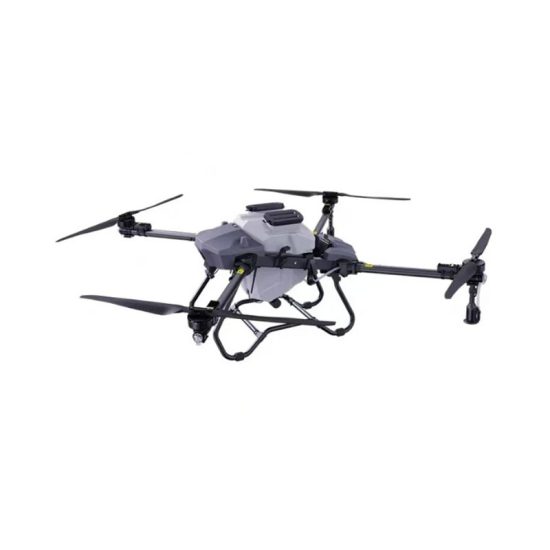


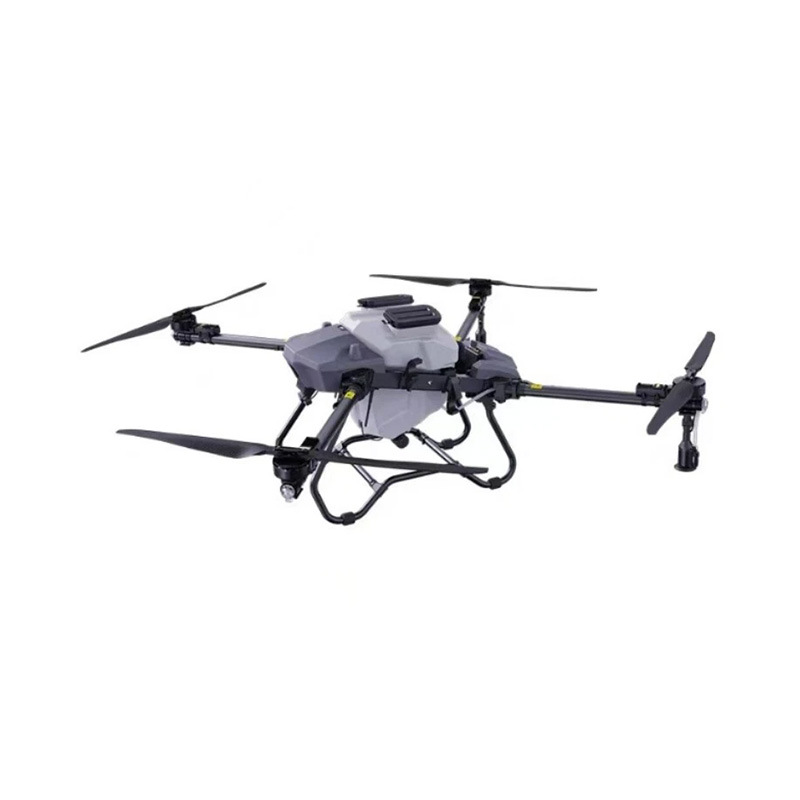
Modern agriculture is rapidly adopting drone technology to improve efficiency, reduce labor costs, and increase crop yields. However, many farmers and agricultural businesses face a common challenge: choosing the right agricultural drone for their specific farm size and crop type.
Selecting the wrong drone can lead to wasted investment, lower spraying efficiency, and increased operating costs. This guide explains how to choose the most suitable agricultural drone for your farming operation.
Why Farm Size Matters When Choosing an Agricultural Drone
Agricultural drones come in different payload capacities and flight performance levels. The size of your farm directly affects which model will deliver the best return on investment.
Small Farms (Under 50 Hectares)
For small farms, flexibility and affordability are usually the main priorities.
Recommended features:
-
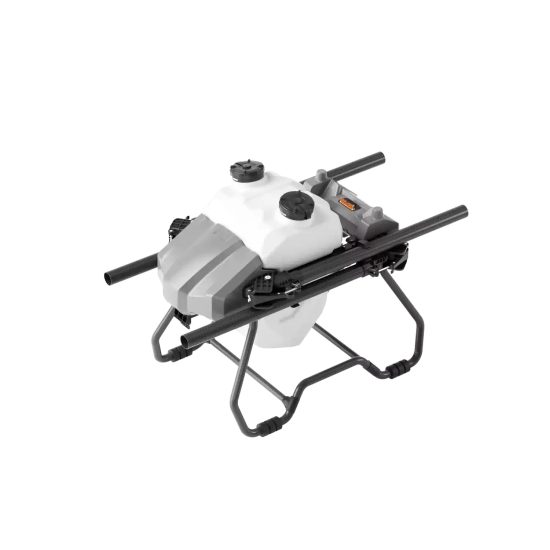
10L–20L spray tank capacity
-
Easy transportation and deployment
-
Lower initial investment
-
Simple maintenance requirements
Suitable for:
-
Vegetable farms
-
Orchards
-
Greenhouses
-
Specialty crops
Benefits:
-
Reduced labor dependence
-
Accurate pesticide application
-
Lower chemical waste
Medium Farms (50–300 Hectares)
Medium-sized farms often require higher efficiency and longer daily operating hours.
Recommended features:
-
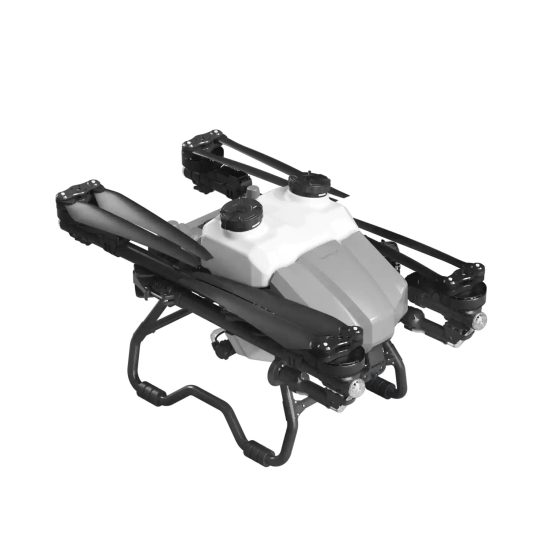
20L–40L payload
-
RTK positioning system
-
Automatic route planning
-
Terrain-following radar
Suitable for:
-
Rice fields
-
Wheat farms
-
Corn production
-
Cotton cultivation
Benefits:
-
Faster field coverage
-
Improved spraying consistency
-
Reduced operating costs
Large Farms (300+ Hectares)
Large-scale agricultural operations require maximum productivity and reliability.
Recommended features:
-
40L–70L payload capacity
-
High-flow spraying system
-
Intelligent obstacle avoidance
-
Long-range remote control
-
Fast battery replacement system
Suitable for:
-
Commercial farms
-
Agricultural cooperatives
-
Large plantations
-
Contract spraying businesses
Benefits:
-
Maximum daily coverage
-
Reduced manpower requirements
-
Faster return on investment
Choosing a Drone Based on Crop Type
Different crops require different spraying patterns and flight characteristics.
Rice and Wheat Fields
These crops are typically planted in large open areas.
Ideal drone features:
-
Wide spray width
-
Large payload capacity
-
High-efficiency flight planning
Recommended solution:
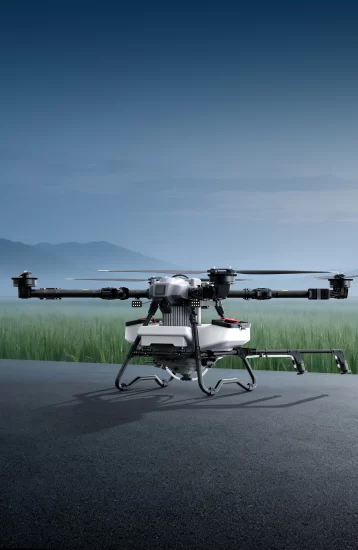
A 40L–70L agricultural spraying drone can cover large areas quickly while maintaining uniform chemical distribution.
Fruit Orchards
Orchards present unique challenges due to tree height and irregular layouts.
Ideal drone features:
-
Terrain-following technology
-
Obstacle avoidance radar
-
Adjustable spray nozzles
Recommended solution:
A drone equipped with intelligent obstacle detection can safely navigate between trees and improve spray penetration.
Vineyards
Vineyards often have narrow rows and uneven terrain.
Ideal drone features:
-
Precise navigation
-
Compact design
-
Variable-rate spraying capability
Recommended solution:
A medium-capacity drone with RTK precision positioning delivers accurate coverage while minimizing drift.
Vegetable Farms
Vegetables require precise chemical application to avoid over-spraying.
Ideal drone features:
-
Fine droplet atomization
-
Low-altitude flight
-
Accurate route control
Recommended solution:
A smaller agricultural drone provides excellent precision and cost efficiency.
Important Features Every Buyer Should Consider
Payload Capacity
Higher payloads reduce refill frequency and increase productivity.
Typical options include:
-
10L
-
20L
-
30L
-
40L
-
50L
-
70L
Flight Time
Longer flight times improve operational efficiency.
Look for:
-
High-capacity smart batteries
-
Fast charging systems
-
Battery swapping capability
Precision Positioning
RTK technology provides centimeter-level accuracy.
Advantages include:
-
Reduced overlap
-
Better chemical utilization
-
Consistent spraying results
Safety Systems
Modern agricultural drones should include:
-
Obstacle avoidance
-
Terrain following
-
Low-battery warnings
-
Automatic return-to-home
These features reduce risk and improve operational safety.
Should You Choose an OEM or ODM Agricultural Drone?
Many distributors, agricultural equipment brands, and government projects require customized drone solutions.
OEM Services Allow You To:
-
Add your own brand logo
-
Customize packaging
-
Modify software interfaces
-
Develop exclusive product lines
ODM Services Allow You To:
-
Create unique drone designs
-
Customize hardware configurations
-
Develop specialized agricultural solutions
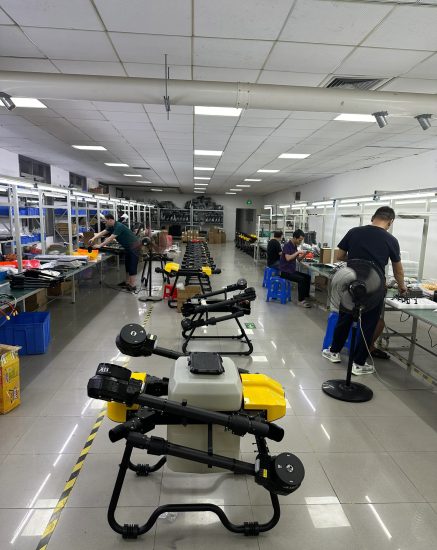
At MSOEN, we provide professional OEM and ODM agricultural drone manufacturing services for distributors, agricultural cooperatives, and commercial farming projects worldwide.
Why Farmers and Distributors Choose MSOEN
MSOEN specializes in:
-
Agricultural spraying drones
-
Fertilizer spreading drones
-
Mapping drones
-
Inspection drones
-
OEM drone manufacturing
-
ODM drone development
Our advantages include:
-
Strict quality control
-
Professional engineering support
-
Global export experience
-
Customized solutions
-
Competitive factory pricing
-
Technical training and after-sales support
Whether you operate a small farm or manage thousands of hectares, our team can help you select the most suitable drone solution for your needs.
Conclusion
Choosing the right agricultural drone depends on your farm size, crop type, budget, and operational goals. Small farms benefit from flexible and economical models, while large-scale operations require high-capacity drones with advanced automation features.
Before purchasing, evaluate your field conditions, spraying requirements, and future expansion plans. Working with an experienced agricultural drone manufacturer like MSOEN can help ensure that your investment delivers maximum productivity and long-term value.
FAQ
What size agricultural drone do I need for a 100-hectare farm?
A 20L–40L agricultural drone is typically suitable for farms around 100 hectares, providing a good balance between efficiency and operating costs.
Are agricultural drones suitable for orchards?
Yes. Modern agricultural drones equipped with terrain-following and obstacle-avoidance systems perform very well in orchards and plantations.
How much pesticide can agricultural drones save?
Depending on crop conditions and spraying methods, agricultural drones can often reduce pesticide usage by 20%–40% through precise application.
Can I customize agricultural drones with my own brand?
Yes. MSOEN offers OEM and ODM services, including logo customization, packaging design, software customization, and product development.
How long does an agricultural drone typically last?
With proper maintenance, a professional agricultural drone can provide several years of reliable service, depending on operating conditions and usage frequency.
THE END


No comments yet