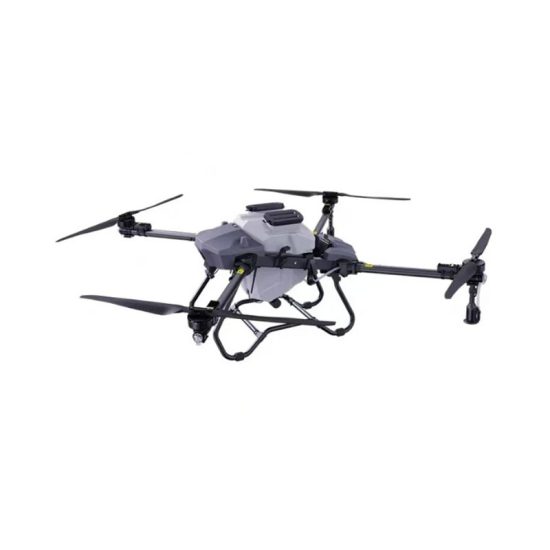


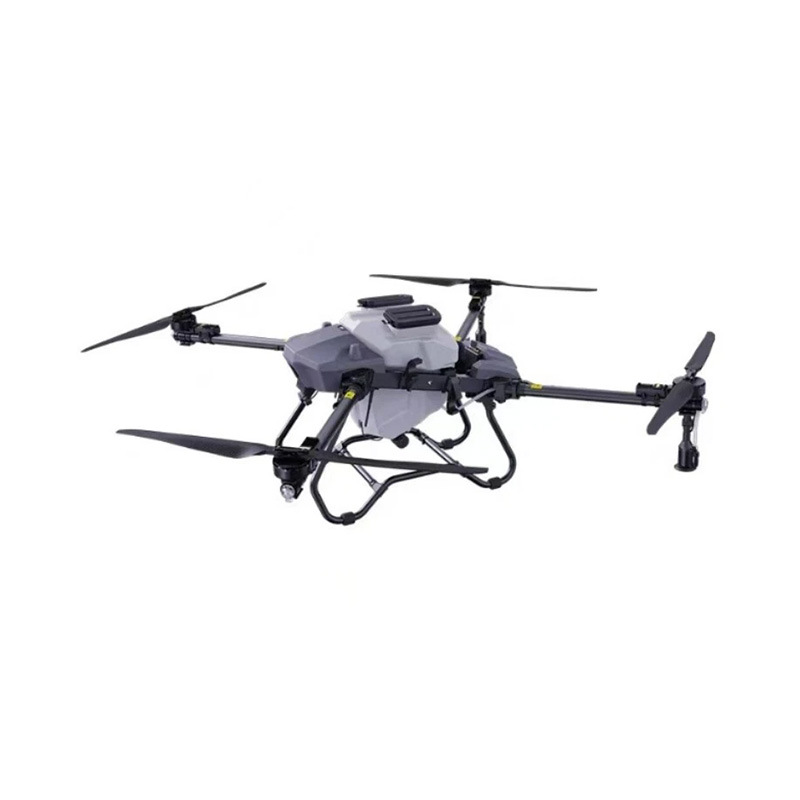
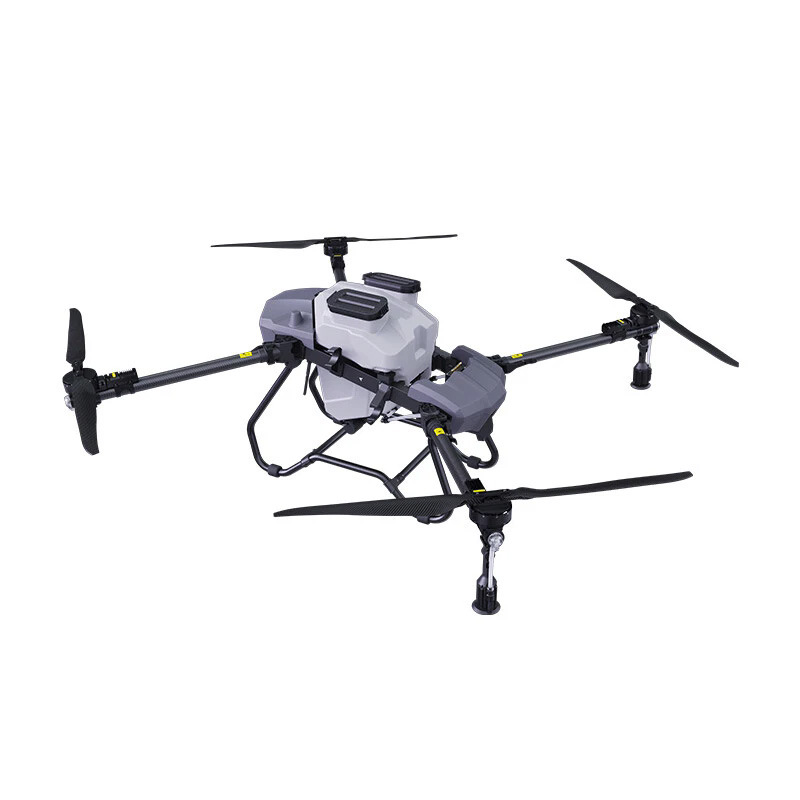

Choosing an agricultural drone for a large farm can be difficult, especially when buyers are faced with hundreds of options, different tank capacities, battery systems, flight functions, and price ranges. Many farm owners and agricultural cooperatives focus only on price, only to discover later that the drone cannot meet spraying efficiency requirements or becomes expensive to maintain.
For farms managing large planting areas, selecting the right agricultural drone is not about buying the most expensive model — it is about choosing the right drone for your operational needs.
This guide explains how to select the right agricultural drone for large farms while avoiding unnecessary costs and common purchasing mistakes.
Why Choosing the Wrong Agricultural Drone Costs More Money
Many buyers assume a cheaper drone saves money. In reality, the wrong drone often increases operational expenses.
Common problems include:
- Tank capacity too small for large farms
- Frequent battery replacement interruptions
- Low spraying efficiency
- High maintenance costs
- Poor spare parts availability
- No local technical support
- Limited customization options
For example, purchasing a small spraying drone for a farm larger than 100 hectares may result in excessive refill times and lower daily productivity. What seems cheaper initially may become more expensive over time.
Instead of only comparing price, farm owners should calculate operational efficiency and long-term costs.
Step 1: Understand Your Farm Size and Daily Spraying Requirements
The first question to ask is:
How much land must be covered every day?
Different farm sizes require different drone configurations.
Small to Medium Farms
For smaller agricultural operations, a lighter drone with a smaller payload may be enough.
Suitable for:
- Vegetable farms
- Small rice fields
- Family-owned farms
- Trial agricultural projects
Large Farms and Agricultural Cooperatives
Large farms require higher efficiency and larger payload capacity.
A larger spraying drone may reduce:
- Downtime
- Battery changes
- Refilling frequency
- Labor costs
For farms covering large acreage, higher payload systems often improve daily productivity because operators spend less time landing and refilling.
Step 2: Choose the Right Tank Capacity
One of the biggest mistakes buyers make is selecting drone size based only on budget.
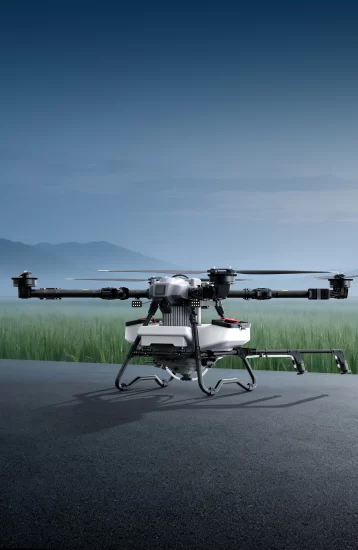
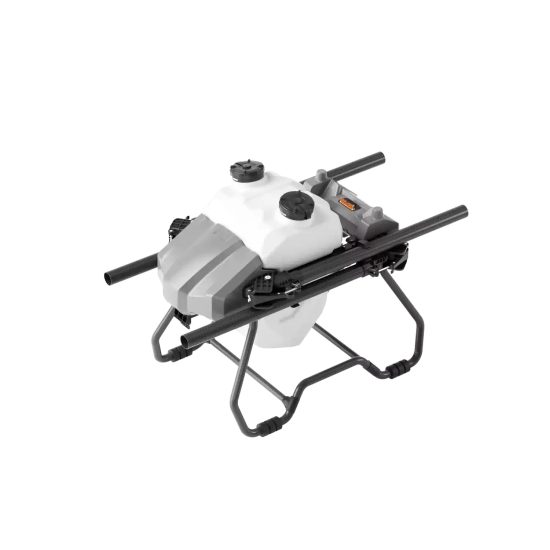
Agricultural drones generally come in different liquid payload capacities, such as:
- 10L–20L for smaller farms
- 30L–40L for medium to large operations
- 50L+ for high-efficiency commercial farming
However, larger is not always better.
An oversized drone may:
- Increase transportation difficulty
- Require stronger batteries
- Cost more to maintain
- Be unnecessary for smaller field layouts
The best solution is balancing efficiency and operational practicality.
Step 3: Evaluate Battery Performance and Charging Efficiency
Battery performance directly affects productivity.
Some buyers only compare drone specifications and forget to ask important operational questions:
- How long does a battery cycle last?
- How quickly can batteries recharge?
- Is a dual-channel charger available?
- Are replacement batteries easy to purchase?
For large farms, downtime matters.
If workers spend more time waiting for charging than spraying, productivity decreases significantly.
High-capacity intelligent batteries combined with fast charging systems can improve daily operation efficiency.
Step 4: Check Spraying Efficiency Instead of Marketing Claims
Many suppliers advertise high efficiency, but practical performance depends on:
- Crop type
- Terrain
- Wind conditions
- Flight route planning
- Spray nozzle design
- Tank capacity
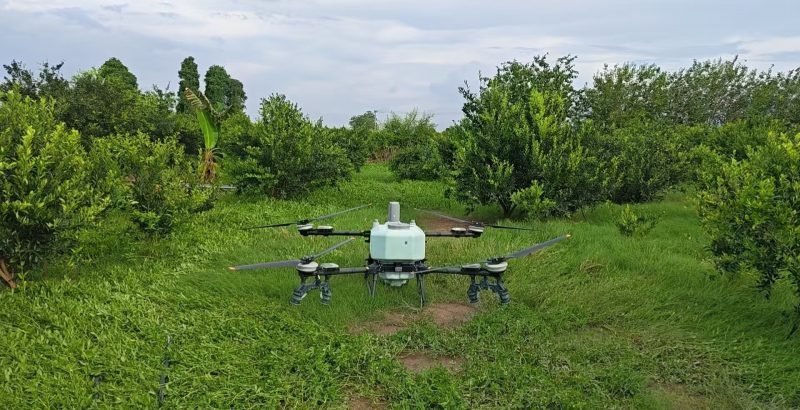
Rice farms, wheat farms, orchards, and corn fields often require different spraying strategies.
Instead of asking:
“How many hectares per hour?”
Ask:
“How does this drone perform in conditions similar to my farm?”
Professional suppliers should help match drone configuration to real agricultural environments.
Step 5: Consider Maintenance and Spare Parts Availability
Buying a drone is not a one-time decision.
Maintenance costs matter.
Before purchasing, ask:
- Are spare parts easy to replace?
- Is technical support available?
- What components require regular maintenance?
- Can motors, pumps, or nozzles be replaced quickly?
Reliable suppliers help reduce downtime by offering maintenance guidance and replacement support.
Step 6: Look for Customization Options
Every farm is different.
A rice farm in Southeast Asia may require different settings than a wheat farm in Europe.
OEM and ODM customization options may include:
- Different spray systems
- Frame sizes
- Smart flight functions
- RTK positioning support
- Radar obstacle avoidance
- Multi-language software interfaces
- Local certification support
Choosing a supplier that understands local farming needs can improve operational efficiency.
Common Mistakes Farm Owners Should Avoid
Choosing Based Only on Price
A cheaper drone may cost more over time due to low productivity and maintenance issues.
Ignoring Battery Costs
Battery replacement costs can affect long-term ownership expenses.
Buying Oversized Equipment
Larger drones are not always better for every farming environment.
Ignoring After-Sales Support
Technical support is important for reducing downtime.
Not Testing Supplier Experience
Choose manufacturers with experience in agricultural applications rather than general drone trading.
Why Work with a Professional Agricultural Drone Manufacturer
Professional manufacturers understand:
- Farming challenges
- Crop spraying requirements
- Customization needs
- Spare parts systems
- Long-term operational costs
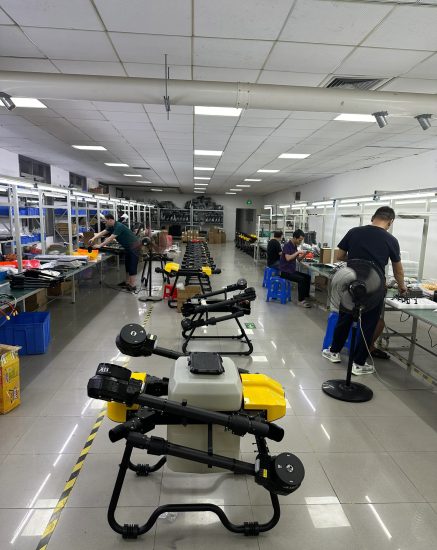
At MSOEN, we provide customized agricultural drone solutions including spraying drones, OEM & ODM manufacturing, intelligent battery systems, and professional support for farms, distributors, and agricultural cooperatives worldwide.
Whether you are managing rice fields, wheat farms, orchards, or commercial agriculture projects, choosing the right drone starts with understanding your operational needs instead of simply choosing the lowest price.
FAQ
What size agricultural drone is best for large farms?
For larger farms, higher payload drones are often preferred because they reduce refill frequency and improve productivity. However, the best size depends on farm layout, crop type, and operational goals.
Are larger agricultural drones always better?
No. Larger drones may improve efficiency for large farms but can increase transportation and maintenance requirements. The best solution depends on your farm conditions.
How many batteries are needed for agricultural drone operations?
Large farms often require multiple batteries to maintain continuous operation and reduce downtime during charging.
Can agricultural drones be customized?
Yes. Many manufacturers offer OEM and ODM services including tank size, software functions, spraying systems, obstacle avoidance, and branding customization.
How do I choose a reliable agricultural drone supplier?
Look for suppliers with manufacturing experience, customization capability, technical support, spare parts availability, and agricultural application knowledge.
Contact Us
Looking for a reliable agricultural drone manufacturer for large farms?
MSOEN provides professional agricultural drone solutions, OEM & ODM manufacturing, and customized UAV systems designed for modern farming operations. Contact us today to discuss your project requirements.


No comments yet