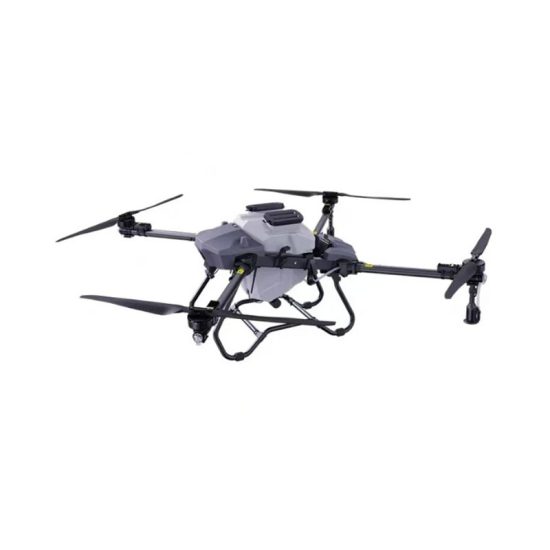


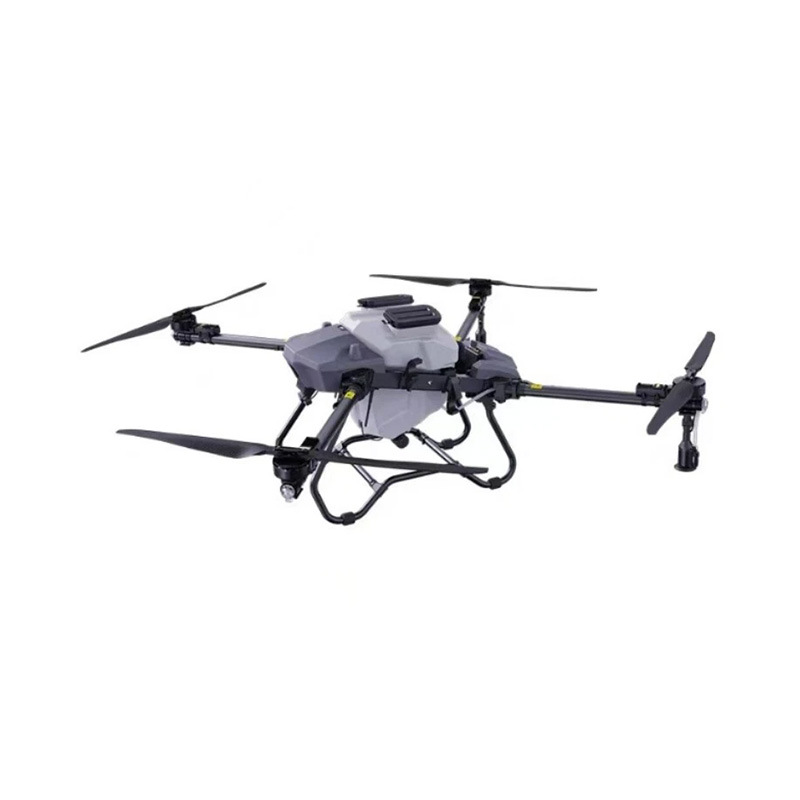
Choosing an agricultural drone is not only about price or brand. For farm owners, cooperatives, and agricultural service providers, the right drone depends on farm size, crop type, terrain, spraying frequency, and operational efficiency. A drone that works well for a small orchard may not be suitable for a large rice or wheat farm.
Many buyers make the mistake of purchasing a drone with the largest tank capacity without considering real operational needs. In practice, selecting the right agricultural drone means balancing spraying efficiency, battery performance, payload capacity, maintenance cost, and long-term productivity.
Why Farm Size Matters When Choosing an Agricultural Drone
Farm size directly affects drone workload and operational planning.
Small farms usually require flexibility and easy transport, while large commercial farms prioritize efficiency and coverage area. Buying a drone that is too large may increase unnecessary investment and maintenance costs. On the other hand, buying a small drone for large-scale operations can reduce productivity and increase labor time.
The first question a buyer should ask is:
“How many hectares or acres need spraying in a normal working cycle?”
This determines the recommended payload capacity, battery requirement, and operational speed.
Agricultural Drone Recommendations by Farm Size
Small Farms (Below 20 Hectares)
For small farms, compact agricultural drones are often the better choice. These farms usually focus on vegetables, orchards, tea plantations, or greenhouse surroundings.
Recommended considerations:
-
Lightweight design for easy transportation
-
Lower maintenance cost
-
Simple operation and quick deployment
-
Precision spraying for high-value crops
A medium payload drone is often sufficient because spraying missions are shorter and battery replacement is easier.
Small farm operators also tend to value cost efficiency more than maximum productivity.
Medium Farms (20–100 Hectares)
Medium-sized farms usually need a balance between operational efficiency and budget.
In this scenario, a professional spraying drone with moderate tank capacity becomes more practical.
Key factors include:
-
Stable spraying performance
-
Higher flight efficiency
-
Better obstacle avoidance systems
-
Faster charging or battery swapping
For crops such as rice, corn, wheat, sugarcane, or soybeans, operational speed becomes important because spraying windows are often time-sensitive.
Farmers managing medium-size land areas usually prioritize reducing labor costs while maintaining crop consistency.
Large Farms (100+ Hectares)
Large agricultural operations require drones built for productivity.
Large farms often work under strict schedules, especially during fertilization and pesticide seasons. Equipment downtime directly affects productivity.
When choosing a drone for large-scale farming, buyers typically consider:
-
High payload capacity
-
Large spraying width
-
Fast battery replacement systems
-
Reliable long-duration performance
-
Fleet management capability for multiple drones
For large farms, operational efficiency matters more than purchase price alone. A more expensive drone may lower labor costs and reduce spraying time significantly over several seasons.
Crop Type Is Equally Important
Farm size is only one factor.
Different crops require different spraying methods.
For example:
Rice and wheat fields usually require wide-area coverage and efficient spraying speed.
Fruit orchards often need better terrain following and precise spraying angles because tree height and canopy density vary.
Tea farms or mountain agriculture may require drones with stronger terrain adaptability and stable flight performance.
Understanding crop requirements before purchase helps avoid mismatched equipment.
Battery System and Flight Efficiency
Battery performance is one of the most overlooked factors when buying an agricultural drone.
Many buyers focus only on tank size but ignore flight workflow.
In real operations, efficient battery swapping and charging systems often matter more than a slightly larger payload.
Questions worth asking include:
-
How long does one battery last?
-
How many batteries are required for continuous operation?
-
Is rapid charging available?
-
How quickly can field operations continue after landing?
A good agricultural drone system should minimize downtime.
Maintenance and Spare Parts Availability
Professional buyers often evaluate after-sales support before ordering.
Even the best drone can experience wear during seasonal spraying operations.
Before choosing a supplier, consider:
-
Availability of spare parts
-
Technical support response time
-
Training support
-
Remote troubleshooting assistance
-
Warranty policy
For overseas buyers, stable OEM or manufacturer support can reduce operational risk significantly.
Choosing Based on Long-Term ROI
The best agricultural drone is not always the cheapest or the largest.
A suitable drone helps reduce labor dependency, improve spraying consistency, lower chemical waste, and increase operational efficiency over time.
Instead of asking, “What is the biggest drone available?”, professional buyers usually ask:
“What drone fits my farm operation best?”
The answer depends on land size, crops, workload, and long-term business goals.
FAQ
What size agricultural drone do I need?
It depends on farm size, crop type, and spraying frequency. Small farms may benefit from compact drones, while larger farms often require higher payload systems for better efficiency.
Is a larger tank always better?
Not necessarily. Larger tanks improve efficiency in some situations, but they also increase weight, battery demand, and transport complexity.
Can one drone work for different crops?
Yes, but performance varies depending on spraying requirements, terrain, and canopy structure. Choosing a flexible system improves versatility.
How important is battery performance?
Very important. Efficient battery management directly affects daily productivity and operational cost.
Should I choose OEM agricultural drones?
OEM manufacturing can be suitable for distributors, wholesalers, and companies planning to build their own agricultural drone brand with customized specifications and branding.
THE END


No comments yet