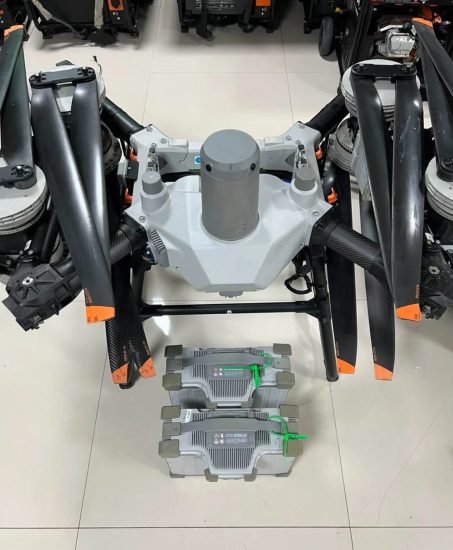




Introduction: Selecting the Right Spraying Drone for Modern Farming
With the rapid development of smart agriculture, pesticide spraying drones are becoming an important tool for large-scale farming operations. Compared with traditional spraying methods, agricultural drones provide faster operation, higher precision, lower chemical waste, and reduced labor requirements.
However, choosing the right pesticide spraying drone is not always easy. Different farms have different requirements based on crop types, field sizes, spraying capacity, battery performance, and operating environments.
This guide explains the key factors buyers should consider when selecting the best pesticide spraying drone for large-scale agriculture.
Why Large Farms Need Pesticide Spraying Drones
Large-scale agriculture often involves thousands of acres of farmland that require regular crop protection. Traditional spraying equipment may have several limitations:
- High labor costs
- Slow operation speed
- Uneven pesticide coverage
- Difficult access to certain farming areas
- Higher chemical consumption
A professional pesticide spraying drone can solve these challenges by providing automated and precise spraying solutions.
Key Factors When Choosing a Pesticide Spraying Drone
1. Consider the Spraying Capacity
The tank capacity is one of the most important factors when selecting an agricultural spraying drone.
Common tank sizes include:
- Small-capacity drones for small farms and testing operations
- Medium-capacity drones for general agricultural applications
- Large-capacity drones for commercial farming and large plantations
For large-scale agriculture, a drone with a larger liquid tank can reduce the number of refills and improve overall efficiency.
2. Check Flight Time and Battery Performance
Battery performance directly affects farming efficiency.
A high-quality agricultural drone should provide:
- Long operation time
- Fast battery replacement
- Intelligent battery management
- Safe charging systems
For large farms, efficient battery systems allow operators to complete more spraying tasks in less time.
3. Evaluate Spraying Precision Technology
Precision spraying is essential for reducing pesticide waste and improving crop protection results.
Advanced spraying drones usually include:
- Adjustable spray flow rates
- Multiple spray nozzles
- Uniform liquid distribution
- Automatic altitude control
- Smart flight path planning
These technologies help ensure that crops receive the correct amount of pesticide.
4. Choose a Drone Suitable for Different Crops
Different crops require different spraying methods.
Rice Fields
Rice farming often requires frequent pest control. Drones with stable low-altitude flight performance are suitable for wet field environments.
Fruit Orchards
Orchards require strong spraying power to reach higher plants. A suitable drone should provide effective coverage for trees and dense vegetation.
Wheat and Corn Fields
Large grain farms need drones with high efficiency and wide coverage areas to complete operations quickly.
5. Consider Flight Control and Intelligent Features
Modern pesticide spraying drones are equipped with smart systems that simplify operation.
Important features include:
- GPS navigation
- Automatic route planning
- Remote monitoring
- Obstacle detection
- Return-to-home function
These features improve safety and reduce the difficulty of drone operation.
6. Check Drone Durability and Weather Resistance
Agricultural drones often work in challenging environments, including dust, humidity, heat, and outdoor conditions.
A reliable drone should have:
- Strong frame materials
- Water-resistant design
- Stable motors
- Durable spraying components
Durability helps reduce maintenance costs and extends product lifespan.
7. Choose a Reliable Agricultural Drone Manufacturer
The manufacturer you choose directly affects product quality and long-term support.
A professional pesticide spraying drone supplier should provide:
Product Customization
OEM services may include:
- Customized drone appearance
- Private branding
- Different tank capacities
- Battery configurations
- Software adjustments
Technical Support
Good suppliers should offer:
- Operation training
- Product manuals
- Maintenance guidance
- Spare parts support
Export Experience
For international buyers, experienced manufacturers can help with:
- Export documents
- Packaging solutions
- International shipping arrangements
- After-sales support
Benefits of Using Pesticide Spraying Drones in Agriculture
Higher Working Efficiency
Drones can cover large farming areas quickly, helping farmers complete spraying tasks during critical agricultural periods.
Lower Operating Costs
By reducing labor requirements and improving pesticide usage efficiency, drones help farmers control long-term farming expenses.
Better Environmental Protection
Precision spraying reduces unnecessary chemical usage and minimizes environmental impact.
Improved Crop Management
Farmers can create more accurate crop protection plans based on field conditions and crop requirements.
Common Mistakes When Buying Agricultural Spraying Drones
Choosing Only Based on Price
The cheapest drone may not provide reliable performance. Buyers should consider quality, support, and long-term operating costs.
Ignoring After-Sales Service
Agricultural drones require maintenance and technical support. A supplier without proper service may create operational problems.
Selecting the Wrong Capacity
A drone that is too small may not meet large farm requirements, while an oversized drone may increase unnecessary costs.
Frequently Asked Questions (FAQ)
1. What is the best pesticide spraying drone for large farms?
The best drone depends on farm size, crop type, spraying requirements, and operating conditions. Large farms usually need drones with higher capacity, longer flight time, and efficient spraying systems.
2. How much area can a spraying drone cover?
Coverage depends on tank capacity, battery life, flight speed, and spraying settings. Professional agricultural drones can efficiently cover large farming areas.
3. Can pesticide spraying drones be customized?
Yes. Many manufacturers provide OEM customization options, including branding, capacity, battery systems, and technical configurations.
4. Are agricultural spraying drones easy to operate?
Modern drones use intelligent control systems that make operation easier after proper training.
5. How do I find a reliable pesticide spraying drone supplier?
Buyers should check manufacturing experience, product quality, customization ability, technical support, and export capability before making a decision.
Conclusion
Choosing the best pesticide spraying drone for large-scale agriculture requires careful evaluation of spraying capacity, battery performance, precision technology, durability, and supplier reliability.
As smart farming continues to grow worldwide, agricultural spraying drones are becoming an essential solution for improving productivity and reducing farming costs. Working with an experienced pesticide spraying drone manufacturer can help farmers and agricultural businesses access efficient, customized, and reliable crop protection solutions.


No comments yet