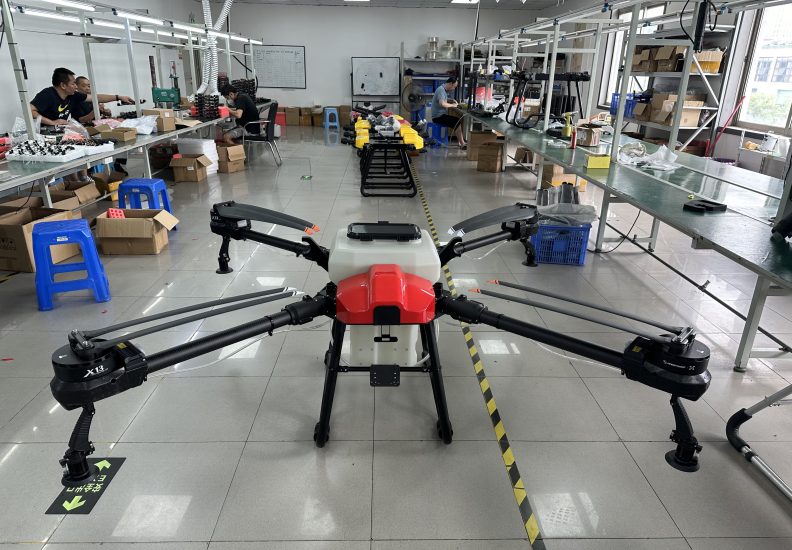


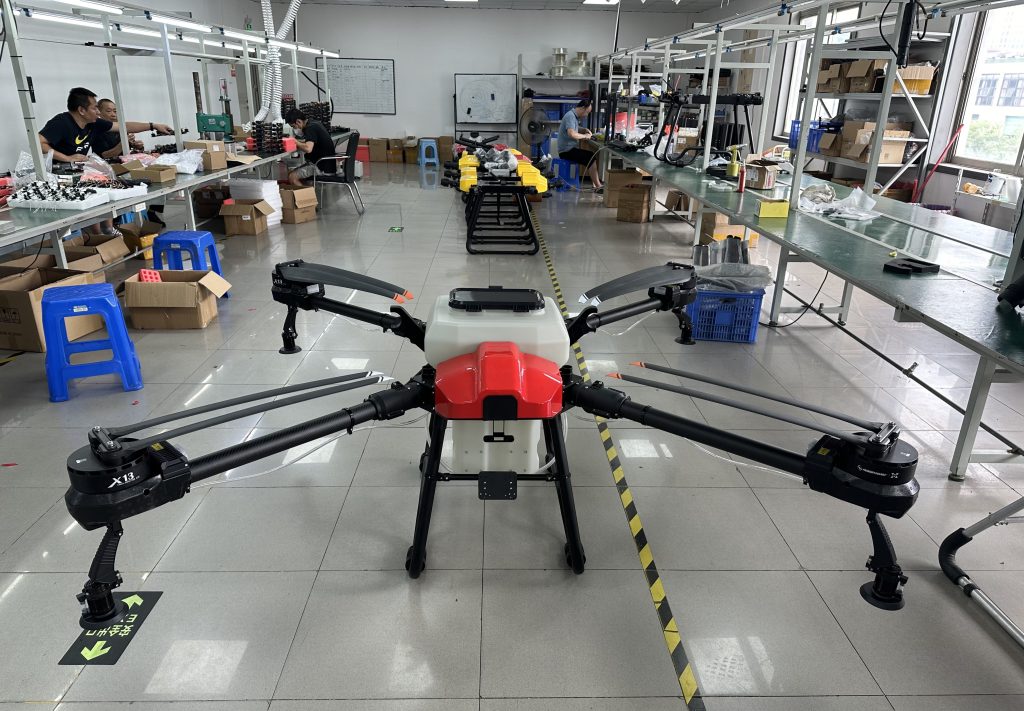
Agricultural spraying drones have become an essential tool for modern farming. Whether you own a small family farm or manage thousands of hectares of commercial crops, selecting the right crop spraying drone can significantly improve spraying efficiency, reduce labor costs, and increase crop yields. However, with so many models available, choosing the best one requires understanding your farm’s specific needs.
This guide explains the key factors to consider before purchasing a crop spraying drone in 2026.
Why Invest in a Crop Spraying Drone?
Traditional manual spraying is time-consuming, labor-intensive, and often results in uneven chemical application. Tractor-mounted sprayers may damage crops and struggle in muddy fields or orchards. Crop spraying drones solve these challenges by providing precise, automated spraying with minimal crop disturbance.
Main advantages include:
-
Increase spraying efficiency by up to 10 times compared with manual work
-
Reduce labor costs and dependence on seasonal workers
-
Save pesticides and fertilizers through precision application
-
Reach difficult terrain such as hills, orchards, rice fields, and wetlands
-
Improve operator safety by reducing exposure to chemicals
-
Support precision agriculture with GPS-guided flight
Step 1: Match the Drone to Your Farm Size
Choosing the correct tank capacity is one of the most important decisions.
Farm Size |
Recommended Drone Capacity |
|---|---|
Under 20 hectares |
10L–20L |
20–100 hectares |
20L–30L |
Over 100 hectares |
40L–50L |
Larger tanks reduce refill frequency and improve daily productivity, while smaller drones are easier to transport and operate on compact farms.
Step 2: Consider Your Crop Type
Different crops require different spraying methods.
Crop spraying drones are widely used for:
-
Rice
-
Wheat
-
Corn
-
Soybeans
-
Cotton
-
Sugarcane
-
Tea
-
Coffee
-
Citrus
-
Apples
-
Grapes
-
Vegetables
For orchards and plantations, choose a drone equipped with terrain-following radar and obstacle avoidance to ensure accurate spraying around trees and uneven landscapes.
Step 3: Evaluate Flight Performance
Reliable flight performance directly impacts efficiency.
Look for features such as:
-
Stable flight in moderate wind conditions
-
Automatic altitude adjustment
-
Intelligent route planning
-
Precise hovering
-
Return-to-home function
-
Multiple flight modes
These capabilities help maintain consistent spray coverage and reduce operator fatigue.
Step 4: Choose an Efficient Spraying System
The spraying system determines how evenly chemicals are distributed across crops.
Important features include:
-
High-flow pumps
-
Adjustable spray volume
-
Multiple nozzles
-
Fine atomization
-
Anti-drip design
-
Automatic flow control
An advanced spraying system minimizes waste while maximizing crop protection.
Step 5: Check Battery Performance
Battery efficiency is critical during busy farming seasons.
Recommended features:
-
High-capacity intelligent lithium batteries
-
Fast charging technology
-
Battery health monitoring
-
Quick battery replacement
-
Long cycle life
Using multiple batteries allows continuous operation throughout the day.
Step 6: Prioritize Safety Features
Modern agricultural drones include intelligent safety systems that reduce operational risks.
Essential safety functions include:
-
Obstacle avoidance radar
-
Terrain following
-
Low battery warning
-
Signal loss protection
-
Automatic emergency landing
-
Geofencing support
These features help protect both the equipment and surrounding crops.
Step 7: Look for Easy Maintenance
Routine maintenance should be simple and cost-effective.
Choose drones with:
-
Modular components
-
Easy nozzle replacement
-
Waterproof electronics
-
Corrosion-resistant frame
-
Accessible spare parts
Reliable maintenance reduces downtime and extends equipment life.
Step 8: Select a Manufacturer with Global Experience
Working with an experienced manufacturer offers several advantages.
Look for suppliers that provide:
-
OEM and ODM services
-
International certifications
-
Strict quality control
-
Professional technical support
-
Training materials
-
Spare parts inventory
-
Fast delivery
-
Warranty service
Manufacturers with export experience understand the certification and documentation requirements for different markets.
How Much Does a Crop Spraying Drone Cost?
Prices vary depending on payload, technology, and configuration.
Typical price ranges are:
-
10L–20L models: Suitable for small farms and entry-level users
-
20L–30L models: Popular for medium-sized commercial farms
-
40L–50L models: Designed for large-scale agricultural operations
When comparing prices, consider the total cost of ownership, including batteries, chargers, spare parts, and after-sales support.
Who Should Buy a Crop Spraying Drone?
Agricultural spraying drones are ideal for:
-
Farmers
-
Agricultural cooperatives
-
Crop protection service providers
-
Government agricultural projects
-
Agricultural equipment distributors
-
Importers and wholesalers
-
Precision farming companies
Frequently Asked Questions (FAQ)
1. What is the best crop spraying drone for beginners?
A 20L agricultural spraying drone is a good choice for beginners because it offers a balance between payload, efficiency, and ease of operation.
2. Can crop spraying drones spray both pesticides and fertilizers?
Yes. Most agricultural spraying drones are designed to apply pesticides, herbicides, fungicides, foliar fertilizers, and liquid nutrients.
3. How many hectares can a spraying drone cover in one day?
Depending on tank capacity, battery availability, and field conditions, a professional spraying drone can typically cover between 100 and 300 hectares per day.
4. Are agricultural drones difficult to maintain?
No. Modern drones feature modular designs, making routine maintenance, nozzle replacement, and battery management relatively simple.
5. Can I purchase OEM crop spraying drones from China?
Yes. Many Chinese manufacturers provide OEM and ODM services, including customized branding, colors, packaging, software, and technical support for distributors worldwide.
Choosing the right crop spraying drone requires careful consideration of farm size, crop type, payload capacity, spraying technology, battery performance, and after-sales support. A high-quality agricultural drone can help reduce operating costs, improve spraying precision, and increase overall farm productivity. Whether you are a farmer, distributor, or agricultural contractor, investing in the right drone is an important step toward more efficient and sustainable farming in 2026.
THE END


No comments yet