

![Image [1]-How Photography Drones Are Redefining Visual Storytelling-msoen](https://www.msoen.com/wp-content/uploads/2026/01/cf212fb489195220-768x1024.jpg)
![Image [2]-How Photography Drones Are Redefining Visual Storytelling-msoen](https://www.msoen.com/wp-content/uploads/2026/01/b0b3024095195152-768x1024.jpg)
![Image [3]-How Photography Drones Are Redefining Visual Storytelling-msoen](https://www.msoen.com/wp-content/uploads/2026/01/529a7ff665195152-768x1024.jpg)
![Image [4]-How Photography Drones Are Redefining Visual Storytelling-msoen](https://www.msoen.com/wp-content/uploads/2026/01/e46bda83bc195152-1024x768.jpg)
![Image [5]-How Photography Drones Are Redefining Visual Storytelling-msoen](https://www.msoen.com/wp-content/uploads/2026/01/5ced0788d4195152-768x1024.jpg)
![Image [6]-How Photography Drones Are Redefining Visual Storytelling-msoen](https://www.msoen.com/wp-content/uploads/2026/01/2eda0d55c5195152-768x1024.jpg)
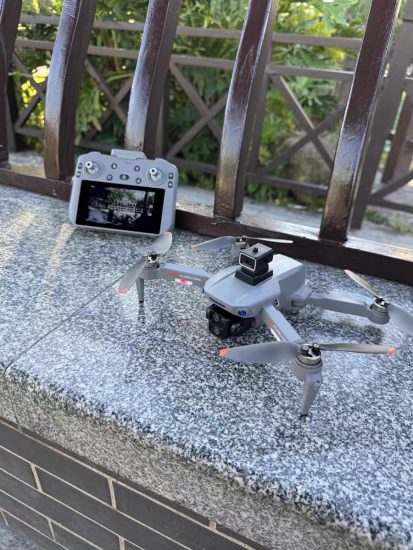
Visual storytelling has entered a new era. With the rise of photography drones, creators no longer depend on traditional ground-based perspectives. Aerial photography has become more accessible, more cinematic, and more powerful than ever before.
From travel bloggers to real estate agents, from wedding filmmakers to documentary producers, photography drones are now essential tools for creating immersive content. These intelligent flying cameras give creators the freedom to explore space, movement, and composition in ways that were impossible just a few years ago.
What Makes a Photography Drone Different?
Unlike standard consumer drones, photography drones are specifically designed for high-quality visual output. They focus on:
- Superior camera sensors
- Professional-grade stabilization
- Precise flight control
- Smart shooting modes
- High dynamic range (HDR) imaging
- Long-distance transmission
The main purpose of a photography drone is not speed or racing—it is image quality, stability, and creative freedom.
The Evolution of Aerial Photography
In the past, aerial photography required helicopters, cranes, or expensive rigs. These methods were costly, risky, and limited.
Modern photography drones now offer:
- Compact size
- Affordable pricing
- High-resolution cameras
- Real-time live preview
- Automated flight paths
This evolution has allowed small creators and independent filmmakers to produce content that looks professional and cinematic.
Core Technologies Behind Photography Drones
1. Advanced Imaging Sensors
Most professional photography drones use CMOS sensors with high light sensitivity. Larger sensors capture more detail, improve low-light performance, and provide richer colors.
Many drones now support:
- RAW photo formats
- 10-bit video color depth
- LOG recording profiles
- Adjustable aperture
These features allow professional-level color grading and post-production.
2. Precision Gimbal Systems
A 3-axis gimbal keeps the camera stable even in strong wind or fast movements. It isolates vibrations and ensures smooth footage.
This is crucial for:
- Long exposure photography
- Cinematic motion shots
- Hyperlapse videos
- Time-lapse sequences
3. AI-Powered Flight Assistance
Artificial intelligence plays a huge role in modern drones. Smart systems help users capture better footage automatically.
Common AI functions include:
- Subject tracking
- Automatic framing
- Smart orbit modes
- Dynamic camera angles
- Scene recognition
These features make professional results achievable even for beginners.
Applications of Photography Drones
Travel and Adventure
Photography drones allow travelers to capture the full scale of mountains, deserts, oceans, and cities. Aerial perspectives create emotional impact and give viewers a sense of place.
Real Estate and Architecture
Drones help present properties in a more attractive and informative way. Buyers can see the layout, surroundings, and scale from above.
Events and Weddings
Aerial shots add elegance and cinematic beauty to special moments. Drones capture crowd scenes, venue layouts, and dynamic motion sequences.
Social Media and Branding
Short-form video platforms demand eye-catching visuals. Drone footage stands out immediately and increases viewer engagement.
Film and Documentary Production
Drones are now standard tools in the film industry. They replace cranes, dollies, and helicopters in many situations.
Photography Drone Price Overview
Photography drones come in a wide range of prices depending on features and performance.
General Price Categories:
- Beginner level: $300 – $600
- Mid-range professional: $700 – $1,200
- High-end cinematic: $1,300 – $3,000+
More expensive drones usually offer better sensors, longer flight times, stronger wind resistance, and advanced safety systems.
Key Specifications to Compare
When choosing a photography drone, focus on these technical aspects:
- Camera resolution (4K / 6K / 8K)
- Sensor size (1-inch or larger preferred)
- Gimbal stabilization type
- Maximum flight time
- Transmission distance
- Obstacle avoidance directions
- Wind resistance level
- GNSS support
These specifications directly affect your shooting experience.
Why Stability Is More Important Than Speed
Many beginners focus on speed, but stability is what truly matters in photography.
A stable drone ensures:
- Clear photos
- Smooth video
- Precise framing
- Safe hovering
- Consistent results
Professional drones prioritize control and balance over raw speed.
The Role of Portability
Foldable drones have become extremely popular. A portable drone is easier to carry, quicker to deploy, and more travel-friendly.
However, larger drones usually provide:
- Better wind resistance
- Larger sensors
- More stable flight
Your choice depends on your shooting style.
Common Mistakes When Buying a Photography Drone
- Choosing based on price only
- Ignoring camera sensor size
- Overlooking safety features
- Forgetting about battery life
- Buying without considering local regulations
A well-balanced drone always performs better than one with only one strong feature.
Safety and Legal Considerations
Before flying a drone, always check:
- Local flight regulations
- Maximum altitude limits
- No-fly zones
- Privacy rules
- Registration requirements
Safe flying protects both you and your equipment.
Future Trends in Photography Drones
The next generation of photography drones will include:
- Smarter AI framing
- Automatic scene composition
- Real-time color grading
- Improved night photography
- Longer battery life
- Lighter materials
Drones will become even more intuitive and powerful.
Final Conclusion
Photography drones are no longer niche tools. They are now mainstream creative devices used by professionals and hobbyists alike.
They provide freedom, creativity, and unmatched visual impact. Whether you are shooting for personal enjoyment or commercial projects, a high-quality photography drone can elevate your work dramatically.
With continuous innovation in camera systems, AI, and flight control, the future of aerial photography looks brighter than ever.



No comments yet