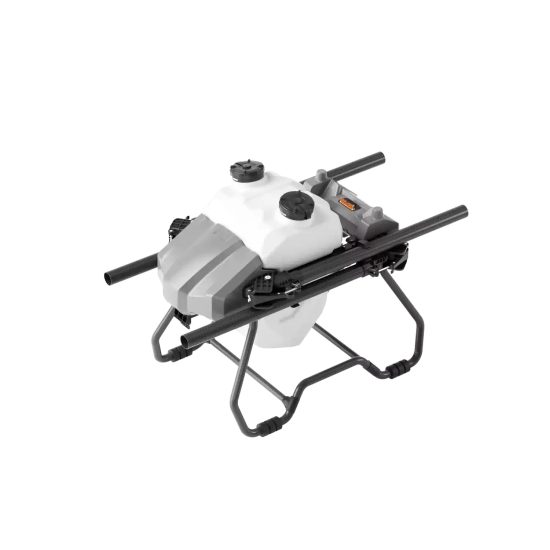



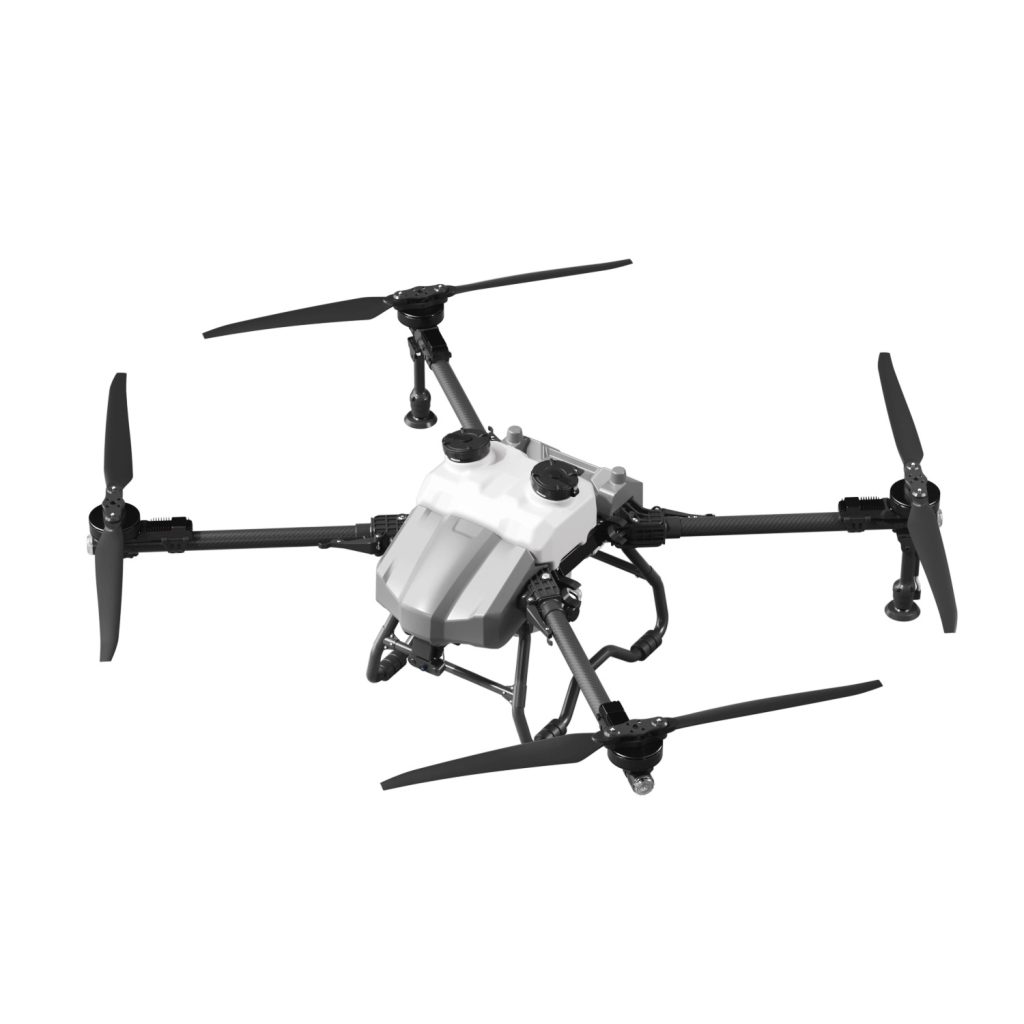
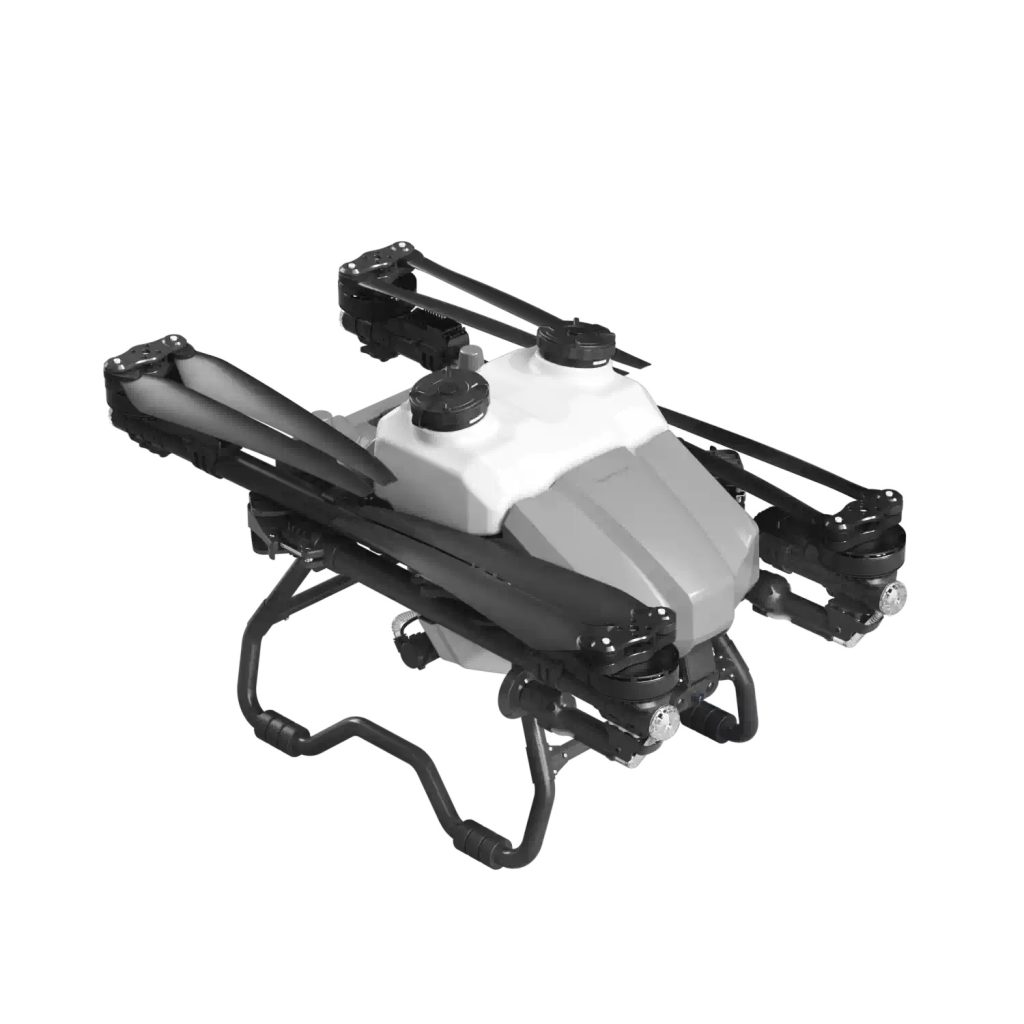
Labor shortages and rising operating expenses have become major challenges for modern agriculture. Farmers around the world are searching for practical ways to maintain productivity while controlling costs. One of the most effective solutions is the use of agricultural drones for spraying, spreading, mapping, and crop monitoring.
But how much can an agricultural drone actually reduce labor costs and improve farm productivity? The answer depends on farm size, crop type, and management practices, but the benefits are often significant.
The Growing Labor Challenge in Agriculture
Traditional crop spraying and field management require substantial manpower.
Common problems include:
-
Difficulty finding skilled workers
-
Rising labor wages
-
Seasonal labor shortages
-
Long working hours
-
High operational costs
For many farms, labor expenses account for a large percentage of annual production costs. Agricultural drones help address these challenges by automating tasks that previously required multiple workers.
How Agricultural Drones Reduce Labor Costs
Replacing Multiple Field Workers
A conventional spraying operation may require:
-
Tractor operators
-
Manual sprayers
-
Chemical mixing personnel
-
Field supervisors
A professional agricultural drone can often be operated by one trained pilot and an assistant.
Benefits include:
-
Lower payroll expenses
-
Reduced dependence on seasonal labor
-
Easier workforce management
Faster Field Operations
Traditional spraying methods can be slow, especially in difficult terrain.
Agricultural drones can:
-
Fly directly over crops
-
Access narrow or muddy areas
-
Operate in fields unsuitable for tractors
-
Complete tasks more quickly
This allows farms to finish spraying operations within optimal treatment windows.
Reduced Worker Exposure
Manual pesticide application exposes workers to chemicals and physical strain.
Drone spraying helps:
-
Improve workplace safety
-
Reduce health risks
-
Lower labor-related liabilities
This creates a safer and more efficient working environment.
How Agricultural Drones Increase Farm Productivity
Faster Spraying Coverage
Modern agricultural drones are designed for efficiency.
Features such as:
-
Large payload tanks
-
High-flow pumps
-
Intelligent route planning
-
RTK navigation systems
allow operators to cover more land in less time.
This means critical treatments can be completed before pests, diseases, or weeds spread further.
Better Application Accuracy
Traditional spraying methods may create:
-
Overlapping coverage
-
Missed areas
-
Chemical waste
Agricultural drones use precision flight control to achieve more consistent application.
Benefits include:
-
Improved crop protection
-
Better pesticide utilization
-
Lower input costs
Reduced Crop Damage
Ground machinery can damage crops by driving through fields.
Agricultural drones operate from above, helping to:
-
Protect crop health
-
Prevent soil compaction
-
Reduce yield losses
This contributes directly to higher productivity.
Productivity Benefits for Different Farm Types
Rice Farms
Drones can efficiently spray large areas while avoiding damage to flooded fields.
Advantages include:
-
Faster treatment
-
Improved disease control
-
Reduced labor requirements
Wheat and Corn Farms
Large open fields benefit from automated flight planning and wide spray coverage.
Advantages include:
-
High operational efficiency
-
Reduced fuel consumption
-
Consistent application quality
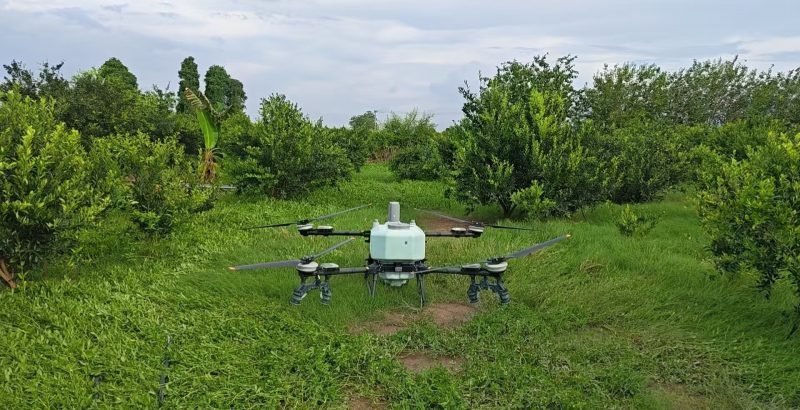
Orchards
Traditional spraying in orchards is labor-intensive and challenging.
Agricultural drones help by:
-
Reaching difficult areas
-
Navigating uneven terrain
-
Improving spray penetration
Vegetable Farms
Vegetable production often requires precise chemical application.
Drones provide:
-
Targeted spraying
-
Lower chemical waste
-
Better crop quality
Additional Savings Beyond Labor
Agricultural drones help reduce costs in several other areas.
Lower Chemical Consumption
Precision spraying can reduce unnecessary pesticide usage.
Benefits include:
-
Reduced operating costs
-
Improved environmental protection
-
Better resource management
Lower Equipment Costs
Compared with large agricultural machinery, drones often require:
-
Less maintenance
-
Lower fuel costs
-
Reduced transportation expenses
Improved Time Management
Completing tasks faster allows farm managers to focus on:
-
Crop planning
-
Marketing activities
-
Business expansion
Time savings often translate into improved overall productivity.
Key Technologies That Improve Efficiency
Modern agricultural drones include advanced technologies such as:
-
RTK centimeter-level positioning
-
Terrain-following radar
-
Obstacle avoidance systems
-
Smart battery management
-
Automatic route planning
-
High-efficiency spraying systems
These innovations help maximize field performance while minimizing operator workload.
Why Farmers Choose MSOEN Agricultural Drones
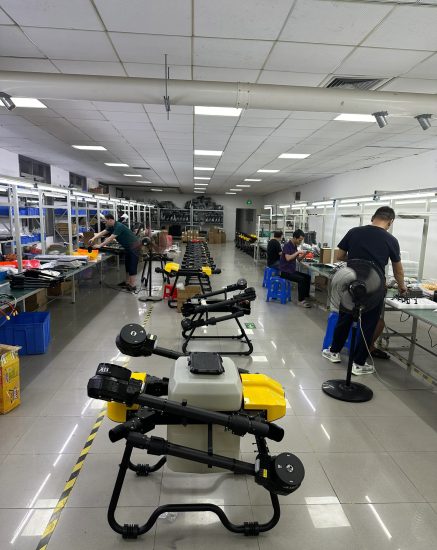
MSOEN develops professional agricultural drone solutions designed to help farmers reduce costs and increase productivity.
Our product portfolio includes:
-
Crop spraying drones
-
Fertilizer spreading drones
-
Mapping drones
-
Inspection drones
-
OEM drone manufacturing
-
ODM drone development
MSOEN advantages include:
-
Advanced flight control systems
-
Reliable spraying performance
-
High-capacity payload options
-
Professional technical support
-
Global export experience
-
Customized solutions for local markets
Whether you operate a small farm or manage a large agricultural enterprise, MSOEN can help you implement efficient drone solutions tailored to your operational needs.
How to Calculate Return on Investment
Before purchasing an agricultural drone, consider:
-
Current labor expenses
-
Farm size
-
Annual spraying frequency
-
Chemical costs
-
Equipment maintenance expenses
Many farms discover that labor savings, increased efficiency, and improved crop protection help justify the investment over time.
A professional drone solution should not be viewed simply as equipment but as a productivity tool that supports long-term farm profitability.
Conclusion
Agricultural drones are transforming modern farming by reducing labor requirements, increasing operational efficiency, improving spraying accuracy, and minimizing crop damage. For farms facing labor shortages and rising costs, drone technology offers a practical and scalable solution.
By selecting the right agricultural drone and implementing effective operating practices, farmers can improve productivity, optimize resources, and strengthen their competitiveness in an increasingly demanding agricultural market.
FAQ
Can one person operate an agricultural drone?
Yes. Most professional agricultural drones can be operated by a trained pilot, often with assistance during battery replacement and chemical refilling.
Do agricultural drones reduce pesticide use?
Precision application can help reduce chemical waste and improve utilization efficiency compared with traditional methods.
Are agricultural drones suitable for large farms?
Yes. High-capacity agricultural drones are widely used on large commercial farms, cooperatives, and contract spraying operations.
Can agricultural drones work in orchards?
Yes. Modern drones equipped with terrain-following and obstacle-avoidance technologies are highly effective in orchard environments.
Does MSOEN provide OEM and ODM drone services?
Yes. MSOEN offers comprehensive OEM and ODM solutions, including custom branding, hardware development, software customization, and complete drone manufacturing services for global partners.
THE END


No comments yet