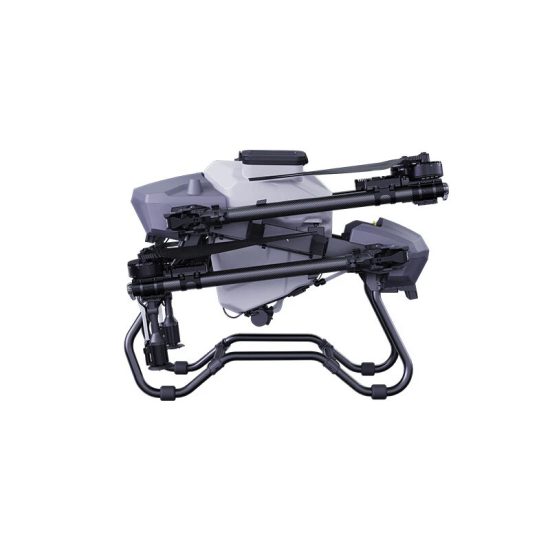


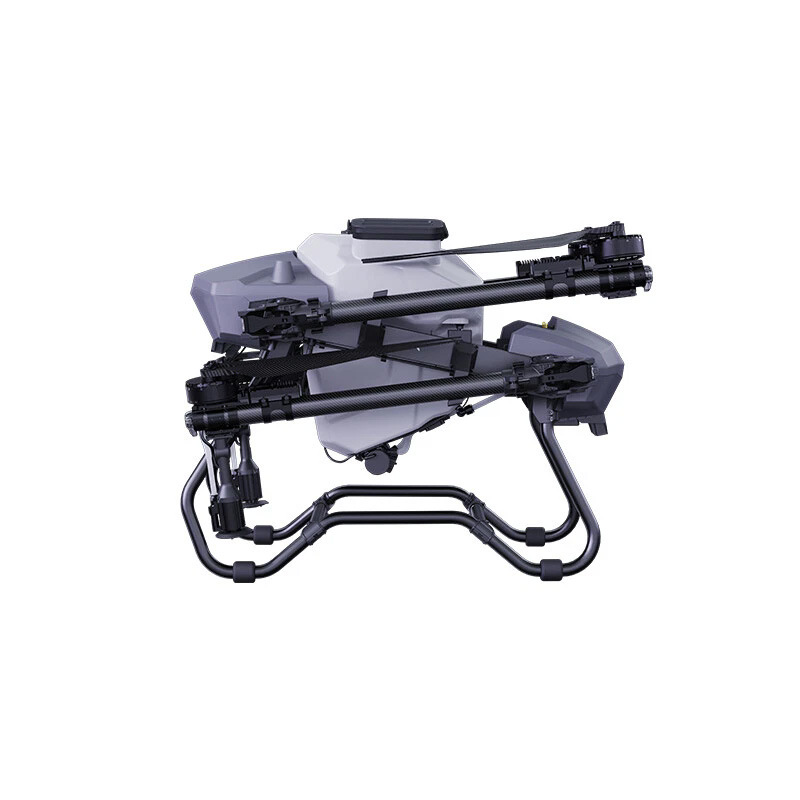
Battery performance is one of the most important factors affecting agricultural drone productivity. Whether you operate a spraying drone for rice fields, orchards, wheat farms, or large-scale agricultural operations, the battery directly impacts flight time, daily coverage, operating costs, and return on investment.
Many drone buyers focus on payload capacity and spraying efficiency but overlook battery lifespan. Understanding how agricultural drone batteries work and how to maintain them properly can save thousands of dollars in replacement costs over time.
Why Battery Life Matters in Agricultural Drones
An agricultural drone can only perform as efficiently as its power system.
A high-quality battery helps:
- Increase daily spraying acreage
- Reduce downtime
- Improve operational efficiency
- Lower maintenance costs
- Extend equipment service life
- Maximize return on investment
Poor battery management often leads to reduced flight time, unexpected downtime, and premature battery replacement.
What Type of Batteries Do Agricultural Drones Use?
Most modern agricultural drones use high-capacity lithium batteries.
Common battery types include:
Lithium Polymer (LiPo)
Advantages:
- High energy density
- Lightweight design
- Strong power output
Suitable for:
- Small and medium agricultural drones
Intelligent Lithium Batteries
Advantages:
- Built-in battery management systems
- Temperature monitoring
- Cell balancing
- Safety protection
Suitable for:
- Professional agricultural drone operations
Today, intelligent lithium batteries are becoming the preferred choice for commercial spraying drones.
How Long Does an Agricultural Drone Battery Last Per Flight?
Flight time depends on several factors:
- Drone size
- Payload weight
- Weather conditions
- Flight speed
- Spray volume
- Battery capacity
Typical flight durations include:
| Drone Size | Average Flight Time |
|---|---|
| 10L Drone | 15–25 Minutes |
| 20L Drone | 12–20 Minutes |
| 30L Drone | 10–18 Minutes |
| 40L Drone | 8–15 Minutes |
| 50L+ Drone | 8–12 Minutes |
Actual flight times vary depending on operating conditions.
How Many Charge Cycles Does a Battery Last?
Battery lifespan is usually measured in charge cycles.
A charge cycle means:
- Charging from low capacity to full capacity
Professional agricultural drone batteries often support:
- 500 to 1,000 charge cycles
- Sometimes more with proper maintenance
After extensive use, battery capacity gradually decreases.
For example:
- New battery capacity: 100%
- After hundreds of cycles: 80–90%
- Later stages: 70–80%
Once capacity drops significantly, flight performance begins to suffer.
Factors That Reduce Battery Lifespan
High Temperature Exposure
Heat is one of the biggest battery killers.
Common causes:
- Charging immediately after flight
- Operating in extremely hot weather
- Improper storage conditions
Deep Discharging
Regularly draining batteries completely can shorten their service life.
Overcharging
Although modern batteries have protection systems, poor charging practices can still accelerate aging.
Excessive Load
Carrying payloads beyond recommended limits increases battery stress.
Poor Storage Conditions
Long-term storage at improper charge levels can damage battery cells.
How to Extend Agricultural Drone Battery Life
Allow Batteries to Cool Before Charging
After each flight:
- Let the battery cool naturally
- Avoid immediate charging
Cooling helps protect internal battery cells.
Use Approved Chargers
Always use chargers recommended by the manufacturer.
Benefits include:
- Stable charging current
- Better safety
- Longer battery life
Avoid Full Discharge
Many operators mistakenly believe batteries should be completely drained.
In reality:
- Moderate discharge levels are healthier
- Avoid frequent deep discharges
Store Batteries Correctly
For long-term storage:
- Keep batteries partially charged
- Store in cool and dry environments
- Avoid direct sunlight
Regular Battery Inspection
Check for:
- Swelling
- Physical damage
- Loose connectors
- Abnormal temperatures
Replace damaged batteries immediately.
Signs That Your Battery Needs Replacement
Watch for these warning signs:
Reduced Flight Time
If flight duration decreases significantly, battery aging may be occurring.
Slow Charging Performance
Older batteries often take longer to charge.
Swelling
Battery swelling is a serious safety concern and requires immediate replacement.
Excessive Heat
Unusual heating during charging or operation may indicate internal damage.
Voltage Imbalance
Significant differences between battery cells can reduce performance and safety.
How Many Batteries Do Professional Operators Need?
Most commercial agricultural drone operators use multiple batteries.
Typical setups include:
Small Farms
- 2–4 batteries
Medium Farms
- 4–8 batteries
Large Farms
- 8–20 batteries or more
Using multiple batteries ensures continuous operation while other batteries recharge.
Fast Charging and Operational Efficiency
Modern agricultural drone systems often include intelligent fast chargers.
Benefits include:
- Reduced downtime
- Higher daily productivity
- Improved equipment utilization
Professional spraying teams can often operate continuously by rotating batteries throughout the day.
Why Battery Quality Is More Important Than Price
Some buyers focus only on battery cost.
However, low-quality batteries may result in:
- Shorter lifespan
- Reduced flight time
- Increased safety risks
- Higher long-term operating costs
A high-quality battery often delivers a lower total cost of ownership over its lifetime.
Why Choose MSOEN Agricultural Drone Batteries
MSOEN provides professional agricultural drone power solutions designed for demanding farming environments.
Advantages include:
- High-capacity lithium battery systems
- Intelligent battery management technology
- Fast charging support
- Long cycle life
- Stable performance under heavy workloads
- Compatibility with agricultural spraying drones
- OEM and ODM battery customization services
Our battery systems help agricultural operators maximize productivity while minimizing downtime.
Request a Battery Recommendation
Not sure which battery configuration is right for your agricultural drone?
The MSOEN team can recommend the ideal battery and charging solution based on:
- Drone model
- Farm size
- Daily operating hours
- Local climate conditions
Contact us today to receive a customized recommendation, product catalog, and factory-direct quotation.
FAQ
How long does an agricultural drone battery last?
Most professional agricultural drone batteries last between 500 and 1,000 charge cycles, depending on usage and maintenance.
What is the average flight time of a spraying drone?
Flight time typically ranges from 8 to 25 minutes depending on payload, battery capacity, and operating conditions.
Can I charge my battery immediately after landing?
It is recommended to allow the battery to cool before charging to help extend its lifespan.
How many batteries do I need for commercial spraying?
Commercial operators commonly use multiple batteries to maintain continuous operation throughout the workday.
Does MSOEN offer customized agricultural drone battery solutions?
Yes. MSOEN provides OEM and ODM battery solutions, including customized capacities, charging systems, and power management technologies for agricultural drone applications.


No comments yet