

Modern agriculture faces increasing pressure to improve efficiency while controlling costs. Farmers are expected to manage larger areas, protect crops more effectively, and reduce unnecessary resource waste at the same time.
Water use, pesticide application, and labor time are three major concerns for many farms. When spraying is inefficient, farms may experience higher operating costs, delayed crop management, and unnecessary material waste.
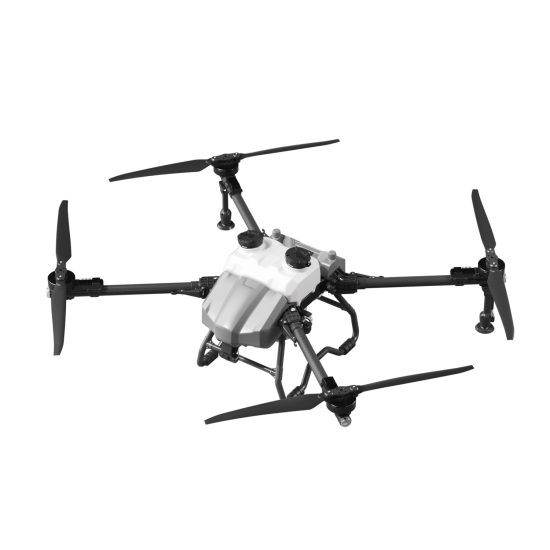
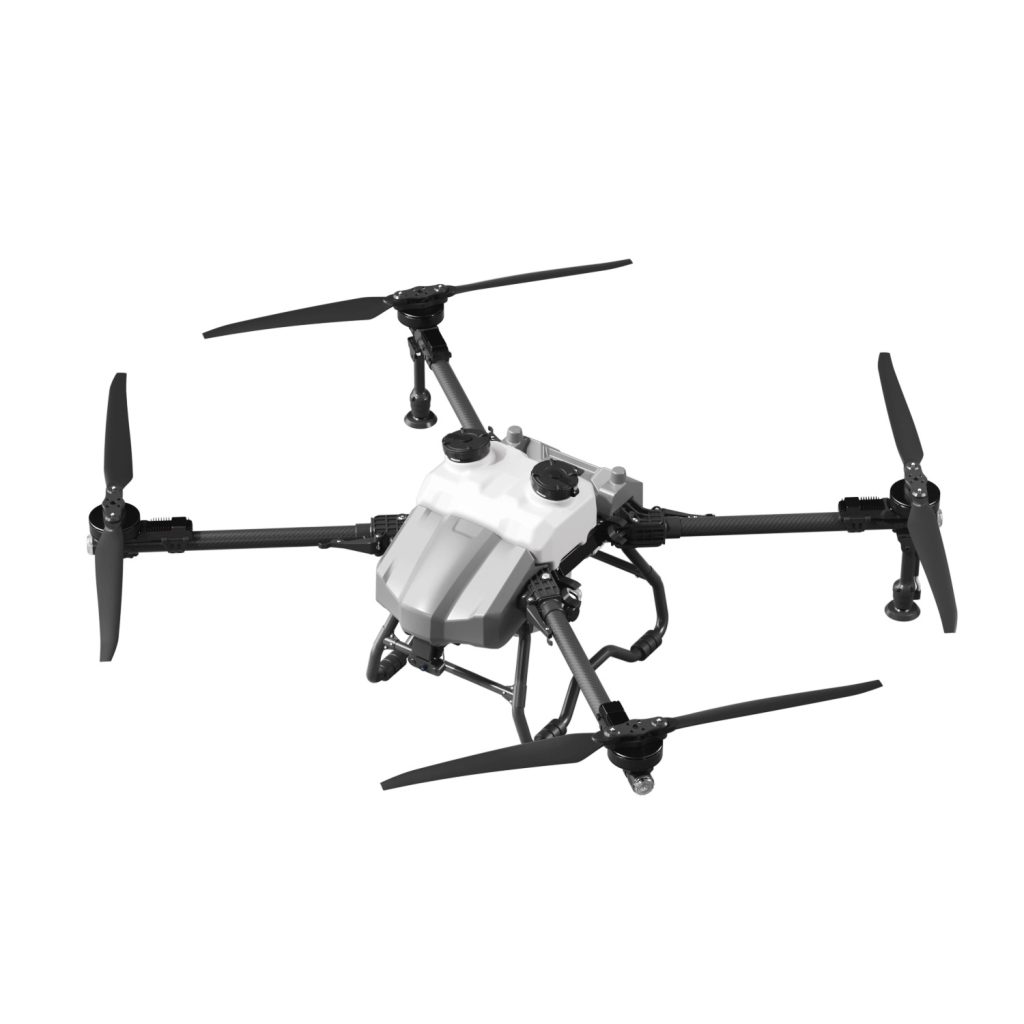
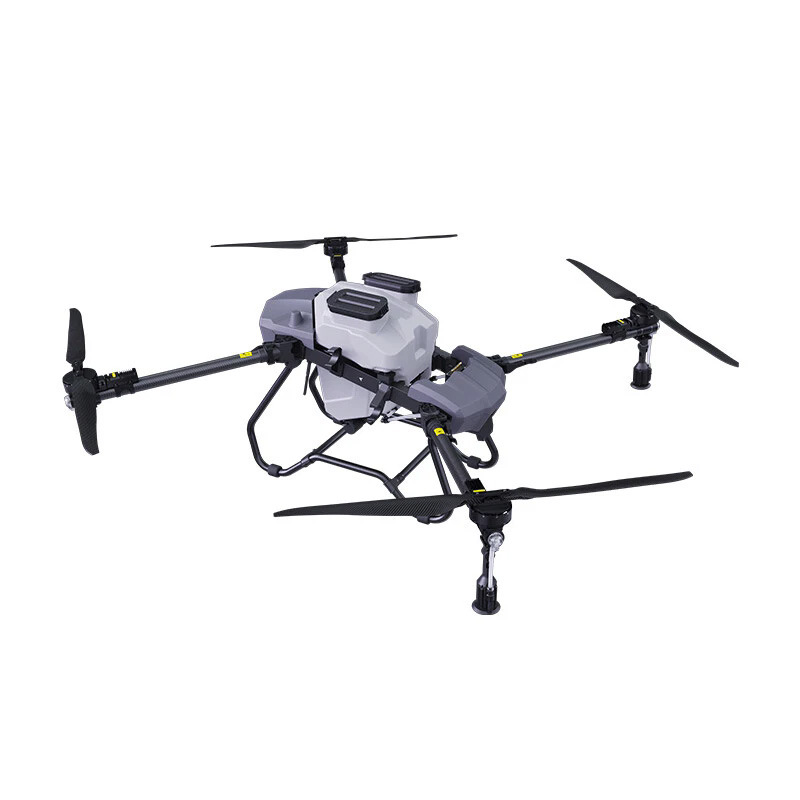
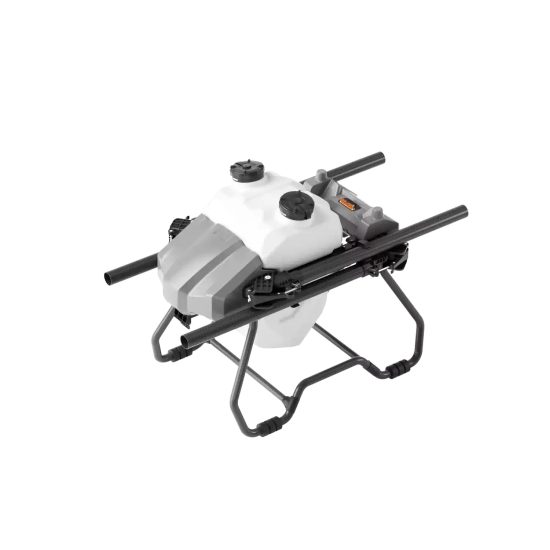
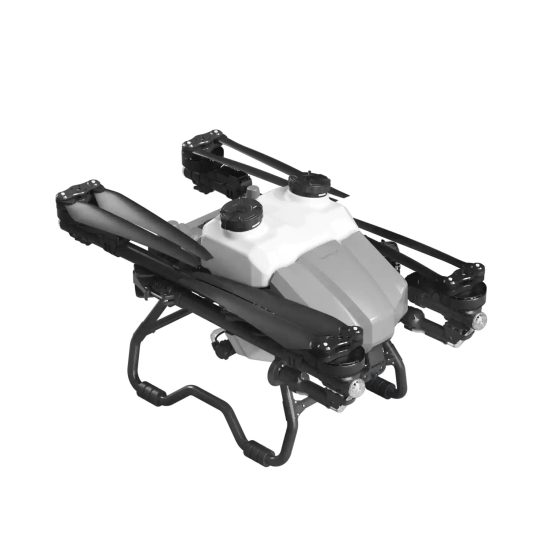
Agricultural drones are becoming a practical tool for farmers who want to improve efficiency and simplify field operations.
Why Resource Efficiency Matters in Farming
Agriculture depends heavily on timing and resource management.
When water, pesticides, or labor are not used efficiently, farms may face several challenges:
- Higher production costs
- Delayed spraying schedules
- More wasted agricultural inputs
- Increased labor pressure during busy seasons
- Lower operational efficiency on large farms
For commercial growers, improving efficiency is often part of long-term farm planning.
How Agricultural Drones Help Save Water
Traditional spraying methods may sometimes apply more liquid than necessary in certain areas.
This can lead to unnecessary water use and less organized field management.
Agricultural drones support more controlled spraying operations, helping farmers improve application consistency and manage spraying tasks more efficiently.
For farms operating in areas where water efficiency matters, organized spraying can support better resource planning.
How Drones Help Reduce Pesticide Waste
Pesticides are an important part of crop protection, but unnecessary over-application may increase operational costs.
Traditional spraying methods sometimes create overlap or uneven application patterns.
Agricultural drones are designed to support more controlled spraying workflows, helping operators improve field organization and reduce unnecessary waste.
For farms managing large areas, better spraying organization may help simplify crop protection management.
How Drones Help Save Time
Speed matters in agriculture.
When pest pressure, disease management, or seasonal crop schedules require fast action, delayed spraying can create operational pressure.
Agricultural drones allow operators to complete spraying tasks more efficiently, helping farms respond faster during important farming periods.
Faster operations can also help reduce workload during busy agricultural seasons.
Reduce Labor Pressure
Manual spraying often requires multiple workers and longer operation periods.
Many agricultural businesses face labor shortages or increasing labor costs.
Agricultural drones help simplify field management and may reduce labor dependence by making spraying work more organized and easier to manage.
Better Access to Difficult Farming Areas
Some farmland is difficult to access using traditional equipment.
Wet soil, uneven ground, soft farmland, orchards, and mountain farms may limit machine movement.
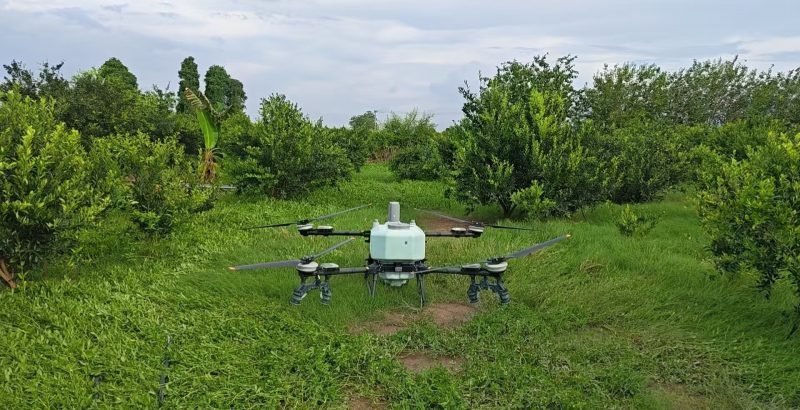
Agricultural drones fly above crops, helping farmers continue spraying work in difficult field environments.
Which Farms Benefit Most from Agricultural Drones?
Agricultural drones may be useful for:
- Rice farms
- Wheat and grain farms
- Corn farms
- Orchards and fruit plantations
- Tea plantations
- Large commercial agricultural operations
For many farms, drones are becoming part of a more efficient crop management strategy.
Final Thoughts
Saving water, pesticides, and time is not simply about lowering expenses. It is about improving operational efficiency and helping farms manage resources more effectively.
Agricultural drones provide farmers with a practical solution for improving workflow, simplifying spraying operations, and supporting better field management.
As agriculture continues evolving, efficient resource management is becoming increasingly important for long-term farming success.
FAQ
1. Can agricultural drones help save water?
Controlled spraying systems may help improve efficiency and support better water management during spraying operations.
2. Do drones reduce pesticide waste?
Drone spraying may help improve spraying consistency and reduce unnecessary overlap during operations.
3. Can drones save time for farmers?
Yes. Agricultural drones can help farms complete spraying work more efficiently, especially during busy farming seasons.
4. Are drones suitable for large farms?
Yes. Many large farms use agricultural drones to improve field efficiency and simplify crop management.
5. What types of farms benefit most from drones?
Rice farms, orchards, grain farms, tea plantations, and commercial agricultural operations may benefit from agricultural drone solutions.


No comments yet