



Labor shortages have become a growing challenge in modern agriculture. Many farms struggle to find enough workers during busy seasons, especially when spraying, fertilizing, and crop management tasks need to be completed quickly.
For agricultural businesses, delayed spraying can increase operational pressure, reduce efficiency, and affect crop management schedules. Crop spraying drones are increasingly becoming a practical solution for farms that want to reduce labor dependence while improving operational flexibility.
Why Labor Shortages Are a Serious Farming Problem
Agriculture often depends on seasonal labor. During planting and crop protection periods, farms need workers who can handle repetitive and physically demanding tasks.
However, many farm owners face common challenges:
- Difficulty finding enough workers during peak seasons
- Rising labor costs year after year
- Delays in spraying schedules due to worker shortages
- Physically demanding work in difficult field environments
- Reduced operational efficiency on large farms
For farms managing large planting areas, labor shortages can quickly become an operational problem.
How Crop Spraying Drones Help Reduce Labor Pressure
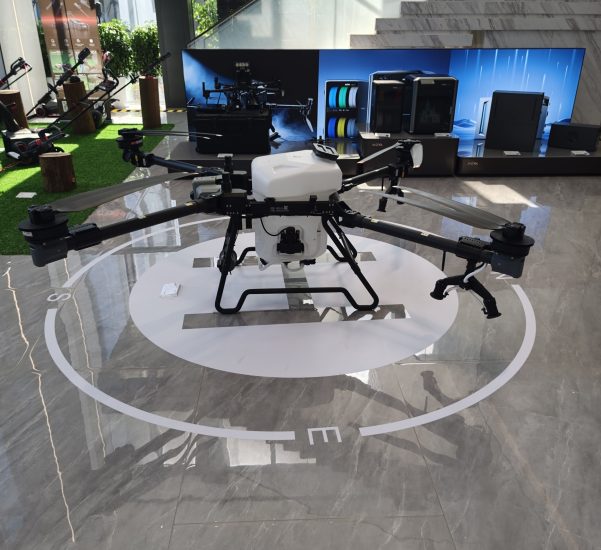
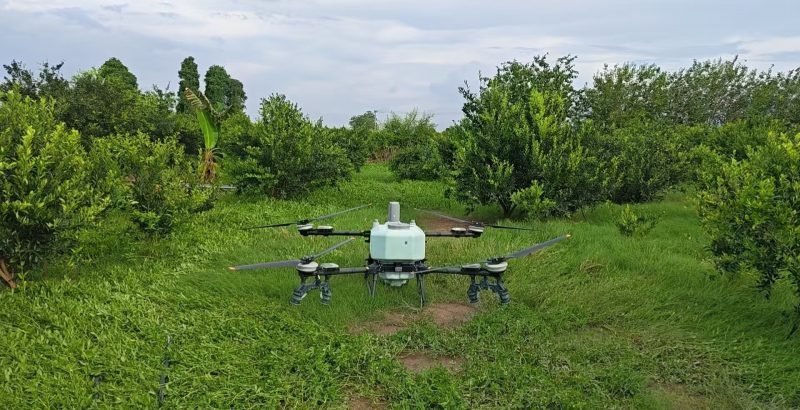
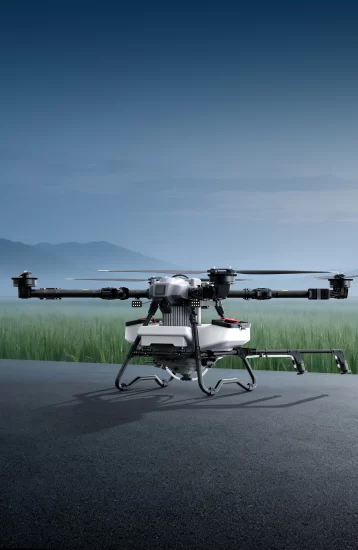
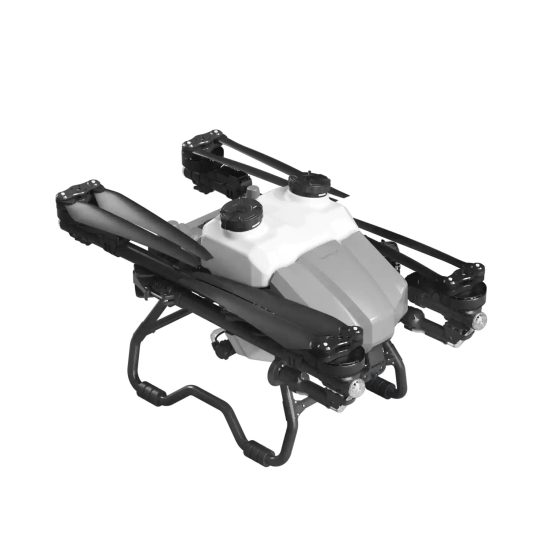
Crop spraying drones are designed to simplify agricultural work and reduce manual dependence.
Instead of requiring multiple workers to carry equipment through fields or operate traditional spraying systems, one trained operator can manage spraying work more efficiently.
1. Reduce Dependence on Manual Labor
Traditional spraying often requires several workers depending on farm size and spraying methods.
With agricultural drones, fewer people may be needed to complete spraying operations, helping farms maintain productivity even when labor is limited.
This can be especially valuable during busy agricultural periods.
2. Improve Spraying Efficiency
When farms are short on labor, spraying schedules may be delayed.
Agricultural drones allow farms to complete spraying tasks more quickly and keep crop protection schedules organized.
Faster spraying can help operators respond more efficiently to seasonal farming needs.
3. Reduce Physical Workload
Manual spraying can be physically exhausting.
Workers may spend long hours carrying equipment, walking through muddy areas, or operating machinery under difficult weather conditions.
Crop spraying drones reduce physical workload by allowing spraying to be controlled remotely, helping improve overall working efficiency.
4. Help Farms Manage Larger Areas
As farms expand, labor requirements usually increase.
However, increasing workforce size is not always practical or affordable.
Agricultural drones help farms manage larger areas with more flexible operational planning, reducing dependence on large seasonal teams.
5. Improve Flexibility During Busy Seasons
Agricultural work often depends on timing.
When weather conditions are suitable, spraying tasks may need to happen quickly.
Drone operations provide more flexibility, helping farms respond faster without depending entirely on worker availability.
Which Farms Benefit Most from Crop Spraying Drones?
Drone spraying solutions may be especially useful for:
- Large commercial farms
- Rice, wheat, corn, and grain farms
- Orchard and plantation operations
- Agricultural businesses facing labor shortages
- Farms seeking more efficient operational management
Many growers view drones as a practical operational tool rather than only new technology.
What to Consider Before Choosing a Crop Spraying Drone
Before selecting a spraying drone, farms should evaluate:
Ease of Operation
Simple operating systems may help reduce training time.
Maintenance Support
Reliable technical support and spare parts availability help reduce operational interruptions.
Flight Stability
Consistent performance is important during repeated spraying tasks.
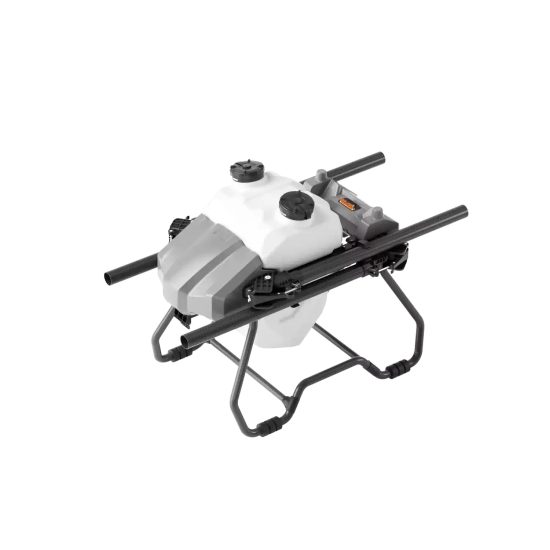
Tank Capacity
Payload size may influence operational efficiency depending on farm scale.
Battery and Workflow Efficiency
For large farms, battery management and continuous operation planning are important considerations.
Final Thoughts
Labor shortages are becoming one of the biggest challenges in agriculture.
Crop spraying drones offer farms a practical way to reduce labor pressure, improve operational efficiency, and maintain spraying schedules with greater flexibility.
For many agricultural businesses, drone technology is becoming an important part of long-term farm management rather than a short-term trend.
FAQ
1. Can agricultural drones replace farm workers?
Agricultural drones may reduce labor requirements for spraying tasks, but farms still need workers for many other agricultural activities.
2. Are crop spraying drones difficult to operate?
Most systems are designed for practical operation, and training helps operators learn safe and efficient spraying procedures.
3. Can one person operate a spraying drone?
In many situations, one trained operator can manage spraying work more efficiently than traditional manual methods.
4. Are spraying drones suitable for large farms?
Yes. Large farms often use drones to improve operational efficiency and reduce dependence on seasonal labor.
5. Do drones help during labor shortages?
Yes. Agricultural drones can help farms maintain spraying schedules when workforce availability becomes limited.


No comments yet