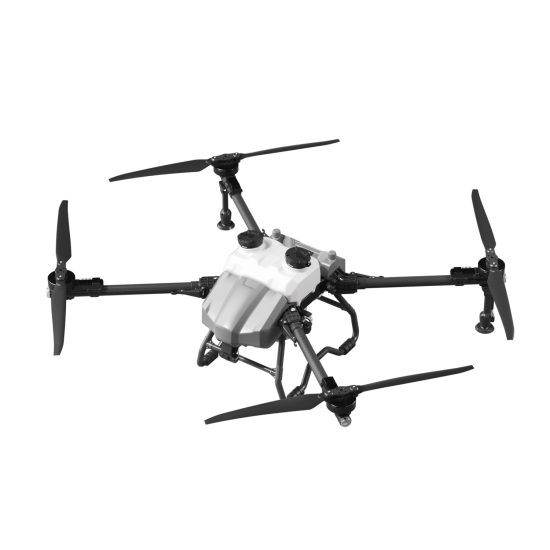


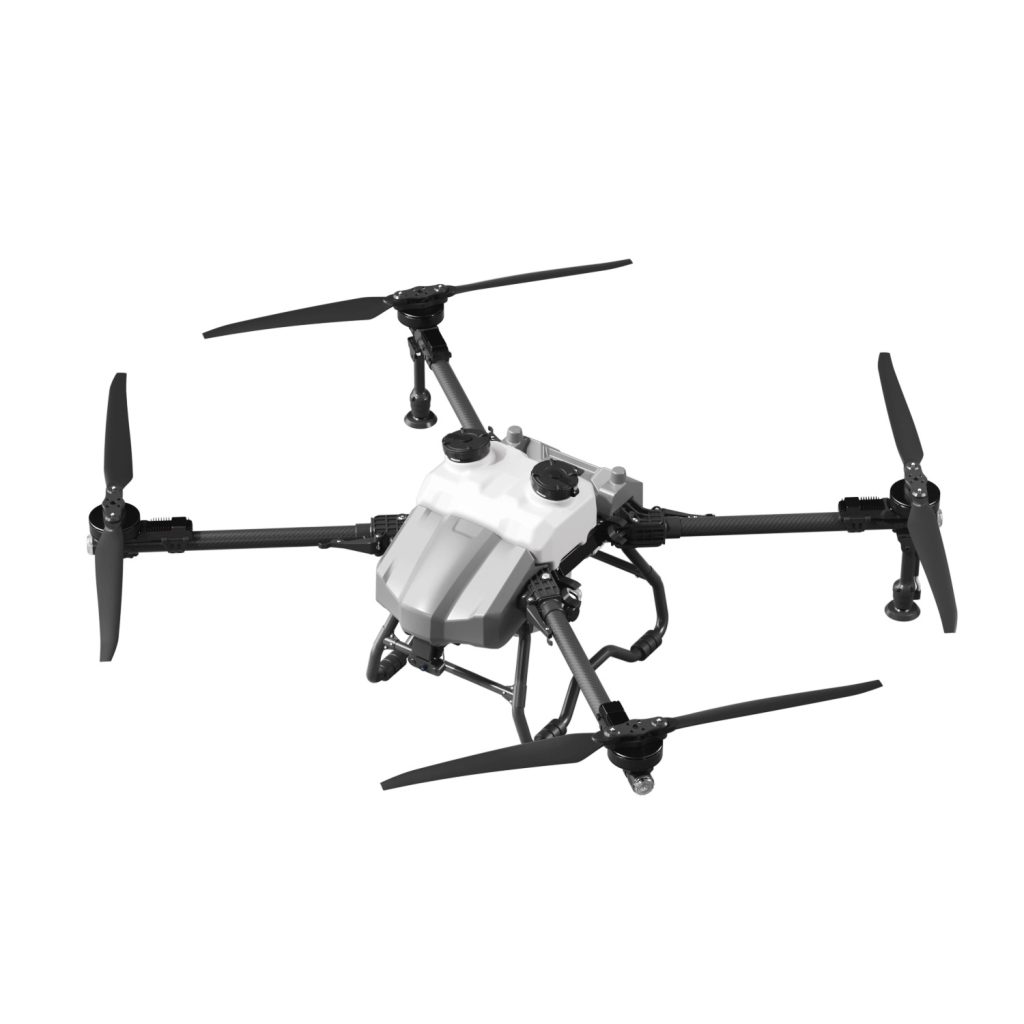
How Can Industrial Inspection Drones Reduce Maintenance Costs and Improve Safety?
Industrial facilities require regular inspections to ensure equipment reliability, worker safety, and operational efficiency. Traditionally, inspections often involve scaffolding, rope access, cranes, helicopters, or manual climbing, which can be expensive, time-consuming, and potentially dangerous.
Today, industrial inspection drones are transforming how companies inspect critical infrastructure. From power lines and solar farms to oil pipelines and communication towers, drones provide faster, safer, and more cost-effective inspection solutions.
This article explains how industrial inspection drones help businesses reduce maintenance costs while improving workplace safety.
The Challenges of Traditional Inspections
Many industries still rely on conventional inspection methods.
Common challenges include:
-
High labor costs
-
Equipment rental expenses
-
Production downtime
-
Worker safety risks
-
Limited inspection frequency
-
Difficult access to hazardous areas
For large industrial sites, these challenges can significantly increase operating expenses.
What Is an Industrial Inspection Drone?
An industrial inspection drone is a UAV equipped with specialized sensors and cameras designed for professional inspection tasks.
Common payloads include:
-
High-resolution cameras
-
Thermal imaging cameras
-
Zoom cameras
-
LiDAR sensors
-
Multispectral sensors
-
Gas detection systems
These technologies allow operators to collect accurate inspection data without placing personnel in dangerous environments.
How Drones Reduce Maintenance Costs
Faster Inspection Operations
Traditional inspections may require several days or even weeks to complete.
Inspection drones can often complete the same task in a matter of hours.
Benefits include:
-
Reduced labor costs
-
Faster project completion
-
Less equipment rental
Reduced Downtime
Industrial shutdowns are expensive.
Inspection drones allow many inspections to be performed without stopping operations.
Examples include:
-
Solar farms
-
Warehouses
-
Manufacturing facilities
-
Power distribution systems
Reduced downtime directly translates into cost savings.
Lower Equipment Expenses
Traditional inspections may require:
-
Cranes
-
Lifts
-
Scaffolding
-
Rope access teams
Drone inspections eliminate or reduce the need for these costly resources.
Early Defect Detection
Identifying problems early prevents costly repairs.
Drones can detect:
-
Corrosion
-
Structural cracks
-
Thermal abnormalities
-
Equipment wear
-
Electrical faults
Early maintenance often costs significantly less than emergency repairs.
How Drones Improve Worker Safety
Safety is one of the most important reasons companies adopt drone inspections.
Eliminate Working at Height
Many industrial accidents occur during elevated work.
Inspection drones reduce the need for workers to climb:
-
Towers
-
Wind turbines
-
Storage tanks
-
Bridges
-
Transmission structures
Reduce Exposure to Hazardous Environments
Industrial sites may contain:
-
High-voltage equipment
-
Toxic gases
-
Extreme temperatures
-
Confined spaces
Drones can inspect these areas remotely, reducing worker exposure.
Minimize Risk During Emergency Assessments
After storms, fires, or accidents, conditions may be unsafe for personnel.
Drones can rapidly assess damage before human teams enter the area.
Industries Benefiting from Inspection Drones
Power Utilities
Inspection drones help monitor:
-
Transmission lines
-
Distribution networks
-
Substations
-
Electrical towers
Benefits include improved reliability and reduced outage risks.
Solar Farms
Drones equipped with thermal cameras can identify:
-
Defective solar panels
-
Hotspots
-
Electrical faults
Large solar installations can be inspected much faster than manual methods.
Wind Energy
Wind turbine inspections traditionally require specialized climbing teams.
Drones can inspect:
-
Blades
-
Towers
-
Surface damage
-
Structural defects
This significantly reduces inspection costs.
Oil and Gas Industry
Inspection drones are widely used for:
-
Pipeline inspections
-
Storage tank inspections
-
Facility monitoring
-
Flare stack inspections
Remote inspections improve both safety and efficiency.
Construction Industry
Construction companies use drones for:
-
Structural inspections
-
Progress monitoring
-
Site surveys
-
Safety assessments
The result is better project management and lower operational risk.
Advanced Technologies Used in Inspection Drones
Modern industrial drones offer powerful technologies that enhance inspection quality.
High-Resolution Imaging
Provides detailed visual records for analysis and reporting.
Thermal Imaging
Detects temperature anomalies that may indicate equipment failure.
Applications include:
-
Electrical systems
-
Solar panels
-
Mechanical equipment
AI-Assisted Analysis
Artificial intelligence can help identify:
-
Cracks
-
Corrosion
-
Missing components
-
Structural damage
This improves inspection accuracy and efficiency.
Real-Time Data Transmission
Live video allows decision-makers to monitor inspections remotely and respond quickly to potential issues.
Key Features to Consider When Choosing an Inspection Drone
Before purchasing an industrial inspection drone, evaluate:
Flight Stability
Stable flight improves image quality and inspection accuracy.
Camera Quality
Higher resolution delivers more detailed inspection results.
Flight Time
Longer endurance increases productivity.
Obstacle Avoidance
Essential when operating near structures and equipment.
Data Security
Inspection data often contains sensitive information and should be protected.
Technical Support
Reliable manufacturer support is important for long-term operation.
Why Businesses Choose MSOEN Industrial Inspection Drones
MSOEN develops professional UAV solutions for industrial inspection applications worldwide.
Advantages include:
-
High-resolution inspection cameras
-
Thermal imaging integration
-
Long-endurance flight systems
-
Intelligent obstacle avoidance
-
Stable flight control technology
-
OEM and ODM customization services
-
Global technical support
Our drones are designed to help companies improve inspection efficiency, reduce operational costs, and enhance workplace safety.
Return on Investment of Inspection Drones
Many organizations recover their investment quickly through:
-
Reduced labor costs
-
Fewer equipment rentals
-
Lower downtime expenses
-
Improved maintenance planning
-
Reduced accident risks
As inspection frequency increases, the cost savings become even more significant.
Request a Customized Inspection Drone Solution
Looking for a reliable industrial inspection drone manufacturer?
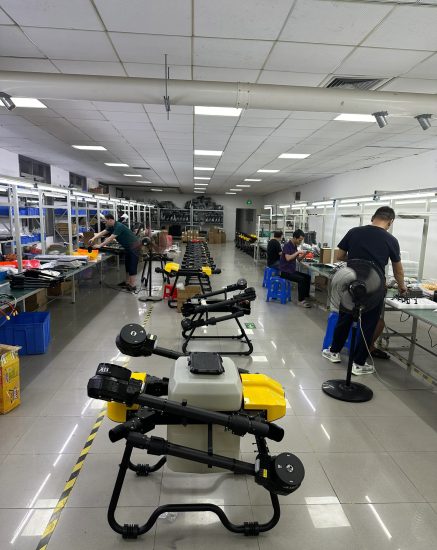
MSOEN can provide customized drone solutions tailored to your industry and inspection requirements.
Contact our team today to receive:
-
Product catalog
-
Technical specifications
-
OEM/ODM consultation
-
Industry-specific recommendations
-
Factory-direct quotation
FAQ
What industries use inspection drones?
Industries including energy, utilities, construction, mining, oil and gas, telecommunications, and infrastructure management commonly use inspection drones.
Can drones replace traditional inspections completely?
Not always. However, drones can significantly reduce the need for manual inspections and improve inspection efficiency.
Are thermal cameras useful for industrial inspections?
Yes. Thermal imaging helps identify overheating equipment, electrical faults, insulation issues, and other problems that may not be visible to the naked eye.
How much can inspection drones reduce maintenance costs?
Savings vary by industry and application, but many organizations achieve substantial reductions in labor, equipment rental, and downtime expenses.
Does MSOEN offer customized industrial inspection drone solutions?
Yes. MSOEN provides OEM and ODM industrial inspection drones with customized cameras, sensors, software integrations, and industry-specific configurations.
THE END


No comments yet