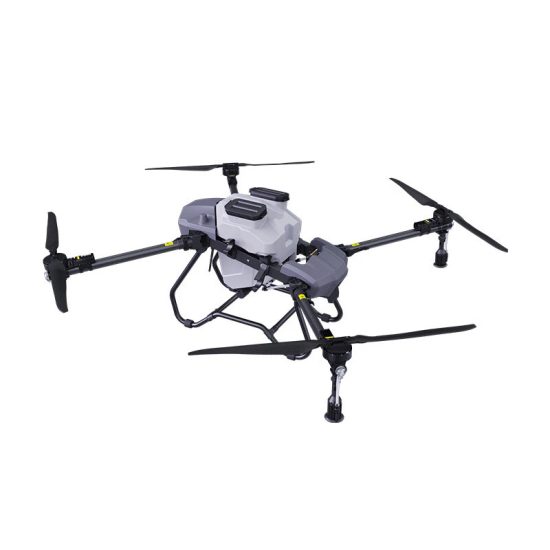


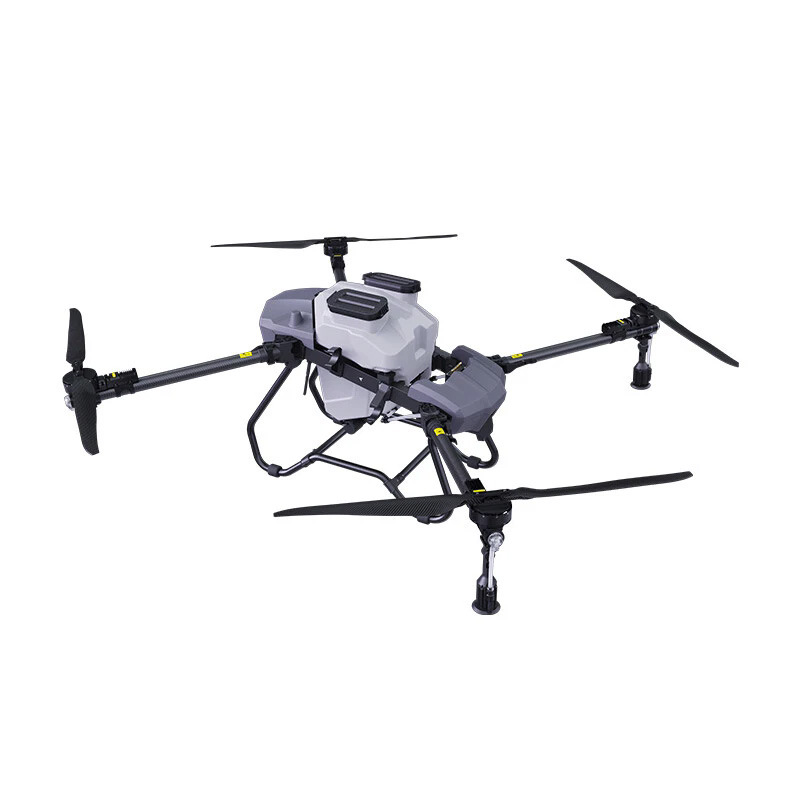

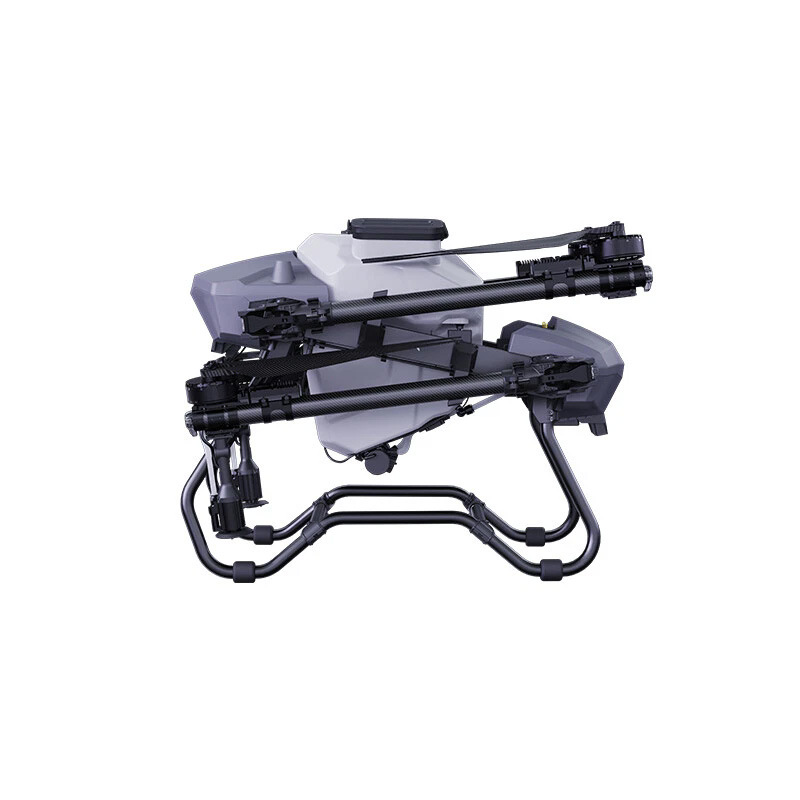
Efficient crop spraying is one of the most important parts of modern farming. Poor spray coverage may lead to inconsistent crop protection, wasted chemicals, and unnecessary operational costs.
For many farms, especially large agricultural operations, traditional spraying methods can be slow, labor-intensive, and difficult to manage during busy seasons. Agricultural drones are increasingly used to improve spray efficiency and support more consistent crop coverage.
Common Problems in Traditional Crop Spraying
Many farms still face challenges when using manual spraying or conventional equipment.
Some common problems include:
- Uneven spray distribution across fields
- Missed areas caused by inconsistent operation
- Excessive overlap leading to wasted chemicals
- Slow field operations during peak farming periods
- Difficulty spraying wet or hard-to-access farmland
These issues can affect farm productivity and increase operational pressure.
How Agricultural Drones Improve Spray Efficiency
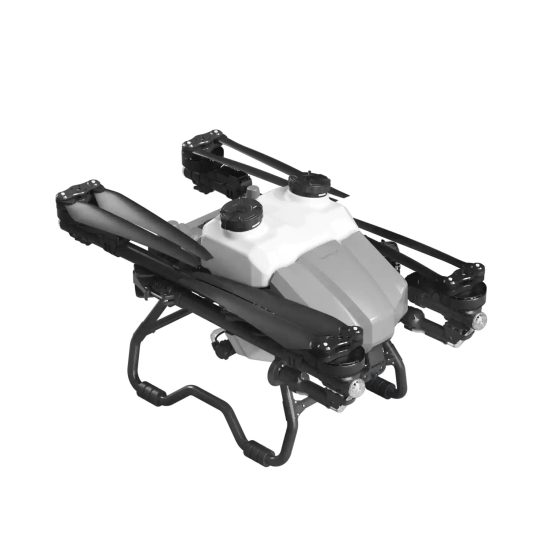
Agricultural drones help farms manage spraying operations with greater flexibility and improved workflow.
Instead of depending completely on manual spraying methods, farms can organize crop protection work more efficiently.
1. Faster Spraying Operations
Agricultural work often depends on timing.
When pests, diseases, or seasonal treatment periods appear, delayed spraying may affect crop conditions.
Agricultural drones help operators complete spraying work more quickly, making it easier to respond during important crop management periods.
2. More Consistent Crop Coverage
Uneven spraying is a common challenge in agriculture.
Some areas may receive too much application while other areas receive insufficient coverage.
Agricultural drones are designed to support more controlled spraying, helping improve consistency across farming areas.
More balanced crop coverage may support better field management and improve operational organization.
3. Better Access to Difficult Areas
Traditional spraying equipment may struggle in muddy, soft, or uneven fields.
Large machinery is not always suitable for wet farmland, mountain areas, or narrow field spaces.
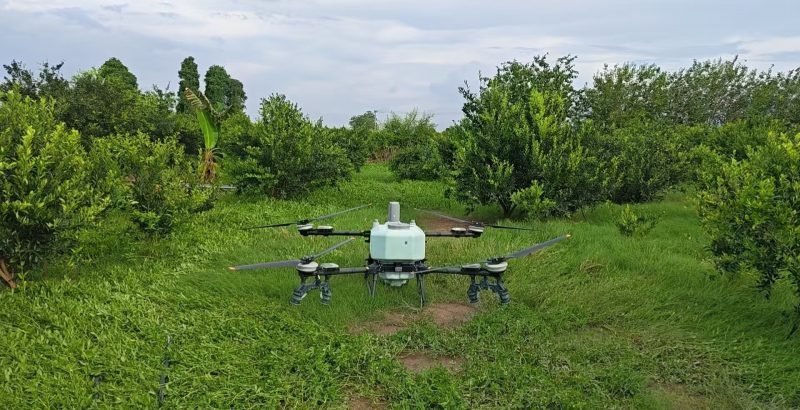
Agricultural drones operate above crops, helping farms manage spraying tasks in difficult environments.
4. Reduced Labor Pressure
Manual spraying can require significant labor, especially on large farms.
As labor costs continue increasing, many farms are looking for more efficient operational methods.
Agricultural drones help reduce labor dependence by simplifying spraying tasks and improving workflow management.
5. Reduced Crop Disturbance
Heavy machinery or repeated field movement may affect crops or soil conditions.
Drone spraying reduces direct contact with plants and farmland, helping operators manage crop protection with less physical disturbance.
Which Farms Can Benefit Most from Agricultural Spraying Drones?
Agricultural drones may be suitable for:
- Rice farms
- Wheat and grain farms
- Corn production farms
- Orchards and plantation operations
- Large commercial agricultural businesses
- Farms facing labor shortages or operational delays
For many growers, drone spraying supports more organized field management rather than replacing existing agricultural systems completely.
What Should Farms Consider Before Choosing a Spraying Drone?
Before investing in a spraying drone, farms should evaluate:
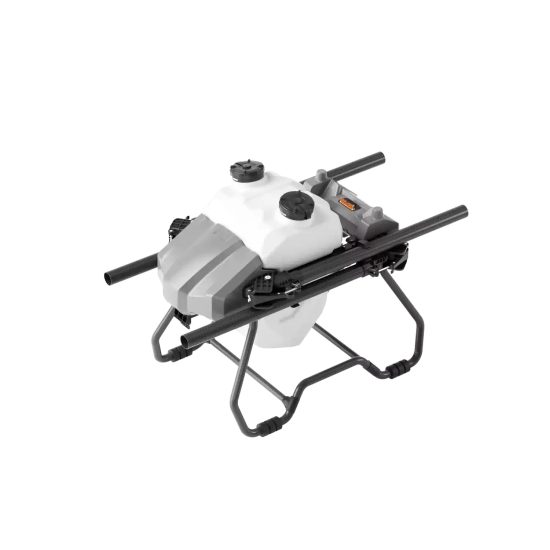
Tank Capacity
Larger tanks may improve spraying continuity for bigger operations.
Flight Stability
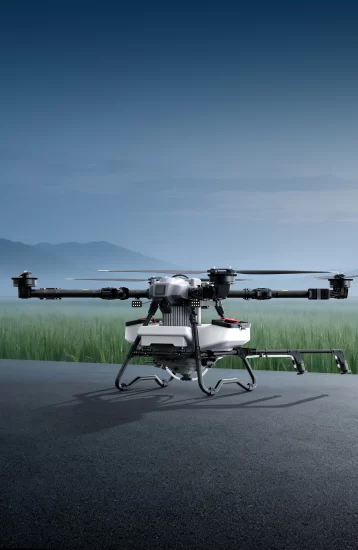
Stable operation is important for maintaining spray consistency.
Maintenance Support
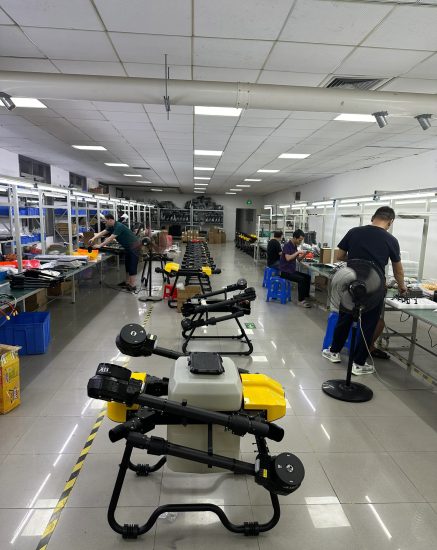
Reliable after-sales support can reduce downtime during farming seasons.
Ease of Operation
Simple operating systems may improve training efficiency and daily management.
Suitability for Farm Size
The right drone depends on field conditions, crop type, and operational requirements.
Final Thoughts
Improving spray efficiency is not only about finishing work faster. It is also about better workflow, more organized crop protection, and reducing operational pressure.
Agricultural drones provide farms with a practical spraying solution that supports better crop coverage, more flexible field access, and improved operational management.
As modern agriculture becomes more efficiency-focused, drone spraying is becoming an increasingly valuable tool for commercial farming operations.
FAQ
1. Can agricultural drones improve spray efficiency?
Yes. Agricultural drones can help farms complete spraying operations more efficiently and support more organized crop management.
2. Do drones improve crop coverage?
Controlled spraying systems may help improve consistency and reduce uneven application across farming areas.
3. Are spraying drones suitable for large farms?
Yes. Many medium and large farms use spraying drones to improve operational flexibility and reduce labor pressure.
4. Can agricultural drones spray difficult terrain?
Yes. Drones can operate in wet, muddy, uneven, or hard-to-access farming areas where traditional equipment may struggle.
5. What is important when choosing a spraying drone?
Important considerations include payload size, flight stability, maintenance support, ease of operation, and suitability for farm conditions.


No comments yet