


Rice farming has always required a large amount of labor, time, and input costs. For many growers, one of the biggest challenges is keeping spraying expenses under control while still maintaining crop quality and productivity. Rising labor costs, uneven spraying results, and wasted chemicals often make traditional spraying methods expensive and inefficient.
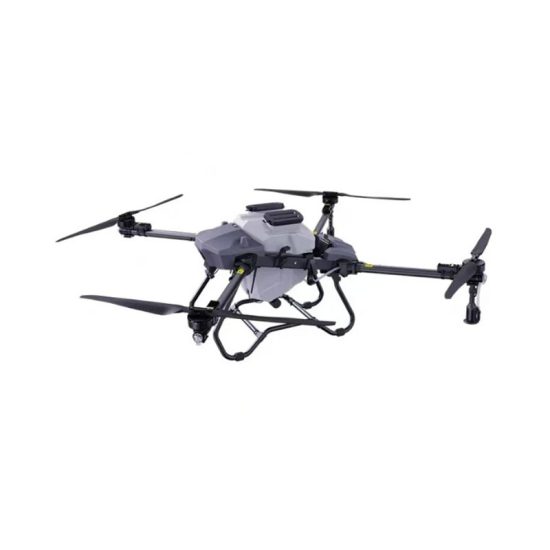
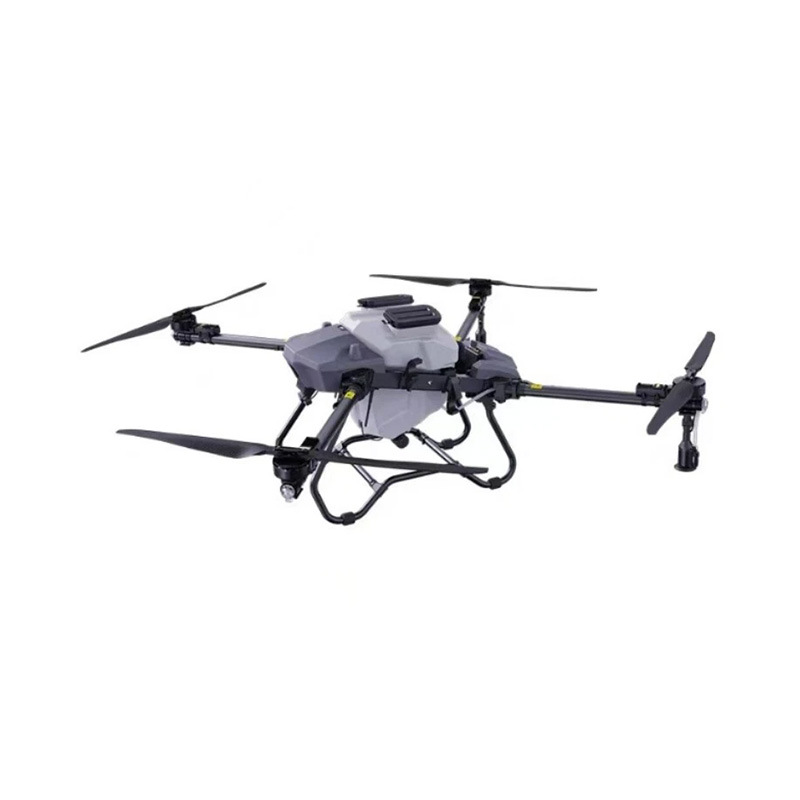
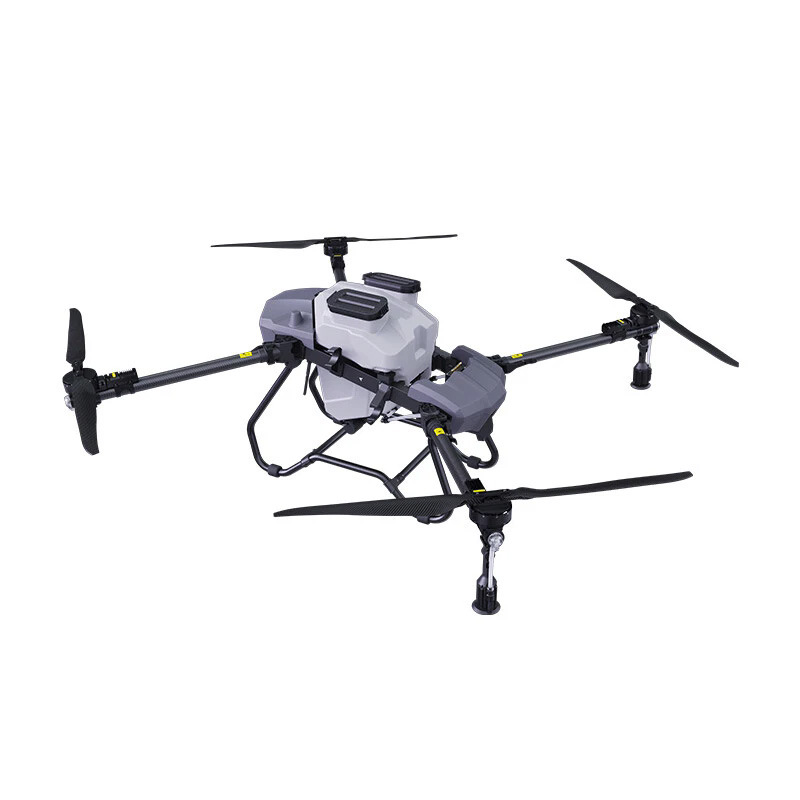
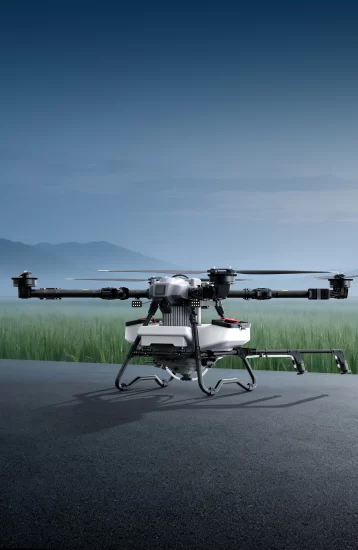
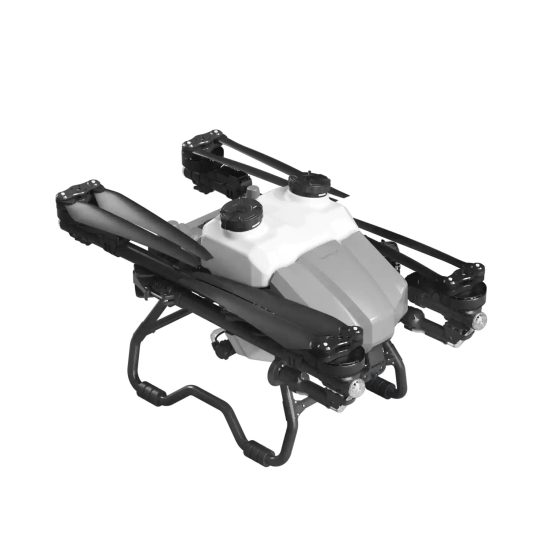
Agricultural drones are becoming a practical solution for rice farmers who want to reduce spraying costs while improving operational efficiency.
Why Traditional Rice Spraying Can Be Expensive
Many rice farms still rely on manual spraying or ground-based equipment. Although these methods have been used for years, they often create several problems:
– High labor requirements during peak seasons
– Slow spraying speed across large rice fields
– Uneven chemical coverage in wet or muddy areas
– More pesticide waste due to overspraying
– Difficulty reaching difficult field conditions after rain
For rice growers managing medium or large planting areas, these issues can increase production costs over time.
How Agricultural Drones Reduce Spraying Costs
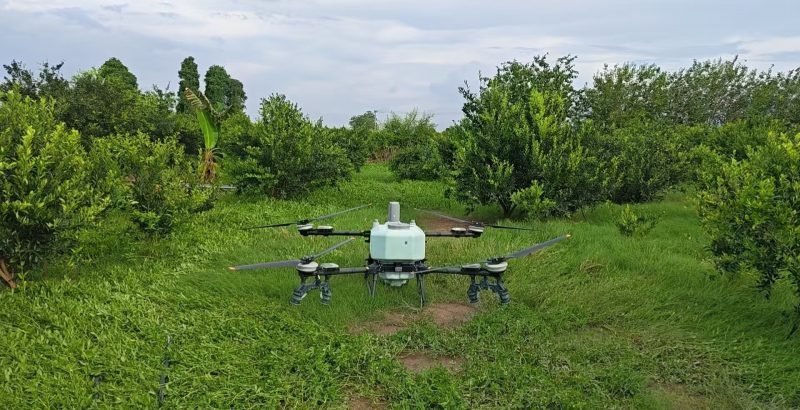
Agricultural drones help rice farmers complete spraying work faster and more accurately. Instead of walking through muddy fields or using heavy equipment, operators can cover large areas efficiently with better route planning and controlled spraying.
1. Lower Labor Costs
Labor shortages are becoming a challenge in many agricultural regions. Drone spraying allows one operator to complete tasks that previously required several workers.
During busy farming seasons, reducing labor dependence can help farms maintain operations more efficiently.
2. Reduce Chemical Waste
Traditional spraying methods may apply too much pesticide in some areas and too little in others. Uneven application can lead to wasted chemicals and inconsistent crop protection.
Agricultural drones are designed to distribute spraying more evenly, helping farmers improve coverage and reduce unnecessary chemical consumption.
3. Faster Field Operations
Rice fields often require quick action when pests or diseases appear. Delays in spraying may affect crop performance.
Drone operations can finish spraying tasks more quickly, helping farmers respond faster during critical crop management periods.
4. Less Crop Damage
Large machinery may damage rice plants when moving through wet fields. Manual operations can also affect plant conditions.
Drone spraying reduces physical contact with crops, helping maintain healthier field conditions during operations.
5. Better Access to Difficult Areas
Rice farms are not always flat and easy to access. Wet ground, soft soil, and uneven terrain may limit traditional equipment.
Agricultural drones can operate above crops, making them useful for fields that are difficult to reach using conventional methods.
Choosing the Right Drone for Rice Spraying
Not every drone is suitable for rice farming. Farmers should consider several factors before selecting a spraying solution:
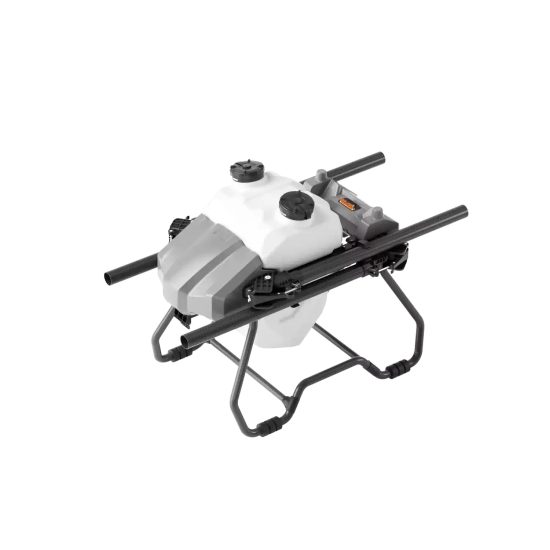
– Tank capacity for spraying efficiency
– Flight stability over wet agricultural fields
– Easy maintenance and spare part availability
– Reliable spraying performance for repeated operation
– Technical support and operator training
For commercial farming businesses, choosing a drone that matches field size and operational requirements is important for long-term efficiency.
Final Thoughts
Reducing spraying costs is not only about spending less money. It is also about improving efficiency, reducing wasted inputs, and managing farm operations more effectively.
Agricultural drones provide rice farmers with a smarter way to handle spraying work while helping improve productivity and operational flexibility. As farming costs continue to rise, many growers are looking for practical technologies that support better farm management.
FAQ
1. Can agricultural drones reduce pesticide costs?
Yes. More controlled spraying can help reduce unnecessary chemical waste and improve application efficiency across rice fields.
2. Are agricultural drones suitable for large rice farms?
Yes. Agricultural drones are commonly used for medium and large farms because they can cover fields more efficiently than manual methods.
3. Do drones work in muddy rice fields?
Yes. Since drones fly above the crops, they can operate without driving through muddy ground conditions.
4. How many workers are needed for drone spraying?
In many situations, one trained operator can complete spraying work that traditionally required multiple workers.
5. Is drone spraying difficult to learn?
Most agricultural drone systems are designed with user-friendly controls, and training can help operators become familiar with spraying procedures.
THE END


No comments yet