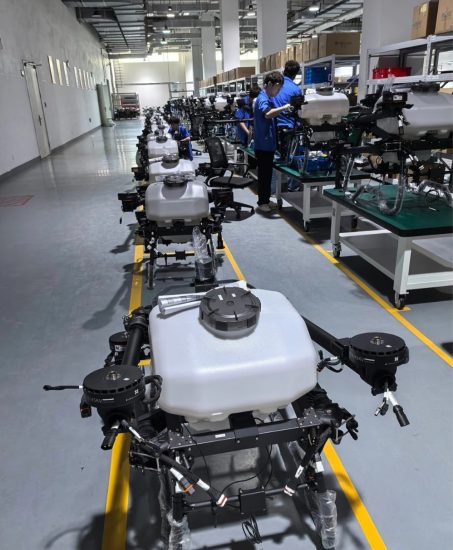


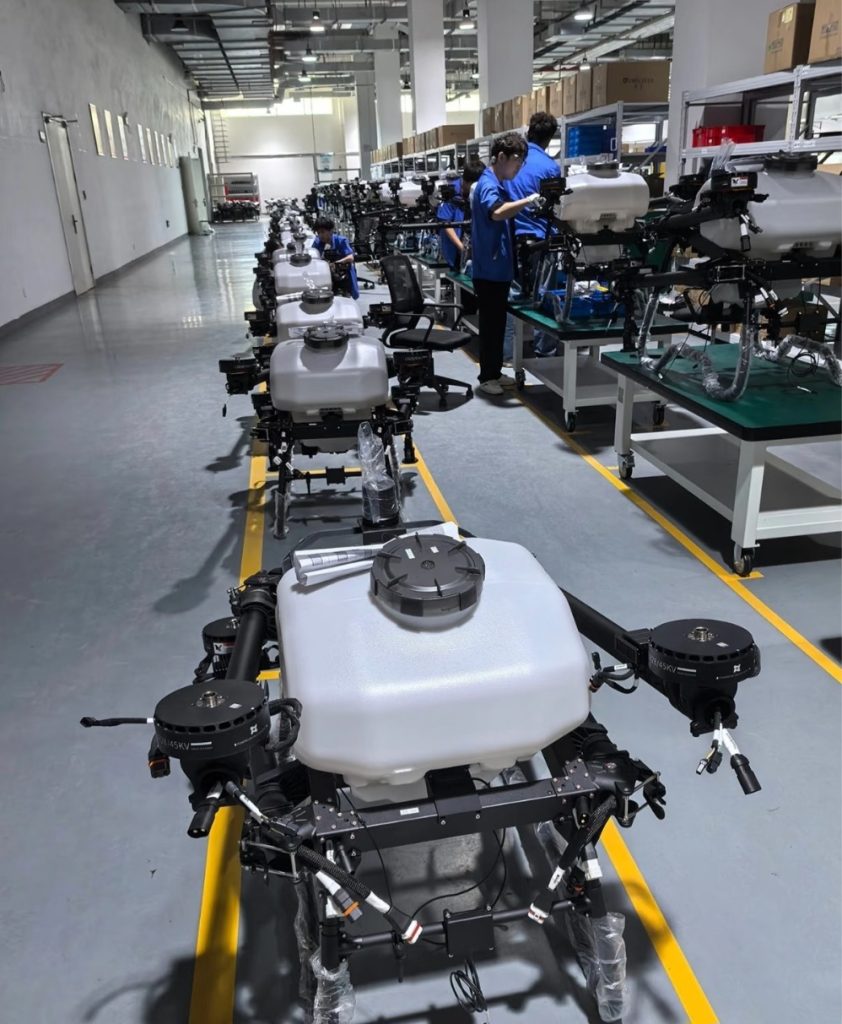
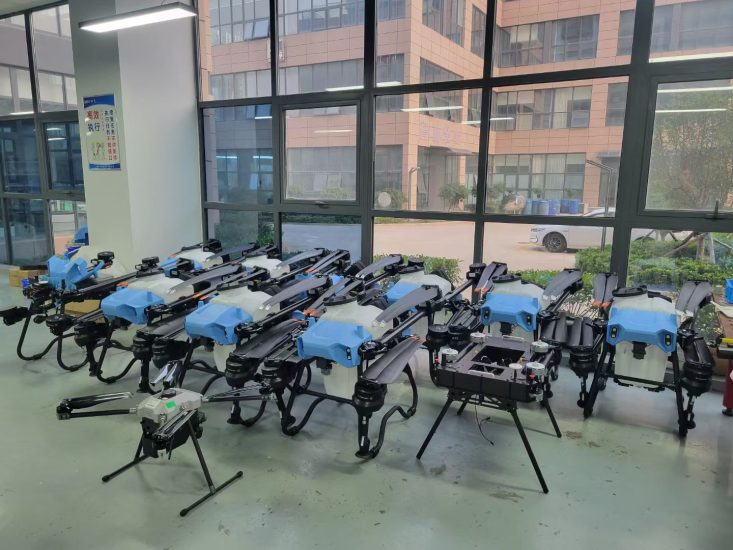
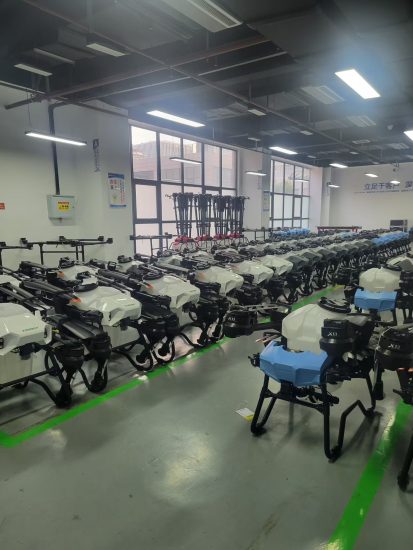
The economics of importing an agricultural spraying drone from China to New Zealand are compelling on paper: a Chinese-manufactured 50–70 litre capacity spraying drone retails for a fraction of the cost of equivalent Western-made equipment. Yet the true landed cost of such a drone extends far beyond the factory price. Between the border and the paddock lies a regulatory gauntlet—customs clearance, dangerous goods transport, CAA Part 102 certification, agrichemical compliance, and pilot licensing—that can add months to your timeline and tens of thousands of dollars to your budget.
This article provides a detailed cost and regulatory透视 for New Zealand importers evaluating a Chinese-sourced agricultural spraying drone. We examine the true total cost of ownership, the mandatory compliance gates, and the strategic decisions that determine whether your import project succeeds or stalls.
💡 The core insight: The drone itself is often the cheapest part of the project. The certification, training, compliance, and risk management infrastructure required to make it legal to fly typically cost more than the hardware itself.
1. The Regulatory Landscape: Why Agricultural Spraying Drones Are Different
1.1 Part 101 Excludes Spraying—Period
Under New Zealand’s Civil Aviation Rules, Part 101 covers standard, low-risk drone flights: recreational use, basic commercial photography, and flights within visual line of sight with aircraft up to 25 kg. However, Part 101 expressly does not permit:
-
Spraying or dispersing any substance (including fertiliser, herbicide, or biological treatments)
-
Flying beyond visual line of sight (BVLOS)
-
Operating aircraft over 25 kg gross mass (including batteries and chemical payload)
Any one of these—and agricultural spraying drones trigger all three—requires a CAA Part 102 Unmanned Aircraft Operator Certificate (UAOC). Without it, operations are unlawful and insurance cover is typically void.
1.2 The Part 102 Threshold for Spraying Drones
Because agricultural spraying drones:
-
Weigh more than 25 kg when fully loaded with batteries and chemical payload
-
Release substances from the air
-
Often operate beyond visual line of sight over large blocks
…they fall unambiguously within Part 102. There is no weight-based exemption, no “low-risk spraying” category, no shortcut.
1.3 The Overseas Import Inspection Requirement
This is the provision most specific to your situation: if you import an agricultural/spray drone from overseas, the CAA will require that it is inspected before it is flown. The CAA needs to verify that the physical aircraft matches your exposition’s specifications, that safety-critical systems function as documented, and that build quality and component traceability meet CAA expectations.
A Chinese drone with undocumented flight controllers, no English maintenance manuals, or unverifiable components is highly likely to be rejected during this inspection.
2. The True Cost of Importing: A Detailed Breakdown
2.1 Hardware Acquisition Cost
Chinese-manufactured agricultural spraying drones represent exceptional value. Most modern agricultural drones carry between 50–70 litres per load, with larger payloads meaning fewer refills. The hardware cost varies greatly depending on payload capacity, tank size, and onboard technology (RTK GPS, radar altimeter, obstacle avoidance).
For budgeting purposes, the drone body, batteries, ground control station, and basic charging equipment constitute the “factory price.” This is the line item most importers focus on—but as we’ll see, it’s only the beginning.
2.2 International Freight: The Dangerous Goods Premium
Spraying drones use high-capacity lithium-polymer batteries, classified as Dangerous Goods Class 9 for transport. This classification fundamentally shapes your logistics options and costs.
2026 China–New Zealand Freight Rate Reference:
| Shipping Method | Cost Basis | Transit Time | Suitability for Spray Drones |
|---|---|---|---|
| International Express (DHL/FedEx/UPS) | USD $33–90/kg | 2–4 days | Prohibitively expensive for 50+ kg drone; some carriers restrict battery shipments |
| Standard Air Freight | USD $3.50–7.50/kg | 3–7 days | Preferred for initial drone+battery shipment; dangerous goods handling required |
| LCL Sea Freight | USD $40–150/CBM | 25–40 days | Economical for bulk shipments; DG space requires 10–15 days advance booking |
| FCL 20ft Container | USD $1,900–2,500 | 20–35 days | Best value for multiple units or combined equipment |
| FCL 40HQ Container | USD $3,700–4,800 | 20–35 days | For large-scale fleet imports |
Critical dangerous goods requirements for battery shipments:
-
UN 38.3 test report for each battery
-
MSDS (Material Safety Data Sheet)
-
Batteries packaged separately with lithium battery warning labels
-
Individual battery capacity must not exceed 100 Wh per strict air freight rules (agricultural drone batteries typically exceed this, necessitating sea freight or special DG air cargo)
-
Dangerous goods declaration and proper DG packaging
⚠️ Practical reality: Most agricultural drone batteries exceed the 100 Wh air freight limit. This means sea freight is often the only compliant option for the battery shipment, adding 20–35 days to your timeline. Plan accordingly.
2.3 Customs Clearance and GST
New Zealand Customs does not collect duty or GST unless the shipment value exceeds NZ$1,000. For commercial drone imports, this threshold is always exceeded.
Duty Calculation:
-
Agricultural spraying drones classify under HS Code 8806 (Unmanned aircraft)
-
For imports from China, the MFN duty rate under HS 8806 is 10%, but under the Regional Comprehensive Economic Partnership (RCEP) and China’s free trade agreements with New Zealand, the preferential rate is 0%
-
A valid Certificate of Origin is essential to claim the 0% preferential rate
GST Calculation (15%):
GST = 15% × (Customs value + International freight + Insurance + Import duty)
Goods Levies (effective 1 April 2026):
-
High-value air import: NZ$51.81 (Customs NZ$7.24 + MPI NZ$44.57)
-
High-value sea import: NZ$118.44 (Customs NZ$73.87 + MPI NZ$44.57)
These levies are charged per consignment and passed through by your freight forwarder or broker.
2.4 CAA Part 102 Certification Costs
The certification process usually takes 6–8 months and costs approximately NZ$15,000 for the full organisational certification. Breaking this down:
| Certification Component | Cost (NZD) | Timeline |
|---|---|---|
| Exposition writing service | $2,000–$3,500 (excl. GST) | 4 weeks writing + CAA queue |
| CAA submission fee | $568 | One-time |
| CAA hourly assessment fee | Variable (billed by CAA) | Across 6–8 month review |
| Subtotal: UAOC Organisation Certificate | ~$15,000 | 6–8 months |
2.5 Pilot Licensing Costs
Every pilot operating your drone must hold four qualifications. The full pathway:
| Pilot Qualification | Timeline | Notes |
|---|---|---|
| Part 102 Professional Pilot Certificate | 2–4 weeks | Can start during UAOC wait |
| Pilot Chemical Rating | 1–2 weeks | Required for aerial application; Growsafe RCA may exempt portions |
| Operational Competency Assessment (OCA) | 1–2 days | Requires UAOC in place |
| UAV Agricultural Rating | 1–2 weeks | Practical endorsement; full rating after 30 supervised flights/6 months probation |
Total pilot certification pathway: 10–12 months to provisional Agricultural Rating, costing approximately NZ$13,424 (excl. GST) per pilot.
2.6 Insurance
Specialist aviation insurance is non-negotiable. Standard farm policies exclude aviation liabilities. Annual premiums for a commercial agricultural drone operation typically range from NZD $2,000 to $6,000, covering:
-
Third-party liability
-
Environmental liability (chemical drift)
-
Hull insurance (the drone itself)
If offering spraying services to third parties, your public liability policy must explicitly cover aerial agrichemical application—insurers treat this as high-risk and may exclude it without a specific endorsement.
2.7 MPI/Agrichemical Compliance Setup
While the agrichemical products themselves are recurring consumable costs, the compliance infrastructure is a one-time setup:
-
Label compliance verification for your intended products
-
Record-keeping system aligned with drone flight logs (3-year retention mandatory)
-
Regional council consultation for your operating geography
-
Potential resource consent applications for sensitive areas
Budget NZD $500–$2,000 for setup, plus ongoing consumable costs for the agrichemicals themselves.
3. Total Landed Cost Scenario
3.1 Mid-Size Operation (Single Drone, Single Pilot)
| Cost Category | Estimated Range (NZD) |
|---|---|
| Drone hardware (50–70 L capacity model) | $25,000 – $45,000 |
| International freight (sea, DG compliant) | $3,000 – $6,000 |
| Customs brokerage and GST payment* | GST: ~$5,000 – $8,000 (reclaimable if GST-registered) |
| Goods levies | $120 – $520 |
| CAA Part 102 UAOC (organisation) | $15,000 |
| Pilot certifications (four certificates) | $13,424 (excl. GST) |
| Insurance (annual) | $2,000 – $6,000 |
| MPI/compliance setup | $500 – $2,000 |
| Spare parts and consumables (initial) | $1,500 – $3,000 |
| Total first-year investment | $65,544 – $98,944 |
*GST on the import is technically recoverable for GST-registered businesses through regular GST returns, but you must pay it at the border first, impacting cash flow.
3.2 Fleet Operation (Three Drones, Two Pilots)
Scaling to a fleet operation benefits from:
-
Shared UAOC exposition across multiple aircraft
-
Shared customs clearance and freight consolidation
-
Multiple pilots amortising the organisational certification cost
| Cost Category | Estimated Range (NZD) |
|---|---|
| Three drones (volume pricing) | $70,000 – $120,000 |
| International freight (FCL 20ft container) | $2,500 – $4,000 |
| Customs GST* | ~$12,000 – $20,000 |
| CAA Part 102 UAOC | $15,000 (single certificate, multiple aircraft listed) |
| Pilot certifications (two pilots) | $26,848 (excl. GST) |
| Insurance (annual, fleet) | $5,000 – $12,000 |
| MPI/compliance setup | $1,000 – $3,000 |
| Spare parts and consumables | $5,000 – $10,000 |
| Total first-year investment | $137,348 – $210,848 |
4. The Regulatory Timeline: Why Costs Compound Over Time
4.1 The Critical Path
The single most important timeline fact: CAA takes 8–10 months to approve a new UAOC application. This is the critical path. Everything else must be sequenced around it.
| Phase | Duration | Key Activities | Cost Incurred |
|---|---|---|---|
| Month 1 | 2–4 weeks | Pre-order specs, exposition writing begins | $2,000–$3,500 (exposition) |
| Month 2 | 2–6 weeks | Drone order & manufacture | $25,000–$45,000 (hardware) |
| Month 3 | 3–5 weeks | Sea freight (DG compliant) | $3,000–$6,000 |
| Month 3–4 | 1–2 weeks | Customs clearance, GST payment | GST (~$5,000–$8,000) |
| Month 2–10 | 8 months | CAA UAOC review (in queue) | $15,000 (certification) |
| Month 2–8 | 6 months | Pilot certifications (concurrent) | $13,424 (excl. GST) |
| Month 10–11 | 2–4 weeks | CAA aircraft inspection, OCA | Included in above |
| Month 11 | 1–2 weeks | MPI compliance setup, insurance binding | $500–$2,000 + $2,000–$6,000/yr |
| Month 12 | — | First legal commercial flight | — |
Total realistic timeline: 10–14 months from initial order to first legal commercial spray.
4.2 The Cash Flow Challenge
Notice the asymmetry: you pay for the drone hardware in Month 2–3, but cannot legally fly it until Month 12. That means 9–10 months of capital tied up in non-revenue-generating assets. For many importers, this cash flow gap is the real barrier—not the absolute cost.
4.3 The Interim Revenue Solution
To bridge this gap, it is perfectly legitimate to operate under an existing UAOC while your own certificate is pending. A number of established operators in New Zealand can bring you on under their certificate so you can start taking on work while your paperwork sits in the queue. Once your own UAOC is approved, you transition across. This is a sensible way to get earning sooner—and a lot of operators go this route.
5. Hidden Costs and Risks
5.1 The Exposition Rewrite Risk
The CAA doesn’t review an exposition once and hand back a pass or fail. They flag anything that falls short, you fix it, and it goes back for another look—repeating until they’re satisfied. A poorly prepared exposition means more rounds of that cycle, and since the CAA bills by the hour for review time, more rounds means a bigger assessment fee and a longer wait before approval.
Engaging an experienced exposition writer upfront ($2,000–$3,500) is far cheaper than multiple CAA review cycles at their hourly rate.
5.2 The Battery Shipping Trap
A single missing dangerous goods document can result in:
-
Shipment returned to China (3–6 weeks delay + return freight)
-
NZ$8,500+ fines for non-compliant lithium battery labelling
-
Entire shipment grounded indefinitely
Verify your supplier’s DG compliance credentials before ordering. Use a freight forwarder with demonstrated experience in DG Class 9 lithium battery shipments on the China–New Zealand lane.
5.3 The CAA Inspection Rejection Risk
If your imported drone fails CAA inspection due to:
-
Undocumented flight controllers
-
No English maintenance manuals
-
Unverifiable components
-
Custom/heavily modified firmware
…you face a choice: invest in remediation (potentially NZ$5,000–$15,000 in documentation, translation, and component tracing) or abandon the import. Before purchasing, ask the manufacturer for references of previous New Zealand Part 102 certifications.
5.4 The Agrichemical Label Trap
Just because an agrichemical is registered in New Zealand does not mean its label permits aerial application. If your intended products are not labelled for drone-based spraying, you cannot legally apply them—regardless of your Part 102 certificate. Verify label compliance before importing the drone.
5.5 The Regional Council Permit Risk
Sixteen regional councils enforce their own agrichemical discharge rules. In environmentally sensitive areas (near waterways, ecological sites, residential zones), you may need a resource consent—adding 2–4 months and NZ$2,000–$10,000 to your compliance setup. Canterbury, Auckland, and Waikato are particularly stringent.
6. Cost Optimisation Strategies
6.1 Start the UAOC Before Ordering the Drone
Because CAA’s queue is 8–10 months, initiate exposition writing before you place the drone order. The exposition can specify the exact make and model once the purchase is finalised. This parallel processing saves months and brings forward your first revenue flight.
6.2 Consolidate Freight
If importing multiple drones or combining with other equipment, use FCL container shipping. The per-unit freight cost drops dramatically, and DG compliance is easier to manage in a controlled container environment.
6.3 Leverage Existing UAOC Operators
Operating under an existing UAOC while your own certificate processes allows you to:
-
Generate revenue during the 8–10 month wait
-
Build flight hours toward your Agricultural Rating’s 30-flight probation
-
Establish client relationships and market presence
6.4 Choose the Right Pilot Training Path
If you already hold a Growsafe Registered Chemical Applicator (RCA) certificate, you may be exempt from portions of the Pilot Chemical Certificate. Seek advice before enrolling—this could save you significant time and money.
6.5 Verify Battery Compliance Early
Work with your manufacturer to ensure batteries are:
-
UN 38.3 certified
-
Compliant with air/sea DG transport rules
-
Properly labelled and documented
This prevents the most common and costly import delay.
6.6 Engage Expert Help
| Expert Service | Cost | ROI Rationale |
|---|---|---|
| Exposition writer | $2,000–$3,500 | Avoids multiple CAA review cycles at their hourly rate |
| Customs broker | $300–$800 per clearance | Ensures correct HS classification, GST handling, and DG documentation |
| Freight forwarder (DG specialist) | Included in freight | Prevents shipment returns and fines |
| Aviation consultant | $2,000–$5,000 | Guides Part 102 strategy and pilot licensing pathway |
| Insurance broker (aviation specialist) | Commission-based | Ensures appropriate coverage; prevents voided claims |
7. The Return on Investment Equation
7.1 Revenue Potential
Agricultural spraying drones offer significant productivity gains. A 50–70 litre capacity drone can cover substantially more area per hour than traditional backpack or tractor-based methods, with:
-
Reduced chemical use (precision application)
-
Reduced soil compaction
-
Access to difficult terrain
-
Lower labour costs per hectare
Typical commercial spraying rates in New Zealand enable a single drone operation to achieve positive cash flow within 12–24 months of first flight, assuming adequate market demand and utilisation.
7.2 Cost Per Hectare Advantages
Compared to traditional methods:
-
Backpack spraying: High labour cost, slow coverage, chemical overuse
-
Tractor boom spraying: Soil compaction, lower precision, accessibility limitations
-
Drone spraying: Precision application, minimal
THE END


No comments yet