



Applicable Models: All Series
Taking your drone out of the box and into the sky is an exciting moment. However, a safe flight begins long before the propellers start spinning. This guide will walk you through the essential steps to ensure your first outdoor takeoff is smooth and secure.
1. Choose a Safe Takeoff Environment
Before powering on your device, scout your location. A suitable environment is critical for GPS stability and safety.
-
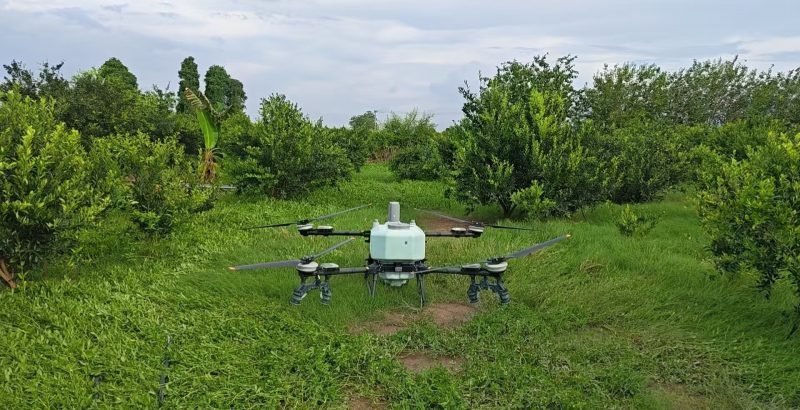
Open Space: Select a wide-open area free of trees, buildings, and power lines. Avoid flying over people, animals, or moving vehicles.
-
Weather Check: Ensure the wind speed is below Level 5 (10.7 m/s). Do not fly in rain, fog, or snow.
-
Interference: Stay away from magnetic interference sources such as large metal structures, high-voltage towers, or Wi-Fi hotspots.
2. Pre-Flight Equipment Check
Perform a quick physical inspection of your gear:
-
Battery Levels: Ensure the aircraft battery and the remote controller are charged above 50%.
-
Propeller Installation: Check that the propellers are correctly mounted and locked. Ensure there are no cracks or bends on the blades.
-
Remove Protection: Crucial Step: Remove the gimbal cover and any transport brackets. Failure to do so may cause motor blockage or damage to the gimbal.
-
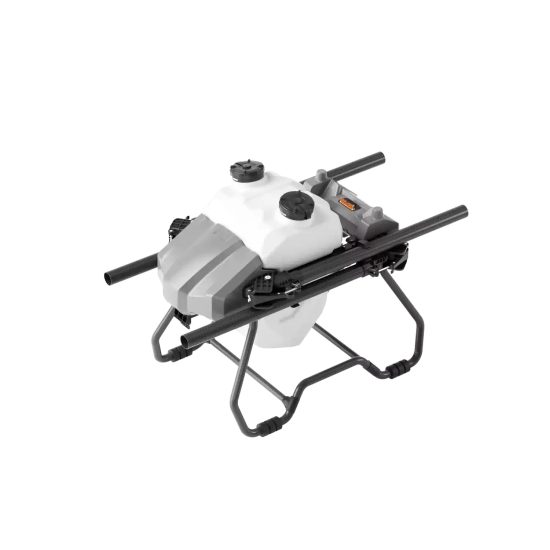
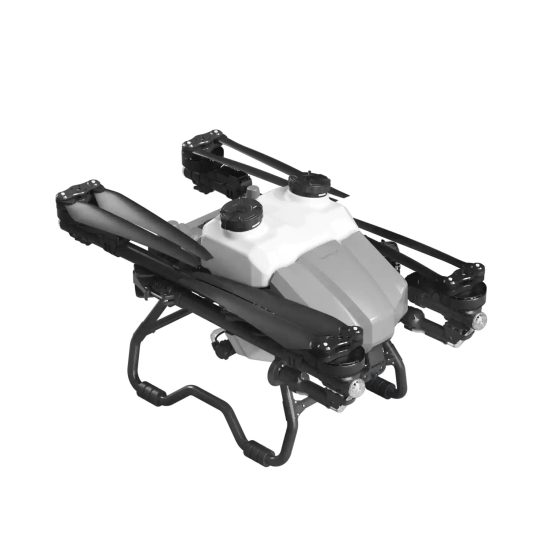
Foldable Arms: If your model is foldable, ensure all arms are fully extended and locked into place with a click.
3. Step-by-Step Launch Procedure
Follow these steps to get airborne safely:
-
Power On: Turn on the remote controller first, then connect your mobile device. Next, turn on the drone and place it on a flat, level surface with the camera facing you.
-
App Connection: Open the companion app and wait for the status bar to show a strong connection and sufficient GPS signal (indicated by a green icon and at least 10 satellites).
-
System Check: Review the checklist on the app homepage. If prompted to calibrate the Compass or IMU, follow the on-screen instructions.
-
Execute Takeoff: Tap the “Take Off” icon (usually a helicopter icon) on the screen. Press and hold the slider to confirm. The motors will spin up, and the drone will automatically ascend to a height of approximately 1.2 meters (4 feet) and hover in position.
4. Troubleshooting Common Issues
If you encounter issues during takeoff, refer to these tips:
-
“Compass Interference” Warning: Pick up the drone, move away from any metal objects, and perform a compass calibration by rotating the drone horizontally and vertically as instructed.
-
Unable to Unlock: Check if you are in a No-Fly Zone (Restricted Area) within the app. Also, double-check that the propellers are unfolded and the battery is seated correctly.
-
GPS Signal Weak: Wait for the drone to acquire more satellites. Do not force a takeoff in ATTI mode (no GPS) unless you are an experienced pilot.
Ready to capture stunning footage? Once you are comfortable with basic takeoff, learn how to optimize your camera settings in our next guide: “Mastering Your First Aerial Shot: Camera Settings for Beginners.”
THE END


No comments yet