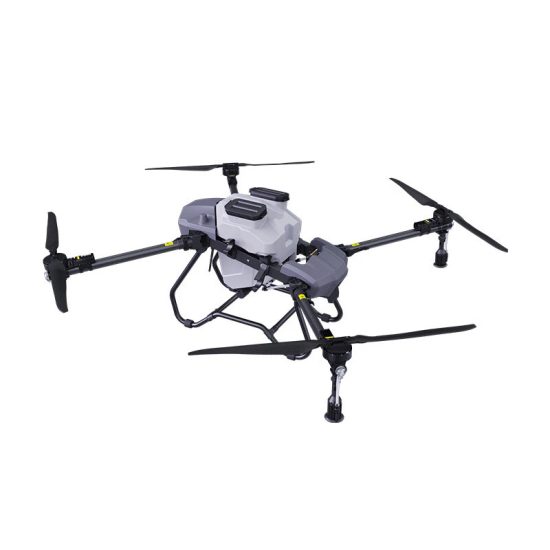


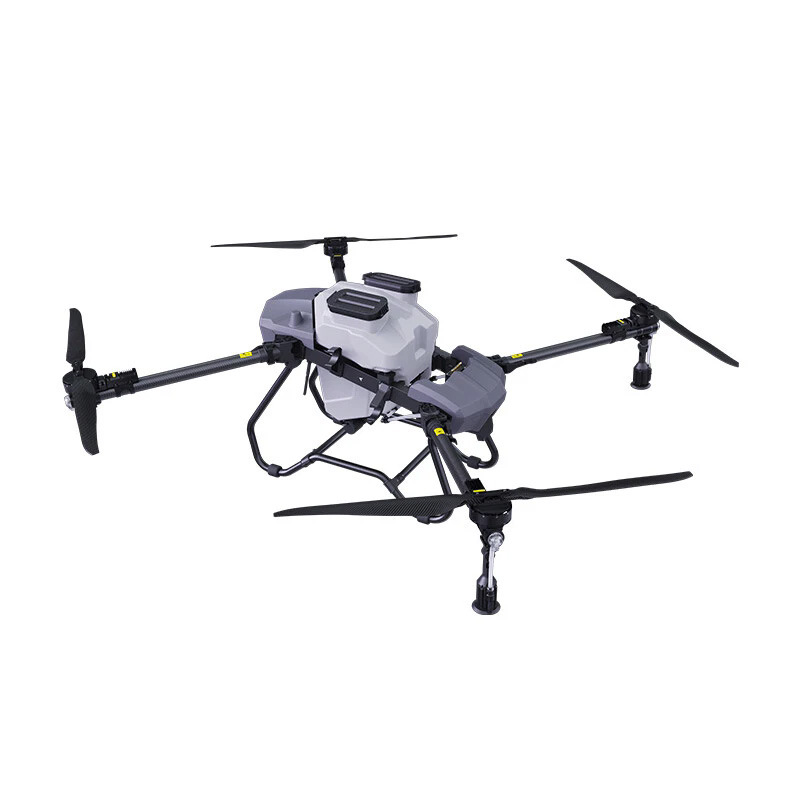
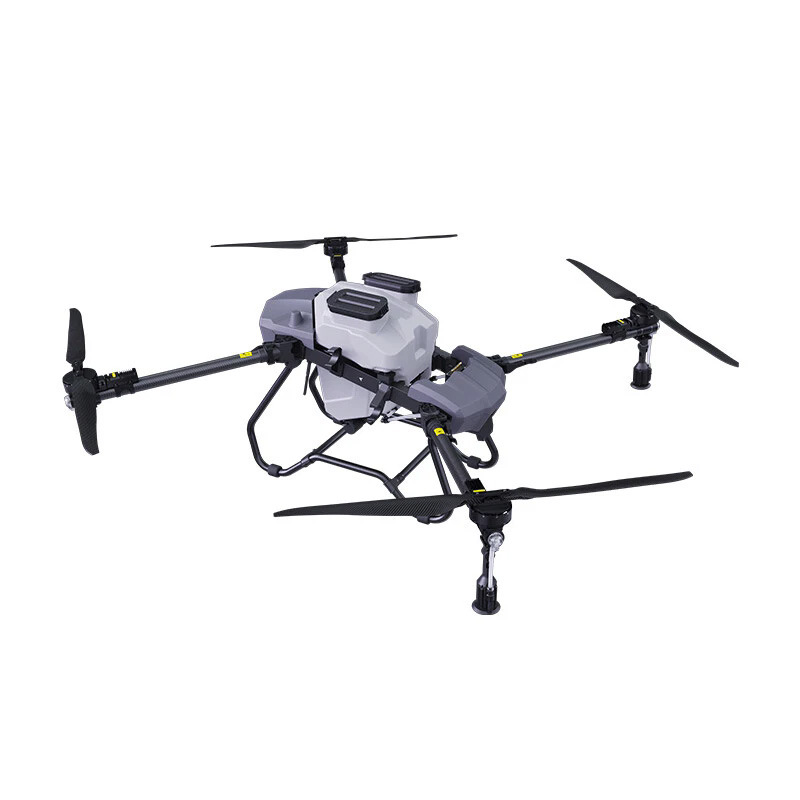

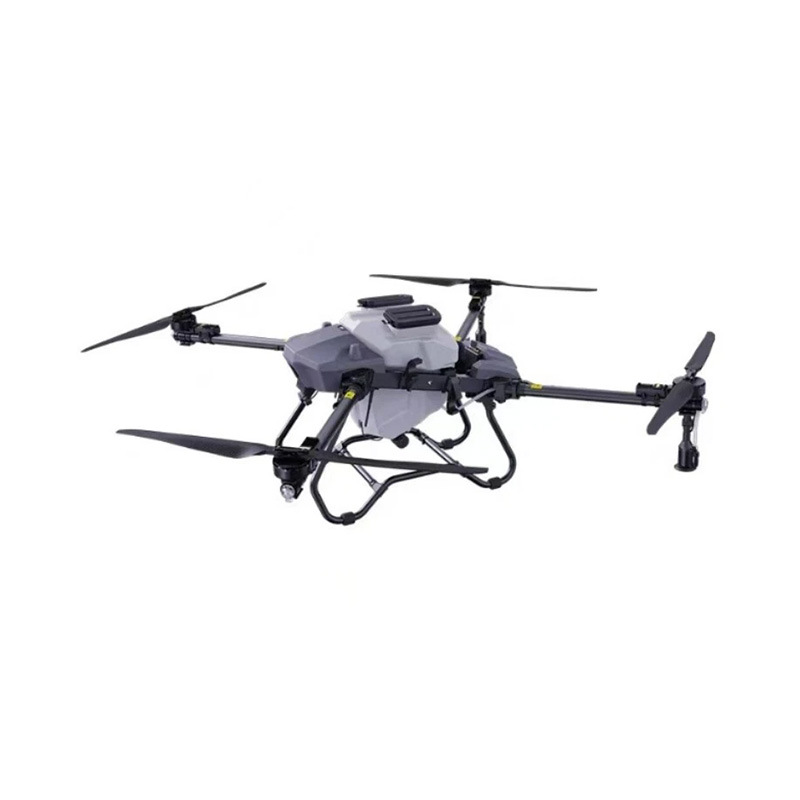
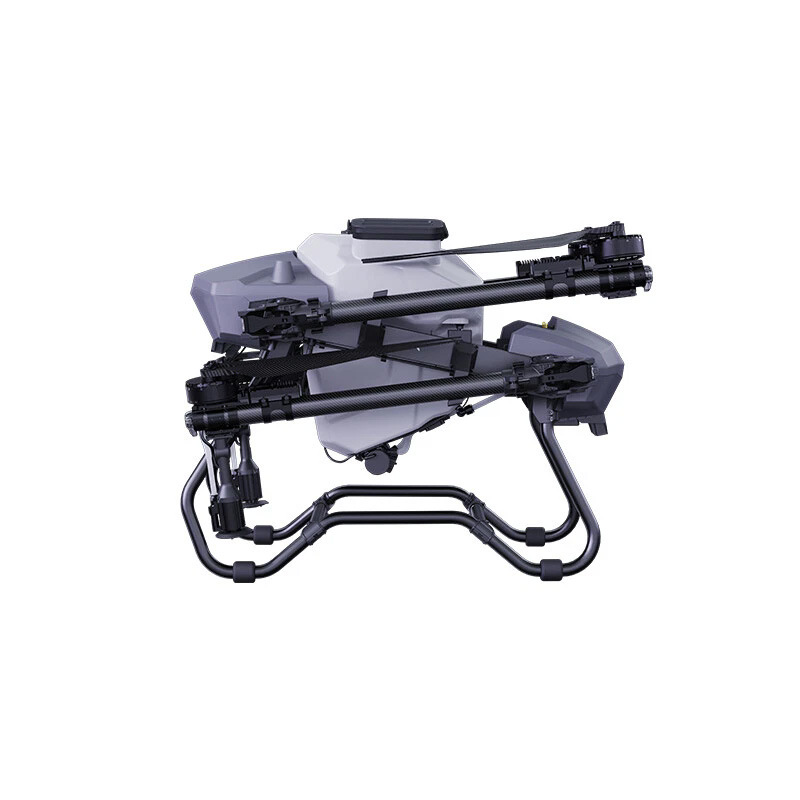
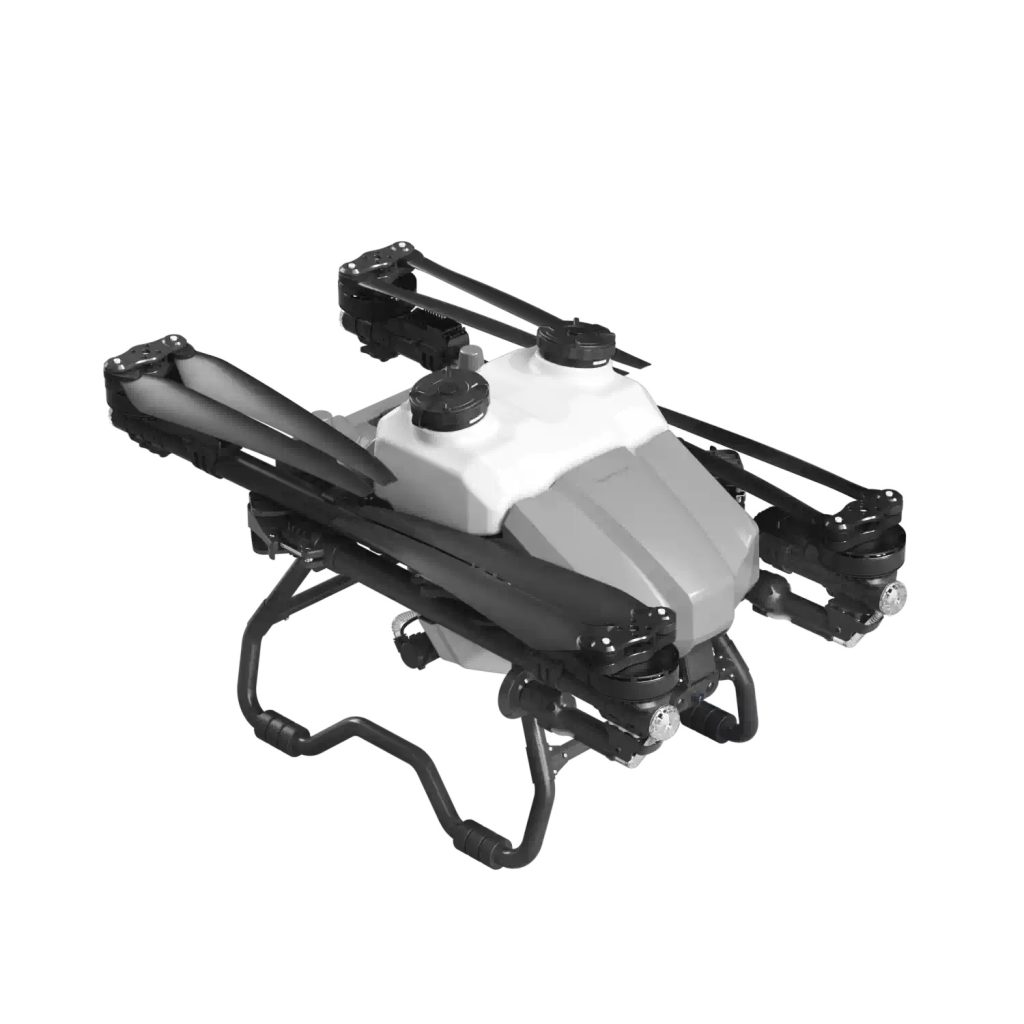
Modern farms are increasingly adopting fertilizer spreading drones to improve field efficiency and reduce manual labor during planting and growing seasons. Compared with traditional spreading methods, agricultural drones offer faster operation, more flexible route planning, and better access to difficult farmland conditions.
Fertilizer spreading drones are now widely used in:
- rice farming
- wheat farms
- corn plantations
- palm plantations
- grassland management
- large commercial farms
As labor shortages continue to affect agriculture worldwide, more farms are turning to drone technology for daily field management.
Why Farms Use Fertilizer Spreading Drones
Traditional fertilizer spreading can require significant labor and fuel costs, especially on large farms.
Agricultural spreading drones help improve:
- operational efficiency
- fertilizer distribution
- labor management
- field accessibility
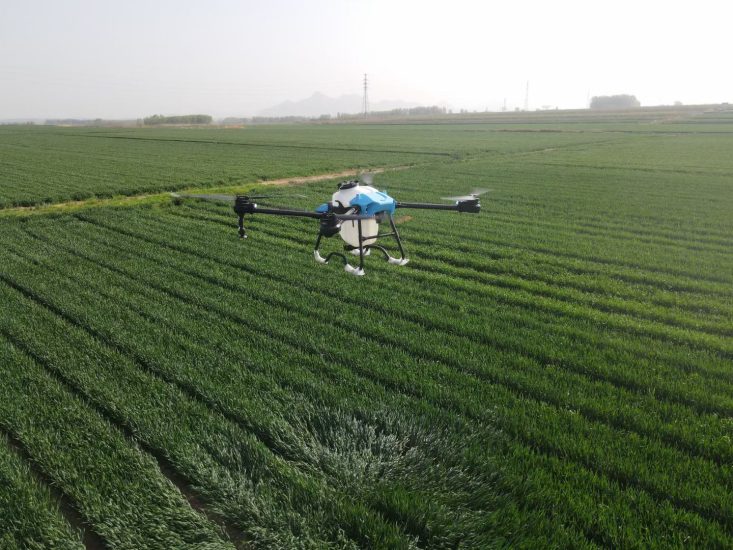
Drones are especially useful in muddy farmland where tractors may damage crops or become difficult to operate after heavy rain.
In some regions, drones are also used during emergency fertilization periods when fast operation is important for crop recovery.
Common Materials Spread by Agricultural Drones
Modern spreading drones can support different granular materials, including:
- fertilizer granules
- rice seeds
- grass seeds
- feed materials
- soil improvement materials
Different spreading systems are designed for different particle sizes and field conditions.
Operators usually adjust spreading settings depending on crop requirements and application rates.
Important Features of Spreading Drones
Professional fertilizer spreading drones commonly include:
- large payload tanks
- intelligent spreading systems
- adjustable spreading width
- terrain following radar
- GPS route planning
- obstacle avoidance
- quick-release spreaders
Stable flight performance is important because uneven spreading can affect crop growth and fertilizer efficiency.
Suitable Drone Sizes for Farm Operations
Different farm sizes require different drone capacities.
Common agricultural spreading drone sizes include:
- 16L spreading drone
- 30L fertilizer drone
- 50L agricultural spreading drone
Large farms often prefer higher payload models because they reduce refill frequency and improve daily working efficiency.
Real Farm Working Conditions
Field conditions directly affect drone performance.
Factors that influence spreading efficiency include:
- wind conditions
- terrain shape
- fertilizer type
- humidity
- spreading altitude
Strong winds may affect spreading accuracy, so operators often avoid operation during unstable weather conditions.
Many farms also test spreading patterns before large-scale operation to improve distribution consistency.
Labor Savings and Farm Efficiency
One of the main advantages of fertilizer spreading drones is labor reduction.
Compared with manual spreading, drones help:
- reduce physical workload
- improve field coverage speed
- lower labor dependence
- reduce operation time
For large farms, this becomes especially important during planting and fertilization seasons when timing directly affects crop production.
Precision Agriculture and Smart Farming
Modern farms are gradually adopting precision agriculture systems.
Agricultural drones can support:
- intelligent route planning
- precise application rates
- reduced material waste
- improved field management
Some farms combine spreading drones with mapping systems and GPS farm planning to improve operational accuracy.
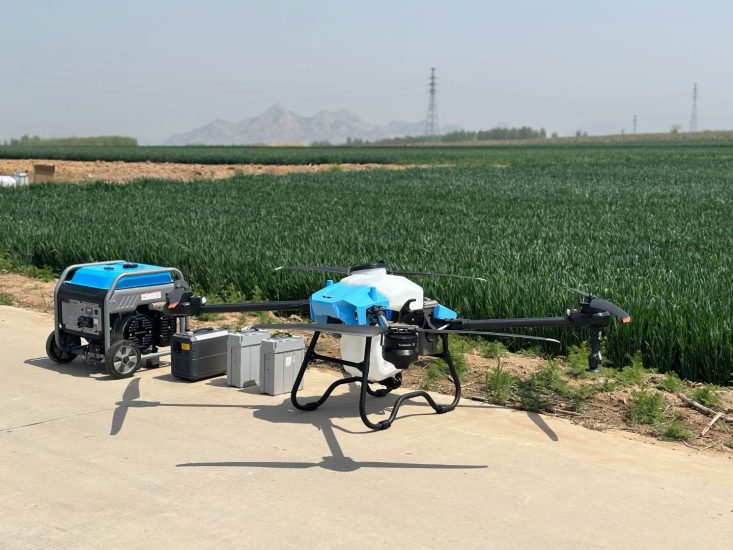
Battery Management During Daily Operation
Battery systems play an important role in agricultural drone efficiency.
Many farms prepare:
- several intelligent batteries
- fast charging systems
- portable generators
Battery replacement is usually quick, allowing operators to maintain continuous field operations during busy seasons.
Experienced operators also plan refill points and flight routes before operation to improve daily productivity.
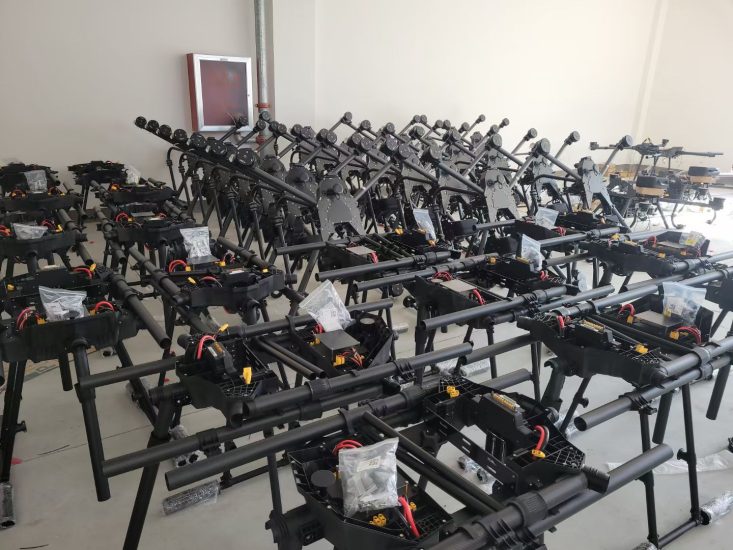
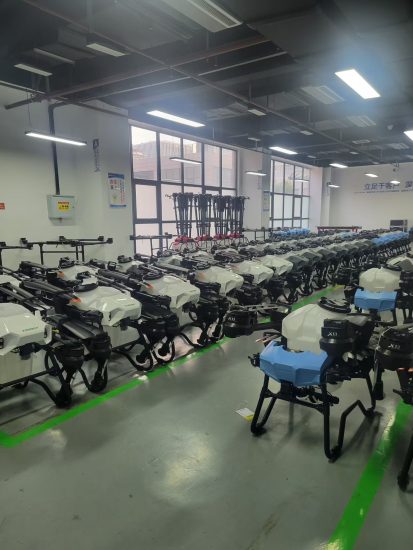
OEM Fertilizer Spreading Drone Cooperation
Many agricultural equipment distributors are now interested in OEM fertilizer spreading drones for local markets.
OEM support may include:
- logo customization
- frame color customization
- software branding
- local language manuals
- private label packaging
- spare parts support
Long-term technical support is often important for distributors building local agricultural drone businesses.
Future of Agricultural Spreading Drones
As farming becomes more automated, fertilizer spreading drones are expected to become more common worldwide.
Modern farms are increasingly focused on:
- labor efficiency
- precision agriculture
- reduced waste
- sustainable farming methods
Agricultural drones provide flexible solutions for farms looking to improve operational efficiency while reducing manual labor requirements.
FAQ
What is a fertilizer spreading drone used for?
A fertilizer spreading drone is used for distributing granular fertilizer, seeds, and other agricultural materials across farmland.
Can agricultural drones spread rice seeds?
Yes. Many spreading drones support rice seed spreading functions for large farming areas.
Which drone size is best for large farms?
30L and 50L agricultural drones are commonly used for medium and large farms because they improve working efficiency.
Are spreading drones suitable for muddy farmland?
Yes. Agricultural drones can operate above muddy fields without damaging crops or requiring ground vehicle access.
OEM & Wholesale Cooperation
MSOEN supports OEM and ODM agricultural drone cooperation for global distributors, agricultural suppliers, and commercial farming projects.
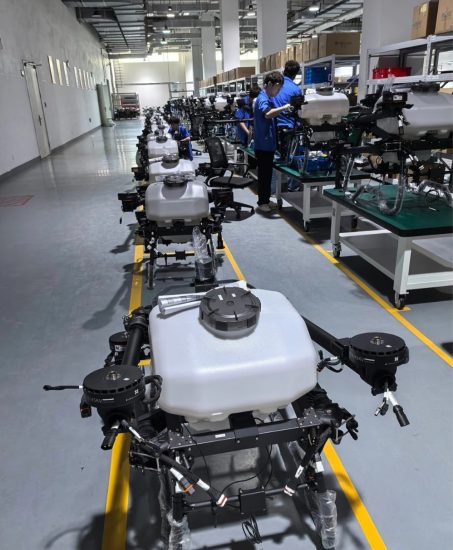
Factory testing, export support, spare parts supply, and technical assistance are available for international customers.


No comments yet