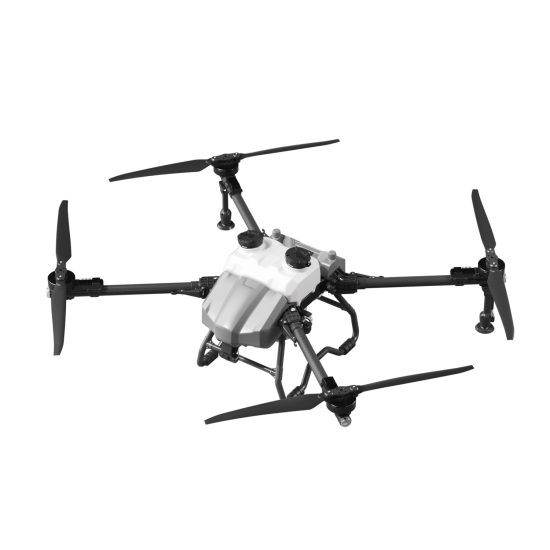


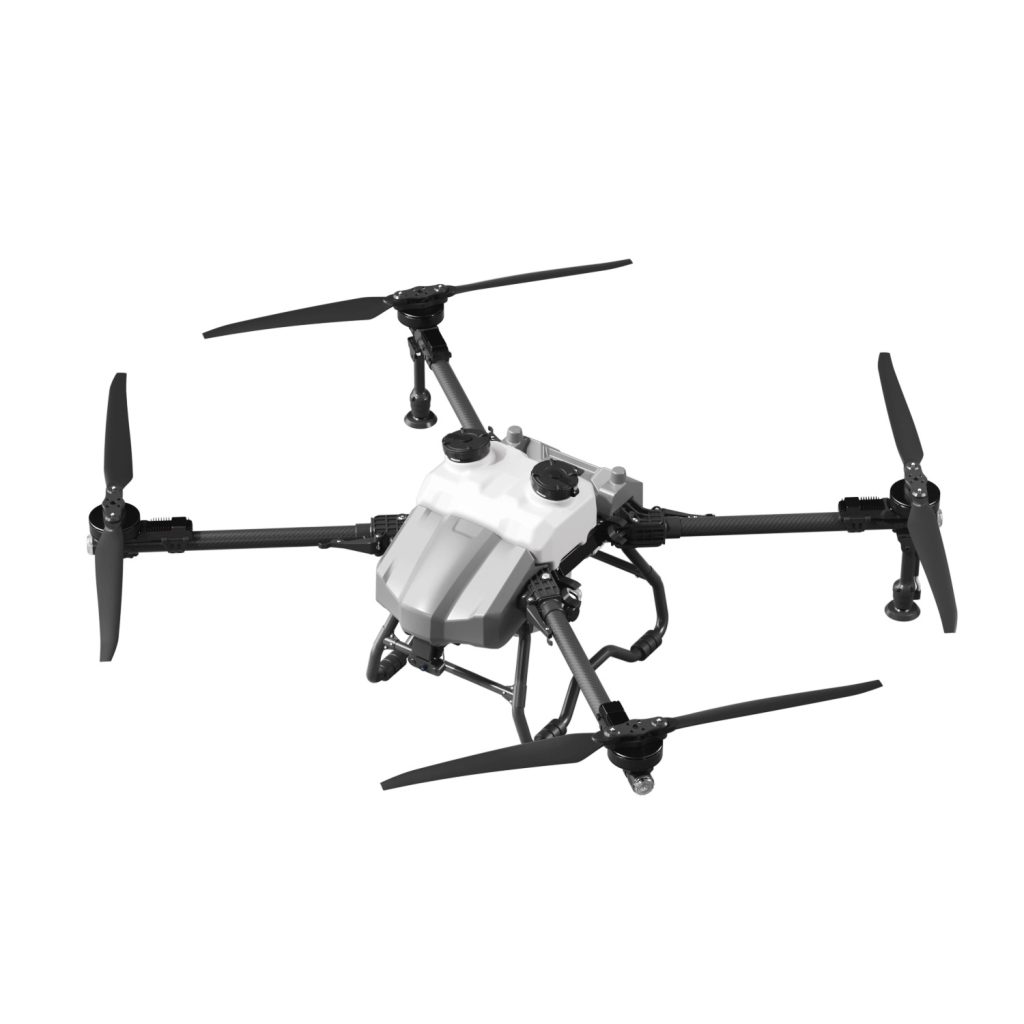
Choosing the right drone supplier is an important decision for buyers, distributors, agricultural businesses, inspection companies, and other commercial users.
A drone is not simply a product that can be selected by comparing prices. The supplier you choose may affect product quality, delivery reliability, technical support, spare parts availability, customization capability, and long-term operating costs.
Many buyers make the mistake of choosing a supplier only because the quotation is lower. However, the lowest price does not always represent the best value.
A reliable drone supplier should be able to provide suitable products, clear technical information, stable communication, quality control, reasonable delivery support, and effective after-sales service.
This guide explains how to evaluate drone suppliers and choose a partner that matches your business requirements.
1. Clearly Define Your Drone Requirements First
Before contacting suppliers, define what you actually need.
A supplier can provide a more accurate recommendation when you provide detailed information about your application.
Important information may include:
-
Drone application
-
Target market
-
Required quantity
-
Expected payload
-
Flight time
-
Operating range
-
Camera or sensor requirements
-
Battery requirements
-
Customization needs
-
Delivery schedule
For agricultural drone buyers, additional information may include:
-
Farm size
-
Crop type
-
Spraying requirements
-
Tank capacity
-
Required daily working area
-
Terrain conditions
For industrial inspection users, you may need to explain:
-
The type of infrastructure
-
Required camera or sensor
-
Operating altitude
-
Inspection distance
-
Data requirements
The clearer your requirements are, the easier it is to compare different suppliers.
2. Understand the Difference Between a Manufacturer and a Trading Company
Not every company selling drones is a manufacturer.
Some suppliers may:
-
Manufacture their own products
-
Integrate products from different factories
-
Resell products
-
Provide customized solutions
-
Operate as trading companies
A trading company is not automatically unreliable. Some trading companies can provide valuable sourcing and export services.
However, buyers should understand what type of supplier they are dealing with.
Ask questions such as:
-
Where is the product manufactured?
-
Who controls product quality?
-
Can technical questions be answered directly?
-
Are spare parts available?
-
Can the product be customized?
-
Who handles warranty support?
The right choice depends on your requirements.
If you need a standard product quickly, a professional supplier with strong distribution capabilities may be suitable.
If you require OEM or ODM development, direct technical cooperation with a capable manufacturer may be more appropriate.
3. Evaluate the Supplier’s Product Experience
A reliable drone supplier should have a clear understanding of the products it sells.
The supplier should be able to explain:
-
Flight performance
-
Payload capacity
-
Battery specifications
-
Charging requirements
-
Operating limitations
-
Maintenance requirements
Be careful if a supplier can only provide a product catalog but cannot answer basic technical questions.
You can ask specific questions related to your application.
For example:
-
How does the drone perform with the required payload?
-
What is the actual flight time under working conditions?
-
How does the battery perform in hot weather?
-
What spare parts are commonly required?
-
What is the recommended maintenance schedule?
The quality of the answers can help you understand the supplier’s technical capability.
4. Compare Technical Specifications Carefully
Different suppliers may use different ways to describe product performance.
When comparing drones, look beyond the headline specifications.
Important factors include:
-
Maximum takeoff weight
-
Recommended working payload
-
Flight time with and without payload
-
Battery capacity
-
Charging time
-
Communication range
-
Wind resistance
-
Sensor configuration
-
Operating temperature
For example, the maximum flight time may be measured without a payload under ideal conditions.
The actual working flight time may be significantly different.
A professional supplier should be able to distinguish between laboratory or test conditions and normal operating conditions.
This information is important when calculating the real value of the product.
5. Check Product Quality Control
Quality control is one of the most important factors when choosing a drone supplier.
A drone contains many components that must work together correctly.
Quality control may involve:
-
Incoming component inspection
-
Assembly inspection
-
Software testing
-
Flight testing
-
Battery testing
-
Payload testing
-
Final inspection
Ask how the supplier checks products before shipment.
A supplier that has a clear quality-control process may be better prepared to provide stable products.
For larger orders, buyers may also consider requesting:
-
Product inspection
-
Sample testing
-
Batch testing
-
Pre-shipment inspection
The exact inspection process should match the order size and product requirements.
6. Ask for a Sample or Test Product
If you are planning to purchase a large quantity, testing a sample before placing a larger order can be useful.
A sample allows you to evaluate:
-
Build quality
-
Flight performance
-
Battery performance
-
User experience
-
Software
-
Payload capability
For agricultural drones, you may also test:
-
Spraying uniformity
-
Tank capacity
-
Pump performance
-
Battery endurance
A sample test can help identify problems before a larger investment is made.
The test should be performed under conditions that are as close as possible to the intended application.
7. Evaluate Customization Capability
Many businesses require more than a standard drone.
Customization may include:
-
Brand logo
-
Product color
-
Packaging
-
Remote controller interface
-
Battery configuration
-
Payload system
-
Software
-
Hardware design
OEM and ODM cooperation may be suitable for:
-
Distributors
-
Brand owners
-
Agricultural service companies
-
Technology companies
-
Large commercial buyers
Before requesting customization, understand:
-
Minimum order quantity
-
Development time
-
Engineering costs
-
Testing requirements
-
Production schedule
A capable supplier should be able to explain what can be customized and what limitations may exist.
8. Check Battery and Spare Parts Availability
A drone is a long-term operating product.
Batteries, propellers, motors, chargers, landing components, and other parts may eventually require replacement.
Before purchasing, ask:
-
Which spare parts are available?
-
How long are replacement parts supplied?
-
Can parts be purchased separately?
-
How quickly can they be shipped?
-
Are technical instructions available?
Spare parts availability can have a major impact on downtime.
A small component problem should not force the entire drone to remain unused for a long period.
9. Evaluate Technical Support
Technical support is especially important for commercial drone buyers.
Potential technical issues may involve:
-
Flight control
-
Battery systems
-
Positioning
-
Communication
-
Sensors
-
Software
-
Spraying systems
Before placing an order, understand how technical support is provided.
Possible support methods include:
-
Email
-
Online communication
-
Video instructions
-
Technical documents
-
Remote troubleshooting
-
Product training
A supplier that responds quickly and provides clear information can help reduce operational interruptions.
10. Understand the Warranty Policy
The warranty policy should be clearly understood before purchasing.
Ask about:
-
Warranty period
-
Covered components
-
Excluded damage
-
Repair procedures
-
Replacement procedures
-
Shipping responsibilities
Some problems may be related to manufacturing defects, while others may result from:
-
Crashes
-
Improper operation
-
Water damage
-
Unauthorized modification
-
Incorrect maintenance
Understanding the warranty terms in advance can help avoid misunderstandings later.
11. Compare the Total Cost of Ownership
The initial drone price is only one part of the total cost.
Other costs may include:
-
Batteries
-
Chargers
-
Spare parts
-
Software
-
Training
-
Shipping
-
Import costs
-
Maintenance
-
Repairs
A supplier offering the lowest unit price may not provide the lowest total cost over the entire product life cycle.
For commercial operations, also consider productivity.
A more reliable drone may reduce:
-
Downtime
-
Failed missions
-
Maintenance costs
-
Replacement frequency
The best supplier is often the one that provides the best balance between price, performance, reliability, and support.
12. Check the Supplier’s Communication Efficiency
Good communication is important from the first inquiry to long-term cooperation.
Pay attention to whether the supplier:
-
Answers questions clearly
-
Understands your requirements
-
Provides accurate information
-
Responds within a reasonable time
-
Communicates technical details professionally
Poor communication before the order may create even greater problems after the order.
A supplier should be willing to discuss your application instead of simply sending a price list.
13. Confirm Production and Delivery Capability
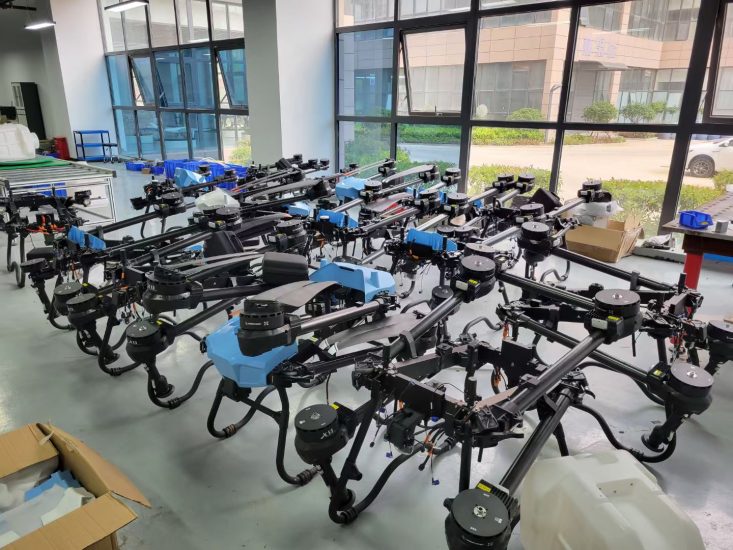
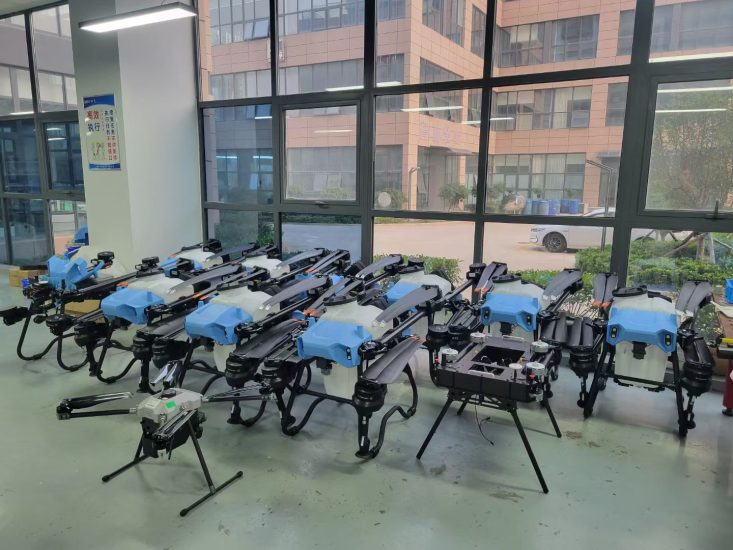
If you are purchasing multiple drones, production capacity is important.
Ask about:
-
Standard production time
-
Current stock
-
Monthly capacity
-
Component availability
-
Customization lead time
For customized products, the production process may take longer.
A clear delivery schedule can help you plan:
-
Marketing
-
Sales
-
Inventory
-
Customer delivery
-
Project implementation
Avoid making promises to your customers before confirming the supplier’s actual production capability.
14. Check Packaging and Transportation Preparation
Drones are precision products and should be properly protected during transportation.
Ask about:
-
Product packaging
-
Protective materials
-
Battery packaging
-
Export packaging
-
Shipping arrangements
If the product will be transported internationally, packaging should be suitable for the selected transportation method.
The supplier should also provide the necessary product information for shipping and import procedures when applicable.
15. Consider Compliance and Documentation
Drone regulations can vary between markets.
Depending on the destination and application, buyers may need information related to:
-
Product specifications
-
Battery details
-
User manuals
-
Safety information
-
Test reports
-
Other technical documentation
Before placing an order, check the requirements of your target market.
A supplier should be able to provide accurate technical documentation for the products being supplied.
16. Verify the Supplier Before Placing a Large Order
Before making a significant investment, perform reasonable supplier verification.
You may review:
-
Company information
-
Product experience
-
Technical capability
-
Customer communication
-
Production information
-
Product samples
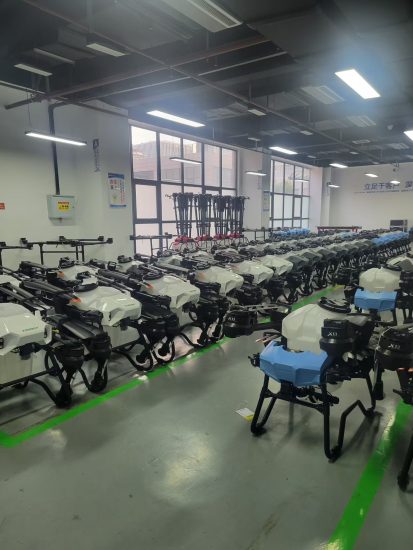
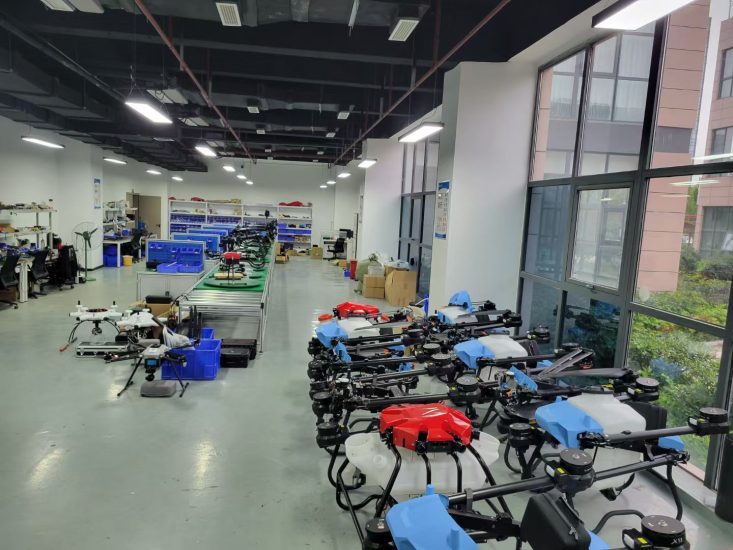
You can also ask for:
-
Factory information
-
Product videos
-
Technical documents
-
Sample testing
The goal is not simply to find the largest company.
The goal is to determine whether the supplier can reliably meet your specific requirements.
17. Be Careful with Prices That Are Too Low
A very low price may appear attractive, but it should be investigated carefully.
Possible reasons for a low price may include:
-
Different component quality
-
Different battery configuration
-
Lower payload capability
-
Fewer accessories
-
Limited technical support
-
Different warranty conditions
Always compare the complete configuration.
Two products may look similar but have very different specifications.
Ask the supplier to provide a detailed quotation that clearly explains what is included.
18. Ask the Right Questions Before Ordering
Before placing an order, consider asking:
-
What application is this drone designed for?
-
What is the recommended payload?
-
What is the actual working flight time?
-
What battery and charger are included?
-
What spare parts are available?
-
Can the drone be customized?
-
What is the production lead time?
-
What technical support is provided?
-
What is the warranty policy?
-
What documentation is available?
The answers can help you compare suppliers more accurately.
19. How to Find a Supplier for OEM or ODM Projects
If you want to develop your own drone brand, look for a supplier with experience in:
-
Product development
-
Engineering
-
Hardware customization
-
Software integration
-
Testing
-
Mass production
OEM and ODM projects require more than simply adding a logo to an existing product.
You may need to discuss:
-
Product design
-
Technical requirements
-
Branding
-
Packaging
-
Testing
-
Production
-
After-sales service
A supplier should be able to explain the development process clearly.
20. Build a Long-Term Supplier Relationship
A reliable supplier relationship can provide long-term benefits.
Over time, cooperation may become more efficient because both sides understand:
-
Product requirements
-
Quality expectations
-
Packaging preferences
-
Delivery schedules
-
Communication procedures
Long-term cooperation may also make it easier to develop:
-
New models
-
Customized products
-
Private-label solutions
-
Spare parts programs
However, long-term cooperation should be based on consistent quality and reliable communication.
Frequently Asked Questions
How do I find a reliable drone supplier?
Define your requirements, compare technical capabilities, check product quality, test samples when possible, evaluate after-sales support, and confirm spare parts availability.
Should I buy directly from a manufacturer?
Direct manufacturer cooperation may be suitable for OEM, ODM, large-volume, or customized projects. A professional trading or solution supplier may also be suitable for standard products and sourcing support.
How can I compare different drone suppliers?
Compare product specifications, actual performance, quality control, customization capability, price, delivery time, spare parts, technical support, and warranty conditions.
Should I test a drone before placing a large order?
For larger purchases, testing a sample can help you evaluate product performance and identify potential problems before placing a larger order.
What should I ask about after-sales service?
Ask about technical support, warranty coverage, spare parts, repair procedures, replacement components, and response times.
Is the cheapest drone supplier the best choice?
Not necessarily. The total cost of ownership, reliability, technical support, spare parts, and product performance should all be considered.
Can drone suppliers provide OEM services?
Many professional suppliers can support OEM or ODM projects, including branding, packaging, hardware customization, and other product requirements depending on their capabilities.
How can I get an accurate drone quotation?
Provide your application, target market, required quantity, payload, flight time, battery requirements, customization needs, and delivery schedule.
Conclusion
Finding a reliable drone supplier requires more than searching for the lowest price.
A suitable supplier should match your application, provide accurate technical information, maintain stable product quality, offer necessary spare parts, and provide effective technical support.
Before placing an order, clearly define your requirements and compare suppliers based on the complete value they provide.
For standard products, focus on product performance, quality, delivery, and after-sales service.
For OEM and ODM projects, pay additional attention to engineering capability, customization experience, testing, production capacity, and long-term cooperation.
The right supplier can help you reduce purchasing risks, improve product reliability, control operating costs, and build a more stable commercial drone business.
If you are looking for a drone supplier, prepare your application requirements, target market, required specifications, quantity, and customization needs. A professional supplier can then evaluate your project and provide a suitable product recommendation and quotation.
THE END


No comments yet