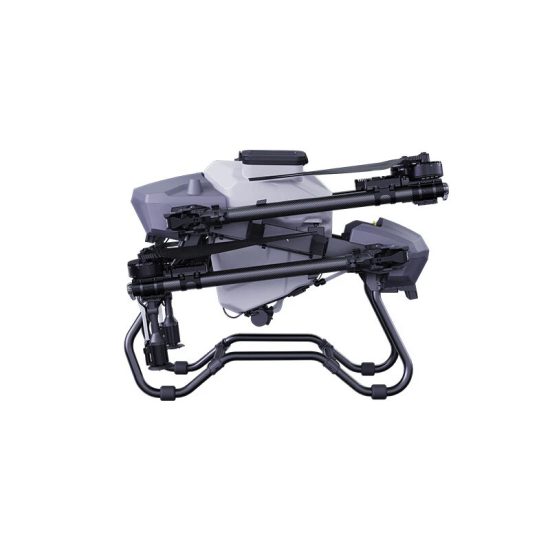


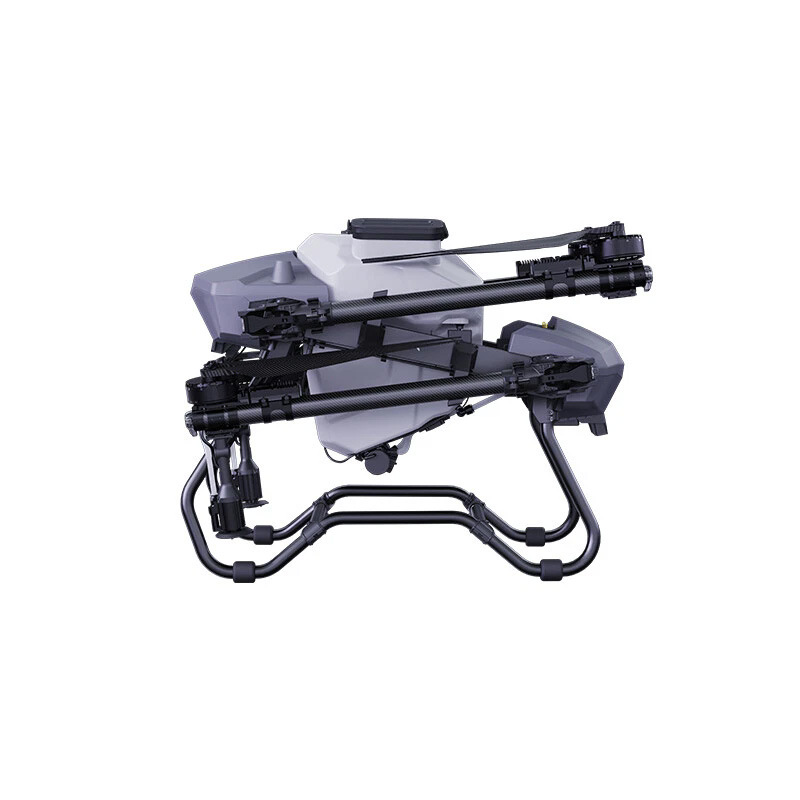
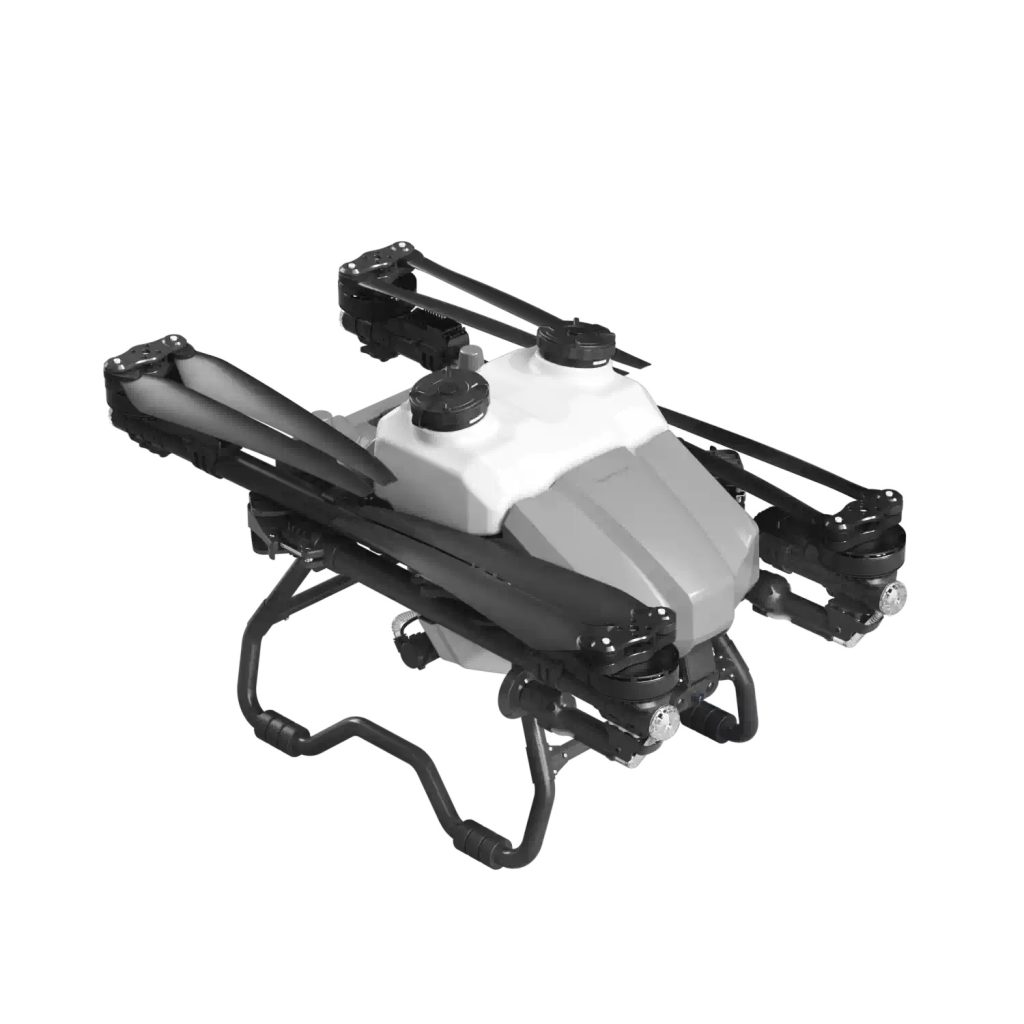
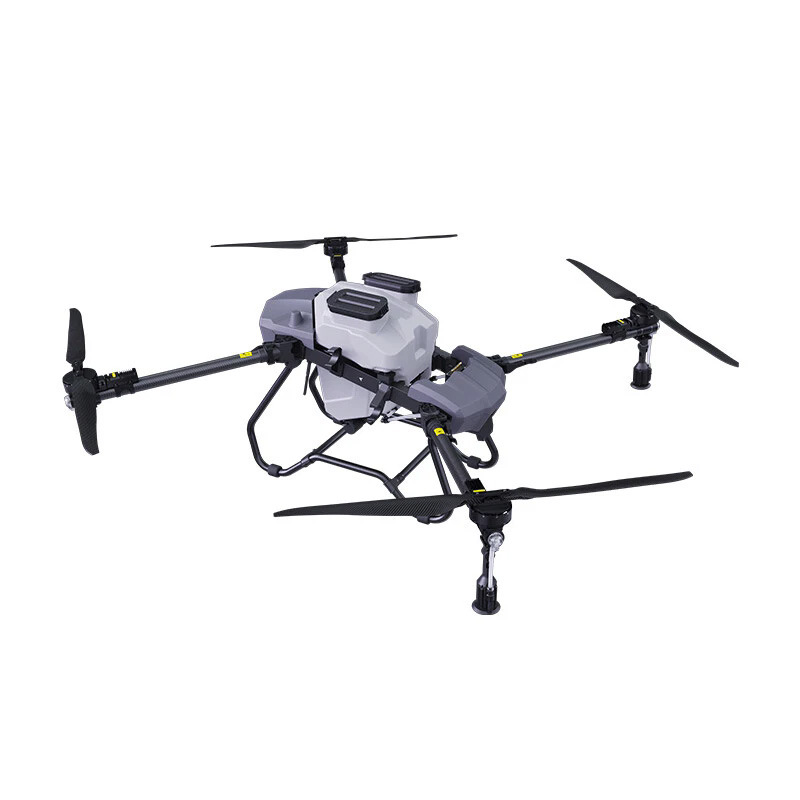
Fertilizer management plays an important role in agricultural productivity. However, for large farms, spreading fertilizer evenly and efficiently is not always easy. Uneven distribution, wasted materials, rising labor costs, and time-consuming operations often increase production pressure for growers.
As farms become larger and more focused on efficiency, agricultural drones are increasingly used as a practical solution for precision fertilizer spreading.
Common Fertilizer Spreading Problems on Large Farms
Large-scale farms often face operational challenges during fertilizer application.
Traditional spreading methods may create problems such as:
- Uneven fertilizer distribution across fields
- High labor requirements during busy seasons
- Time-consuming operations on large planting areas
- Fertilizer waste caused by overspreading
- Difficulty reaching soft, wet, or uneven farmland
For commercial farming operations, these challenges can increase costs and reduce operational efficiency.
How Agricultural Drones Improve Fertilizer Spreading
Agricultural drones are designed to support more organized and flexible fertilizer application.
Instead of depending entirely on manual labor or ground machinery, farms can use drones to improve field efficiency and simplify fertilizer management.
1. More Even Fertilizer Distribution
Uneven spreading may lead to inconsistent crop growth.
Some areas receive too much fertilizer while others receive too little, making field management less predictable.
Agricultural drones help improve distribution consistency through controlled spreading systems, supporting more balanced field coverage.
2. Faster Operations on Large Farms
Time is important during planting and crop development periods.
Large farms often need to complete fertilizer application quickly to match seasonal schedules.
Agricultural drones help operators cover fields more efficiently, reducing delays during busy periods.
3. Lower Labor Dependence
Labor shortages continue to affect agriculture in many regions.
Traditional fertilizer spreading may require multiple workers and equipment.
Drone spreading systems can simplify operations, allowing farms to complete work with fewer labor requirements.
4. Better Access to Difficult Terrain
Not all farmland is easy to access.
Wet soil, uneven ground, hills, and soft farmland can limit the use of heavy machinery.
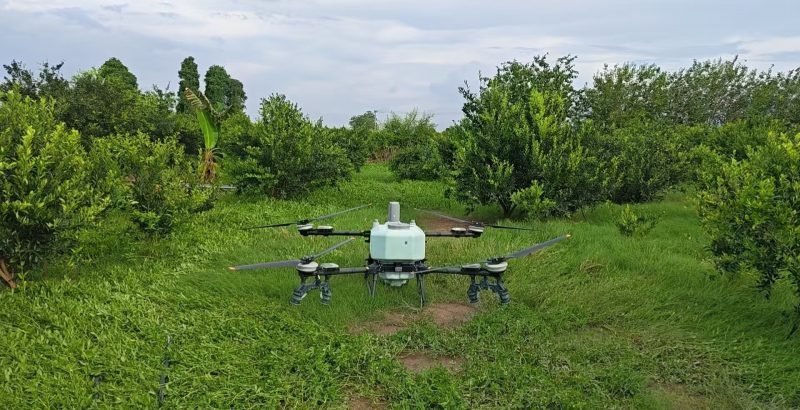
Agricultural drones fly above crops and farmland, making fertilizer application possible in areas where traditional equipment may struggle.
5. Reduce Equipment Pressure on Crops and Soil
Ground machinery may place pressure on crops or soft soil conditions.
Drone spreading reduces physical contact with farmland, helping farms manage operations with less direct field disturbance.
Which Farms Can Benefit from Fertilizer Spreading Drones?
Agricultural fertilizer drones may be useful for:
- Rice farms
- Wheat and grain farms
- Corn production fields
- Large commercial farms
- Farms with uneven terrain
- Agricultural businesses seeking higher operational efficiency
For growing agricultural operations, drones can become part of a more organized field management strategy.
What to Consider Before Choosing a Fertilizer Spreading Drone
Not all drones are suitable for fertilizer application. Before selecting a system, farms should evaluate:
Payload Capacity
Larger payloads may improve operational continuity and reduce refill frequency.
Spreading System Stability
Consistent fertilizer flow helps improve field performance.
Flight Efficiency
Longer operation efficiency is useful for large-scale field work.
Maintenance and Spare Parts
Reliable support helps reduce downtime during farming seasons.
Ease of Operation
User-friendly systems can simplify operator training and daily operations.
Final Thoughts
Large farms require fertilizer solutions that support efficiency, speed, and practical field management.
Agricultural drones offer a more flexible way to manage fertilizer spreading while helping farms improve workflow and reduce operational pressure.
For many commercial growers, precision fertilizer spreading with drones is becoming an important tool for long-term agricultural planning.
FAQ
1. Can drones spread fertilizer on large farms?
Yes. Agricultural drones are commonly used for fertilizer spreading on medium and large farms.
2. Are fertilizer spreading drones suitable for uneven land?
Yes. Drones can operate above uneven terrain, wet fields, and difficult ground conditions.
3. Can drones improve fertilizer efficiency?
Controlled spreading may help farms improve consistency and reduce unnecessary fertilizer waste.
4. How many workers are needed for fertilizer drone operations?
In many situations, one trained operator can manage spreading operations more efficiently than traditional manual methods.
5. What should farms consider before buying a fertilizer drone?
Important factors include payload size, flight efficiency, spreading stability, maintenance support, and suitability for farm size.


No comments yet