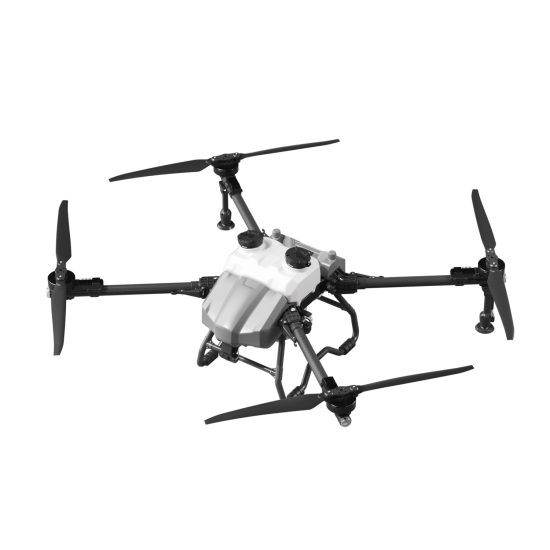


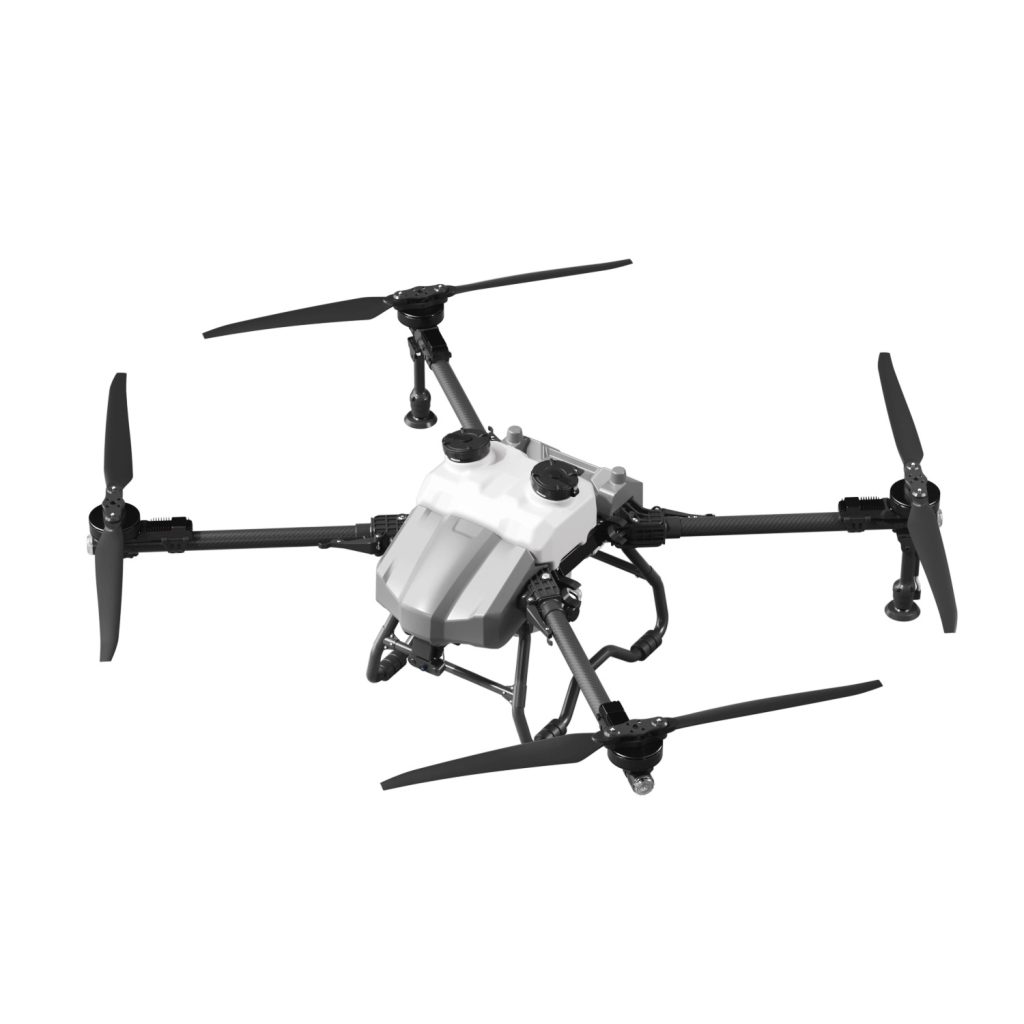
Operating a drone safely is essential for protecting people, equipment, property, and the drone itself.
Modern drones include advanced flight controllers, positioning systems, obstacle detection, automatic return functions, and intelligent battery management. However, these technologies do not eliminate the need for proper preparation and responsible operation.
Many drone accidents are caused by avoidable problems, such as insufficient pre-flight inspection, poor weather assessment, low battery levels, incorrect payload installation, signal interference, or operator errors.
A professional safety process can help reduce these risks and improve daily operating efficiency.
This guide explains how to operate drones safely, avoid common problems, and create a more reliable flight process.
1. Understand the Importance of Drone Safety
Drone safety is not only about avoiding crashes.
A safe operating process also helps prevent:
- Injury to people
- Damage to buildings and property
- Equipment loss
- Battery incidents
- Data loss
- Unexpected downtime
- Legal and regulatory problems
For commercial drone operators, safety also affects business reputation.
A single accident may result in:
- Repair costs
- Project delays
- Customer complaints
- Insurance problems
- Regulatory investigations
For this reason, safety should be considered part of normal drone operation rather than an additional task.
2. Check Local Drone Regulations Before Flying
Drone regulations vary between countries and regions.
Before operating a drone, users should understand the applicable requirements for:
- Drone registration
- Pilot qualifications
- Operating altitude
- Restricted areas
- Commercial operations
- Privacy
- Insurance
- Special permits
Some locations may restrict flights near:
- Airports
- Government facilities
- Military areas
- Critical infrastructure
- Large public events
A drone operator is responsible for understanding the rules that apply to the intended operation.
If you plan to operate drones commercially or internationally, confirm the relevant requirements before beginning regular operations.
3. Perform a Complete Pre-Flight Inspection
A pre-flight inspection can help identify problems before takeoff.
Before each flight, inspect:
Drone Body
Check for:
- Cracks
- Deformation
- Loose parts
- Structural damage
Propellers
Check for:
- Cracks
- Bending
- Excessive wear
- Incorrect installation
Motors
Check whether the motors rotate normally and are free from foreign objects.
Battery
Check:
- Battery level
- Physical condition
- Connector
- Temperature
- Warning messages
Payload
Confirm that the payload is securely installed and within the recommended weight range.
A few minutes of inspection can help prevent serious problems during flight.
4. Check the Weather Conditions
Weather can strongly affect drone safety.
Before flying, consider:
- Wind speed
- Wind direction
- Rain
- Temperature
- Visibility
- Humidity
Strong wind can:
- Reduce flight stability
- Increase battery consumption
- Make the return journey more difficult
Rain can affect:
- Electronic components
- Sensors
- Camera systems
- Battery safety
High temperatures may also increase the risk of overheating.
If the weather conditions are unsuitable, postponing the flight may be the safest decision.
5. Choose a Suitable Takeoff and Landing Area
The takeoff and landing area should be carefully selected.
Look for:
- A stable surface
- Sufficient open space
- Few obstacles
- Good visibility
- Low risk to people and property
Avoid taking off near:
- Power lines
- Tall trees
- Crowded areas
- Strong electromagnetic sources
- Loose materials
For agricultural operations, check the field carefully for:
- Trees
- Utility poles
- Buildings
- Workers
- Animals
A clear takeoff area can reduce the risk of accidents during the most critical stages of flight.
6. Keep a Safe Distance from People and Obstacles
The drone should maintain a suitable safety distance from:
- People
- Buildings
- Vehicles
- Trees
- Power lines
- Other aircraft
Even if a drone includes obstacle avoidance, operators should not rely entirely on automatic systems.
Sensors may be affected by:
- Poor lighting
- Dust
- Rain
- Thin wires
- Complex environments
The operator should always maintain awareness of the surrounding environment.
7. Understand the Drone’s Battery Warnings
Battery management is one of the most important parts of safe flight.
Do not wait until the battery is almost empty before planning to land.
The operator should monitor:
- Remaining battery percentage
- Voltage
- Battery temperature
- Estimated remaining flight time
The required battery reserve depends on:
- Wind
- Distance
- Payload
- Flight conditions
- Return route
A drone flying against strong wind may require more energy to return than expected.
Always maintain sufficient reserve power for a safe landing.
8. Set the Return-to-Home Function Correctly
Many drones include an automatic return-to-home function.
This function may activate when:
- The communication signal is lost
- The battery reaches a critical level
- The operator activates the function
Before takeoff, confirm:
- The home point is correct
- The return altitude is suitable
- The surrounding area is clear
The return altitude should be high enough to avoid common obstacles but should also comply with applicable operating restrictions.
Do not assume that the automatic return function can solve every emergency.
The operator should understand how the system works and when it may not be suitable.
9. Maintain a Reliable Communication Signal
A stable communication connection is important for safe drone operation.
Signal problems may be caused by:
- Excessive distance
- Buildings
- Mountains
- Trees
- Electromagnetic interference
If the signal becomes weak:
- Reduce the operating distance.
- Move away from obstacles when possible.
- Monitor the connection status.
- Prepare for a controlled return.
Do not continue flying farther away when the signal is already unstable.
10. Avoid Flying Beyond Your Experience Level
Operators should gradually increase the complexity of their operations.
Beginners should first practice:
- Basic takeoff
- Hovering
- Forward flight
- Turning
- Landing
After gaining experience, they can gradually move to:
- Complex routes
- Windy conditions
- Larger payloads
- Difficult terrain
Trying to perform a complex mission without sufficient experience can increase risk.
Proper training is especially important for commercial and agricultural drone operations.
11. Operate Payloads Safely
A payload can affect flight performance.
Before flight, check:
- Total weight
- Installation position
- Mechanical security
- Electrical connections
An improperly installed payload may:
- Shift during flight
- Affect balance
- Increase vibration
- Damage the drone
Never exceed the recommended payload capacity.
If the payload includes liquid, chemicals, equipment, or other materials, ensure that the container is properly secured.
12. Pay Special Attention to Agricultural Drone Safety
Agricultural drone operations may involve additional risks.
Operators should consider:
- Chemical handling
- Spray drift
- Workers in the field
- Nearby residents
- Water sources
- Animals
- Weather conditions
Before spraying, confirm that people and animals are at a safe distance.
Avoid spraying when wind conditions may cause unwanted drift.
Operators should also follow the applicable instructions and safety requirements for the agricultural products being used.
The drone itself should be cleaned and maintained after operation.
13. Keep People Away from the Operating Area
A clearly defined operating area can improve safety.
Before flight:
- Identify the operating zone
- Inform nearby workers
- Keep unauthorized people away
- Establish an emergency landing area
For commercial operations, it may be useful to create clear communication procedures between:
- Pilot
- Ground staff
- Customers
- Other workers
Everyone involved should understand when the drone is taking off, flying, and landing.
14. Prepare for Emergency Situations
Every drone operator should know what to do if something goes wrong.
Possible emergencies include:
- Communication loss
- Low battery
- Motor failure
- GPS problems
- Unexpected weather
- Obstacle risk
- Abnormal flight behavior
The correct response depends on the specific drone system.
Operators should understand:
- Manual control procedures
- Automatic return functions
- Emergency landing procedures
- Battery warnings
- System alarms
Emergency procedures should be practiced before a real problem occurs.
15. What to Do If the Drone Loses Communication
If communication is lost, remain calm.
The drone may automatically activate a predefined safety function, depending on its configuration.
The operator should:
- Monitor the situation
- Avoid making unnecessary control inputs
- Check whether the signal returns
- Follow the system’s emergency procedure
Before each flight, understand how the specific drone responds to communication loss.
Do not assume that all drones behave in the same way.
16. What to Do If the Drone Has a Motor Problem
A motor problem can seriously affect flight stability.
Possible warning signs include:
- Abnormal sound
- Reduced power
- Strong vibration
- Uneven flight
- Motor temperature increase
If a motor problem occurs, follow the appropriate emergency procedure for the drone.
After landing, inspect:
- Motor
- Propeller
- Motor arm
- Electrical connections
Do not continue normal operations until the cause has been identified.
17. Avoid Flying Near Strong Interference
Some environments may contain strong electromagnetic interference.
Potential sources include:
- Large electrical equipment
- Transmission facilities
- Certain industrial installations
Interference may affect:
- Communication
- Positioning
- Control systems
If the drone behaves abnormally in a particular area, move to a safer location and investigate the environment.
18. Protect the Drone During Transportation
Safe operation begins before the drone takes off.
During transportation:
- Use suitable protective packaging
- Secure the drone
- Protect propellers
- Separate fragile components when appropriate
- Keep batteries in suitable conditions
A drone damaged during transportation may appear normal but develop problems during flight.
Inspect the equipment after long-distance transportation.
19. Maintain Batteries Safely
Battery safety is essential.
Operators should:
- Use compatible chargers
- Inspect batteries before use
- Avoid damaged or swollen batteries
- Store batteries correctly
- Avoid extreme temperatures
Do not use a battery that shows serious physical damage or abnormal behavior.
Battery maintenance is particularly important for commercial operations involving repeated daily flights.
20. Use a Professional Operating Checklist
A written checklist can help reduce human error.
A basic checklist may include:
Before Takeoff
- Drone inspected
- Propellers installed correctly
- Battery charged
- Payload secured
- Weather checked
- Operating area checked
- Communication confirmed
- Positioning system ready
During Flight
- Battery monitored
- Signal monitored
- Obstacles observed
- Weather monitored
- Flight path controlled
After Landing
- Drone powered down safely
- Battery checked
- Equipment inspected
- Payload removed
- Drone cleaned if necessary
A checklist is especially useful when multiple operators work with the same equipment.
21. Maintain the Drone Regularly
Safety and maintenance are closely connected.
Regular maintenance should include:
- Propeller inspection
- Motor inspection
- Battery testing
- Sensor cleaning
- Structural inspection
- Software management
A poorly maintained drone may become less predictable during flight.
Preventive maintenance can help identify problems before they create safety risks.
22. Keep Accurate Flight Records
Flight records can help improve safety over time.
Useful information may include:
- Date
- Flight duration
- Weather
- Battery used
- Operating area
- Abnormal events
- Maintenance performed
These records can help identify repeated problems.
For commercial operators, flight records may also support internal management and maintenance planning.
23. Choose the Right Drone for the Operating Environment
Safety begins with selecting equipment that matches the application.
Consider:
- Payload
- Flight time
- Wind conditions
- Terrain
- Weather
- Required sensors
- Battery performance
A small drone may not be suitable for heavy industrial equipment.
A standard camera drone may not be suitable for agricultural spraying.
Choosing the right equipment can reduce unnecessary operational stress and improve safety.
24. Choose a Supplier That Provides Safety Support
A professional drone supplier should provide more than a product.
Important support may include:
- User manuals
- Technical documents
- Training information
- Maintenance guidance
- Spare parts
- Troubleshooting support
Before purchasing, ask how the supplier supports users after delivery.
Good technical support can help operators solve problems faster and reduce unnecessary operating risks.
Frequently Asked Questions
What should I check before flying a drone?
Check the drone body, propellers, motors, battery, payload, communication system, positioning system, weather, and operating area.
Is it safe to fly a drone in strong wind?
It depends on the drone’s design and operating limits. Strong wind can reduce stability and increase battery consumption. Operators should follow the recommended operating conditions.
What should I do if the drone loses signal?
Follow the drone’s communication-loss procedure, monitor the situation, and prepare for a controlled return or landing according to the system design.
How much battery should remain before returning?
There is no single percentage suitable for every flight. The required reserve depends on distance, wind, payload, flight time, and return conditions. Operators should always maintain sufficient reserve power.
Can obstacle avoidance prevent all crashes?
No. Obstacle avoidance systems can improve safety, but they may not detect every object or operate perfectly in every environment. The operator remains responsible for monitoring the flight.
How can agricultural drone operations be made safer?
Check weather conditions, maintain a safe distance from people and animals, control spray drift, use proper equipment, follow applicable product instructions, and train operators properly.
Should I use a checklist for every flight?
Yes. A checklist can help reduce human error and ensure that important safety checks are not forgotten.
What should I do after a drone crash?
Stop normal operation and inspect the drone carefully. Check the frame, propellers, motors, battery, and electronic systems. Serious damage should be evaluated with appropriate technical support before the drone is used again.
Conclusion
Safe drone operation requires the right equipment, proper preparation, responsible flight control, regular maintenance, and awareness of the operating environment.
Modern safety functions can help reduce risks, but technology cannot replace good operating procedures.
Before every flight, inspect the drone, check the weather, confirm the operating area, verify the battery, secure the payload, and understand the emergency procedures.
For commercial users, a complete safety system should also include operator training, maintenance records, spare parts, technical support, and regular equipment inspections.
If you are selecting a drone for agriculture, inspection, mapping, photography, or another commercial application, choose a configuration that matches your actual operating environment.
A professional supplier can help evaluate your requirements, recommend suitable equipment, provide technical information, and support your business with the appropriate drone solution.


No comments yet