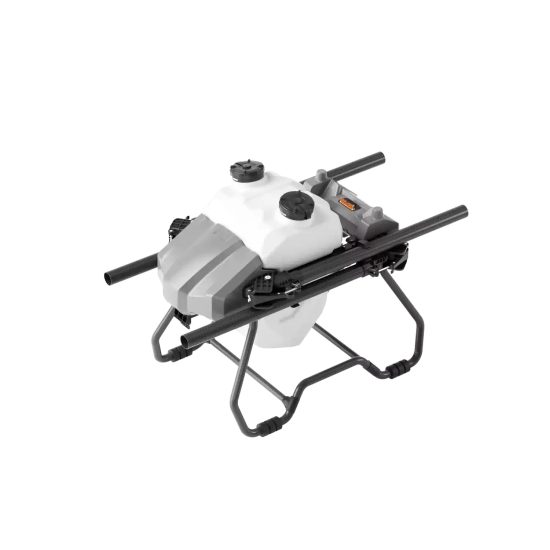



A drone is a precision machine that combines motors, propellers, batteries, electronic systems, flight controllers, communication equipment, sensors, and other components.
When all components work properly, a drone can provide stable and efficient performance. However, regular operation, transportation, weather, dust, chemicals, and accidental impacts can gradually affect the condition of the equipment.
Without proper maintenance, small problems may develop into expensive repairs or unexpected downtime.
For commercial users, this can directly affect productivity and operating costs.
A well-maintained drone is more likely to provide:
-
Stable flight performance
-
Longer component service life
-
Fewer unexpected failures
-
Lower repair costs
-
Better operational safety
-
More consistent working results
This guide explains how to maintain a drone properly and reduce unnecessary downtime and repair expenses.
1. Why Is Regular Drone Maintenance Important?
Many drone problems do not happen suddenly.
A damaged propeller, loose screw, aging battery, or partially blocked component may gradually affect performance before a serious failure occurs.
Regular maintenance helps operators identify these problems early.
For example:
-
A small propeller crack can become a flight safety problem.
-
A loose connector can cause intermittent power loss.
-
A dirty motor can reduce efficiency.
-
An aging battery can shorten flight time.
-
Chemical residue can damage spraying components.
The earlier a problem is identified, the easier and less expensive it is usually to resolve.
Preventive maintenance is often more cost-effective than waiting for a major failure.
2. Create a Regular Maintenance Schedule
The first step in reducing maintenance costs is to create a clear inspection schedule.
A basic schedule can include:
Before Every Flight
Check:
-
Battery
-
Propellers
-
Motors
-
Drone body
-
Landing gear
-
Payload
-
Communication system
After Every Flight
Inspect:
-
Dust
-
Moisture
-
Chemical residue
-
Physical damage
-
Loose components
Weekly or Regularly
Check:
-
Motor condition
-
Propeller balance
-
Battery health
-
Flight controller status
-
Software
-
Electrical connections
Periodically
Perform a more complete inspection of the entire drone.
The exact maintenance frequency depends on:
-
Flight hours
-
Operating environment
-
Payload
-
Weather
-
Application
A drone used in a clean indoor environment may require a different maintenance schedule from an agricultural drone used in dusty or chemical environments.
3. Inspect Propellers Regularly
Propellers are among the most frequently replaced drone components.
They operate at high speed and are exposed to:
-
Vibration
-
Dust
-
Impact
-
Chemicals
-
Temperature changes
Before each flight, check for:
-
Cracks
-
Deformation
-
Scratches
-
Excessive wear
-
Loose installation
Even a small crack can affect balance and create vibration.
A damaged propeller should not be used simply because the damage appears minor.
Replacing a relatively inexpensive propeller is generally much less costly than repairing a motor, arm, or flight controller damaged by excessive vibration.
4. Maintain the Motors
Motors are essential to flight performance.
A motor problem may cause:
-
Abnormal noise
-
Reduced power
-
Excessive heat
-
Uneven flight
-
Increased battery consumption
Before operation, check whether the motors rotate smoothly.
After operation, inspect for:
-
Dust
-
Dirt
-
Moisture
-
Chemical residue
-
Foreign objects
Agricultural drones may be exposed to fertilizer, pesticides, water, and other materials.
These substances should not be allowed to accumulate around the motor system.
If a motor produces unusual noise or heat, stop normal operation and inspect it carefully.
5. Keep the Drone Clean
Cleaning is an important part of preventive maintenance.
Different applications create different contamination risks.
Agricultural Drones
May be exposed to:
-
Soil
-
Fertilizer
-
Pesticide residue
-
Water
-
Plant material
Industrial Drones
May encounter:
-
Dust
-
Oil
-
Metal particles
-
Construction materials
Outdoor Camera Drones
May be exposed to:
-
Dust
-
Sand
-
Moisture
-
Salt air
Clean the drone according to the manufacturer’s recommendations.
Avoid allowing water or cleaning liquids to enter sensitive electronic components.
After cleaning, make sure the drone is completely dry before storage or operation.
6. Pay Special Attention to Agricultural Spraying Systems
For agricultural drones, the spraying system requires regular maintenance.
Important components include:
-
Tank
-
Pump
-
Pipes
-
Filters
-
Nozzles
-
Flow control components
Chemical residue can gradually cause:
-
Blockages
-
Reduced flow
-
Uneven spraying
-
Pump damage
After operation, clean the system according to the requirements of the equipment and agricultural products being used.
A regular cleaning process can help reduce replacement costs and improve spraying consistency.
7. Maintain the Battery Properly
Battery problems are a common cause of downtime.
A battery should be inspected for:
-
Physical damage
-
Swelling
-
Unusual heat
-
Connector problems
-
Reduced performance
Battery maintenance also includes:
-
Using a compatible charger
-
Avoiding extreme temperatures
-
Following proper storage procedures
-
Monitoring battery health
Do not continue using a battery that shows serious abnormalities.
Replacing an aging battery at the appropriate time may help prevent more expensive problems.
8. Check Screws and Mechanical Connections
Vibration can gradually loosen mechanical components.
Regularly inspect:
-
Motor mounting screws
-
Propeller mounting components
-
Landing gear
-
Payload brackets
-
Arm structures
A loose component may cause:
-
Vibration
-
Noise
-
Reduced stability
-
Structural damage
Do not overtighten screws, as excessive force may damage the structure.
Use appropriate tools and follow the recommended maintenance procedures.
9. Protect the Flight Controller and Electronic Systems
The flight controller is one of the most important components in a drone.
It processes information from:
-
Sensors
-
Positioning systems
-
Remote controllers
-
Motors
Electronic systems should be protected from:
-
Water
-
Excessive dust
-
Strong impacts
-
Extreme temperatures
-
Unstable power
If the drone has experienced a crash or hard impact, inspect the electronic system even if the drone appears to fly normally.
Internal damage may not always be visible.
10. Check Sensors and Positioning Systems
Modern drones may use multiple sensors and positioning systems.
These systems can affect:
-
Flight stability
-
Height control
-
Obstacle detection
-
Route planning
-
Automatic return functions
Sensor problems may result in:
-
Drifting
-
Incorrect altitude
-
Unstable hovering
-
Warning messages
Keep sensor surfaces clean and free from dust or residue.
If the system requires calibration, perform calibration according to the recommended procedure.
11. Update Software Carefully
Software and firmware updates may improve:
-
System stability
-
Compatibility
-
Flight functions
-
Safety features
However, updates should be performed carefully.
Before updating:
-
Confirm the correct software version
-
Ensure sufficient battery power
-
Maintain a stable connection
-
Follow the update instructions
Do not interrupt an important update process without understanding the possible consequences.
For commercial operations, it can be useful to record software versions and update dates.
12. Reduce Damage During Transportation
Many drone problems happen during transportation rather than flight.
A drone may be damaged by:
-
Impact
-
Pressure
-
Moisture
-
Incorrect packing
-
Loose accessories
Use suitable protective packaging.
When transporting the drone:
-
Remove detachable components when appropriate
-
Protect propellers
-
Secure batteries
-
Keep the drone dry
-
Avoid placing heavy objects on top
For commercial users, a dedicated transport case may help reduce accidental damage.
13. Avoid Operating in Unsuitable Conditions
Operating conditions can strongly influence maintenance requirements.
Before flight, consider:
-
Wind
-
Rain
-
Temperature
-
Dust
-
Humidity
-
Electromagnetic interference
Strong wind may increase motor load.
High temperatures may affect batteries and electronic components.
Dust may enter mechanical systems.
Moisture may create electrical problems.
Avoiding unsuitable conditions when possible can significantly reduce long-term maintenance costs.
14. Do Not Overload the Drone
Operating beyond the recommended payload can increase stress on:
-
Motors
-
Propellers
-
Battery
-
Flight controller
-
Frame structure
An overloaded drone may experience:
-
Shorter flight time
-
Higher motor temperature
-
Reduced stability
-
Faster component wear
Always operate within the recommended payload range.
If your application requires a heavier payload, choose a drone specifically designed for that requirement instead of continuously overloading a smaller model.
15. Monitor Abnormal Sounds and Vibrations
Operators should pay attention to changes in normal operating behavior.
Warning signs may include:
-
New motor sounds
-
Increased vibration
-
Unusual buzzing
-
Clicking
-
Sudden changes in flight stability
These signs may indicate:
-
Propeller damage
-
Motor wear
-
Loose components
-
Structural problems
Do not ignore abnormal sounds simply because the drone can still fly.
Early inspection may prevent a more serious failure.
16. Keep Spare Parts Available
A small stock of commonly used spare parts can reduce downtime.
Useful spare parts may include:
-
Propellers
-
Motors
-
Batteries
-
Chargers
-
Nozzles
-
Filters
-
Connectors
-
Landing gear components
The correct spare parts depend on the drone model and application.
For commercial operators, keeping critical components available can help avoid long interruptions caused by waiting for replacement parts.
17. Train Operators to Reduce Damage
Maintenance is not only the responsibility of a technician.
The operator also has a major influence on equipment condition.
Training should include:
-
Pre-flight inspection
-
Safe takeoff
-
Proper landing
-
Battery management
-
Emergency procedures
-
Payload installation
-
Weather assessment
Many drone problems are caused by operational mistakes.
Improving operator training can reduce:
-
Crashes
-
Hard landings
-
Battery misuse
-
Payload errors
-
Improper maintenance
A well-trained operator can help extend the service life of the equipment.
18. Maintain Accurate Maintenance Records
Maintenance records can help identify repeated problems.
Record information such as:
-
Flight hours
-
Battery usage
-
Repairs
-
Replaced components
-
Software updates
-
Abnormal events
For example, if one motor repeatedly develops problems, the maintenance records may help identify a pattern.
Records can also help determine when a component should be inspected or replaced.
19. Understand the Difference Between Repair and Replacement
Not every component should be repaired.
Some components may be safely replaced, while others may require professional technical service.
The correct approach depends on:
-
Component type
-
Damage level
-
Safety requirements
-
Repair cost
-
Technical complexity
Attempting to repair sensitive electronic or battery components without proper knowledge may create additional risks.
When in doubt, consult qualified technical support.
20. Reduce Long-Term Repair Costs Through Preventive Maintenance
Preventive maintenance may appear to increase short-term labor costs.
However, it can reduce:
-
Emergency repairs
-
Unexpected downtime
-
Secondary damage
-
Replacement costs
-
Lost operating time
For commercial users, the cost of downtime may be much higher than the cost of regular inspection.
A short inspection before operation can help prevent a major problem during an important mission.
21. Choose a Supplier with Technical Support
The quality of after-sales support can influence the total cost of drone ownership.
When evaluating a supplier, consider:
-
Spare parts availability
-
Technical response
-
Warranty policy
-
Repair guidance
-
Product documentation
-
Training support
A reliable supplier should be able to help users understand maintenance requirements and solve technical problems.
This is especially important for businesses operating drones in international markets.
22. When Should a Drone Be Sent for Professional Inspection?
Professional inspection may be necessary when:
-
The drone has crashed
-
The frame is damaged
-
A motor stops working
-
The flight controller reports a serious error
-
The battery shows abnormal behavior
-
The drone repeatedly drifts
-
Severe vibration continues
-
The communication system fails
Do not continue normal commercial operation when a serious problem remains unresolved.
A professional inspection can help identify hidden damage and reduce the risk of further failure.
Frequently Asked Questions
How often should a drone be maintained?
The maintenance frequency depends on usage, operating conditions, flight hours, and application. A basic inspection should generally be performed before and after operation.
How can I reduce drone repair costs?
Perform preventive maintenance, inspect components regularly, avoid overloading, use suitable batteries, train operators, and replace small damaged components before they cause larger failures.
When should drone propellers be replaced?
Replace propellers when they have cracks, serious scratches, deformation, or other damage that may affect balance and flight safety.
Why does my drone vibrate during flight?
Possible causes include damaged propellers, motor problems, loose screws, structural damage, or an improperly installed payload.
How can I extend drone battery life?
Use the correct charger, avoid extreme temperatures, follow proper storage procedures, monitor battery health, and avoid operating the battery under unsuitable conditions.
Should I repair a damaged drone myself?
Simple maintenance may be handled by trained operators, but serious electronic, structural, battery, or flight-control problems should be handled with appropriate technical support.
What spare parts should a commercial drone operator keep?
Commonly used parts may include propellers, batteries, chargers, motors, connectors, landing components, filters, and application-specific components.
Does agricultural drone maintenance require special attention?
Yes. Agricultural drones may be exposed to chemicals, moisture, soil, and plant materials. The spraying system and other components should be cleaned and inspected regularly.
Conclusion
Regular maintenance is one of the most effective ways to reduce drone downtime and repair costs.
A proper maintenance program should include pre-flight inspections, post-flight cleaning, battery management, propeller checks, motor inspection, software management, transportation protection, and regular technical evaluation.
Small problems should not be ignored. A damaged propeller, loose screw, abnormal battery, or unusual vibration may become a much more expensive problem if the drone continues operating without inspection.
For commercial users, preventive maintenance can improve equipment reliability, extend component life, reduce unexpected downtime, and support more predictable operating costs.
If you are purchasing drones for agriculture, inspection, mapping, photography, or other commercial applications, consider not only the initial product price but also the availability of spare parts, technical support, maintenance guidance, and long-term service.
A reliable drone solution should provide more than equipment. It should support stable operation throughout the entire product life cycle.
THE END


No comments yet