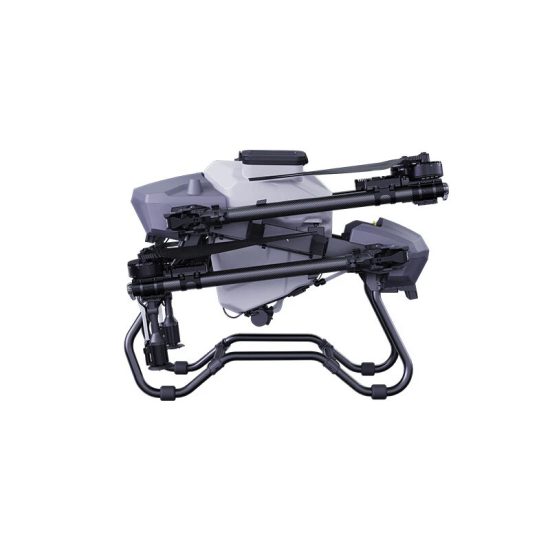


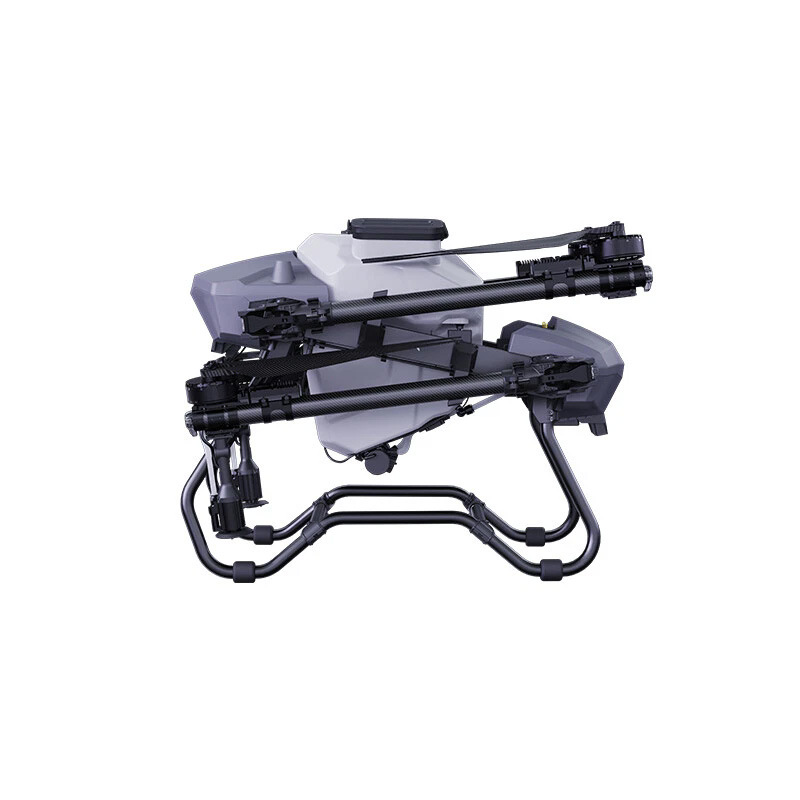
Battery performance is one of the most important factors in agricultural drone operations. When a drone battery drains too quickly, productivity decreases, spraying schedules become slower, and operating costs increase.
Many drone operators assume battery problems are caused by poor battery quality alone. In reality, flight efficiency depends on several operational factors including payload weight, flight speed, temperature, route planning, spraying settings, battery maintenance, and field conditions.
Understanding why battery performance drops and how to improve efficiency can help farms reduce downtime and complete operations more consistently.
Why Does a Drone Battery Drain Too Fast?
Battery consumption in agricultural drones is influenced by multiple variables.
Common causes include:
- Excessive payload weight
- Improper flight speed
- High wind resistance
- Poor battery maintenance
- Cold or extremely hot weather
- Aggressive acceleration and turning
- Inefficient route planning
In many cases, battery drain results from daily operational habits rather than hardware failure.
Identifying the root cause helps improve efficiency without increasing equipment cost.
Heavy Payload Increases Battery Consumption
Payload capacity affects flight endurance directly.
A fully loaded agricultural drone requires more power to maintain stable flight.
While larger liquid tanks improve operational efficiency, they also increase energy consumption.
Operators should balance:
- Payload size
- Flight distance
- Battery cycle time
- Farm workload requirements
Sometimes flying slightly smaller loads improves total daily productivity because battery swapping becomes more predictable and efficient.
The goal is not maximum weight at all times, but better operational balance.
Flight Speed Is Not Always the Answer
Some operators increase speed to complete work faster.
However, flying too aggressively often increases power consumption.
Rapid acceleration, sudden braking, and unstable maneuvering require more energy.
Efficient drone operation usually involves:
- Stable cruising speed
- Smooth route transitions
- Controlled acceleration
- Consistent spraying rhythm
A smooth operational pattern often improves both battery life and spraying consistency.
Weather Conditions Affect Battery Efficiency
Environmental conditions strongly influence battery performance.
Wind creates additional resistance.
Strong wind forces the drone to consume more energy to maintain stability and route accuracy.
Temperature also matters.
Cold environments may reduce battery efficiency temporarily, while extreme heat can increase battery stress during long operations.
Many professional operators adjust schedules according to weather conditions to maximize operational efficiency.
Flying during calmer periods often improves endurance and spraying precision.
Poor Route Planning Wastes Energy
Route planning is often overlooked.
Inefficient paths increase unnecessary movement, overlap, and turning frequency.
This wastes battery power and reduces productivity.
Efficient route planning helps:
- Reduce repeated coverage
- Improve spraying consistency
- Minimize unnecessary flight distance
- Increase field coverage per battery cycle
Modern agricultural drones often support automated route optimization to improve operational efficiency.
For large farms, route quality directly affects battery productivity.
Battery Maintenance Matters More Than Most Operators Think
Improper battery care shortens lifespan and reduces daily performance.
Common maintenance mistakes include:
- Storing batteries at improper temperatures
- Charging immediately after overheating
- Leaving batteries fully discharged for long periods
- Ignoring cycle monitoring
Professional operators usually monitor:
- Battery temperature
- Charging condition
- Cycle count
- Physical damage or swelling
Routine battery management improves reliability during busy agricultural seasons.
Spray Settings Can Affect Endurance
Spraying configuration also impacts energy consumption.
Factors include:
- Pump workload
- Flow rate settings
- Flight altitude
- Payload weight
Improper calibration may increase operational inefficiency and force more frequent battery replacement.
Optimizing spray settings according to crop type and field conditions can improve both efficiency and application quality.
Invest in a Practical Battery Workflow
Battery performance is not only about battery size.
Field workflow matters.
Professional operators often improve productivity through:
- Multiple battery rotation systems
- Fast charging equipment
- Organized charging stations
- Efficient swapping procedures
Reducing idle time between flights often increases total daily spraying capacity more than simply buying larger batteries.
When Should You Replace a Drone Battery?
Even well-maintained batteries degrade over time.
Signs that replacement may be necessary include:
- Noticeably shorter flight time
- Slow charging performance
- Unstable voltage behavior
- Overheating during normal operation
- Reduced lifting performance
Replacing worn batteries at the right time helps maintain stable operational performance and safety.
Improving Flight Efficiency in Real Farming Conditions
Improving battery performance is usually about optimizing operations rather than changing equipment immediately.
Professional agricultural drone operators focus on:
- Stable flight behavior
- Efficient route planning
- Proper battery maintenance
- Smart payload management
- Weather awareness
- Consistent operating procedures
The result is improved productivity, reduced downtime, and more efficient farm operations.
FAQ
Why does my agricultural drone battery drain so fast?
Common reasons include heavy payloads, high wind resistance, aggressive flying, poor maintenance, inefficient routes, and environmental temperature conditions.
Does flying faster save battery life?
Not necessarily. Flying too fast may increase power consumption and reduce efficiency.
How can I improve drone battery efficiency?
Improve route planning, maintain batteries properly, reduce unnecessary maneuvering, and optimize payload and spraying settings.
Does weather affect battery performance?
Yes. Strong wind, cold temperatures, and excessive heat can reduce battery efficiency.
How long should an agricultural drone battery last?
Battery lifespan depends on usage habits, charging quality, operating environment, and maintenance practices. Proper care can significantly extend performance over time.


No comments yet