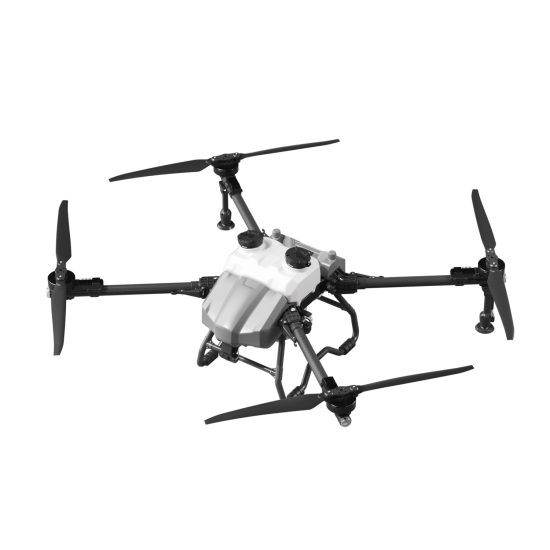


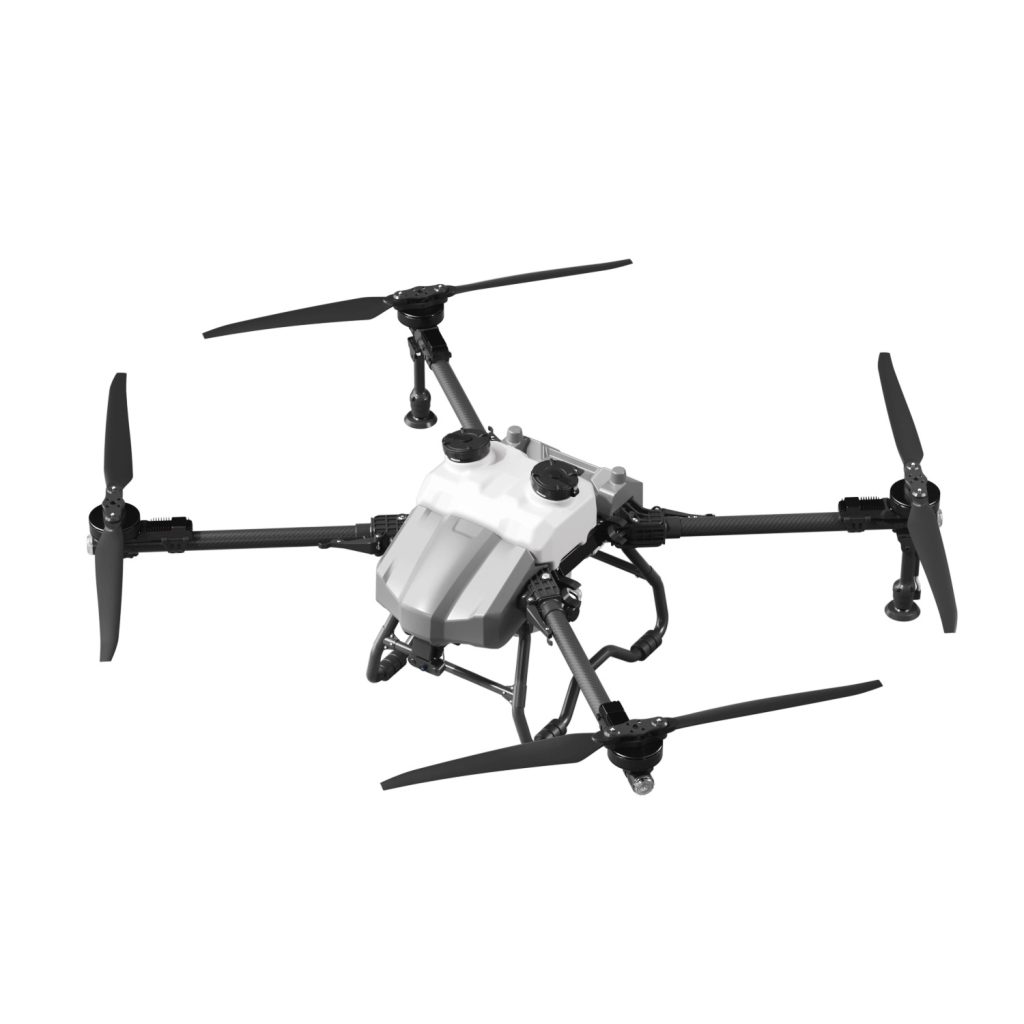


Drone batteries play an important role in flight performance, spraying efficiency, and operational safety. Proper charging and maintenance can extend battery lifespan, improve flight time, and reduce unexpected downtime in agricultural operations.
This guide explains how to charge, store, inspect, and maintain drone batteries for safer and more reliable performance.
Why Battery Maintenance Matters
A well-maintained drone battery helps:
-
Improve flight stability
-
Extend battery service life
-
Reduce charging problems
-
Increase operational efficiency
-
Prevent sudden power loss during flight
Poor battery maintenance may lead to shorter flight time, unstable power output, or unexpected system shutdowns.
Understanding Drone Batteries
Most agricultural drones use rechargeable high-capacity batteries designed for intensive outdoor operations.
These batteries are built to support:
-
Heavy payload operations
-
Long-distance spraying missions
-
Stable power delivery
-
High-performance motors and flight systems
Because agricultural drones often operate in demanding environments, battery care should be part of routine maintenance.
How to Charge a Drone Battery Properly
Correct charging improves both safety and performance.
Step 1: Inspect the Battery Before Charging
Before connecting the charger, check:
-
Battery casing condition
-
Connector cleanliness
-
Visible swelling or damage
-
Moisture or contamination
Do not charge a damaged battery.
Step 2: Use a Suitable Charging Environment
Charge batteries in a safe location.
Recommended conditions:
-
Dry and clean environment
-
Stable room temperature
-
Good ventilation
-
Away from water or direct sunlight
Avoid charging immediately after heavy operation while the battery is still hot.
Step 3: Connect the Battery Correctly
Basic charging process:
-
Place the battery on a stable surface.
-
Connect the charger securely.
-
Confirm charging indicators are working normally.
-
Wait until charging is completed.
-
Disconnect carefully after charging.
Avoid moving or disconnecting the battery repeatedly during charging.
Common Battery Charging Mistakes
Many operators shorten battery life unintentionally.
Avoid these mistakes:
-
Charging a hot battery immediately after flight
-
Leaving batteries unused for long periods without inspection
-
Ignoring visible swelling or damage
-
Overloading the drone frequently
-
Storing batteries in humid environments
Good charging habits reduce long-term maintenance costs.
How to Store Drone Batteries Correctly
Proper storage is just as important as charging.
Recommended Storage Conditions
-
Keep batteries in a cool and dry place
-
Avoid direct sunlight
-
Keep away from moisture and dust
-
Store on a stable surface
-
Avoid extreme temperatures
Long-term exposure to poor storage conditions may reduce battery efficiency.
Signs Your Drone Battery Needs Attention
Inspect batteries regularly for warning signs.
Common symptoms include:
-
Reduced flight time
-
Slow charging speed
-
Battery overheating
-
Swelling or unusual shape
-
Unexpected power loss
If these issues occur repeatedly, inspection or replacement may be necessary.
Tips to Extend Drone Battery Lifespan
Good maintenance habits can improve battery performance over time.
Helpful practices:
-
Inspect batteries before each flight
-
Keep charging connectors clean
-
Avoid unnecessary overloading
-
Allow batteries to cool before charging
-
Perform routine battery checks
Consistent maintenance helps reduce equipment downtime.
Battery Safety Checklist Before Flight
Before every mission, confirm:
-
Battery installed securely
-
Charge level sufficient
-
No visible damage
-
Connectors clean and stable
-
Battery temperature normal
Skipping battery checks may increase operational risk.
Seasonal Battery Care for Agricultural Operations
Agricultural drones often work in changing weather conditions.
Hot Weather Tips
-
Avoid direct sun exposure
-
Allow cooling after operation
-
Monitor battery temperature
Cold Weather Tips
-
Warm batteries gradually before operation
-
Avoid long outdoor storage in freezing conditions
-
Check power performance carefully
Environmental conditions may affect battery efficiency.
Common Battery Problems and Solutions
Battery Charges Slowly
Possible causes:
-
Dirty connectors
-
Temperature issues
-
Charger connection problems
Solution:
Clean connectors and charge in a stable environment.
Battery Drains Too Fast
Possible causes:
-
Aging battery
-
Heavy payload
-
Frequent aggressive flying
Solution:
Inspect battery health and reduce excessive load.
Battery Gets Too Hot
Possible causes:
-
Continuous heavy operation
-
Poor ventilation
-
Charging immediately after use
Solution:
Allow cooling time before charging.
FAQ
How often should drone batteries be inspected?
A quick inspection should be completed before every flight.
Why does my drone battery lose power quickly?
Battery aging, heavy payloads, poor charging habits, or environmental conditions may reduce efficiency.
Can I charge a battery immediately after flying?
It is better to allow the battery to cool before charging.
What are signs of a damaged battery?
Swelling, overheating, short flight time, or unstable power performance are common warning signs.
How can I make drone batteries last longer?
Charge properly, store correctly, inspect regularly, and avoid overloading during operation.
Article Link:
Drone Battery Charging & Maintenance Guide
THE END


No comments yet