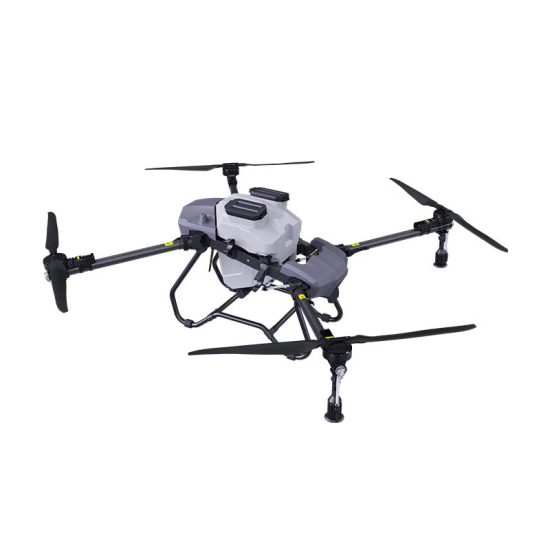


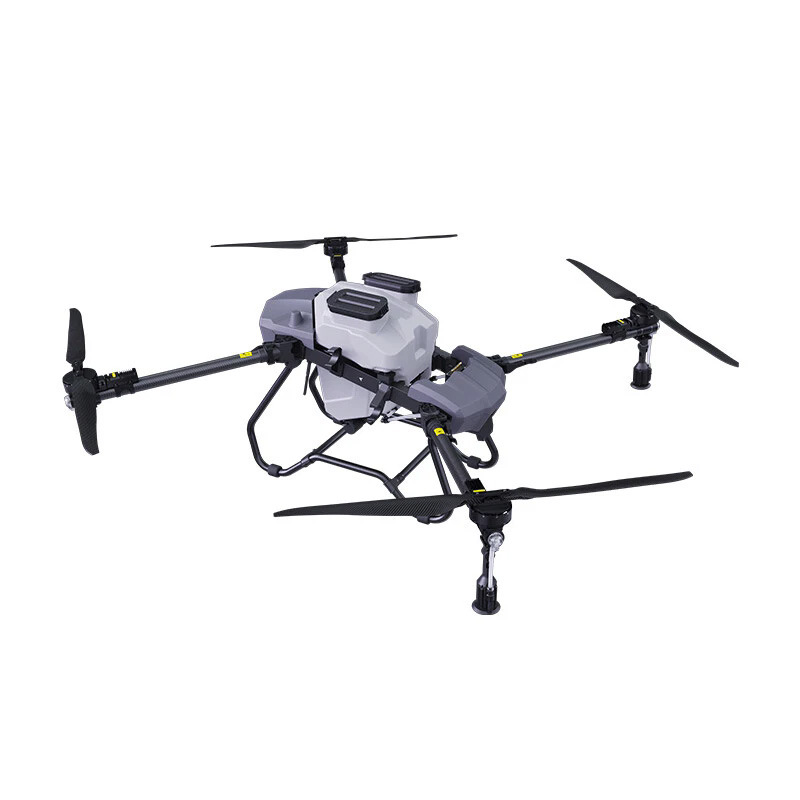
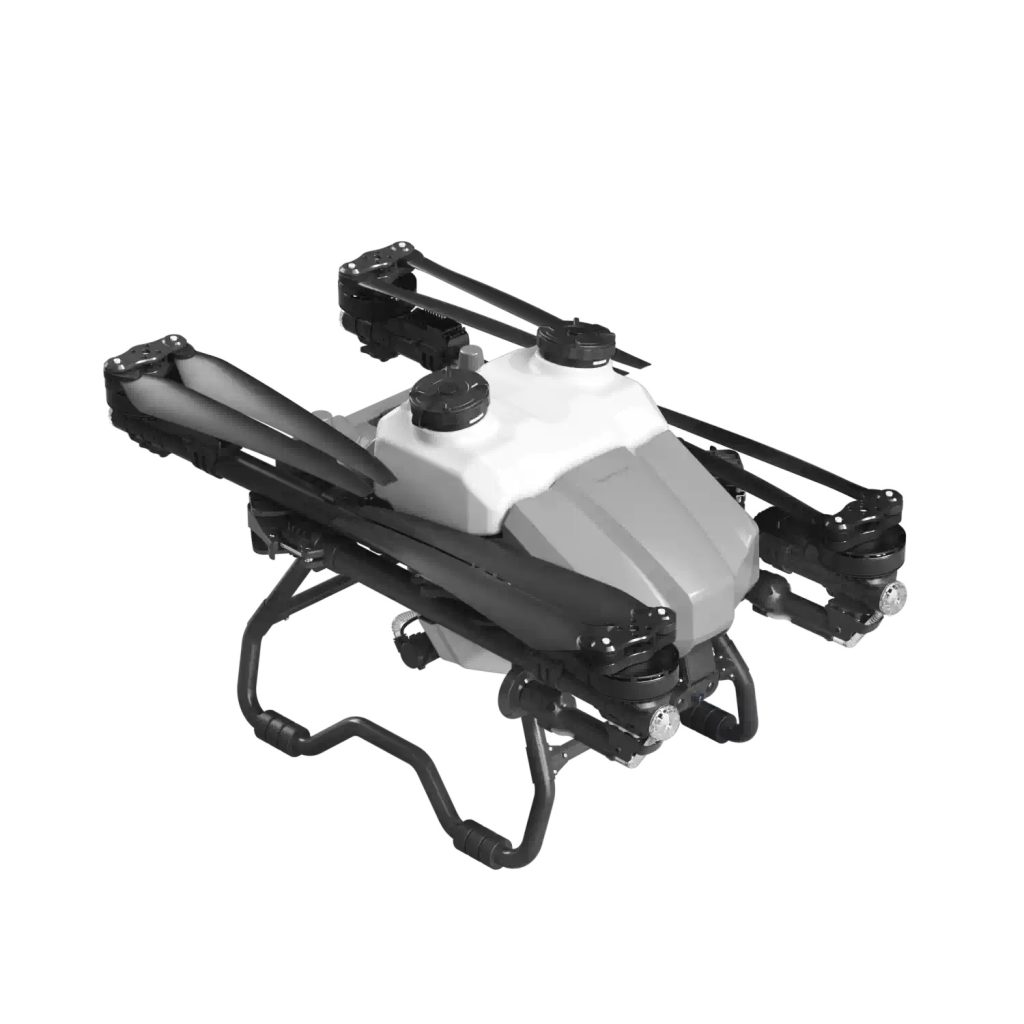
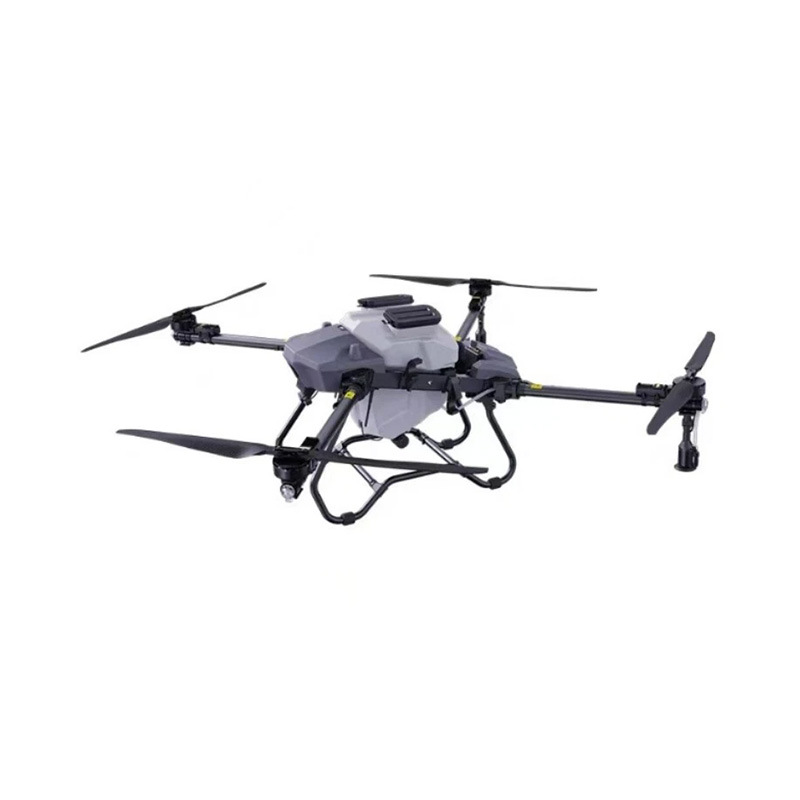
Agriculture is no longer a one-size-fits-all industry. Different countries, climates, crop types, and farming scales require different solutions. This is exactly where OEM (Original Equipment Manufacturer) and ODM (Original Design Manufacturer) agricultural drones become highly valuable.
Instead of using a standard drone model, farmers and distributors can customize agricultural drones to match local farming conditions, crop protection needs, and operational environments. But how far can this customization go, and what can actually be adjusted?
What Are OEM and ODM Agricultural Drones?
Before discussing customization, it’s important to understand the difference:
- OEM agricultural drones: The manufacturer produces drones based on your specifications, branding, or technical requirements.
- ODM agricultural drones: The manufacturer designs and builds drones that can be rebranded or slightly modified for your market.
Both options allow businesses to create drones tailored for specific agricultural environments rather than relying on generic models.
Why Customization Matters in Agriculture
Farming conditions vary dramatically around the world:
- Rice fields in Southeast Asia require low-altitude, high-humidity spraying systems
- Large wheat farms in Europe need wide-area coverage and long flight time
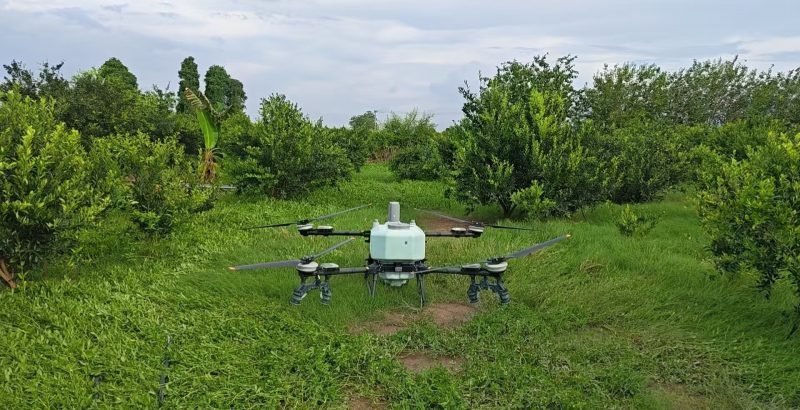
- Vineyards in France or Chile require precision spraying and narrow-row navigation
- Tropical farms require corrosion-resistant materials due to humidity and pesticides
A standard drone may not perform efficiently across all these conditions. Customization solves this gap.
Key Customization Options for Agricultural Drones
OEM/ODM agricultural drones can be adapted in several important ways:
1. Spray System Configuration
Different crops require different spraying volumes and droplet sizes.
- Adjustable nozzles (fine mist vs heavy droplets)
- Variable flow rate pumps
- Anti-drip systems for precision spraying
2. Battery and Flight Time Optimization
Farm size determines endurance needs.
- High-capacity lithium batteries for large farms
- Quick-swap battery systems for continuous operation
- Energy-efficient motors for extended flight time
For example, brands like msoen agricultural drones often focus on modular battery systems for professional farming use.
3. Payload Capacity
Different crops and pesticides require different load capacities:
- Small farms: 10–20L tanks
- Medium farms: 20–30L tanks
- Large-scale farms: 30–50L or more industrial drones
4. GPS and Navigation Systems
Local terrain and regulations may require advanced positioning:
- RTK high-precision GPS for centimeter-level accuracy
- Terrain-following radar for hilly farms
- Obstacle avoidance systems for orchards and forests
5. Weather Resistance and Materials
Environmental conditions are critical:
- Waterproof and dustproof design (IP67 or higher)
- UV-resistant materials for tropical regions
- Anti-corrosion coatings for chemical-heavy environments
6. Software and Control Interface
Software can be localized for better usability:
- Multi-language control apps
- Region-specific flight restrictions
- Automated crop mapping and AI spraying routes
- Integration with farm management systems
OEM/ODM Advantages for Agricultural Businesses
Choosing customized drones provides several business advantages:
- Stronger market competitiveness
- Better adaptation to local farming needs
- Higher efficiency and lower pesticide waste
- Easier branding for distributors and dealers
- Faster market entry with ODM solutions
For drone exporters, OEM/ODM also helps build long-term partnerships with agricultural equipment distributors and cooperatives.
Who Should Choose OEM/ODM Agricultural Drones?
Customization is especially useful for:
- Agricultural drone distributors
- Government agriculture programs
- Large farming cooperatives
- Precision agriculture startups
- OEM/ODM brand builders targeting local markets
Real-World Application Example
In Southeast Asia, rice farming requires drones that:
- Operate in high humidity
- Handle flooded field conditions
- Spray low-height crops with precision
- Perform repeated daily operations with fast battery replacement
In contrast, European vineyards require:
- Narrow-row navigation
- Gentle spraying control
- High-precision GPS mapping
OEM/ODM customization allows a single manufacturer to serve both markets with different configurations.
Challenges of Custom Agricultural Drone Development
While customization is powerful, it also comes with challenges:
- Higher initial R&D cost
- Longer development time
- Need for accurate local market data
- Regulatory compliance differences across countries
However, these challenges are usually outweighed by long-term market success.
FAQ: OEM/ODM Agricultural Drones
1. Can I fully design my own agricultural drone?
Yes. OEM allows full customization, including structure, software, and branding, depending on manufacturer capability.
2. What is the minimum order quantity (MOQ)?
It varies by factory, but ODM models usually have lower MOQs compared to full OEM development.
3. Are customized drones more expensive?
Initial cost is higher, but per-unit cost decreases with volume and market scalability.
4. Can I add my own brand logo?
Yes, branding is one of the main benefits of OEM/ODM drone manufacturing.
5. How long does development take?
Simple ODM customization may take 2–4 weeks, while full OEM development can take several months.
Conclusion
OEM and ODM agricultural drones are not just customizable—they are essential for modern precision farming. By adapting spray systems, flight control, payload, and software to local conditions, agricultural drones become significantly more efficient and profitable.
For brands and distributors entering the smart farming industry, working with a flexible OEM/ODM manufacturer like msoen can be a strategic advantage in building a competitive agricultural drone product line.


No comments yet