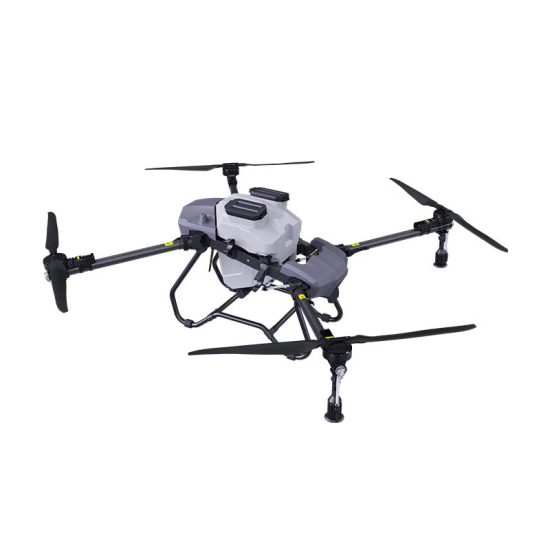


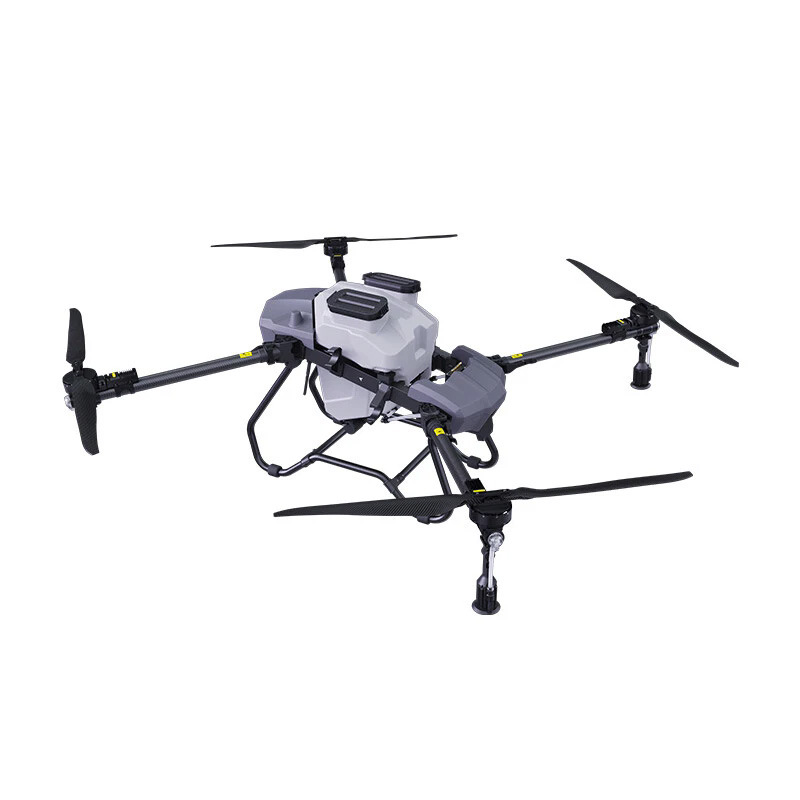
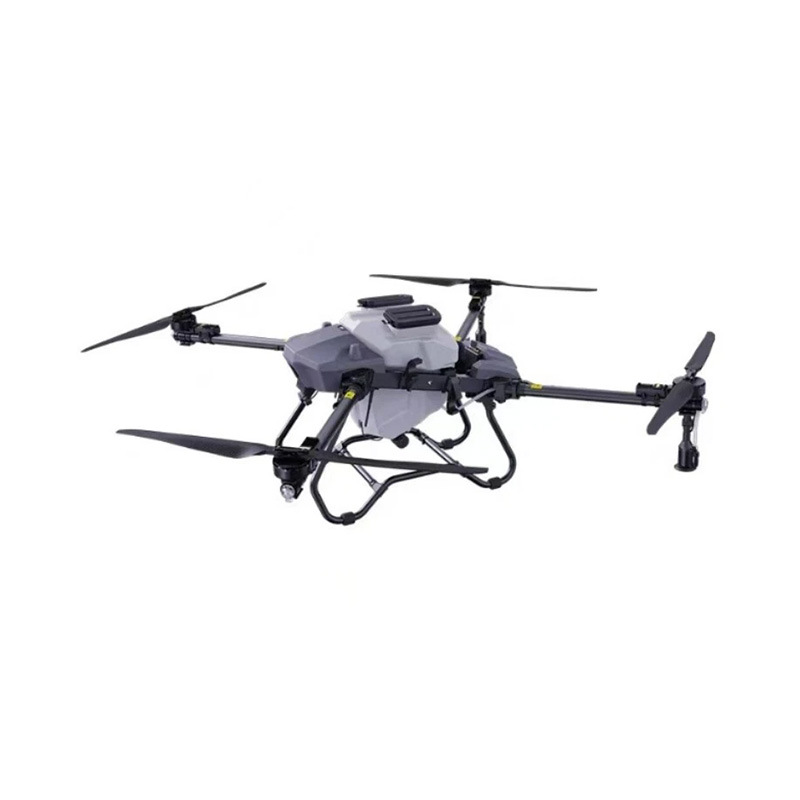
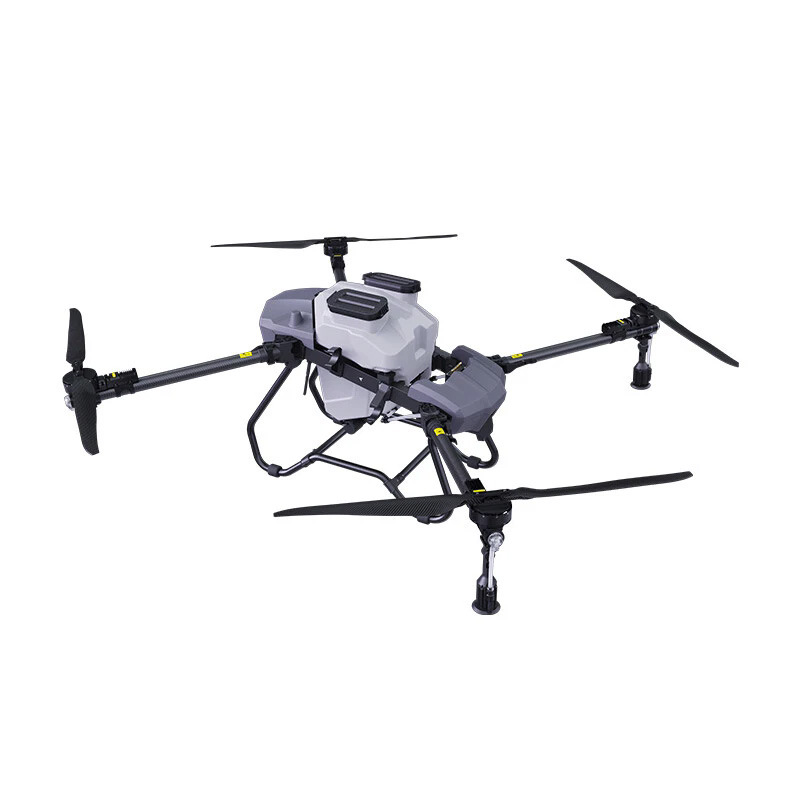
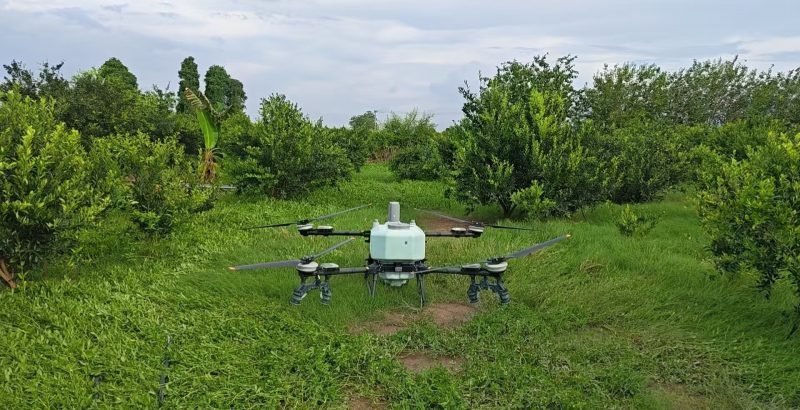
Orchard management comes with unique spraying challenges. Unlike open farmland, orchards often contain uneven terrain, dense tree coverage, narrow spaces, and difficult-to-reach growing areas. These conditions can make traditional spraying slow, labor-intensive, and difficult to manage.
For orchard owners looking to improve efficiency and simplify crop protection, agricultural drones are increasingly becoming a practical spraying solution.
Why Orchard Spraying Is More Difficult Than Field Crops
Spraying orchards is different from spraying rice, wheat, or open agricultural land.
Fruit farms and orchards often face challenges such as:
- Trees with different heights and canopy density
- Narrow operating spaces between rows
- Sloped or uneven land conditions
- Limited access for large machinery
- High labor requirements during spraying seasons
When spraying schedules become delayed, orchard operations may face higher labor pressure and reduced management efficiency.
Common Problems with Traditional Orchard Spraying
Many orchard operators still rely on manual spraying or ground-based equipment.
However, traditional methods may create several operational problems:
Difficult Access Between Trees
Large equipment may struggle in narrow orchard pathways, especially in high-density planting areas.
High Labor Requirements
Orchard spraying often requires multiple workers and longer operation times, increasing labor costs during busy periods.
Uneven Spray Coverage
Dense branches and tree structures can make consistent spraying more difficult, especially when operators cannot easily reach upper or hidden areas.
Challenges on Sloped Land
Many orchards are located on hillsides or uneven terrain where heavy machinery is less practical.
How Agricultural Drones Help Orchard Spraying
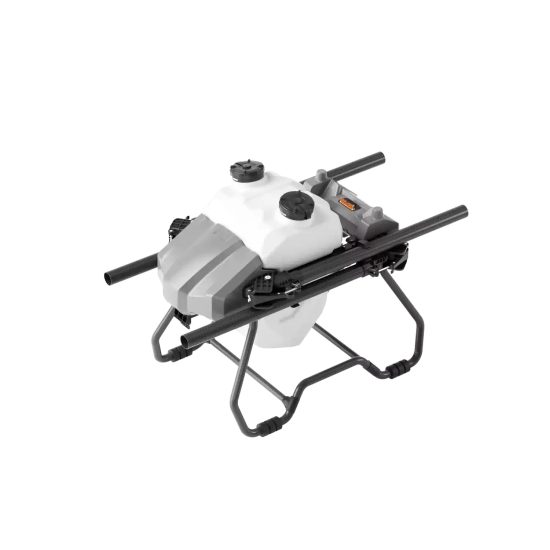
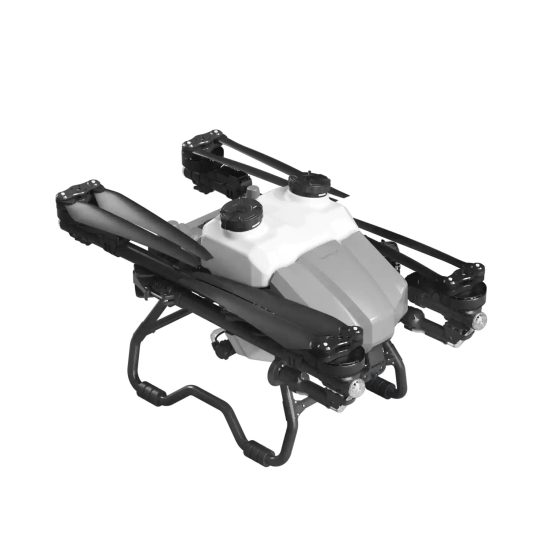
Agricultural drones provide orchard owners with a more flexible way to manage spraying operations.
1. Better Access to Hard-to-Reach Areas
Drones fly above trees and can help operators manage spraying in areas where traditional machinery struggles.
This is especially useful for orchards with dense planting layouts or uneven landscapes.
2. Improve Operational Efficiency
Spraying large orchards manually may require significant time.
Agricultural drones help complete operations faster, allowing growers to organize crop management more efficiently.
3. Reduce Labor Dependence
Finding workers for orchard spraying can be difficult during peak agricultural seasons.
Drone spraying may help reduce labor pressure and simplify day-to-day orchard operations.
4. Minimize Ground Disturbance
Heavy machinery moving between orchard rows may damage soil conditions or make field movement difficult.
Drones reduce direct ground contact, supporting more flexible operation.
5. More Flexible Seasonal Management
Weather changes, pest pressure, and seasonal crop protection often require timely spraying.
Agricultural drones help orchard operators respond faster when field conditions require action.
What Makes a Good Orchard Spraying Drone?
Not every agricultural drone is suitable for orchard spraying.
Before selecting equipment, orchard owners should consider:
Stable Flight Performance
Reliable flight helps support spraying consistency around trees and uneven environments.
Flexible Operation
Orchard conditions may require drones that are practical to operate in tighter spaces.
Suitable Payload Capacity
Different orchard sizes may require different spraying capacities.
Easy Maintenance
Reliable spare parts and maintenance support help reduce downtime during busy harvest periods.
User-Friendly Operation
Simple systems may help reduce training time for operators.
Which Orchards Can Benefit from Agricultural Drones?
Drone spraying may be useful for:
- Citrus orchards
- Apple orchards
- Mango plantations
- Vineyard operations
- Tea plantations
- Commercial fruit farms with uneven terrain
For many orchard managers, drones are becoming an operational tool that supports more efficient crop protection planning.
Final Thoughts
Orchard spraying often involves challenges that are difficult to solve using traditional methods alone.
Agricultural drones offer a practical way to improve spraying efficiency, access difficult areas, reduce labor pressure, and simplify orchard management.
As orchard operations become more efficiency-focused, drone spraying is becoming an increasingly valuable part of modern agricultural planning.
FAQ
1. Are agricultural drones suitable for orchard spraying?
Yes. Agricultural drones are commonly used in orchards because they can operate in uneven terrain and hard-to-reach areas.
2. Can drones spray tall fruit trees?
Yes. Drone spraying can support orchard operations involving trees with different heights and dense planting areas.
3. Do orchard drones reduce labor requirements?
In many situations, drones may help reduce labor pressure during busy spraying seasons.
4. Can agricultural drones work on hills or uneven land?
Yes. Drones are often suitable for orchards located on sloped or uneven terrain where machinery access is limited.
5. What should orchard owners consider before buying a spraying drone?
Important considerations include flight stability, spraying efficiency, payload capacity, maintenance support, and suitability for orchard conditions.


No comments yet