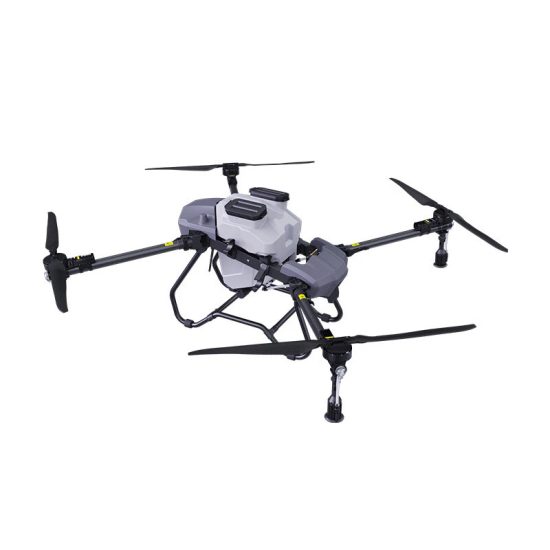


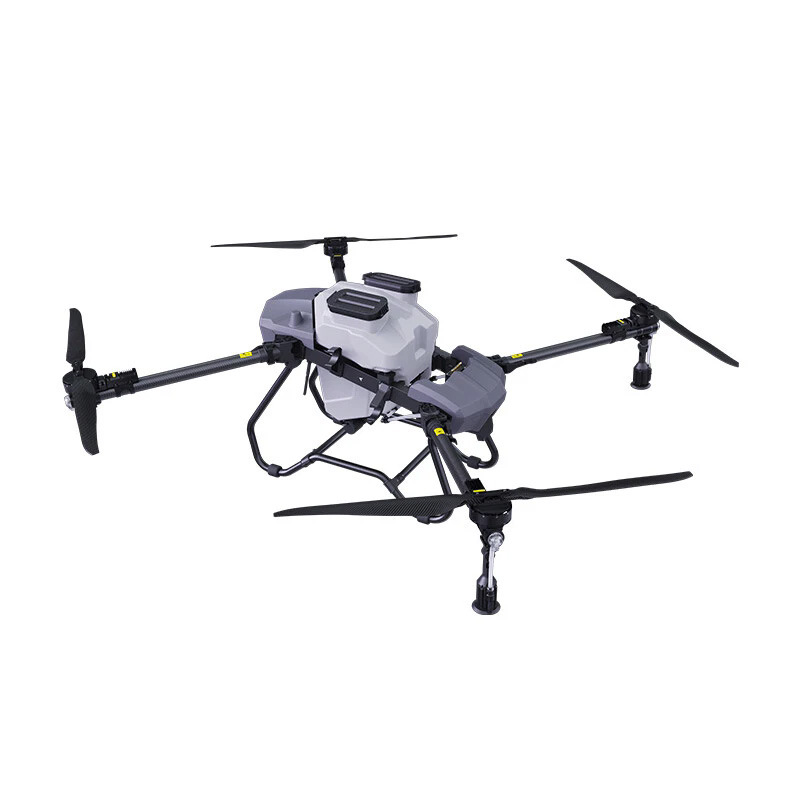

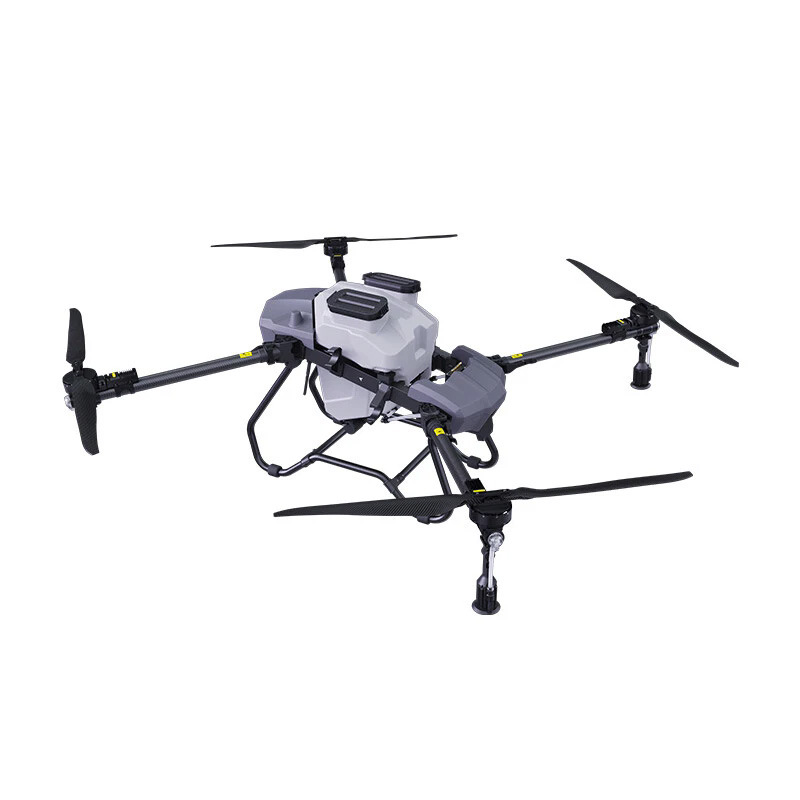
Agricultural drones are becoming an essential tool for modern farming. They help improve spraying efficiency, reduce labor pressure, optimize chemical application, and increase operational productivity.
However, many farm owners and agricultural businesses make costly mistakes when purchasing their first spraying drone.
Some buyers choose drones based only on price. Others purchase oversized equipment without understanding field conditions. In many cases, these mistakes result in lower productivity, expensive maintenance, or operational downtime.
Before investing in an agricultural drone, understanding what to avoid can save money and improve long-term efficiency.
This guide explains the 10 most common mistakes farm owners should avoid before buying an agricultural drone.
Mistake 1: Buying Based Only on Price
One of the most common mistakes is selecting the cheapest agricultural drone available.
A lower price may look attractive initially, but it often creates problems later.
Cheap products may involve:
- Lower component quality
- Weak spraying performance
- Limited technical support
- Poor spare parts availability
- Shorter service life
Instead of asking:
“Which drone is cheapest?”
A better question is:
“Which drone delivers long-term value?”
Lower downtime and higher productivity often matter more than purchase price.
Mistake 2: Choosing the Wrong Drone Size
Many buyers assume:
“Bigger is better.”
Others choose smaller drones to reduce investment cost.
Both approaches can create problems.
A drone that is too small may require:
- Frequent refilling
- More battery changes
- Longer operating hours
A drone that is too large may:
- Increase maintenance cost
- Require larger batteries
- Become harder to transport
The correct drone size depends on:
- Farm acreage
- Crop type
- Daily spraying workload
- Field layout
Matching drone capacity to operational needs improves efficiency.
Mistake 3: Ignoring Battery Performance
Battery systems directly affect spraying productivity.
Some buyers focus only on drone specifications and ignore:
- Charging time
- Battery lifespan
- Replacement availability
- Charging system compatibility
Poor battery planning often causes operational delays.
For commercial farms, downtime during charging can significantly reduce productivity.
Choosing intelligent battery systems and proper charging solutions improves workflow efficiency.
Mistake 4: Ignoring Crop Type and Farming Conditions
Different crops require different spraying approaches.
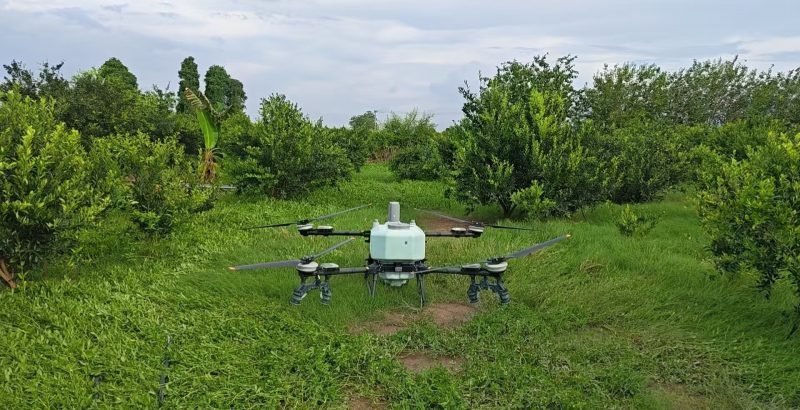
Rice fields, wheat farms, orchards, and corn fields often have very different requirements.
For example:
Rice farms may prioritize:
- Stable spraying
- Wet-environment performance
Orchards may require:
- Terrain following
- Obstacle avoidance
Corn farms may need:
- Better spray penetration
- Stable flight performance
Choosing generic configurations without considering crop conditions may reduce spraying effectiveness.
Mistake 5: Not Understanding Spare Parts Availability
Agricultural drones are working machines.
Parts eventually wear out.
Many buyers forget to ask:
“What happens when maintenance is needed?”
Without spare parts support, small failures may stop operations during important farming periods.
Before purchasing, ask suppliers about:
- Motor replacement
- Pump availability
- Spray nozzle systems
- Battery replacement support
Reliable spare parts systems reduce downtime.
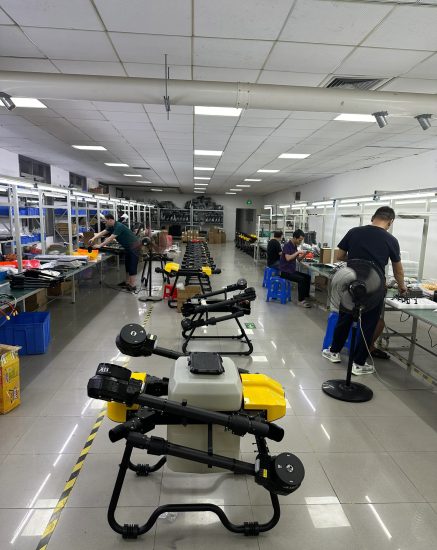
Mistake 6: Choosing Suppliers Without Agricultural Experience
Not all drone suppliers understand farming applications.
Some companies mainly focus on recreational or camera drones.
Agricultural drones operate under demanding conditions such as:
- Dust
- Mud
- Fertilizer exposure
- Water contact
- Long working hours
A supplier with agricultural experience should understand:
- Spraying systems
- Crop conditions
- Maintenance requirements
- Battery management
Professional experience matters.
Mistake 7: Ignoring OEM and Customization Options
Different markets often require different configurations.
Farming requirements vary depending on:
- Country
- Crop type
- Terrain
- Weather
OEM customization may include:
- Spray systems
- Payload adjustment
- Software language
- Branding
- Battery systems
Custom solutions often improve local market suitability.
Mistake 8: Forgetting Maintenance Costs
Some buyers focus only on purchase cost and ignore ownership cost.
Maintenance expenses may include:
- Spare parts
- Batteries
- Pump systems
- Motor replacement
- Technical support
Long-term operating cost matters more than short-term savings.
Choosing a durable and maintainable drone often reduces total ownership cost.
Mistake 9: Ignoring Operator Training
Even advanced agricultural drones require skilled operation.
Poor operation may cause:
- Hard landings
- Spray waste
- Route inefficiency
- Equipment wear
Basic operator training improves:
- Flight safety
- Spraying consistency
- Equipment lifespan
Training helps reduce avoidable downtime.
Mistake 10: Buying Without Defining Farm Needs
Many buyers purchase drones before clearly understanding operational goals.
Before purchasing, ask:
- How much land needs spraying daily?
- What crops are being managed?
- What spraying efficiency is required?
- What budget is realistic for long-term operation?
- What level of automation is needed?
Clear planning reduces expensive mistakes.
How to Choose the Right Agricultural Drone
Before buying, focus on:
- Farm size
- Crop type
- Payload requirements
- Battery system efficiency
- Spare parts support
- Supplier experience
- OEM customization capability
- Technical support availability
A well-matched drone improves productivity while reducing unnecessary expenses.
Why Working With a Professional Agricultural Drone Manufacturer Matters
Professional manufacturers do more than sell drones.
They help customers:
- Match products to farming needs
- Improve spraying efficiency
- Reduce downtime risks
- Customize drone systems
- Provide spare parts support
- Improve long-term operational performance
At MSOEN, we provide professional agricultural drone manufacturing, OEM & ODM customization, spraying drone systems, intelligent battery solutions, technical support, and customized UAV solutions for farms, distributors, and agricultural businesses worldwide.
Whether you manage rice farms, wheat farms, orchards, corn fields, or agricultural service operations, choosing the right agricultural drone starts with avoiding costly purchasing mistakes.
FAQ
What is the biggest mistake when buying an agricultural drone?
Choosing based only on price is one of the biggest mistakes because long-term productivity and maintenance costs matter more.
Is a bigger agricultural drone always better?
No. Drone size should match farm acreage, crop type, and spraying requirements.
Why is battery performance important?
Battery systems directly affect spraying productivity, downtime, and operational cost.
Can agricultural drones be customized?
Yes. OEM and ODM services may include payload adjustment, spray systems, software localization, and branding.
Why should I care about spare parts availability?
Agricultural drones require maintenance. Fast access to replacement parts helps reduce downtime.
How do I choose a reliable agricultural drone supplier?
Look for manufacturers with agricultural experience, customization capability, technical support, quality systems, and stable spare parts support.
Contact Us
Looking for reliable agricultural drones designed for real farming operations?
MSOEN provides professional agricultural drone manufacturing, OEM & ODM customization, spraying drone systems, intelligent battery solutions, and customized UAV support for modern agriculture worldwide.


No comments yet