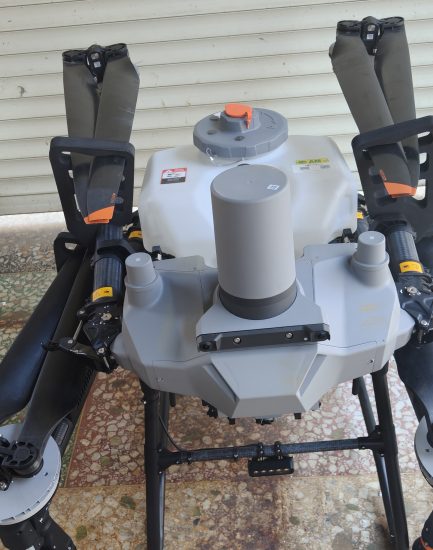




Agriculture is entering a new era of digital transformation. With the increasing demand for higher productivity, lower operating costs, and sustainable farming methods, agricultural drones are becoming an important technology for modern agriculture.
From crop spraying and field monitoring to intelligent data analysis, drones are helping farmers improve efficiency and make better decisions. As drone technology continues to develop, future farming will become more automated, precise, and intelligent.
This article explores the latest agricultural drone technology trends and how these solutions are shaping the future of global farming.
1. The Growth of Precision Agriculture
Precision agriculture is one of the biggest trends in modern farming.
Traditional farming methods often rely on experience and manual operations. However, precision agriculture uses advanced technologies to collect and analyze farmland data.
Agricultural drones support precision farming by providing:
- Accurate crop monitoring
- Targeted spraying
- Field data collection
- Resource management
By applying the right amount of water, fertilizer, and pesticides in the right areas, farmers can improve productivity while reducing waste.
2. Intelligent Autonomous Flight Technology
Future agricultural drones will become more intelligent and easier to operate.
Advanced flight systems are improving features such as:
- Automatic route planning
- Obstacle avoidance
- Smart navigation
- Automated takeoff and landing
- Real-time flight monitoring
These technologies allow farmers with less technical experience to operate drones more efficiently.
Automation will help reduce labor dependence and improve large-scale farming operations.
3. AI-Powered Crop Analysis
Artificial intelligence is becoming an important part of agricultural drone technology.
AI systems can analyze images and data collected by drones to identify:
- Crop growth conditions
- Plant diseases
- Pest problems
- Water stress
- Nutrient deficiencies
With AI assistance, farmers can detect problems earlier and take action before crop losses increase.
This creates a smarter decision-making system for modern agriculture.
4. More Efficient Spraying Systems
Spraying technology continues to improve as farmers demand higher accuracy and lower resource consumption.
Future agricultural drones will provide:
- More precise spray control
- Better coverage
- Reduced chemical usage
- Improved environmental protection
Advanced spraying systems can adjust application rates according to crop conditions, helping farmers save costs and improve crop health.
5. Longer Battery Life and Better Energy Solutions
Battery technology is a key factor affecting drone operation efficiency.
Future developments will focus on:
- Longer flight endurance
- Faster charging systems
- Safer battery designs
- Higher energy density
Improved battery performance will allow drones to cover larger farming areas with fewer interruptions.
For commercial farms, better energy solutions mean higher daily productivity.
6. Integration With Smart Farming Systems
Agricultural drones will increasingly work together with other smart farming technologies.
Future farming systems may combine:
- Drone technology
- Agricultural sensors
- Cloud platforms
- Farm management software
- Data analysis systems
This integration allows farmers to monitor and manage farmland more efficiently.
7. Sustainable Farming Applications
Environmental protection is becoming a major focus worldwide.
Agricultural drones support sustainable farming by helping:
- Reduce pesticide usage
- Lower water consumption
- Improve fertilizer efficiency
- Minimize environmental impact
More accurate farming methods can help protect natural resources while maintaining high crop production.
8. Increasing Global Demand for Agricultural Drones
The demand for agricultural drones is expected to continue growing as more countries adopt smart farming solutions.
Key markets include:
- Large-scale farms
- Agricultural companies
- Farming cooperatives
- Government agriculture projects
As technology becomes more affordable, agricultural drones will become accessible to more farmers worldwide.
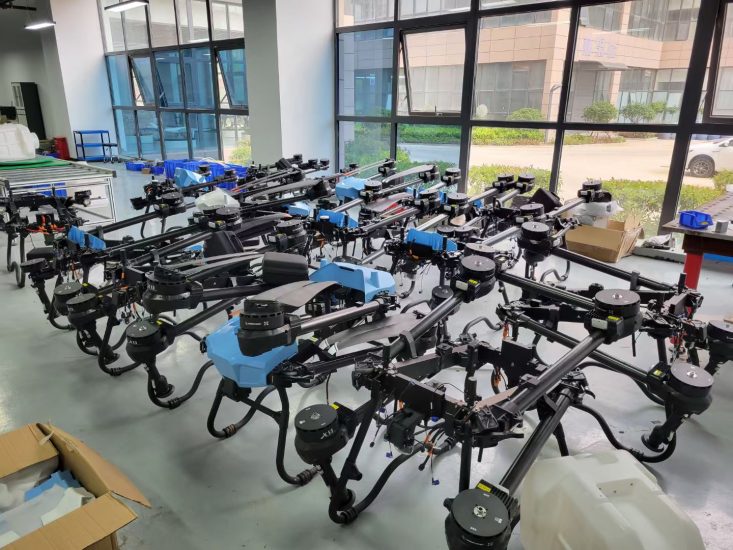
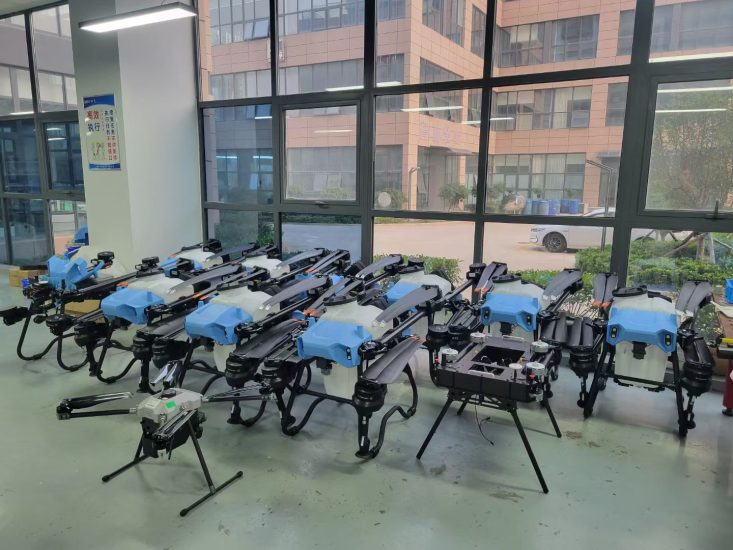
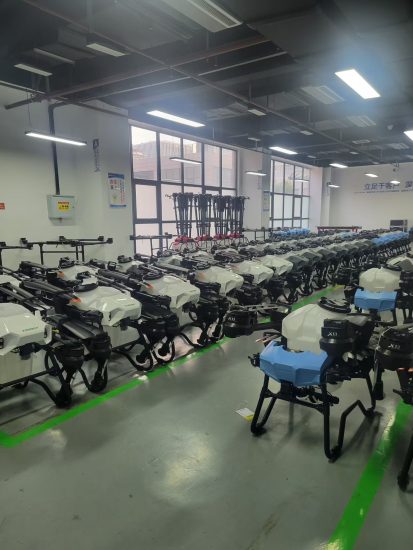
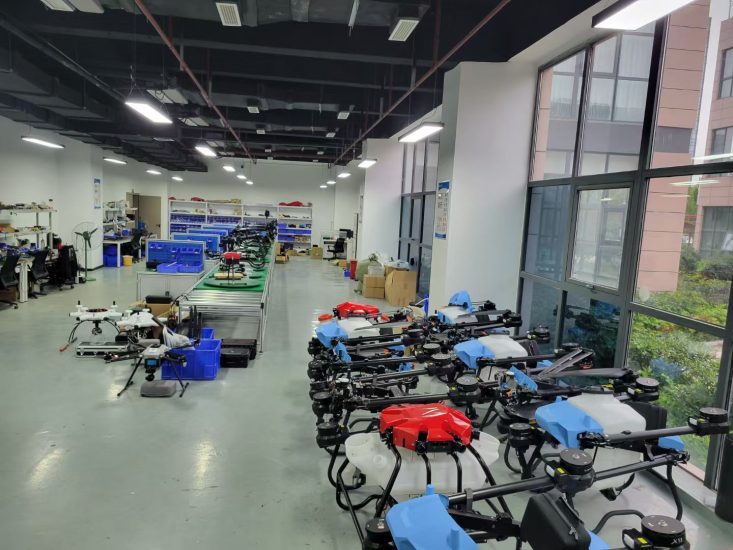
9. The Future of Agricultural Drone Manufacturing
Drone manufacturers are focusing on developing products with:
- Higher reliability
- Easier maintenance
- Better software systems
- Flexible customization options
For international buyers, choosing manufacturers with strong research and production capabilities will become increasingly important.
OEM and customized drone solutions will also provide more opportunities for distributors and agricultural businesses.
Frequently Asked Questions (FAQ)
Q1: What is the future of agricultural drones?
The future of agricultural drones includes more automation, AI technology, improved batteries, and integration with smart farming systems.
Q2: How can drones improve future farming?
Drones help farmers increase efficiency through precision spraying, crop monitoring, data analysis, and automated operations.
Q3: Will agricultural drones replace traditional farming equipment?
Agricultural drones will not completely replace all farming equipment, but they will become an important tool for improving farming efficiency.
Q4: Are agricultural drones suitable for small farms?
Yes. Different drone models can be selected according to farm size, crop type, and operation requirements.
Q5: What technologies will influence agricultural drones in the future?
Key technologies include artificial intelligence, autonomous flight, smart sensors, cloud data systems, and advanced battery solutions.
Conclusion
Agricultural drone technology is creating new possibilities for the future of farming. With advances in automation, artificial intelligence, precision spraying, and smart agriculture systems, drones will continue to improve agricultural efficiency and sustainability.
For global farming businesses and agricultural technology buyers, investing in reliable drone solutions can help achieve smarter operations and stronger competitiveness in the future agricultural market.


No comments yet