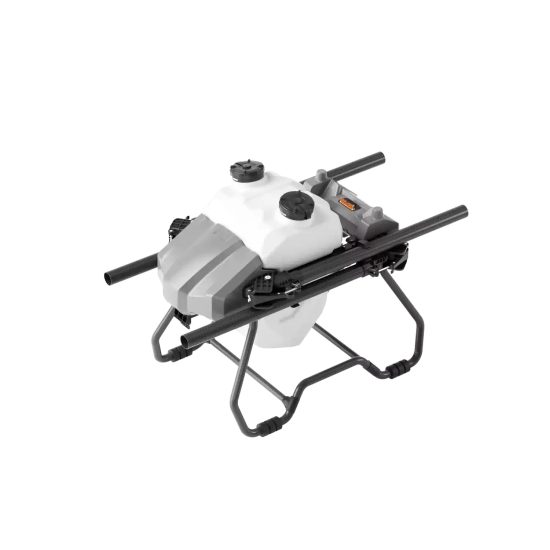



Agricultural drones have transformed modern farming by making crop spraying faster, safer, and more precise. However, achieving excellent spraying results depends on more than simply flying over the field. Proper planning, calibration, and operation are essential to maximize coverage while reducing pesticide waste.
This guide explains practical techniques to help you improve spraying efficiency and protect both crops and the environment.
Why Spraying Accuracy Matters
Accurate spraying provides several important benefits:
- Better pest and disease control
- Reduced pesticide consumption
- Lower operating costs
- More uniform crop protection
- Less environmental contamination
- Higher crop yields
Even a high-performance agricultural drone cannot deliver good results without proper spraying practices.
1. Select the Correct Flight Height
Flying too high causes spray drift, while flying too low may create uneven coverage.
Recommended Practice:
- Follow the manufacturer’s recommended spraying height.
- Maintain a consistent altitude throughout the flight.
- Use terrain-following functions on uneven farmland whenever available.
2. Adjust Flight Speed
Flying too fast reduces spray coverage, while flying too slowly wastes time and chemicals.
Tips:
- Match flight speed to the crop type.
- Reduce speed for dense crops.
- Increase speed only when recommended for open fields.
Maintaining a steady speed helps ensure even application.
3. Choose the Right Nozzles
Different crops require different droplet sizes.
General Guidelines:
- Fine droplets provide better coverage but are more susceptible to wind drift.
- Larger droplets reduce drift and are suitable for windy conditions.
Replace worn or blocked nozzles regularly to maintain consistent spray patterns.
4. Monitor Weather Conditions
Weather has a major impact on spraying performance.
Avoid spraying when:
- Wind speeds are too high.
- Rain is expected shortly after spraying.
- Temperatures are extremely high.
- Humidity is very low.
Early morning or late afternoon often provides better spraying conditions.
5. Calibrate the Spraying System
Before every operation:
- Check nozzle output.
- Inspect hoses for leaks.
- Verify pump performance.
- Confirm the correct flow rate.
- Test spray patterns.
Proper calibration improves accuracy and minimizes chemical waste.
6. Plan Efficient Flight Routes
Intelligent route planning improves efficiency.
Benefits include:
- Complete field coverage
- Reduced overlapping
- Lower battery consumption
- Less chemical waste
- Faster operation
Most modern agricultural drones support automatic route planning.
7. Maintain Consistent Spray Pressure
Stable pressure ensures uniform droplet size throughout the operation.
Regularly inspect:
- Spray pump
- Pressure sensors
- Filters
- Pipelines
Any blockage or leak should be repaired immediately.
8. Clean the Spraying System After Every Operation
Chemical residue can block nozzles and damage components.
After spraying:
- Empty the tank completely.
- Flush the entire spraying system with clean water.
- Clean filters and nozzles.
- Dry the equipment before storage.
Routine cleaning extends equipment life and improves future spraying performance.
Common Mistakes to Avoid
Many spraying problems result from simple operator errors.
Avoid:
- Flying too high
- Flying too fast
- Spraying in strong winds
- Using damaged nozzles
- Overlapping flight paths excessively
- Ignoring equipment maintenance
- Operating with low battery levels
Frequently Asked Questions (FAQ)
What is the best time of day to spray crops?
Early morning and late afternoon are generally preferred because wind speeds are often lower and evaporation is reduced.
How can I reduce pesticide waste?
Use the correct flight height, maintain consistent speed, calibrate the spraying system, and avoid spraying during windy conditions.
Why are some areas receiving too much pesticide?
Possible causes include overlapping flight paths, incorrect nozzle selection, excessive spray pressure, or improper flight speed.
Should I clean the drone after every spraying job?
Yes. Cleaning the spraying system after each operation prevents chemical buildup, protects components, and maintains spraying accuracy.
Final Thoughts
Efficient agricultural spraying requires more than advanced drone technology—it also depends on proper operating practices. By selecting the correct flight height, maintaining steady speed, monitoring weather conditions, calibrating the spraying system, and following a regular maintenance routine, you can achieve better crop coverage, reduce pesticide waste, and improve overall farming productivity. Proper spraying techniques not only save money but also support more sustainable and environmentally responsible agriculture.


No comments yet