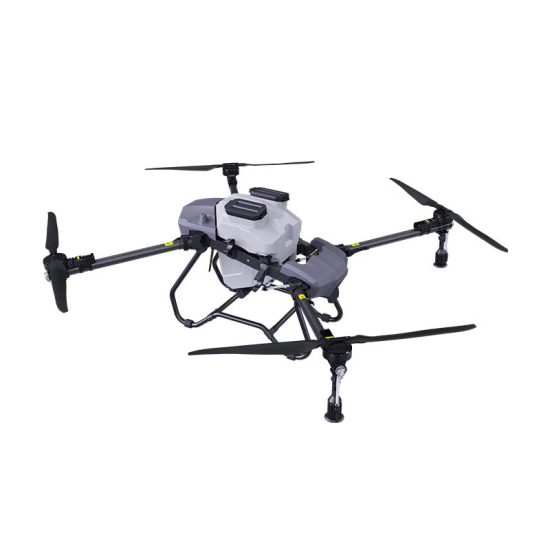


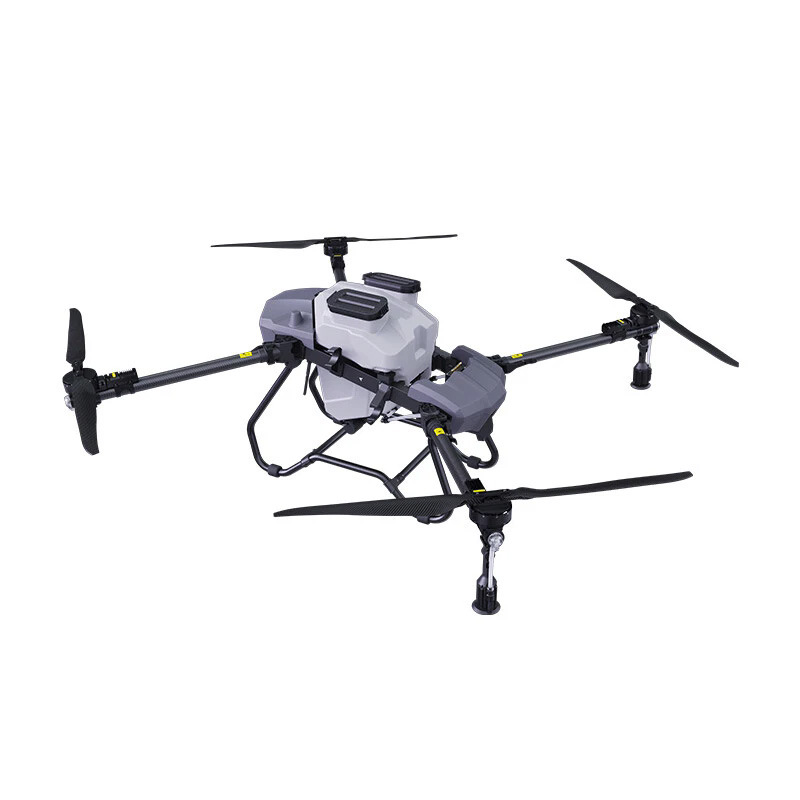
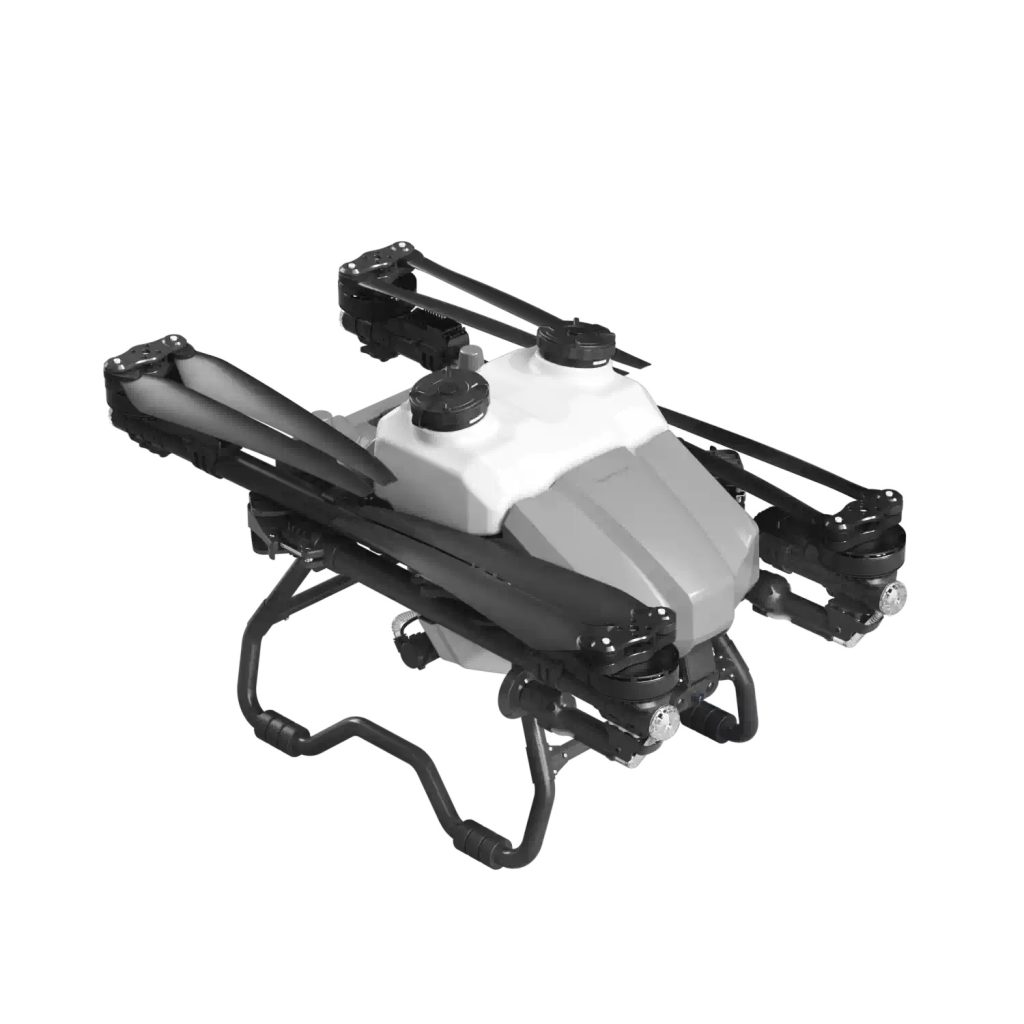
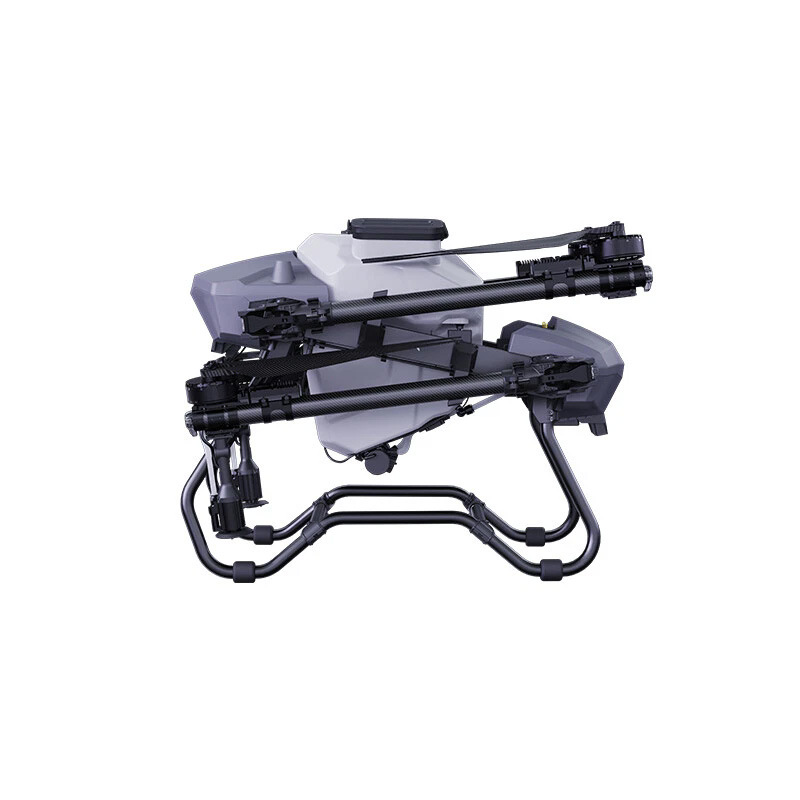
Regular maintenance is important for keeping agricultural drones operating safely and efficiently. A well-maintained drone can improve spraying accuracy, reduce unexpected downtime, extend equipment lifespan, and support stable performance during farming operations.
This guide explains essential agricultural drone maintenance practices to help operators improve reliability and reduce repair risks.
Why Agricultural Drone Maintenance Matters
Routine maintenance helps:
- Improve flight safety
- Extend equipment lifespan
- Reduce repair costs
- Improve spraying efficiency
- Prevent unexpected system failure
- Maintain stable flight performance
Ignoring routine maintenance may lead to poor spraying results, unstable flight, or costly repairs.
1. Clean the Drone After Every Operation
Agricultural drones often work in dusty, wet, or chemical-heavy environments. Cleaning after every mission helps protect key components.
Areas to inspect and clean:
- Drone frame
- Propellers
- Landing gear
- Motors and motor surfaces
- Spraying system components
- Tank and hose areas
Removing dirt and chemical residue can help reduce long-term wear.
2. Inspect Propellers Regularly
Propellers affect flight balance and stability.
Before and after operation, inspect:
- Cracks or damage
- Loose installation
- Uneven wear
- Dirt buildup
Damaged propellers may increase vibration and reduce flight safety.
3. Check Battery Health Frequently
Battery condition directly affects flight time and operational reliability.
Battery inspection checklist:
- Battery securely installed
- No swelling or visible damage
- Connectors clean
- Charging performance normal
- Temperature stable
Good battery care improves operational efficiency.
4. Maintain the Spraying System
The spraying system should be inspected routinely for stable performance.
Check:
- Spray nozzles for blockage
- Pump system operation
- Hose connections
- Liquid tank condition
- Leakage problems
Cleaning after every spraying task helps improve consistency.
5. Inspect Motors and Moving Parts
Motors support stable flight and spraying operations.
Watch for:
- Abnormal vibration
- Unusual sound
- Dirt accumulation
- Loose mounting
Early inspections may help avoid expensive repairs.
6. Verify GPS and Flight System Performance
Positioning accuracy is important for agricultural tasks.
Regularly inspect:
- GPS signal stability
- Sensor condition
- Flight controller response
- Navigation accuracy
Unexpected flight behavior may indicate system inspection is needed.
7. Tighten Screws and Structural Components
Agricultural drones may experience vibration during repeated operations.
Inspect:
- Arm connections
- Landing gear
- Structural fasteners
- Mounting brackets
Loose parts may affect flight safety.
8. Perform Routine Pre-Flight Inspections
Before every operation, check:
- Battery level
- Propeller condition
- GPS signal
- Controller connection
- Spraying system function
- Frame stability
A short inspection may reduce operational risk significantly.
9. Store the Drone Properly
Storage conditions affect long-term equipment health.
Recommended storage tips:
- Store in a dry and clean area
- Avoid excessive humidity
- Keep away from direct sunlight
- Remove liquid from the tank after use
- Store batteries safely
Good storage practices help reduce wear.
10. Keep Maintenance Records
Recording maintenance history helps track equipment performance.
Useful information to record:
- Cleaning schedule
- Battery condition
- Parts replacement
- Calibration dates
- Operational problems
Maintenance records can help identify patterns and prevent recurring issues.
Common Drone Maintenance Mistakes
Avoid these common mistakes:
- Skipping cleaning after spraying
- Ignoring small cracks or loose parts
- Flying with damaged propellers
- Delaying battery inspections
- Forgetting calibration checks
Small maintenance problems may become expensive repairs later.
Daily Agricultural Drone Maintenance Checklist
Before operation, confirm:
✓ Propellers inspected
✓ Battery charged and healthy
✓ GPS stable
✓ Spray system functioning
✓ Frame secure
✓ Controller connected normally
Routine inspection supports safe and efficient operation.
FAQ
How often should agricultural drones be cleaned?
Cleaning after every operation is recommended, especially after spraying work.
Why is maintenance important for agricultural drones?
Routine maintenance helps improve safety, reduce downtime, and extend equipment lifespan.
How do I know if a drone needs maintenance?
Poor flight stability, unusual noise, short flight time, or spraying issues may indicate maintenance is required.
Should I inspect the drone before every flight?
Yes. A quick inspection before operation helps reduce safety risks.
How can I make my agricultural drone last longer?
Regular cleaning, proper battery care, routine inspection, and correct storage practices can help extend service life.


No comments yet