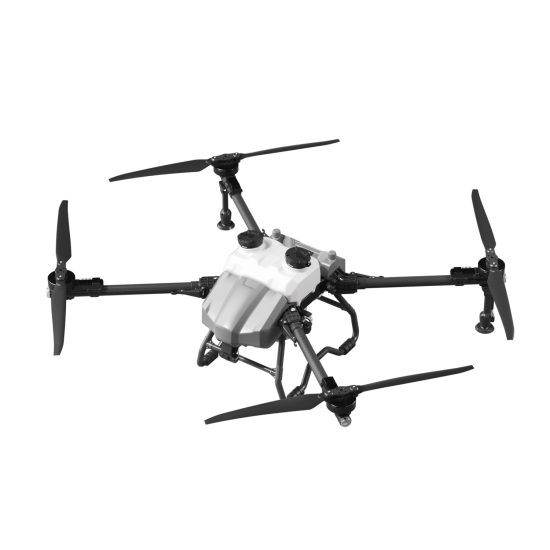


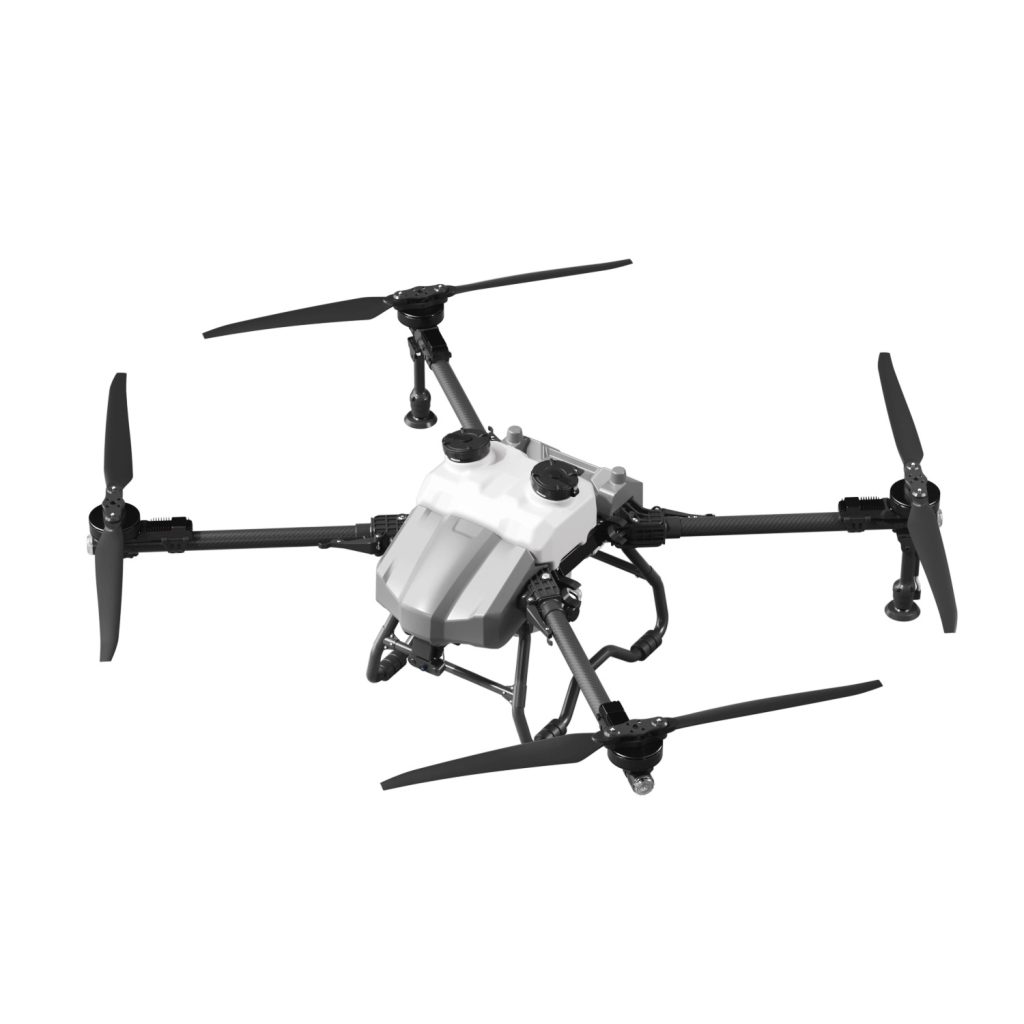
Purchasing an agricultural drone is a significant investment for farmers, agricultural service providers, and distributors. Before making a decision, many buyers have questions about performance, operating costs, maintenance, and return on investment.
This FAQ guide answers the most common questions to help you choose the right agricultural drone with confidence.
1. What Is an Agricultural Drone?
An agricultural drone is an unmanned aerial vehicle (UAV) designed for farming applications such as:
- Crop spraying
- Fertilizer spreading
- Seed broadcasting
- Crop monitoring
- Field mapping
- Precision agriculture
Modern agricultural drones improve efficiency while reducing labor costs and chemical waste.
2. What Farm Size Is Suitable for an Agricultural Drone?
Agricultural drones are suitable for farms of all sizes.
Typical applications include:
- Rice fields
- Wheat farms
- Corn fields
- Cotton plantations
- Orchards
- Tea plantations
- Vineyards
- Vegetable farms
- Sugarcane farms
Choosing the appropriate tank capacity depends on the size of your operation.
3. How Much Area Can an Agricultural Drone Cover?
Coverage depends on several factors:
- Tank capacity
- Flight speed
- Battery capacity
- Crop type
- Spray application rate
- Weather conditions
Larger drones with higher-capacity tanks can cover significantly more land per hour than smaller models.
4. How Long Does the Battery Last?
Battery life varies according to:
- Payload weight
- Weather conditions
- Flight speed
- Terrain
- Battery condition
Using multiple batteries allows continuous operation during busy farming seasons.
5. Can One Drone Spray and Spread Fertilizer?
Yes.
Many professional agricultural drones support interchangeable systems for:
- Liquid pesticide spraying
- Herbicide application
- Fungicide spraying
- Granular fertilizer spreading
- Seed broadcasting
This versatility increases the value of the equipment.
6. Is It Difficult to Operate an Agricultural Drone?
Modern agricultural drones are designed for ease of use.
Common intelligent features include:
- One-button takeoff
- Automatic flight planning
- GPS navigation
- Terrain following
- Automatic return-to-home
- Obstacle avoidance
Most manufacturers also provide operator training and technical support.
7. How Often Does the Drone Need Maintenance?
Routine maintenance should include:
- Cleaning after every spraying operation
- Checking propellers before each flight
- Inspecting batteries regularly
- Cleaning spray nozzles
- Updating firmware when available
- Inspecting motors and frame components
Preventive maintenance reduces repair costs and extends equipment life.
8. Can Agricultural Drones Fly in Windy Weather?
Agricultural drones can tolerate light wind conditions, but spraying during strong winds is not recommended because wind can reduce spraying accuracy and increase chemical drift.
Always follow the manufacturer’s recommended operating limits.
9. What Should I Look for When Buying an Agricultural Drone?
Important factors include:
- Tank capacity
- Flight time
- Spray width
- Battery performance
- Intelligent flight functions
- After-sales service
- Spare parts availability
- Warranty support
Choosing a reliable manufacturer is just as important as selecting the right specifications.
10. Are Agricultural Drones Worth the Investment?
For many farms and agricultural service businesses, the answer is yes.
Agricultural drones can:
- Reduce labor costs
- Improve spraying efficiency
- Save pesticides
- Increase crop productivity
- Complete work faster
- Deliver a strong long-term return on investment
Frequently Asked Questions (Quick Answers)
Can beginners operate an agricultural drone?
Yes. Most modern drones include intelligent flight systems that simplify operation, and manufacturers often provide training.
How long can an agricultural drone last?
With proper maintenance, a high-quality agricultural drone can provide reliable service for many years.
How many batteries should I purchase?
Most commercial operators use multiple batteries to reduce downtime and maintain continuous field operations.
Can agricultural drones be customized?
Many manufacturers offer OEM and ODM customization, including branding, tank capacity options, software features, and accessories.
Final Thoughts
Agricultural drones are becoming an essential tool for modern precision farming. By understanding the most common questions before purchasing, you can compare models more effectively and choose a solution that matches your crops, farm size, and operational needs. Investing in the right agricultural drone can improve productivity, reduce operating costs, and help build a more efficient and sustainable farming business.


No comments yet